
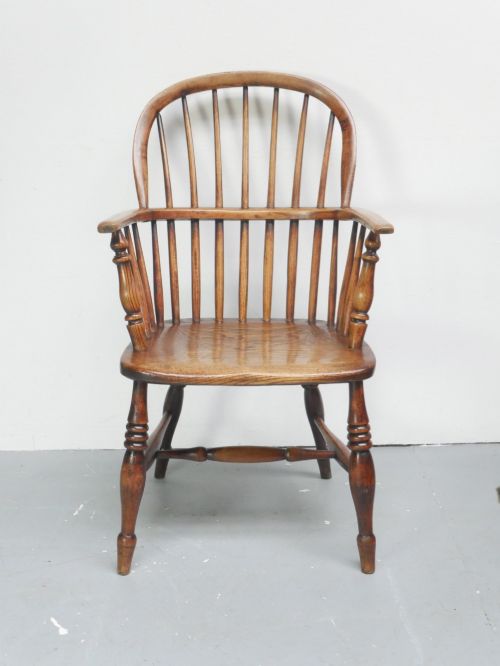

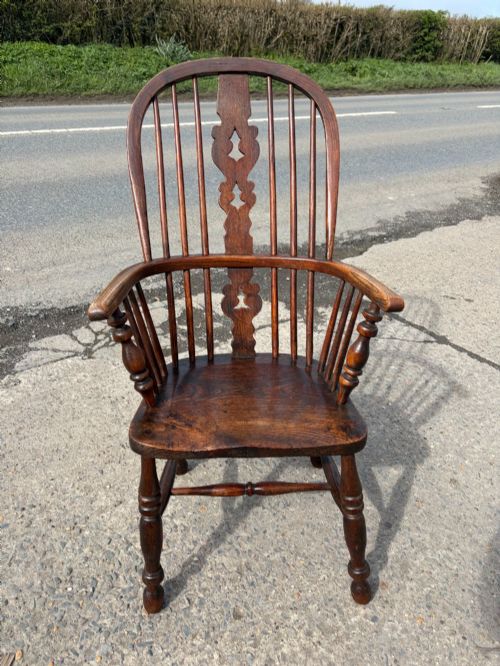


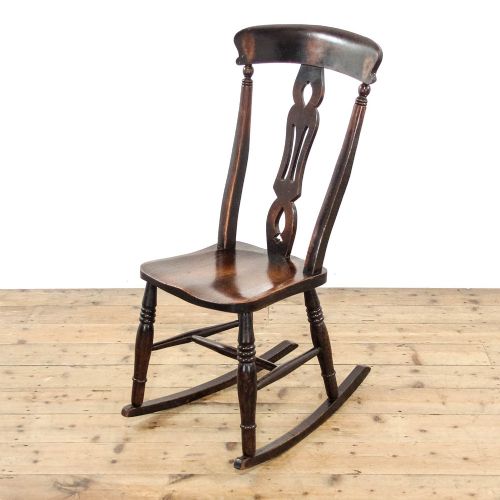


Nineteenth Century Windsor Chair
These nineteenth century windsor chair examples offer honest vernacular seating built from sturdy timbers, prized for their sculpted seats and enduring structural comfort.
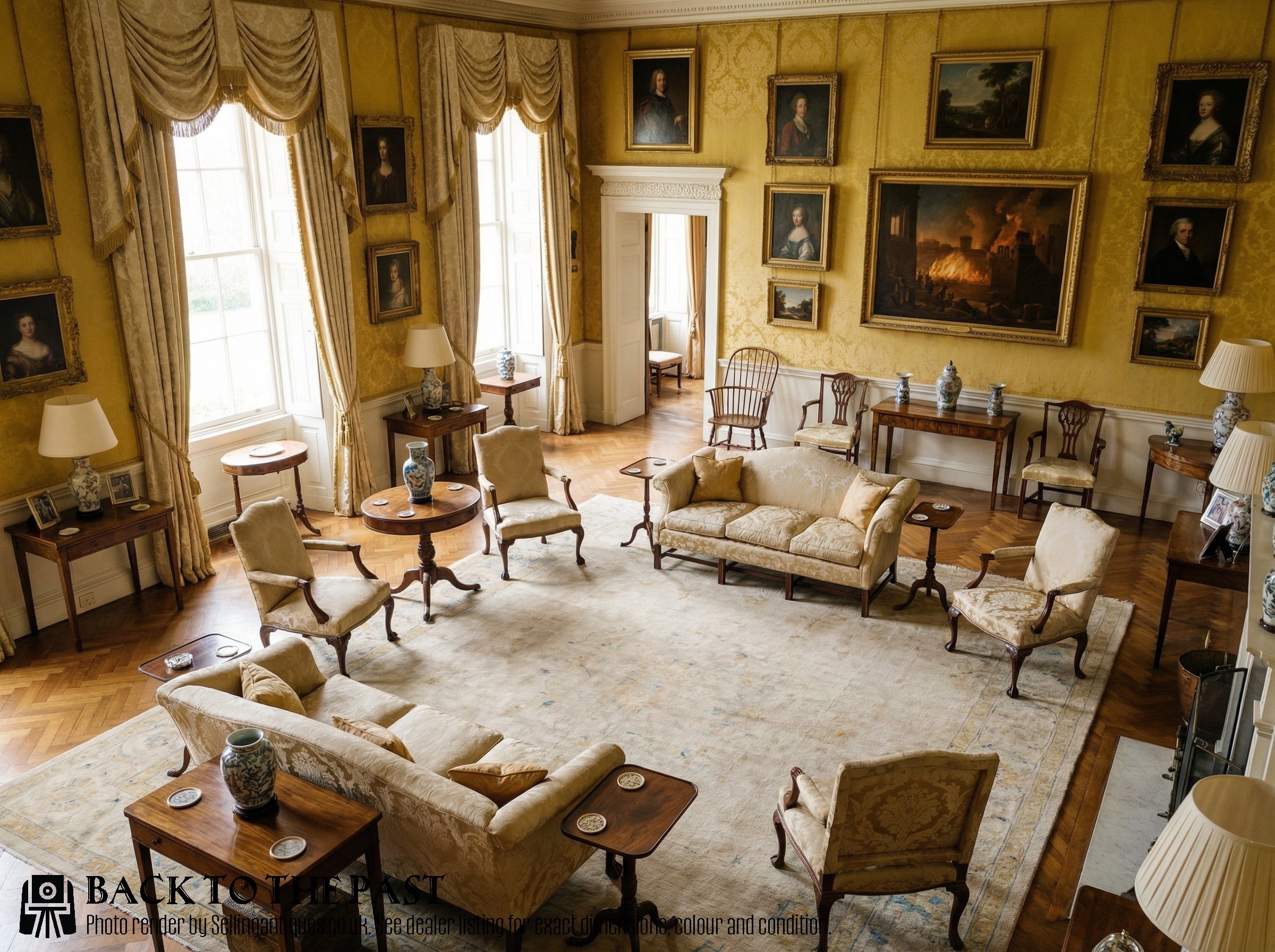
Nineteenth Century Windsor Chair
A nineteenth century windsor chair represents traditional British country seating, shaped by regional makers across England, Scotland and Wales. Buyers search for these pieces to bring rustic character and comfortable wooden forms into domestic interiors.
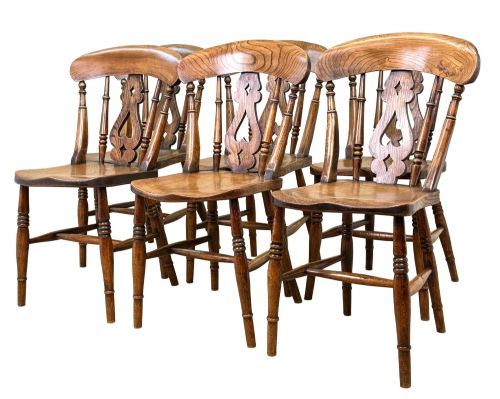
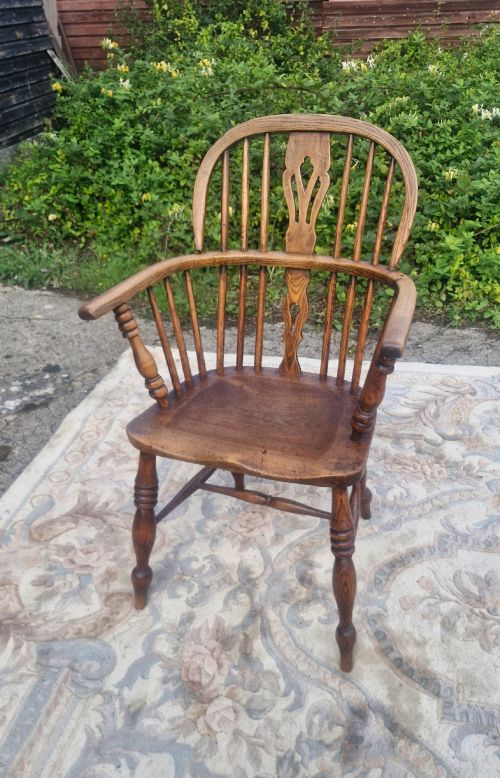
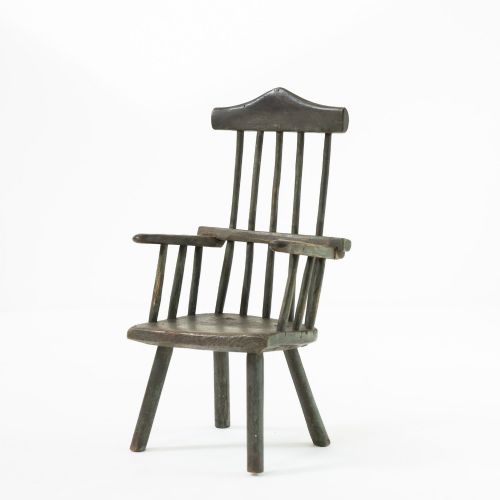
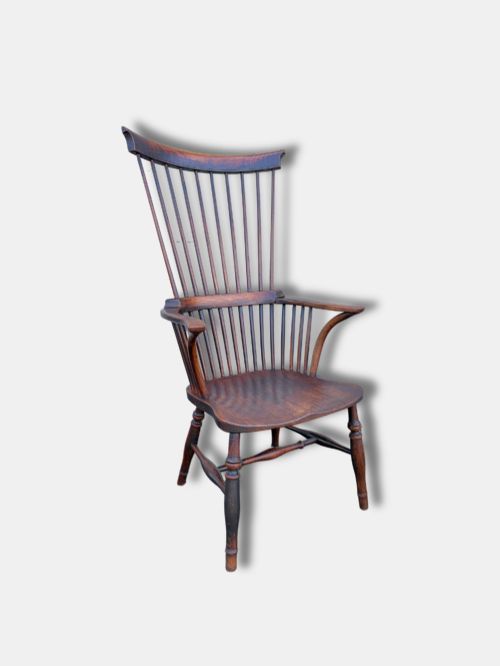
The selections available here range from low back and high comb back armchairs to captains chairs, smokers bows and rocking chairs. Smaller variants include children's armchairs, high chairs and small child's stick backs.
Most pieces date across the Victorian era, spanning from the Georgian transition through the middle decades down to eighteen ninety. Sets of dining chairs and pairs appear alongside individual armchairs.
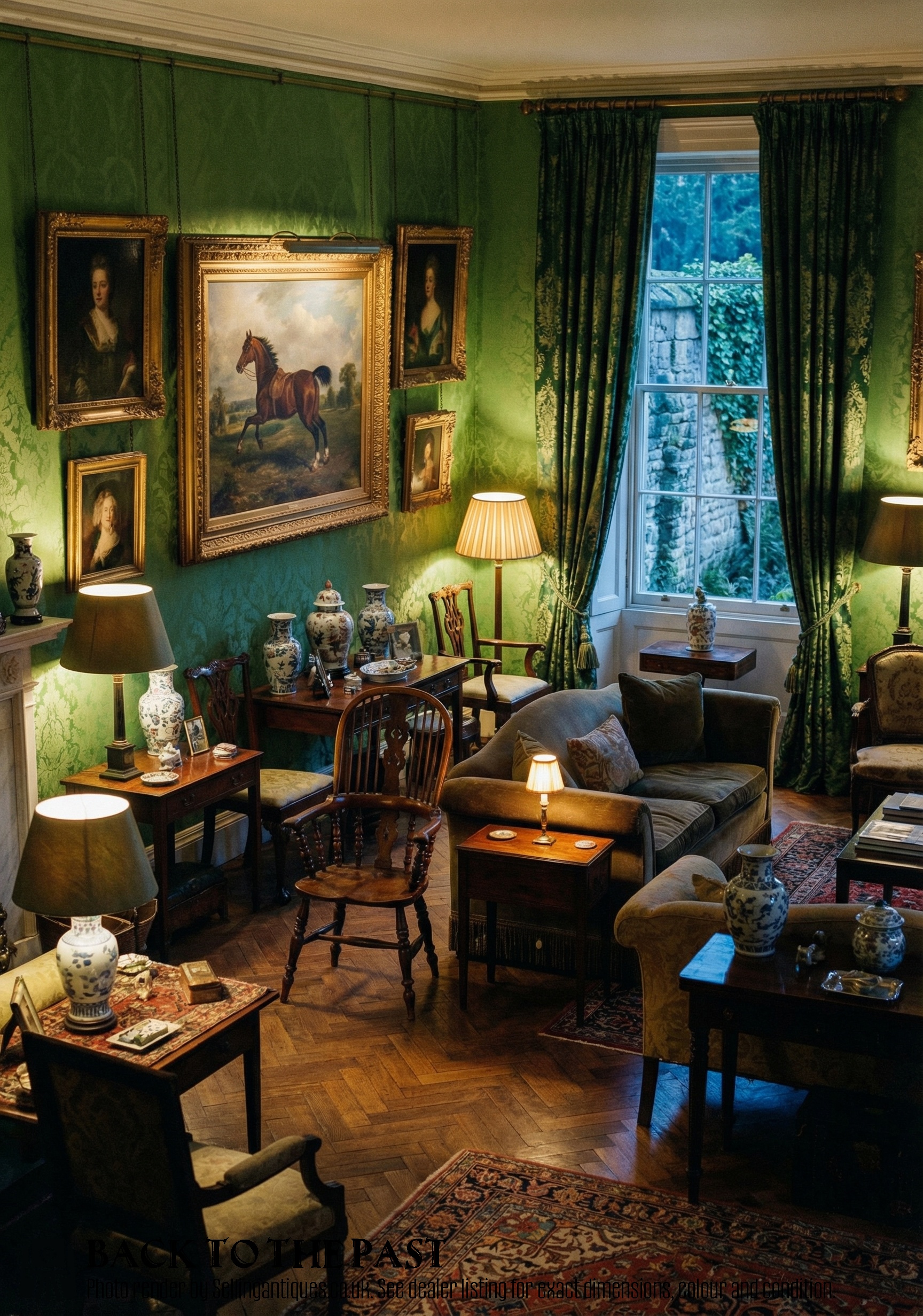
How they were made
Maker construction relies on a combination of native timbers, pairing solid elm for sculpted seats with ash, beech, fruitwood, oak or yew wood for the spindles, legs and bow backs. Selected examples retain traces of early paint finishes.
Joinery technique employs turned components fitted directly into bored holes within the thick wooden seat slab, reinforced on certain examples by under stretchers. Backs are formed from steam bent hoops or assembled stick and splat frameworks.
Nineteenth Century Windsor Chair Retail Price Guide 2026
Typical asking prices for nineteenth century windsor chair among the pieces listed under this phrase on Sellingantiques today, from the lower quarter to the upper quarter. They describe what is for sale here now, not the wider market.
Form variations include high comb backs, low backs, smokers bows, captains chairs, rocking chairs and children's high chairs.
What varies in quality
Quality separates standard utilitarian workshop production from finer regional variations through the choice of timber and the depth of the saddle seat shaping. Yew wood examples with rich grain patterns command particular attention alongside balanced proportions in the turning.
The elegance of the stick arrangement and the crispness of the arm scrolls dictate the aesthetic success of the chair. Retained original surfaces and maker attributions elevate certain regional pieces above standard vernacular items.
Duncan McKellar of Fenwick·Gabbitass of Worksop·John Shadford
The Nineteenth Century Windsor Chair Glossary
- Comb-back
- A Windsor chair variation where the vertical spindles extend upward into a horizontal top rail resembling a traditional hair comb.
- Smokers bow
- A low-backed Windsor armchair featuring a rounded continuous arm rail, historically common in inns and smoking rooms.
- Splat back
- A chair design incorporating a vertical central wooden slat, frequently pierced or shaped, positioned within the backrest spindles.
- Crinoline stretcher
- An arched metal or wooden under stretcher connecting the legs of a Windsor chair to provide structural rigidity.
- Vernacular
- Objects designed by regional craftsmen following local traditions rather than strict academic architectural styles.
Nineteenth Century Windsor Chair: Frequently Asked Questions
What is a nineteenth century windsor chair?
A nineteenth century windsor chair is a traditional wooden seat constructed with a thick saddle-shaped plank seat into which the legs and back spindles are separately inserted.
These pieces were produced across British rural workshops using local timber species such as elm, ash, beech and yew.
Where were these chairs made?
Regional variations emerged across England, Scotland and Wales, with specific production centres in Yorkshire, the Thames Valley and Ayrshire.
Local timber availability and distinct regional turning patterns help identify where an individual chair originated.
How do you date a windsor chair?
Dating relies on observing construction methods, tool marks, timber shrinkage and stylistic evolutions from heavy early forms toward lighter Victorian proportions.
Changes in back design, from early comb backs to later splat or hoop variations, provide additional chronological clues.
How should I live with these chairs?
These wooden chairs integrate easily into modern dining rooms, studies or hallways as practical everyday seating or decorative accent pieces.
Keep them away from direct heat sources and sudden temperature shifts to protect the historic timber and joints.