
Traditional Tub Chair
A traditional tub chair wraps you in curved timber or deep leather, offering compact comfort that suits desks, studies and country houses alike.
Traditional Tub Chair
When searching for a traditional tub chair, you encounter low-slung, rounded seats designed to enclose the occupant in solid support. These pieces span the nineteenth and early twentieth centuries, drawing on Victorian and Edwardian vernacular furniture traditions.
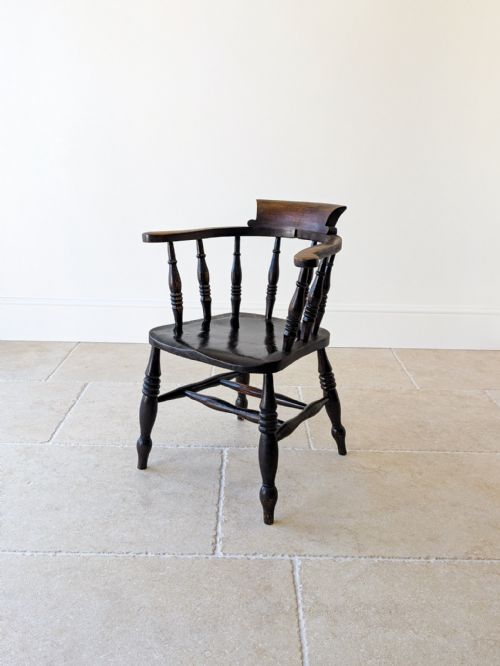
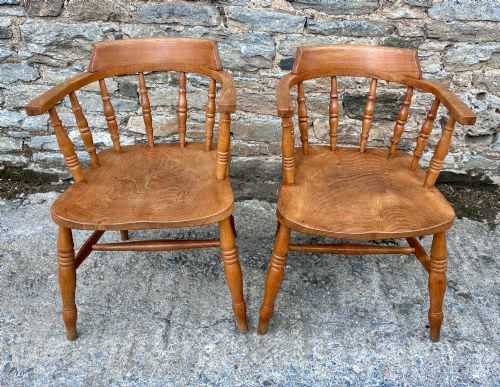
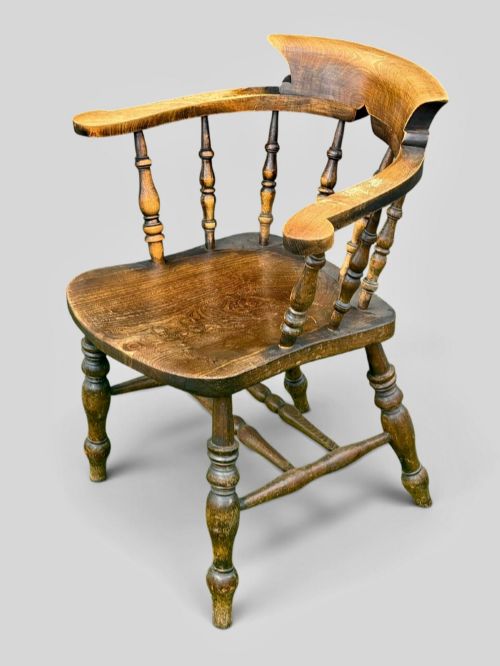
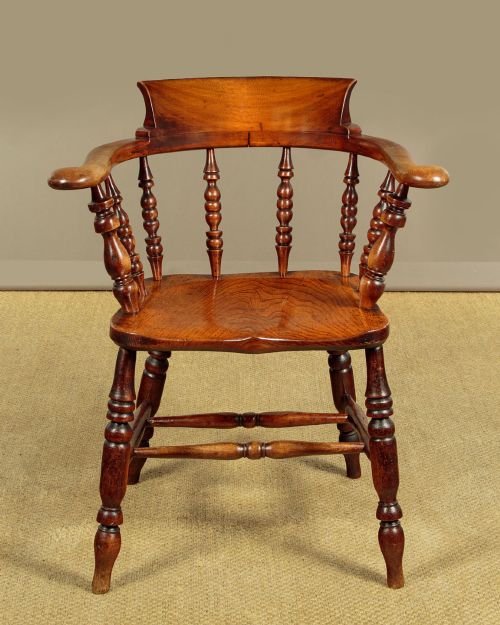
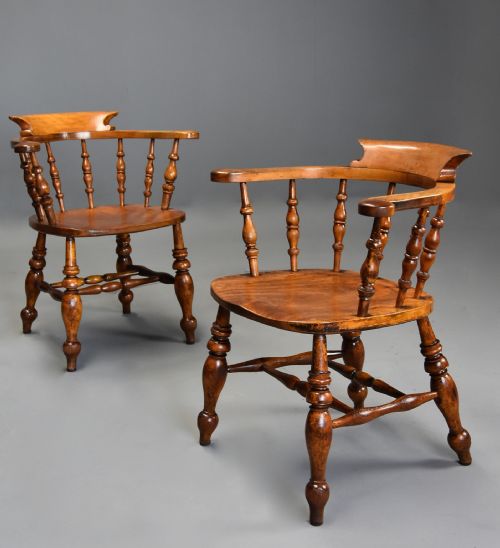
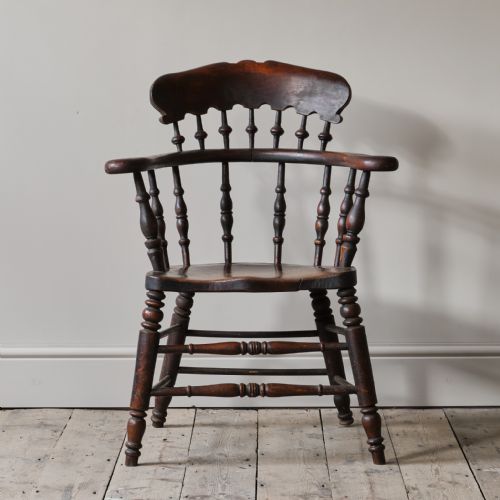
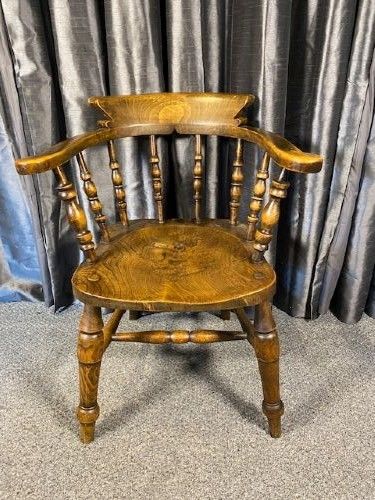
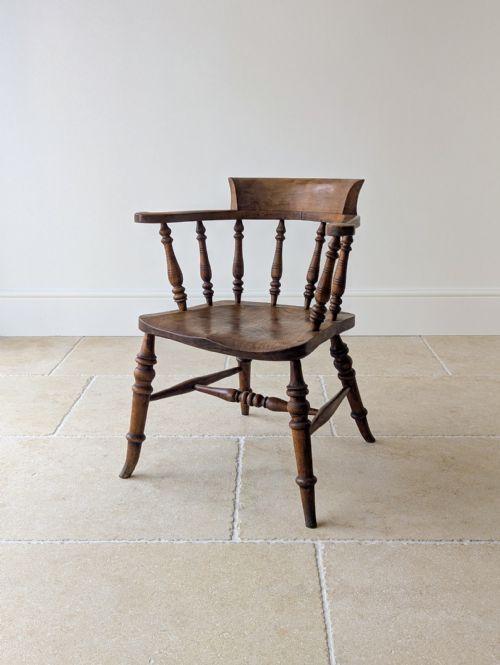
The version you meet most often on this page is the captain's chair or smoker's bow, constructed with a continuous hoop back and turned spindles. These sturdy wooden forms frequently pair elm with beech or ash, reflecting English country house utility.
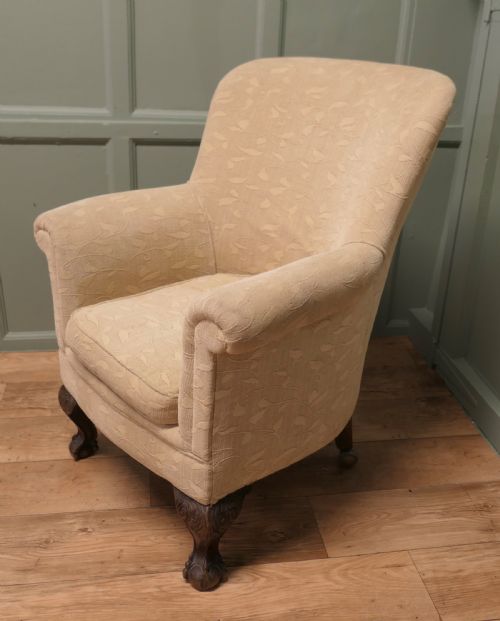
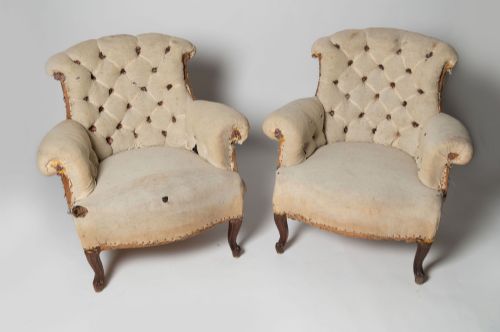
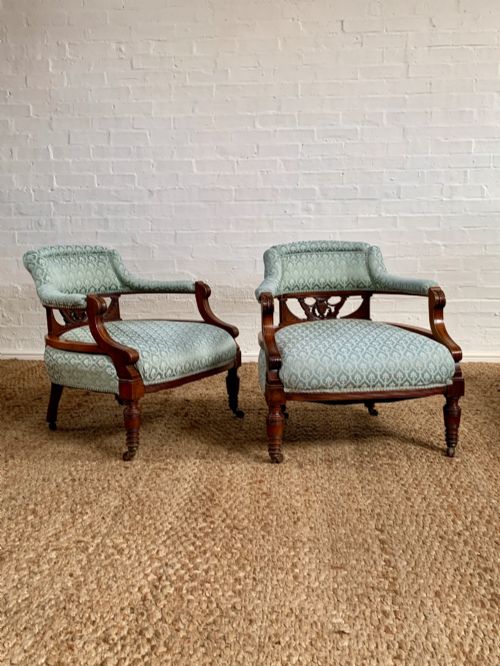
Alongside timber seating, the selection includes leather club armchairs and upholstered barrel backs originating from French provincial and Swedish workshops. These variations provide upholstered luxury alongside the rigid support of standard desk and corner armchairs.
How they were made
Cabinet makers utilised steam-bending techniques to curve solid timbers like ash, elm and beech into continuous hoop backs. These curved components joined solid plank seats through traditional wedged tenon joints.
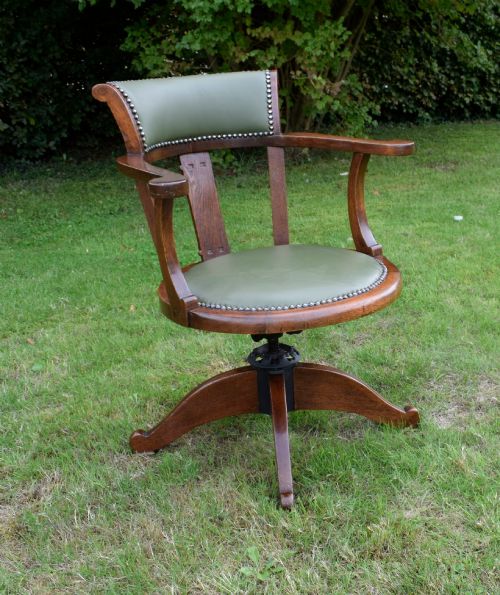
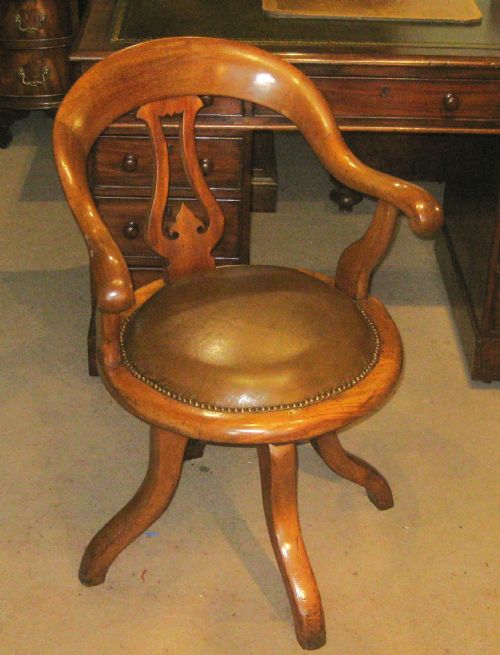
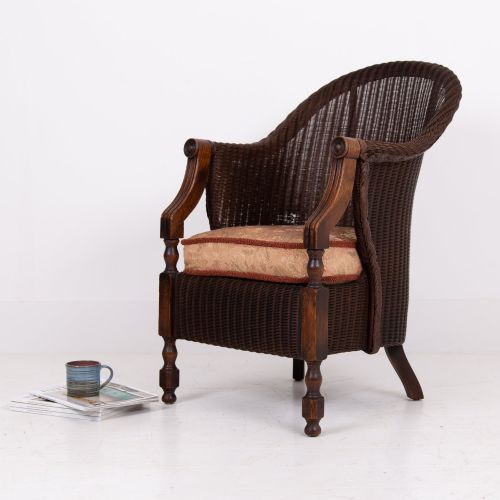
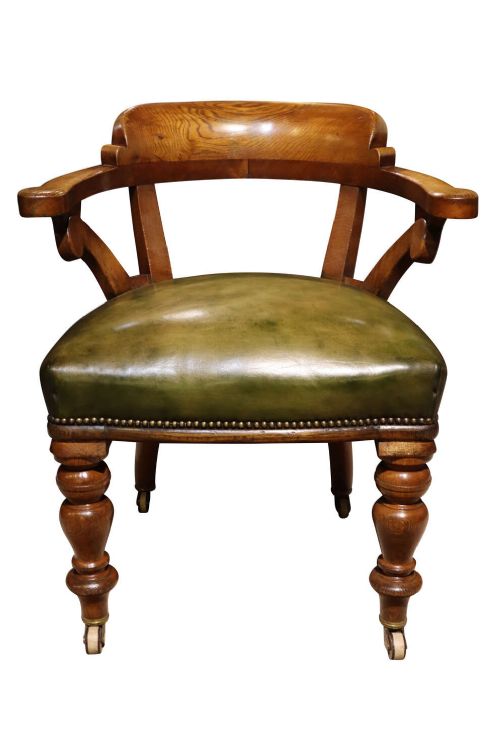
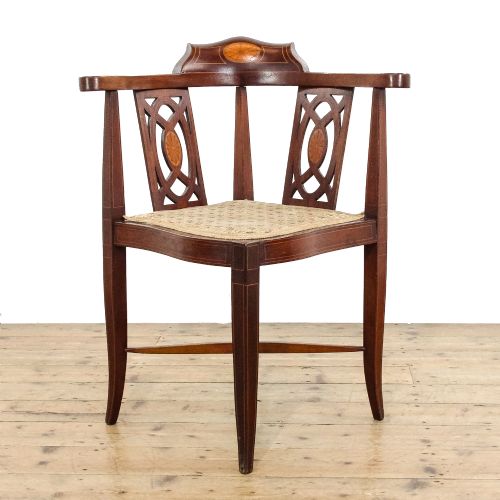
Desks chairs and library armchairs incorporated mahogany and oak, often fitted with revolving swivel mechanisms or upholstered in green leather panels. Corner chairs and bergère models integrated turned walnut frames with woven cane or textile inserts.
Early nineteenth-century smokers probably spent hours testing the elbow clearance on these sturdy ash bows.
What varies in quality
Quality rests in the integrity of the timber selection and the depth of the natural patina accumulated over decades of use. Examples retaining matching grain patterns across bentwood hoops command greater appreciation.
Construction methods dictate longevity, seen in the tightness of pegged joints and the density of the original turned spindles. Pieces displaying minimal replacement parts and honest surface wear maintain their structural character.
Howard and Sons
The Traditional Tub Chair Glossary
- Smoker's Bow
- A low-backed Windsor-style armchair with a continuous curved arm rail, common in nineteenth-century English country houses. This form provides sturdy elbow support for relaxed seating.
- Captain's Chair
- A low, robust swivel or fixed armchair with a rounded backrest, historically utilised in offices and studies. The design prioritises durable timber construction.
- Bergère
- An enclosed armchair with a wooden frame and cane or wicker side panels, popular in French-inspired seating. These chairs often accommodate loose upholstered cushions.
- Tub Back
- A rounded chair back that curves continuously to form the arms, offering enclosed seating comfort. The profile resembles an upright half-barrel.
Traditional Tub Chair: Frequently Asked Questions
What is a traditional tub chair?
A traditional tub chair is a low, curved armchair designed to enclose the sitter, spanning styles from nineteenth-century Windsor smoker's bows to leather club seats.
These pieces utilise solid woods like elm, oak and mahogany, often featuring continuous hoop backs or upholstered barrel frames.
Where were these chairs used?
These chairs served primarily in studies, libraries, offices and country house reception rooms as functional seating for desks and writing tables.
Swivel variants and compact corner models adapted easily to writing spaces and domestic hearths.
How do I date a tub chair?
Dating relies on identifying timber choices, turning styles and construction methods associated with Victorian, Edwardian and mid-nineteenth-century manufacturing periods.
Examining tool marks, joint construction and fastener types helps narrow the decade of production.
How do I care for leather and wood?
Maintain wooden frames through regular dusting and occasional wax polishing to preserve the natural grain and historic surface patina.
Condition leather upholstery periodically with appropriate balms to prevent drying and cracking across high-wear areas.