





Country Windsor Chair
These country windsor chair examples combine vernacular utility with vernacular comfort, built for domestic longevity.
The Country Windsor Chair
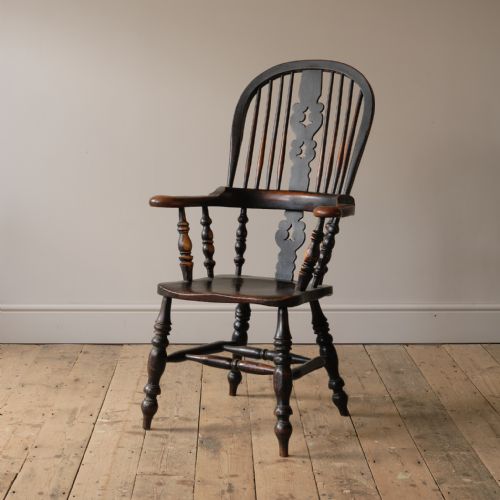
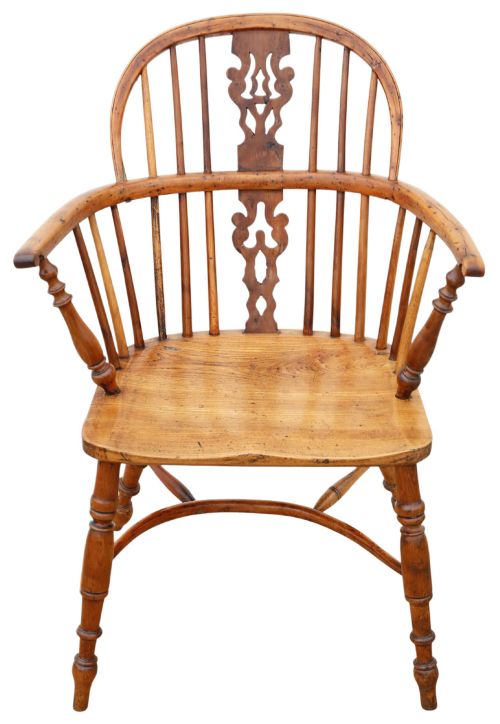
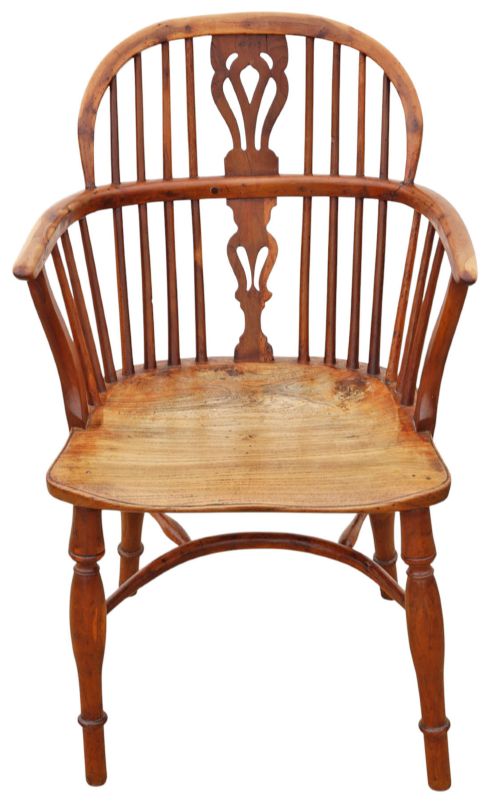
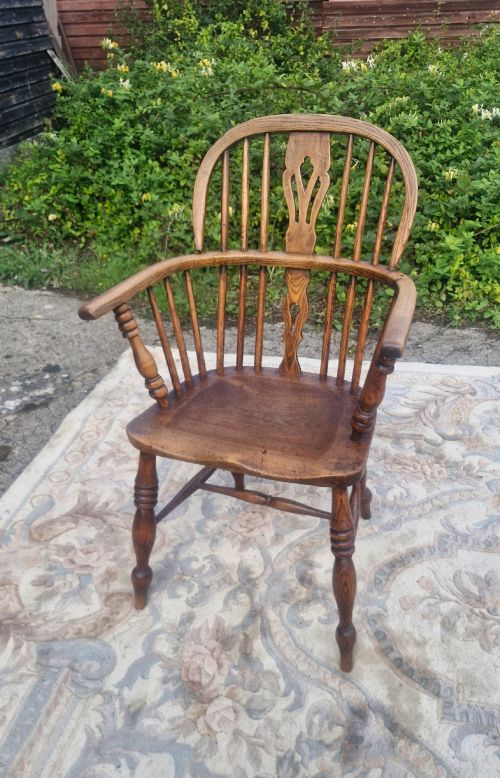
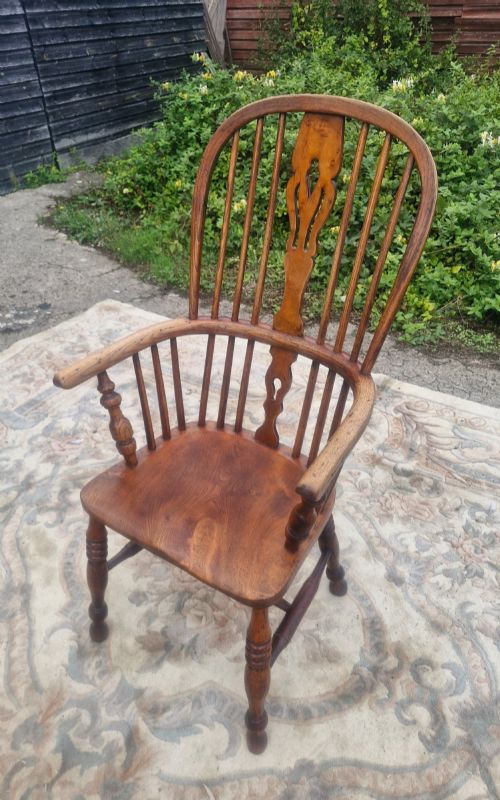
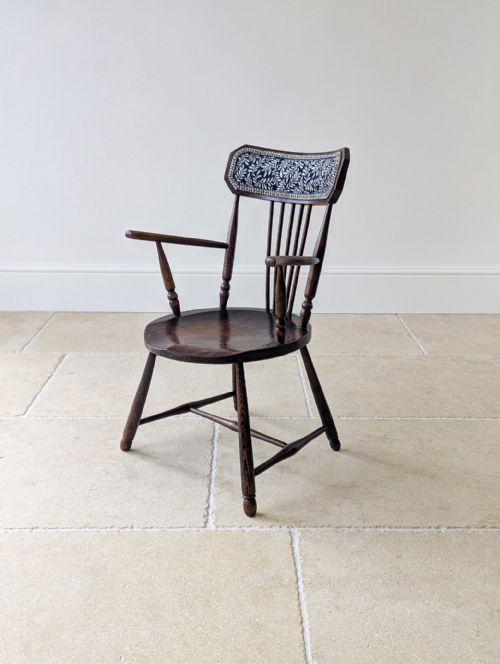
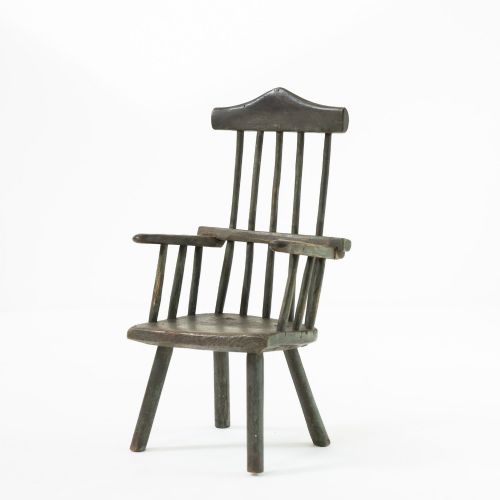
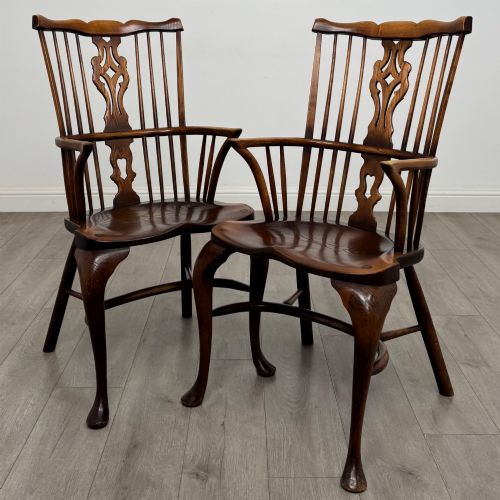
A country windsor chair is a sturdy vernacular seating form defined by a solid wooden saddle seat into which the legs, back spindles and bow are independently inserted. These pieces emerge primarily from the Georgian, Victorian and nineteenth century periods, shaped for domestic kitchens, farmhouses and cottages.
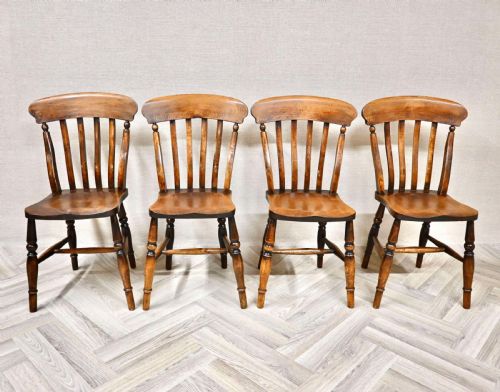
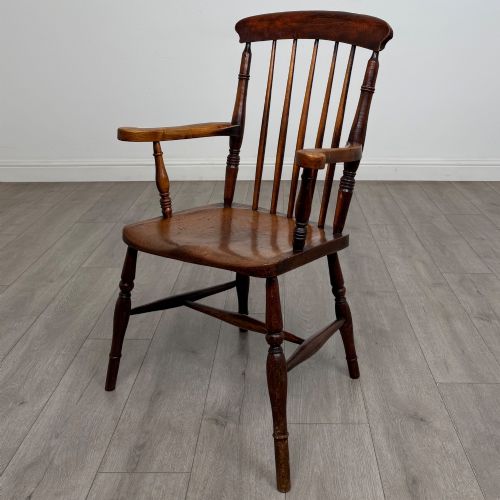
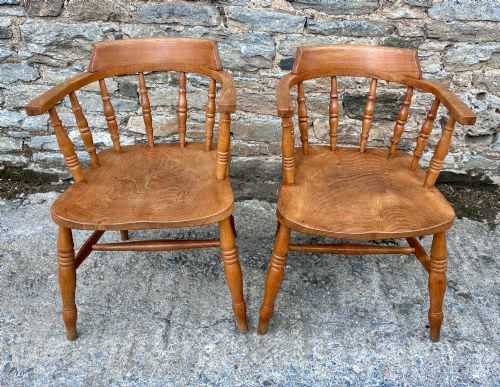
The varieties seen here include low-backs, stick backs, lathbacks, hoop backs, lyrebacks and bullseye designs, alongside captain smokers bows and smaller childs variants. Single armchairs, pairs and larger dining sets appear frequently across English regional traditions such as the West Country and Yorkshire.
Materials and Construction
These seats rely on a mix of native timbers utilised for their specific physical properties, combining elm for solid, split-resistant seats with ash, beech, fruitwood, oak and yew for bent bows, turned legs and slender spindles. Craftsmen turned rigid components on lathes and steam-bent flexible woods to form the characteristic arched backs.
Construction uses wedged tenon joints where leg tops and spindle ends pass right through the seat plank and lock securely from above. This clever framing technique creates a robust whole without relying on complex internal hardware.
Retail Price Guide 2026
Typical UK retail prices for country windsor chair, calculated from the Sellingantiques database of over a million retail prices indexed since 2003. This retail price guide relies exclusively on Sellingantiques data; no external sources or auction records are used, so the figures do not describe the wider market.
The child sized stick back versions prove that even toddlers needed proper vernacular seating by the nineteenth century.
Assessing Quality
Quality rests on the integrity of the timber selection and the harmony of the turning, where deeply sculpted saddle seats and well-balanced spindle arrangements elevate a piece above standard utility work. Thicker elm planks with rich grain patterns and untouched surface patination show greater substance.
Structural honesty and minimal later intervention dictate the standing of surviving examples, distinguishing robust vernacular workshop items from heavily restored or overly sanded specimens.
The Country Windsor Chair Glossary
- Saddle seat
- A thick wooden seat base sculpted with hollows for comfort. This shaped plank forms the central hub where all structural components anchor.
- Stick back
- A chair back composed of simple vertical spindles inserted into the seat. These slender turned rods provide flexible support.
- Smoker bow
- An armchair variant featuring a continuous curved wooden rail forming the armrests and low back. This form offers enclosed seating comfort.
- Crinoline stretcher
- An arched or curved wooden brace linking the legs beneath the seat. This reinforcement adds lateral strength to the underframe.
- Lathback
- A back design incorporating a broad flat central wooden slat amongst vertical spindles. This configuration provides solid lumbar support.
Frequently Asked Questions
What is a country windsor chair?
A country windsor chair is a traditional wooden seat featuring a thick solid plank seat into which separate legs and back spindles are pegged directly.
These functional items evolved through regional English workshops during the eighteenth and nineteenth centuries for everyday domestic use.
How do I spot an early windsor chair?
Early examples often display vernacular timber combinations like elm seats with ash or fruitwood spindles, alongside deep saddle shaping and generous proportions.
Construction details such as wedged through-tenons and authentic surface patination help distinguish older nineteenth century or Georgian pieces from later reproductions.
Were these chairs used for dining?
Kitchens and farmhouse dining spaces accommodated these sturdy armchairs and matching sets for daily family meals.
Their robust construction made them versatile enough for general utility tasks around the hearth as well as table seating.
How do I care for antique elm and ash?
Maintain the timber by keeping pieces away from direct heat sources and sudden humidity shifts that cause wood to dry and split.
Applying occasional natural wax helps nourish the historic surface and preserve the natural patination built up over generations.