
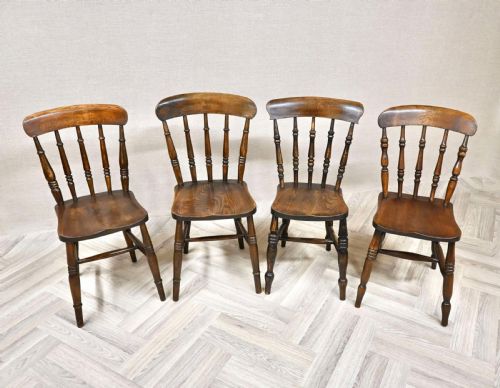
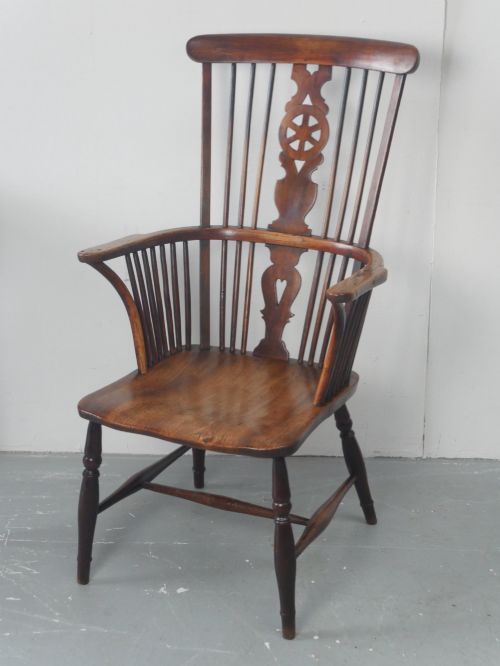
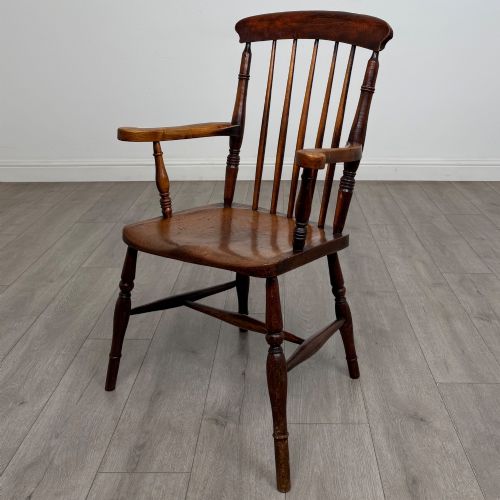

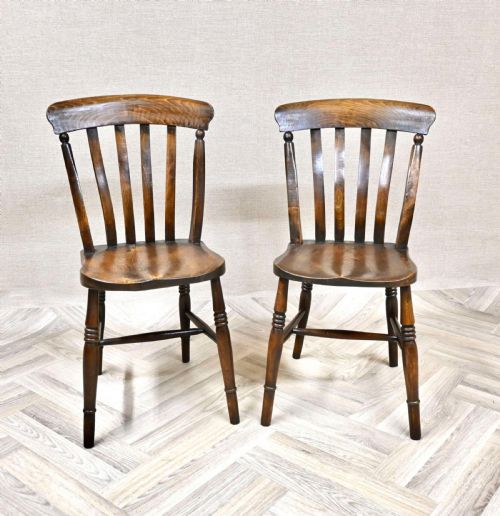
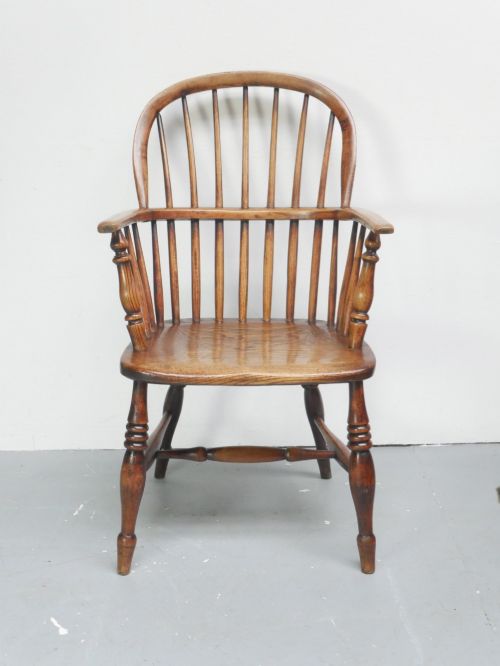
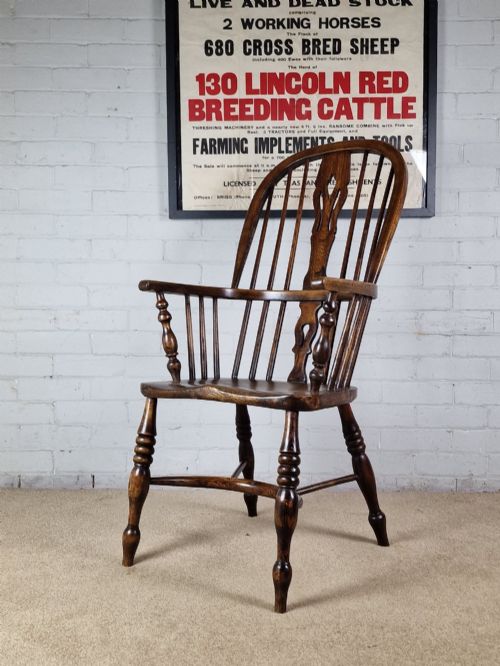
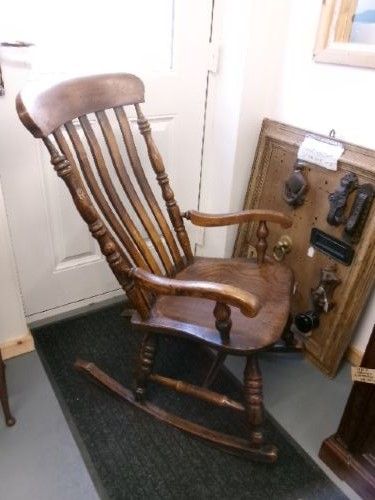
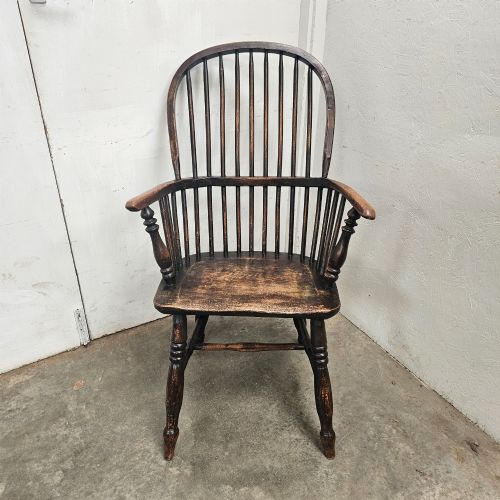
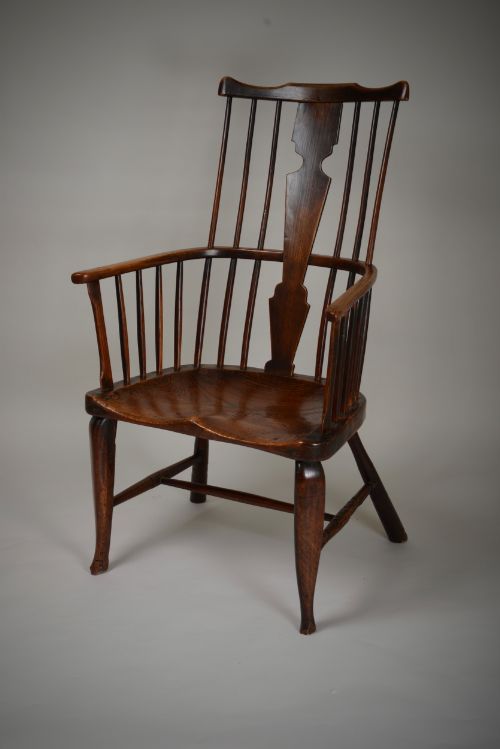
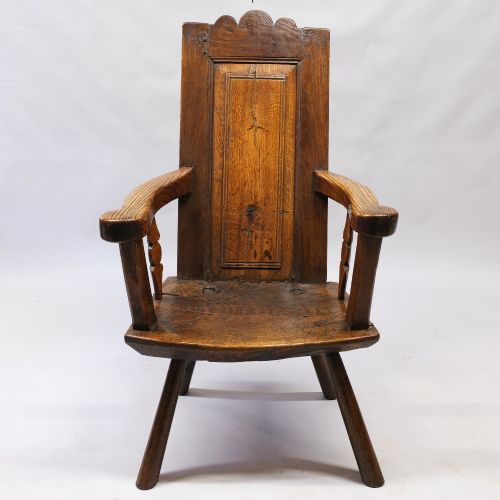
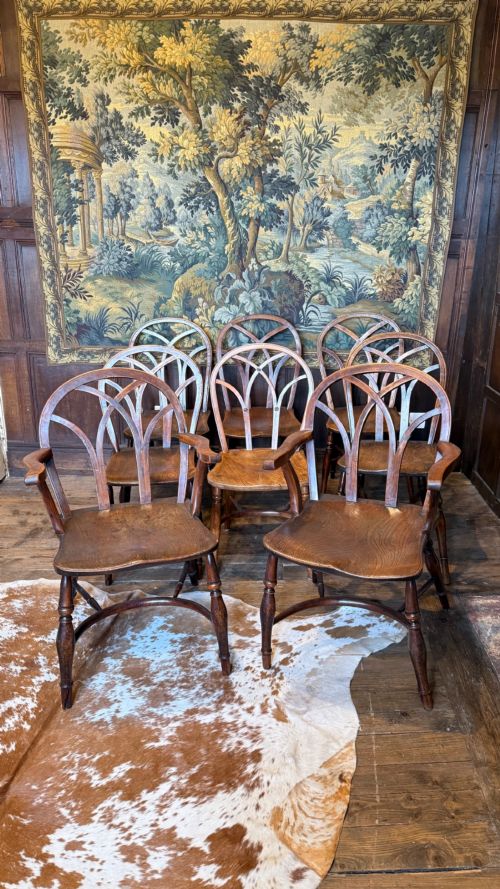
Dark Oak Windsor Chair
A dark oak windsor chair brings tactile warmth and rugged vernacular character to any interior through its sculptural timber construction.
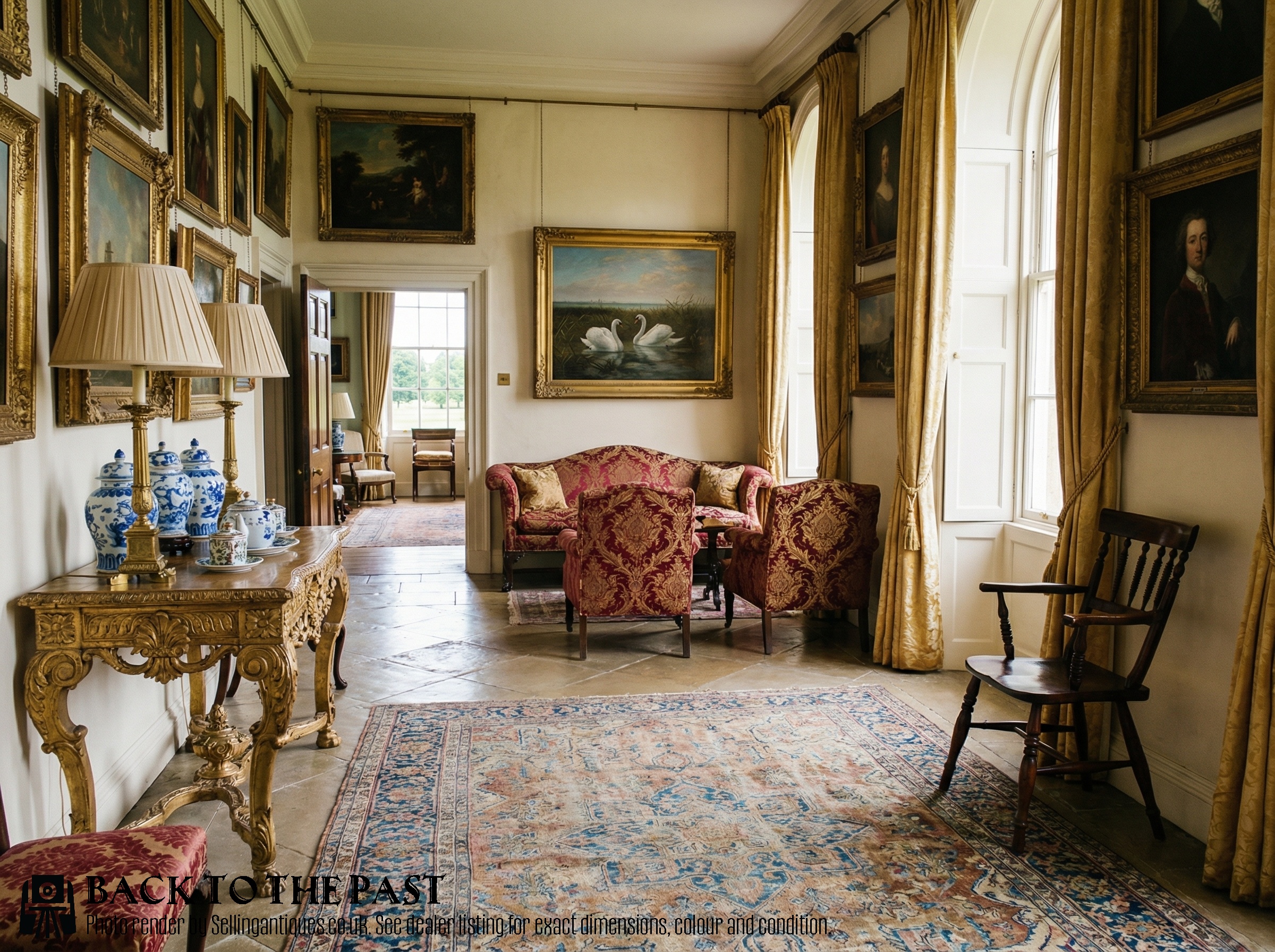
Dark Oak Windsor Chair
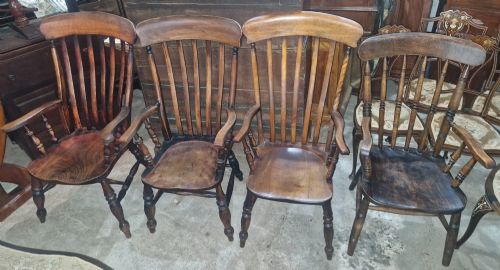
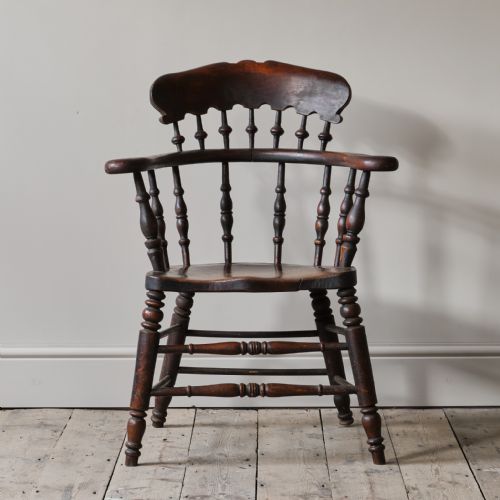
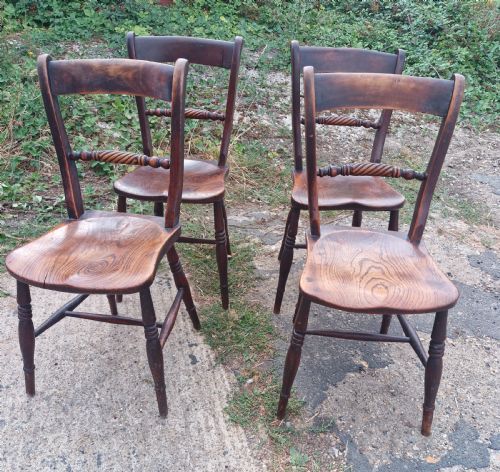
A dark oak windsor chair sits firmly in the realm of English and regional vernacular furniture, combining traditional spindle work with solid plank seats. These pieces range from robust 18th-century comb backs to 19th-century farmhouse kitchen dining chairs and low-slung smoker's bows.
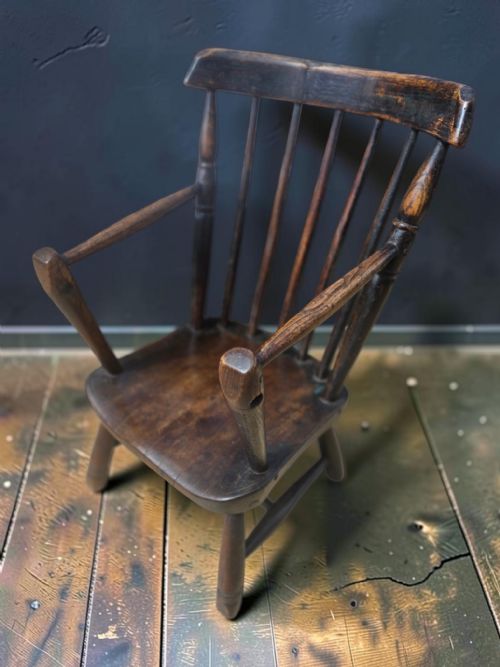
Regional variants appear frequently, including examples attributed to Scottish makers, Thames Valley workshops, and Welsh valleys. Buyers will find individual armchairs, matching dining sets, children's high chairs, and rocking variants spanning the Georgian, Victorian, and Edwardian periods.
Construction and timber selection
Maker traditions relied on combining multiple native timbers within a single dark oak windsor chair, pairing dense oak and ash for structural frames with elm for deeply dished saddle seats. Beech, fruitwood, and yew also appear in turned spindles, curved hoops, and slender arm bows.
Construction techniques utilised steam-bent wood for continuous back rails and wedged tenon joints where legs and spindles meet the solid seat slab. This clever marriage of flexible woods and rigid hardwoods created resilient seating designed for heavy daily use in country kitchens.
Dark Oak Windsor Chair Retail Price Guide 2026
Typical asking prices for dark oak windsor chair among the pieces listed under this phrase on Sellingantiques today, from the lower quarter to the upper quarter. They describe what is for sale here now, not the wider market.
Materials recorded across the inventory include oak, ash, elm, beech, fruitwood, and yew wood.
Assessing quality and character
Quality rests in the elegance of the spindle turning, the depth of the sculpted seat, and the harmony of the mixed timbers. Superior examples show refined proportions in the hoop or comb back, balanced splayed legs, and a rich, timeworn surface patina developed over generations.
Lesser pieces may exhibit heavy-handed repairs, replaced undercarriages, or unyielding seats lacking ergonomic shaping. The distinction lies in whether the original timber retains its honest grain structure and organic movement without losing structural integrity.
Duncan McKellar of Fenwick
The Dark Oak Windsor Chair Glossary
- Comb back
- A Windsor chair variation where the central vertical spindles extend upward to support a horizontal headrest rail, resembling a traditional hair comb.
- Smoker's bow
- A low-backed Windsor armchair with a continuous curved arm rail and short turned spindles, commonly found in domestic kitchens and public houses.
- Saddle seat
- A thick wooden seat base hand-carved with hollowed depressions to ensure comfort during prolonged sitting.
- Stretcher
- The horizontal wooden rod connecting the legs beneath a chair to provide rigidity and prevent outward splaying.
- Vernacular furniture
- Domestic objects made by local regional craftsmen using traditional regional techniques and readily available native materials, rather than following formal metropolitan styles.
Dark Oak Windsor Chair: Frequently Asked Questions
What is a dark oak windsor chair?
A dark oak windsor chair is a traditional wooden seat featuring legs and spindles wedged directly into a solid sculpted seat plank rather than joined to a central frame.
These pieces draw on centuries of regional British country craftsmanship, evolving from simple stick-back designs into sophisticated regional archetypes like wheelbacks and Thames Valley models.
How were windsor chairs used?
These chairs served as durable, utilitarian seating around farmhouse kitchen tables, in country houses, and within local inns.
Their sturdy construction made them suitable for daily domestic tasks, while specialised forms like children's high chairs and rocking chairs accommodated family life.
How do I date a windsor chair?
Dating relies on examining construction methods, tool marks, timber shrinkage, and stylistic shifts in the backrest and leg turnings. Early 18th-century examples often display simpler panel-backed or high-back forms, whereas Victorian versions introduce steam-bent hoops and decorative splats like wheelbacks.
Comparing the wear patterns on the elm seat and the patination of the oak frame also helps establish the age of the piece.
How do I live with antique chairs?
Living with these pieces involves placing them away from direct heat sources and sudden temperature fluctuations to protect the solid oak and elm timbers from drying out.
Regular dusting and occasional treatment with appropriate natural waxes help maintain the deep surface patina without clogging the wood grain.