
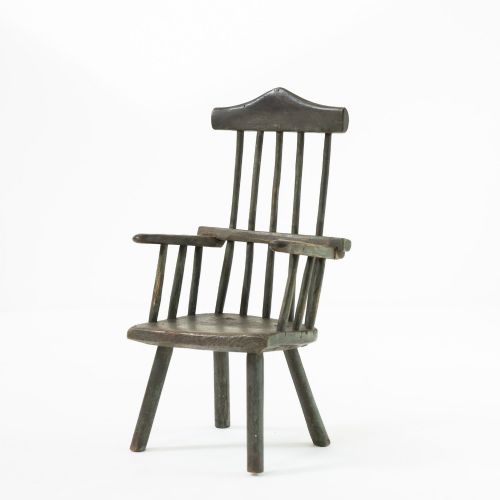
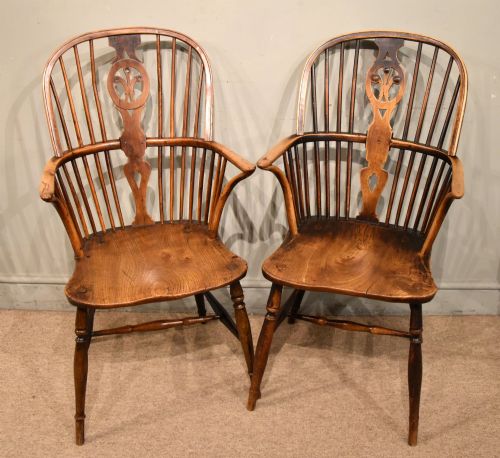
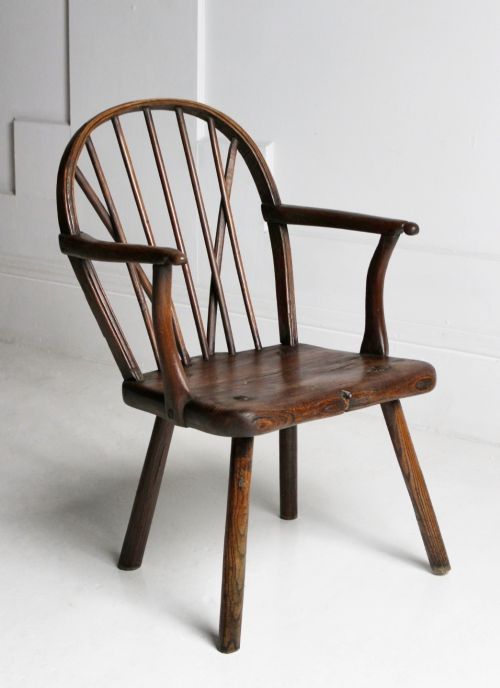


Welsh Stick Back Chair
These welsh stick back chair examples offer unpretentious country seating shaped by centuries of local timber trade and rural craftsmanship.
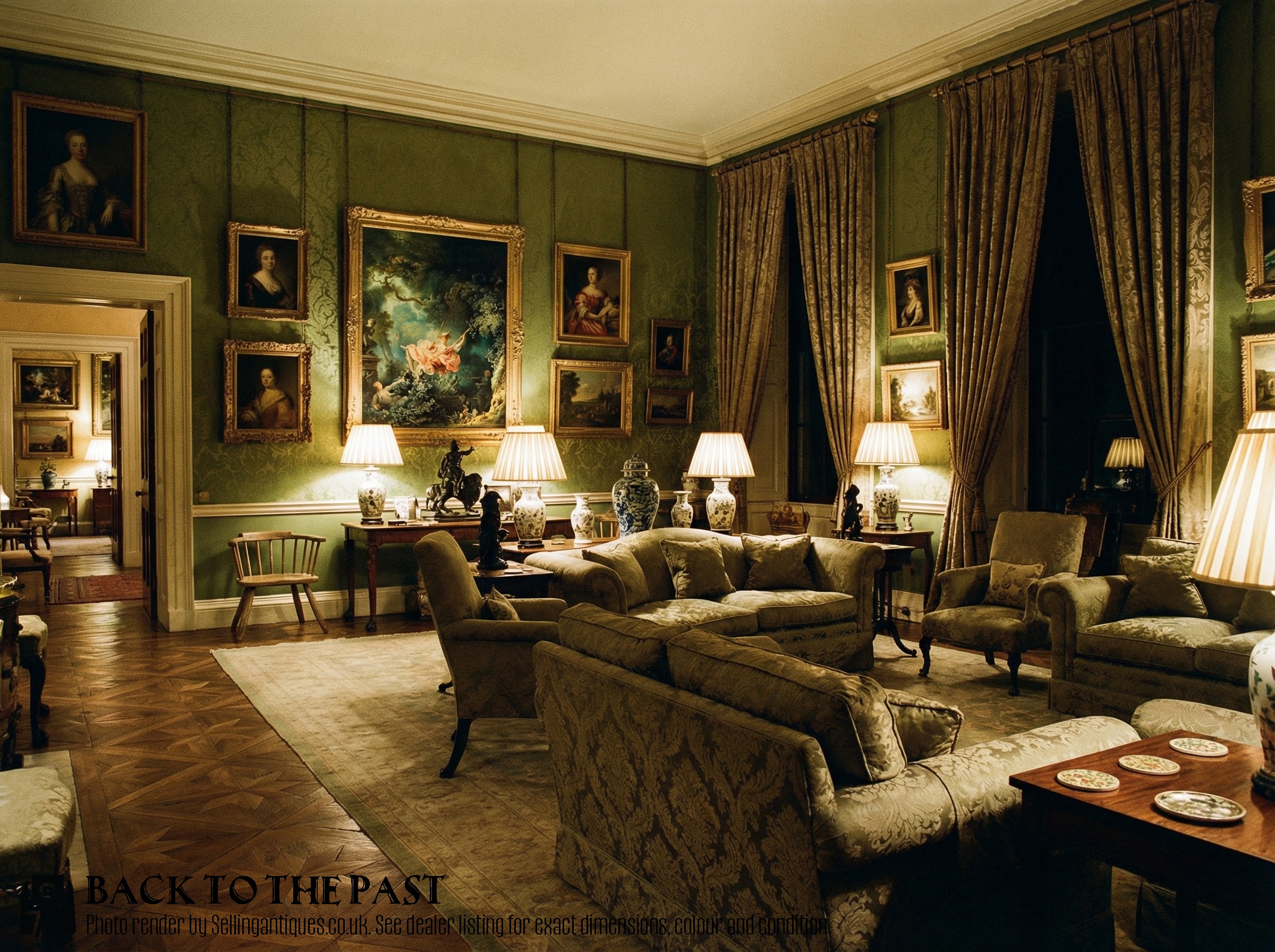
Welsh Stick Back Chair
When you search for a welsh stick back chair, you encounter unpretentious country seating produced across rural districts like Carmarthenshire and the Swansea Valley. These pieces emerge primarily from the eighteenth and nineteenth centuries, spanning Georgian eras and the year 1800.
The form appears most frequently as an armchair, alongside smaller children's armchairs. Examples often display regional variations such as comb backs, high backs, low backs, and yoke backs.
Makers in domestic vernacular traditions built these seats for everyday utility rather than formal parlour display. Surviving items demonstrate the practical needs of Welsh households through solid construction and direct joinery.
Materials and construction
Makers utilised native hardwoods selected for strength and local availability, combining elm, ash, oak, and yew within a single frame. Burr elm often provided figured timber for prominent seats, while beech appeared alongside ash for turned spindles and structural members.
The fabrication relies on traditional pole-lathe turning for legs and spindles, driven directly into thick solid timber seats. Many surfaces retain layers of early paint or accumulated wear over bare wood.
Welsh Stick Back Chair Retail Price Guide 2026
Typical asking prices for welsh stick back chair among the pieces listed under this phrase on Sellingantiques today, from the lower quarter to the upper quarter. They describe what is for sale here now, not the wider market.
Specific geographic attributions in archive records point directly to workshops operating in Carmarthenshire and the Swansea Valley.
Distinctions in quality
Quality rests upon the sculptural confidence of the comb or stick arrangement and the balance of the turned underframe. Refined pieces show deliberate tapering in the spindles and well-proportioned armbows that integrate cleanly into the seat block.
The choice of timber elevates certain examples, particularly where burr elm or rich ash grain enhances the visual weight of the seat. Superior specimens maintain their original structural integrity without heavy replacement of the legs or spindles.
The Welsh Stick Back Chair Glossary
- Stick back
- A chair construction method where turned or riveted spindles form the backrest directly into a solid wooden seat. This method defines the primary structural character of country Windsor and vernacular seating.
- Comb back
- A chair back design featuring an extended top rail supported by vertical spindles, resembling the teeth of a comb. This style provides additional height and head support.
- Vernacular
- Objects designed and built by local artisans using regional traditions and materials rather than academic architectural rules. Such pieces reflect the immediate needs of country life.
- Hoop-back
- A continuous bentwood rail that forms both the arms and the upper back of a chair. This technique requires steaming timber until pliable.
- Yoke-back
- A top rail shaped with a central rise resembling a draught animal yoke. This curved crest piece provides ergonomic comfort for the sitter's shoulders.
Welsh Stick Back Chair: Frequently Asked Questions
How do I date an old stick chair?
Dating relies on observing tool marks, timber shrinkage, and the profile of the turned legs and spindles. Earlier eighteenth-century examples often display simpler, heavier joinery compared to later nineteenth-century adaptations.
Regional traits and specific wood combinations also help anchor the piece to a narrower timeframe. Comparing the wear patterns on the seat to documented specimens clarifies the age further.
Were these chairs used indoors or outdoors?
These chairs served primarily as functional indoor seating within Welsh farmhouses, cottages, and domestic kitchens. Their robust construction handled the daily demands of rural family life.
While sturdy enough for occasional porch use, historic timber and early paint surfaces suffer outdoors. Keeping them inside protects the dry wood and original finishes from moisture damage.
What is a comb back design?
A comb back incorporates vertical spindles rising through an armbow to meet a flat or shaped top rail. This construction resembles an upturned comb and adds physical height to the chair.
The layout distributes pressure evenly across the upper back while maintaining a lightweight frame. Makers favoured this configuration for primary seating around hearths.
Why do timbers vary between parts?
Country makers selected different woods for specific structural duties based on mechanical properties. Elm provided a split-resistant solid seat, while ash and beech offered flexible strength for turned spindles.
Using mixed local hardwoods ensured the chair could withstand constant movement and weight. This pragmatic approach was standard practice in rural workshops.
How should I clean the wood surface?
Maintenance requires only a gentle dusting with a dry, soft cloth to remove surface grit. Avoid modern chemical polishes that can soften historic wax or alter early paint.
Preserving the dry appearance of the timber maintains the historic character of the piece. Regular care protects the patination built up over centuries.