


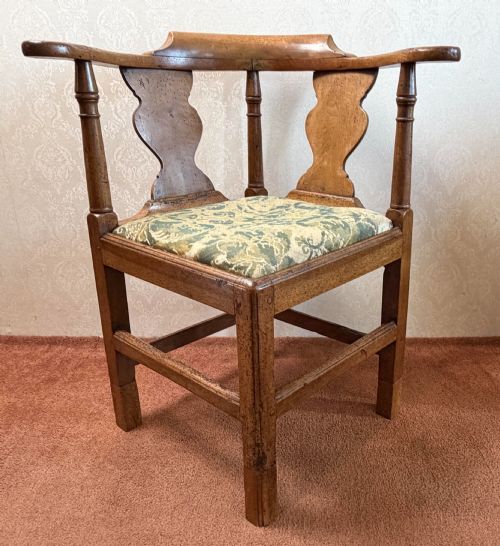
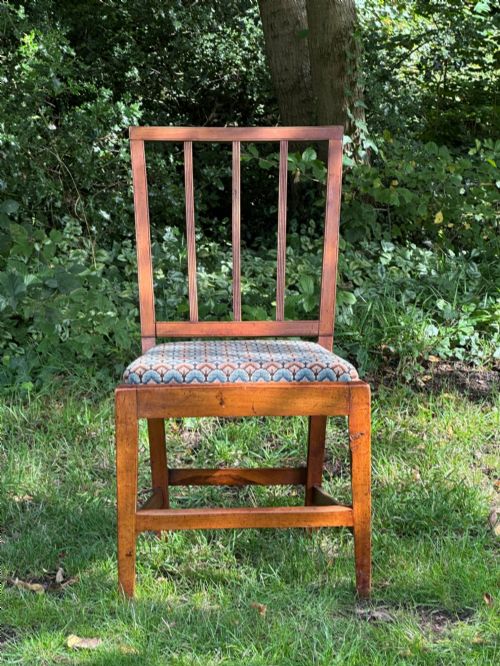
18th Century Wooden Chair
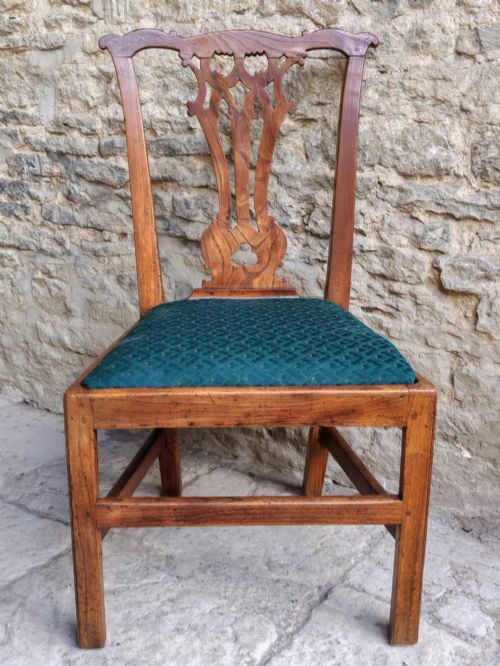
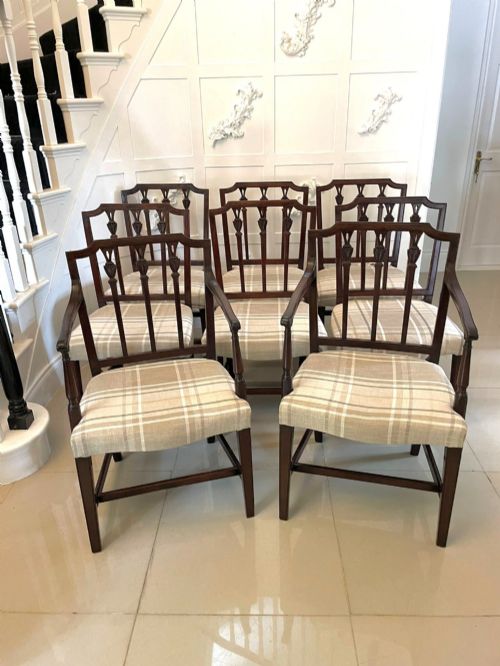
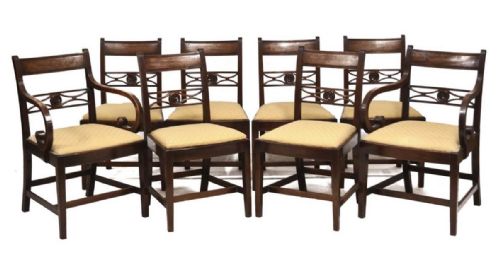
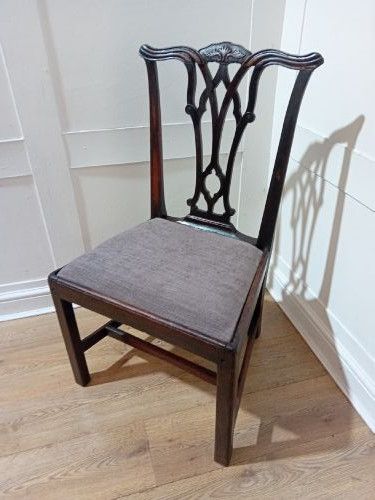
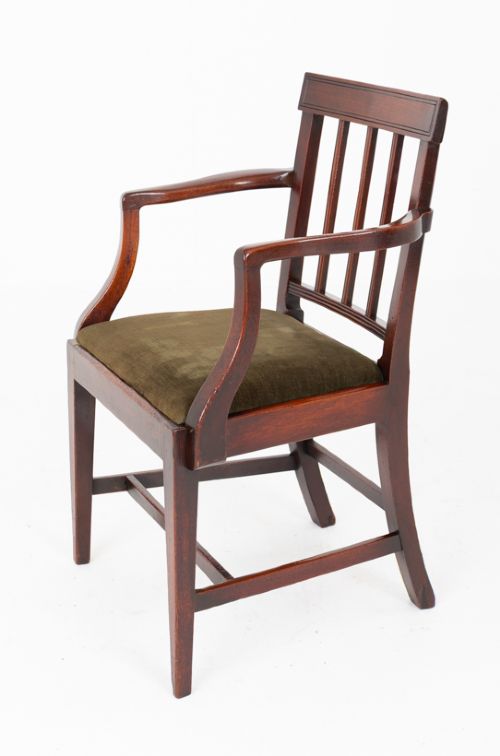
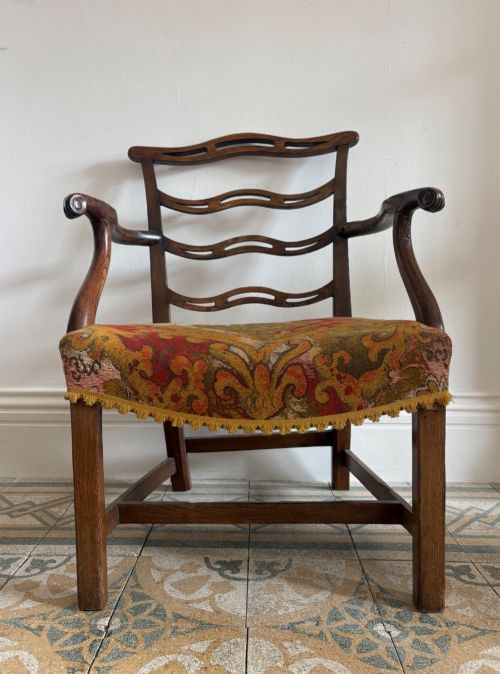
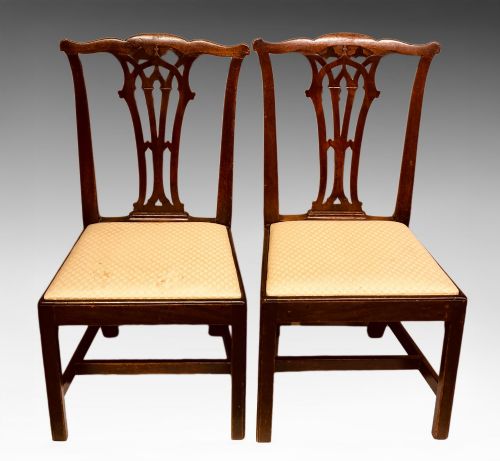
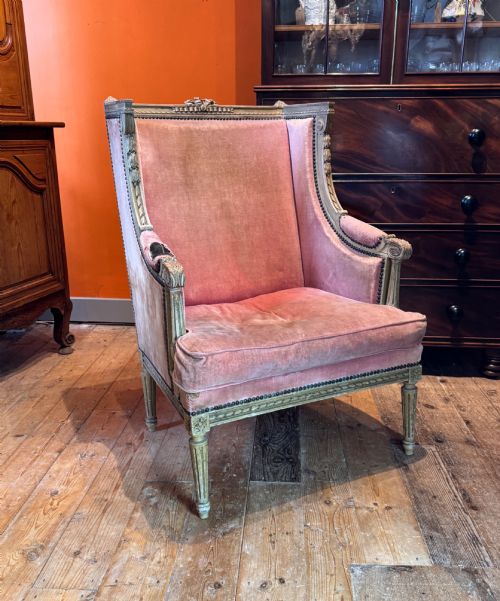
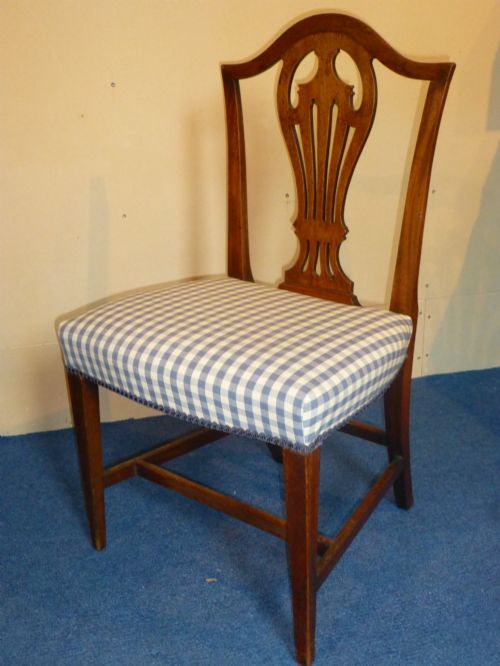
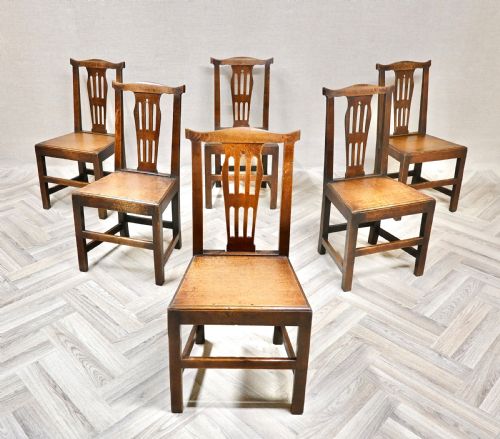
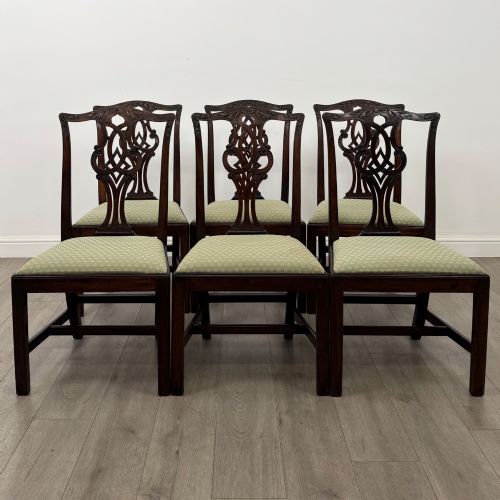
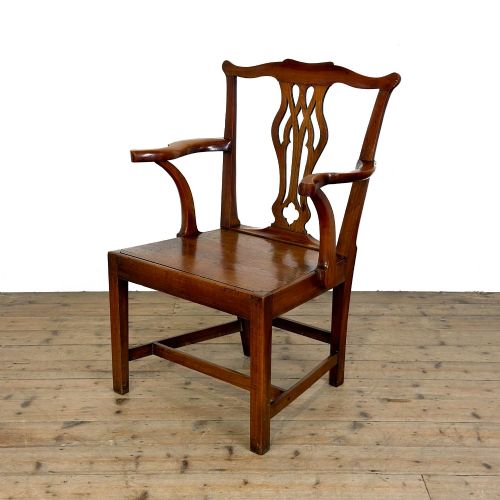
These 18th century wooden chair examples are sturdy country seats built from native timbers that bring warmth and genuine history to any room.

What these chairs are
How they were made
Cabinetmakers and rural joiners constructed each 18th century wooden chair using a mix of native hardwoods. Elm, ash, oak, beech, yew and fruitwood provide the structural integrity and varied grain patterns seen across the pieces.
Makers utilised traditional green woodworking techniques alongside joined construction, sometimes integrating iron fixings for extra strength. Comb backs, stick backs and armframes demonstrate resourceful provincial carpentry.
Retail Price Guide 2026
Typical UK retail prices for 18th century wooden chair, calculated from the Sellingantiques database of over a million retail prices indexed since 2003. This retail price guide relies exclusively on Sellingantiques data; no external sources or auction records are used, so the figures do not describe the wider market.
What varies in quality
Quality in an 18th century wooden chair rests on timber selection and the harmony of mixed woods within a single frame. Yew wood and well figured elm command attention for their rich colour and distinctive grain.
Construction complexity also separates standard seating from exceptional vernacular forms. Elaborate stick arrangements like comb backs and functional reclining mechanisms elevate certain pieces far above simple utilitarian stools.
The 18th Century Wooden Chair Glossary
- Stick back
- A chair construction method where turned spindles or plain sticks are inserted directly into a solid seat slab. This design provides lightweight yet rigid support.
- Comb back
- A Windsor chair variation where the top rail resembles the teeth of a comb. It offers an extended backrest for increased comfort.
- Vernacular
- Regional furniture made by local craftsmen for everyday use rather than following strict London court fashions. These pieces reflect local timber availability and practical needs.
- Lobster pot
- A descriptive term for a specific cage-like spindle arrangement on country armchairs. The curved uprights resemble traditional fishing traps.
Frequently Asked Questions
What woods were used for these chairs?
Makers built these seats using a variety of native British hardwoods found in local woodlands. Elm, ash, oak, beech, yew and fruitwood appear frequently across the pieces.
Craftsmen often combined multiple timbers in a single frame, using harder woods for structural legs and flexible woods for bent spindles.
Were these chairs made in cities?
Most examples originate from rural workshops and country houses rather than urban cabinetmakers' shops. Provincial joiners focused on utility and local materials.
This regional approach resulted in honest, unpretentious seating designed for daily domestic life.
How do I care for antique timber?
Keep wooden seating away from direct heat sources and sudden temperature shifts to prevent the timber from splitting. Regular dusting with a dry cloth maintains the surface.
Applying occasional natural wax helps nourish dry grain without building up heavy chemical layers.