
Elm Country Chair
When you search for an elm country chair, you meet domestic seating built for vernacular English interiors from the eighteenth century onwards.
Elm Country Chair
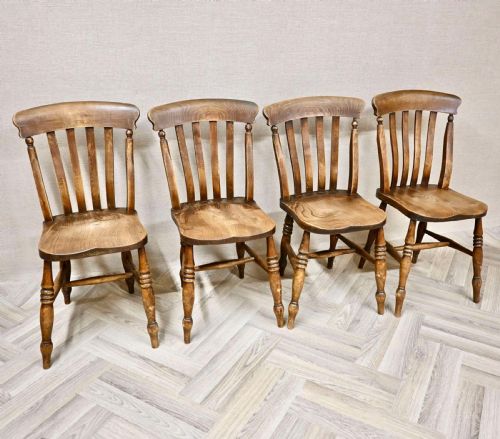
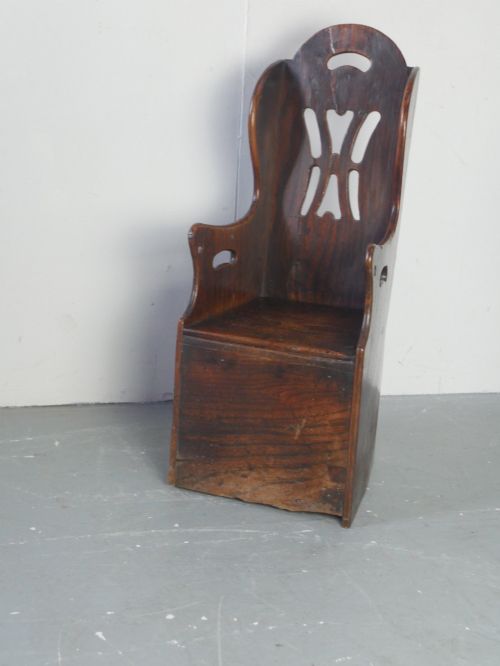
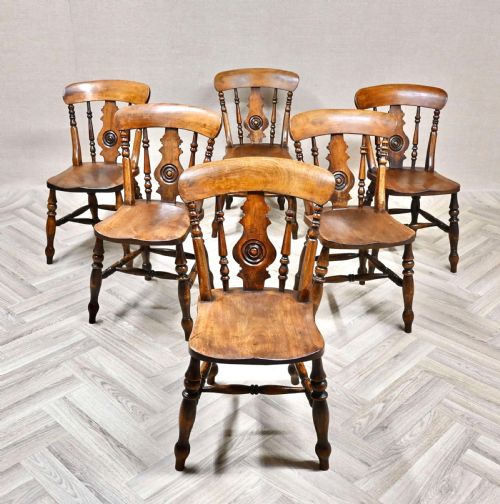
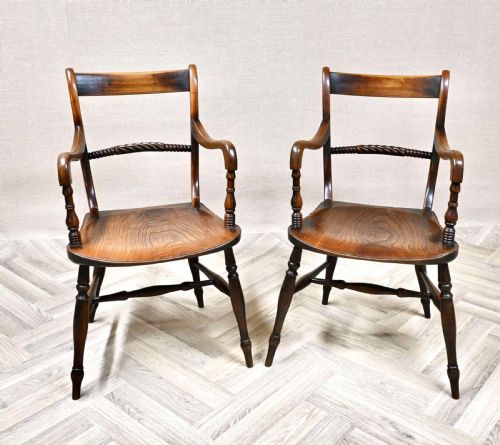
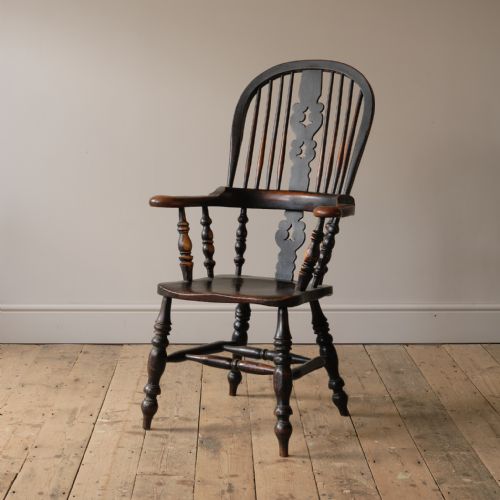
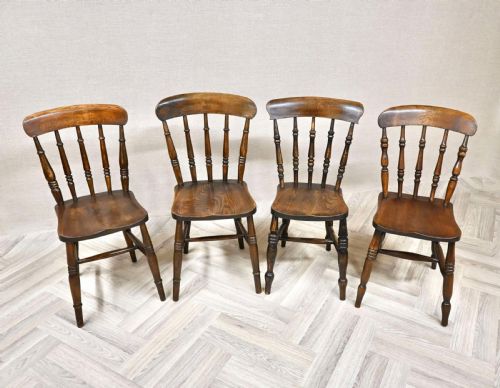
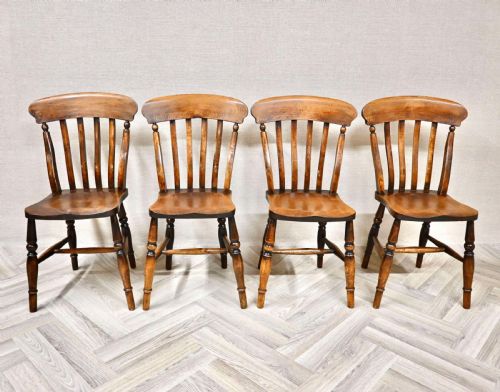
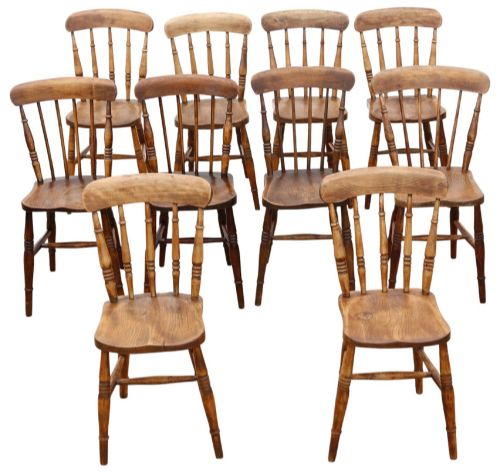
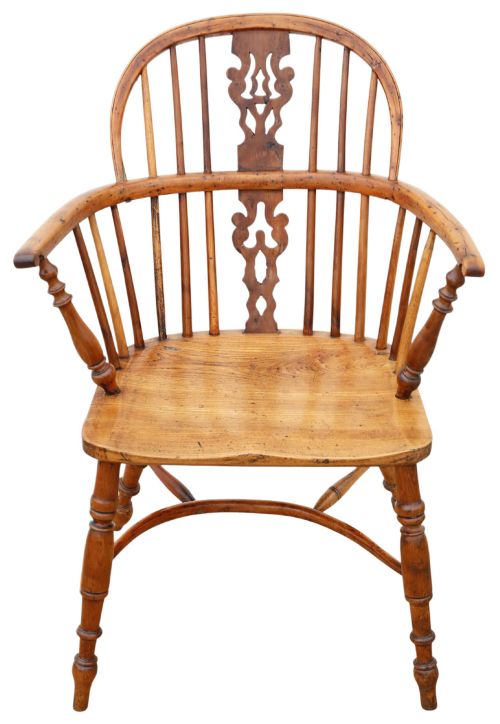
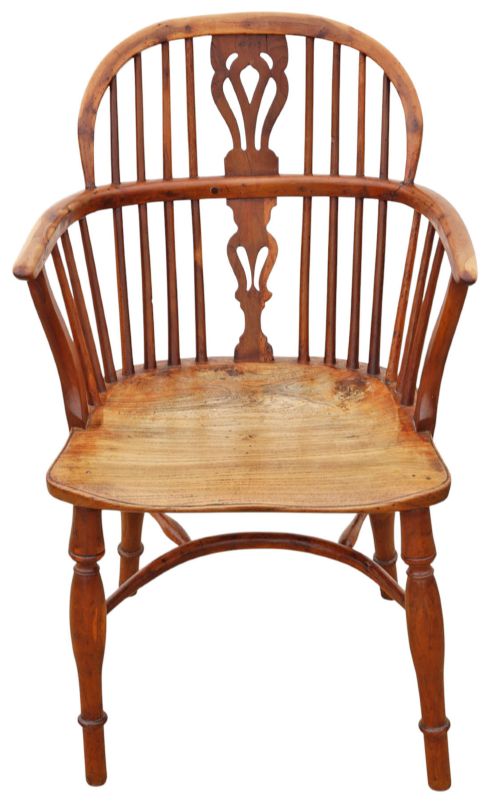
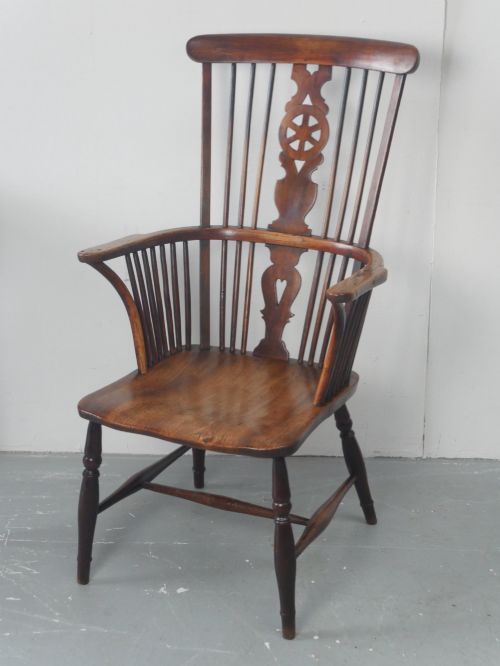
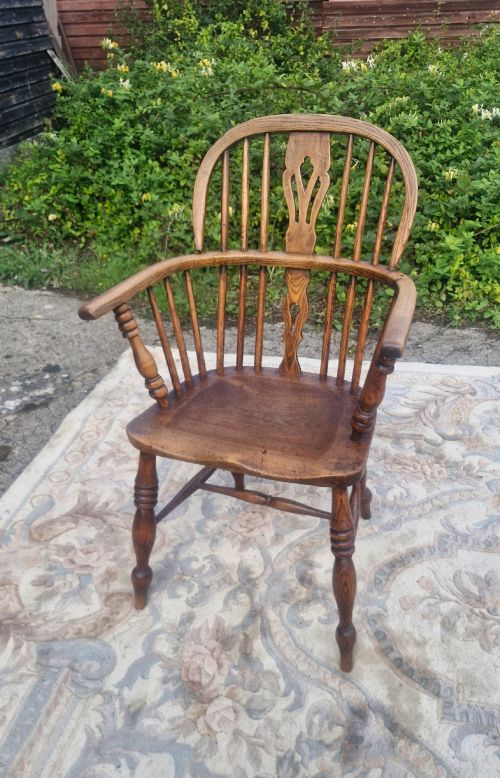
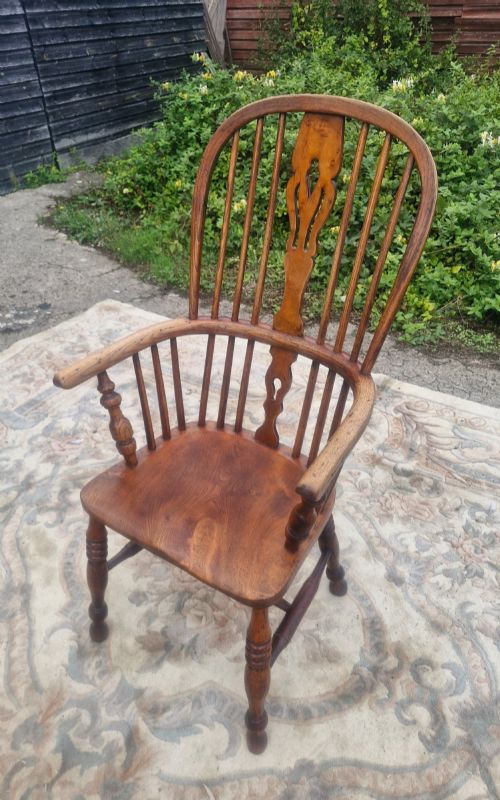
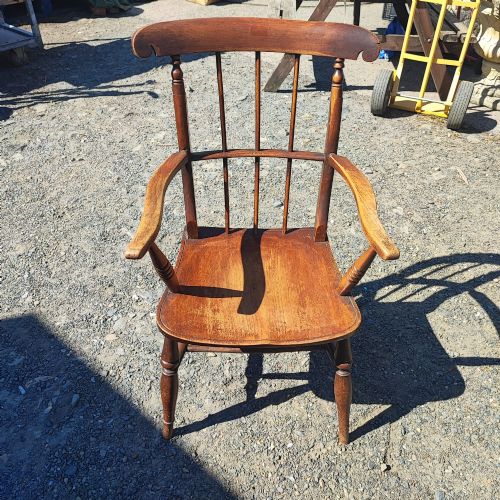
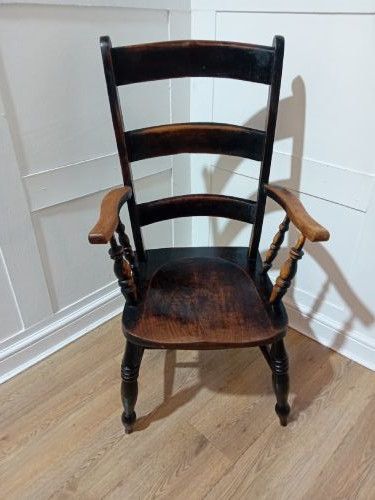
An elm country chair serves as a practical piece of domestic seating shaped by regional traditions rather than urban fashion, spanning the eighteenth, nineteenth and early twentieth centuries. You encounter forms ranging from Windsor armchairs and smoker's bows to ladderbacks, wheelbacks, and Lancashire rush-seat carvers.
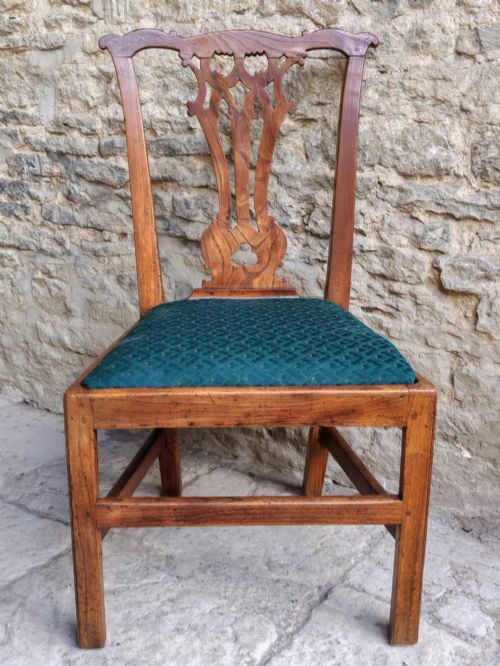
The majority of pieces you meet on this page originate from nineteenth-century Victorian farmhouse and kitchen environments, alongside earlier Georgian provincial examples. These chairs were produced in local workshops across regions such as the Thames Valley, Yorkshire, and the West Country.
Makers designed these items for everyday utility around farmhouse tables, desks, and hearths, resulting in varied configurations including children's chairs, benches, and large dining sets.
Materials and Construction Techniques
Constructing an elm country chair relied upon combining resilient native timbers, pairing a solid shaped elm seat with ash spindles, beech turnings, and occasional yew or oak components. Elm provided a tough, interlocking grain that resisted splitting when wedged with legs and spindles.
Green woodworking techniques allowed craftsmen to shape unseasoned timber using drawknives and shaves, letting the wood dry tightly around tenon joints. Regional makers reinforced these frameworks with crinoline stretchers, bow backs, and steam-bent rails to withstand heavy daily use.
Elm Country Chair Retail Price Guide 2026
Typical asking prices for elm country chair among the pieces listed under this phrase on Sellingantiques today, from the lower quarter to the upper quarter. They describe what is for sale here now, not the wider market.
Some nineteenth-century farmhouse chairs arrived with deliberately mismatched workshop repairs, proving families mended their favourite seats rather than discarding them.
Markers of Distinction in Provincial Seating
Quality in an elm country chair rests upon the harmony of its proportions, the depth of the seat dishing, and the clarity of the turner's spindle profiles. Superior examples exhibit a rich surface patina developed through generations of domestic use and original finish survival.
Construction integrity separates master regional output from standard utility seating, seen in tight joints, well-balanced arm scrolls, and the thoughtful selection of highly figured timber for prominent display surfaces.
The Elm Country Chair Glossary
- Windsor
- A chair built with a thick wooden seat into which the legs, back spindles, and bow are separately socketed. This method creates a sturdy vernacular form typical of English country production.
- Smoker's Bow
- A low-backed Windsor armchair featuring a continuous curved armrail supported by turned spindles above a low backrest. These pieces often served as comfortable tavern or desk seating.
- Crinoline Stretcher
- A curved metal or wooden brace connecting the legs of a Windsor chair beneath the seat. This reinforcement adds structural rigidity while preventing the legs from loosening over time.
- Patina
- The surface sheen and mellow tone acquired by aged timber through handling, polishing, and environmental exposure over centuries. It serves as a visual indicator of authenticity and age.
- Dish Seat
- A wooden seat base hand-carved with a shallow hollowed indentation for comfort. Makers shaped these slabs using adzes and scorps to fit the contours of the body.
Elm Country Chair: Frequently Asked Questions
What is a Windsor chair?
A Windsor chair is a distinct seating form constructed by inserting legs and back spindles directly into a thick, solid wooden seat rather than utilising a framed skeleton. This technique results in a sturdy, light structure that defined rural English seating for generations.
Makers bent ash or yew wood for the upper bows while relying on dense elm for the carved seat slab. You find these chairs in various configurations, including low backs, high backs, and armchairs designed for farmhouse kitchens.
How do I identify regional styles?
Regional styles appear through distinct turning patterns, timber combinations, and structural assembly methods unique to specific English counties. For instance, Thames Valley chairs often display refined wheelback designs, whereas West Country workshops produced robust comb-back and spindle-backed variants.
Examining the choice of secondary woods, such as beech or ash alongside the primary elm, helps localise where a piece was built. Carpenters utilised whatever native trees grew abundantly in their immediate landscape.
Where were these chairs used?
These chairs functioned as versatile utility seating throughout rural homesteads, country houses, and provincial public spaces. They gathered around farmhouse dining tables, served at writing desks, and sat beside hearths for daily domestic life.
Because they were built for hard service rather than formal display, you discover them in kitchens, halls, and nurseries. Their robust construction allowed them to endure continuous movement between rooms and heavy household routines.
How do I care for antique elm?
Caring for antique elm requires maintaining stable indoor humidity levels and keeping wooden surfaces away from direct heat sources. Sudden temperature shifts cause historic timber to dry out, warp, or split along the grain.
Apply a microcrystalline wax sparingly to nourish the original finish and protect the patina without trapping moisture. Regular dusting with a soft, dry cloth preserves the historical surface sheen safely.