

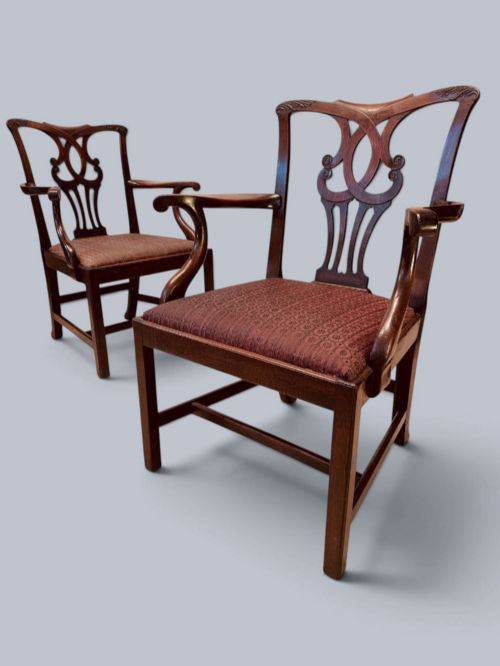
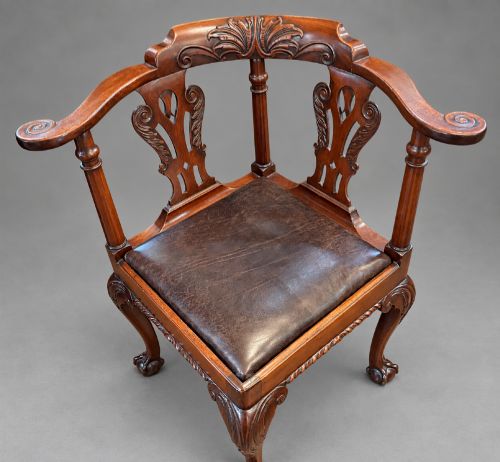
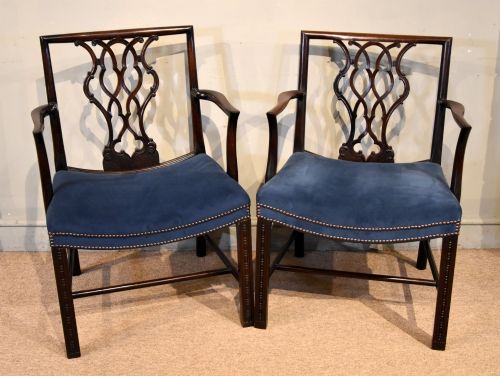
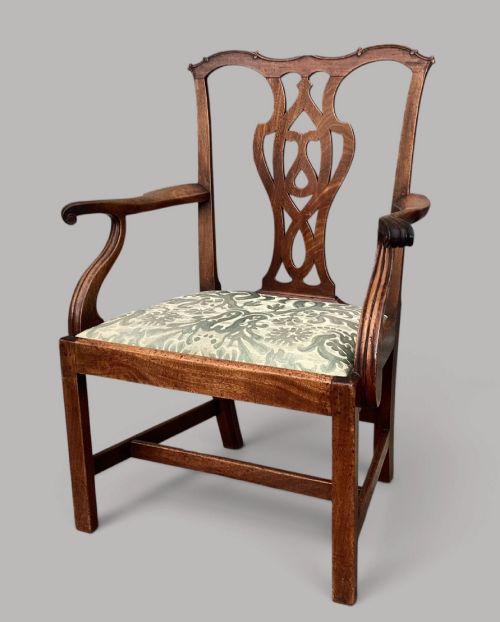
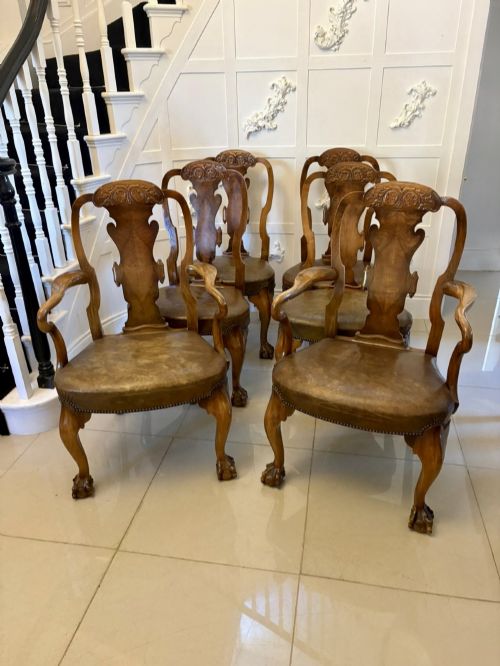
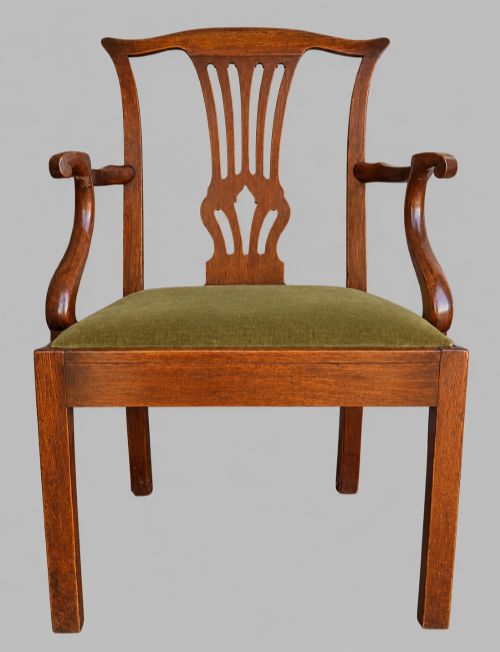
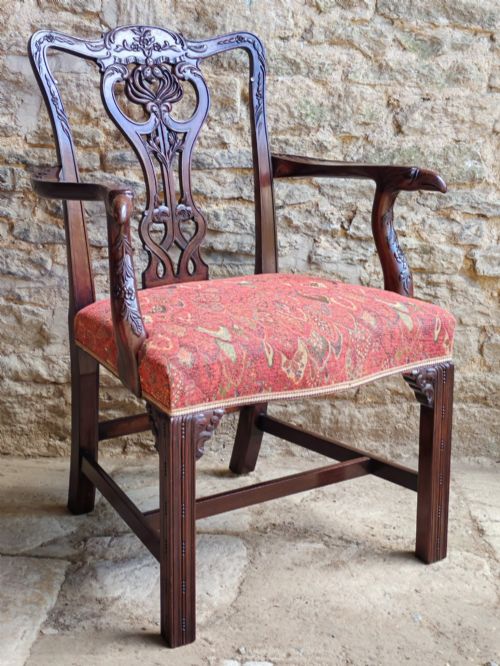
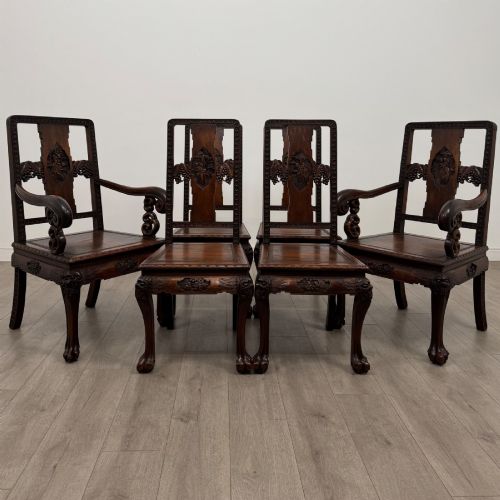
Carved Splat Armchair
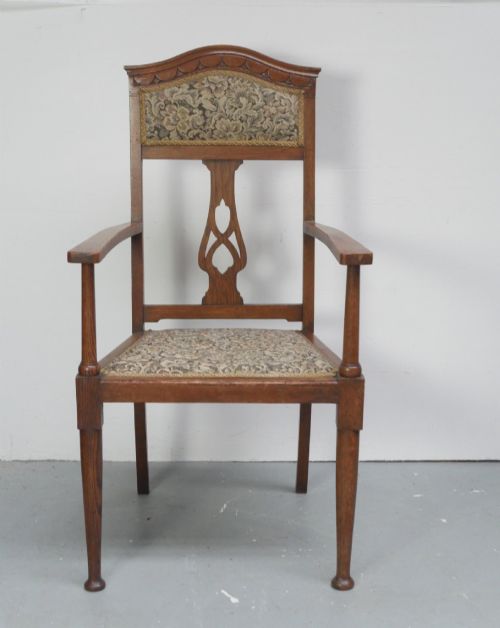
A carved splat armchair brings sculptural timberwork and lumbar support together, making it a focal point in any room.
Carved Splat Armchair
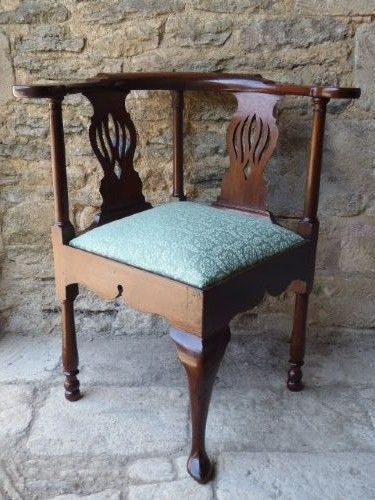
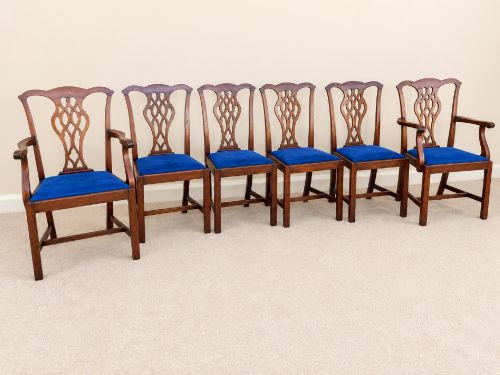
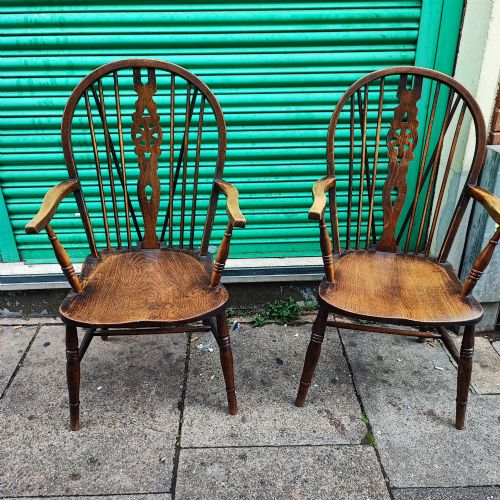
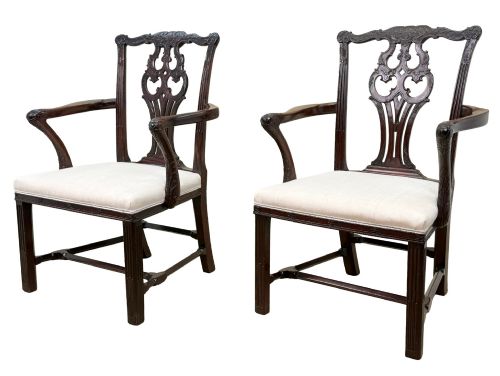
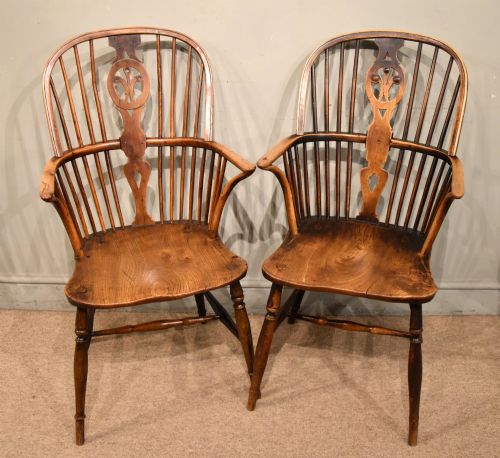
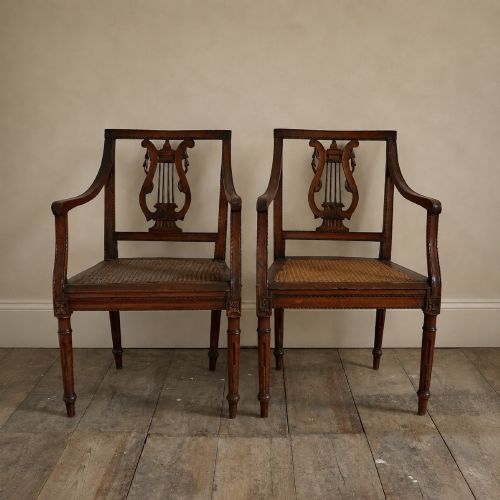
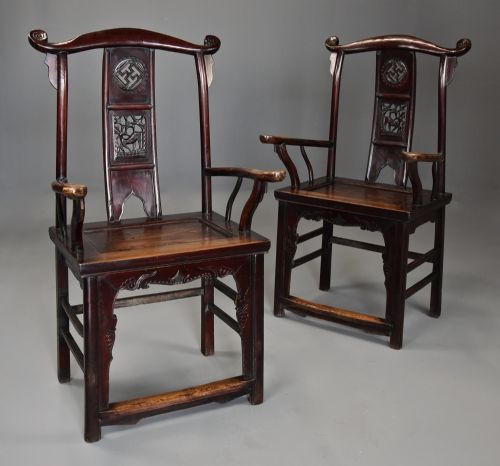
Buyers encounter various forms on this page, including single carver chairs, dining sets, desk chairs, and library armchairs. English Georgian models and Chippendale revivals sit alongside country Windsor armchairs and traditional Chinese hardwood yoke-back designs.
Materials and construction methods
Cabinet makers utilised dense hardwoods such as mahogany and walnut for formal eighteenth-century and revival pieces, allowing crisp hand-carving along the splat and frame. Regional makers turned to elm, ash, yew, and fruitwood for country Windsor chairs, bending green timber for the bow arms and spindles.
Joinery techniques relied heavily on mortise and tenon joints to secure the upright splat into the crest rail and seat. Drop-in seats or cane panels were upholstered or woven separately, whilst specific examples featured original red lacquer or polished patinated timber surfaces.
Carved Splat Armchair Retail Price Guide 2026
Typical asking prices for carved splat armchair among the pieces listed under this phrase on Sellingantiques today, from the lower quarter to the upper quarter. They describe what is for sale here now, not the wider market.
Some provincial Windsor chairs incorporate up to four different woods - yew, elm, fruitwood, and laburnum - in a single rustic seat.
Distinguishing quality in craftsmanship
The standard of a carved splat armchair rests on the depth and crispness of the hand-carving on the back splat and the choice of timber figure. Superior examples display harmonious proportions, substantial timber thickness in the arms and legs, and a rich, undisturbed patina acquired over centuries of use.
Maker attribution and period integrity further separate standard production from exceptional pieces. Chairs retaining their original finish, unthinned timber components, and tightly integrated structural joinery command greater appreciation among collectors.
Warings·Howard and Sons
The Carved Splat Armchair Glossary
- Splat
- The vertical wooden strip running up the centre of a chair back, often pierced and carved in various regional or revival styles.
- Carver
- A traditional term for an armchair, frequently used alongside dining chairs to denote the single seat with armrests placed at the head of a table.
- Yoke-back
- A distinctive chair back design featuring a curved top rail resembling an ox yoke, common in traditional Chinese seating.
- Patina
- The deep, lustrous surface sheen developed on aged wood through decades of handling, waxing, and exposure to light.
- Windsor
- A traditional chair construction method where turned legs and spindles are wedged directly into a solid sculpted wooden seat.
Carved Splat Armchair: Frequently Asked Questions
What is a carved splat armchair?
A carved splat armchair is a seating piece featuring a shaped vertical wooden slat in the backrest adorned with decorative carving. These chairs range from formal Georgian dining carvers to country Windsor seating.
Cabinet makers shaped these central splats from timbers like mahogany, walnut, and oak to provide ergonomic back support while showcasing ornamental woodworking skills.
How do I identify a Chippendale style chair?
Chippendale style chairs typically feature intricate pierced splats, often incorporating ribbon, interlaced, or Gothic tracery patterns. The top rail frequently curves into Cupid bow shapes.
Original eighteenth-century pieces display hand-carved detailing and dense mahogany timber, whilst nineteenth-century revivals often utilise similar proportions and ball and claw feet.
Where should I place a carver chair?
Carver chairs function effectively as desk chairs, library seating, or accent pieces in a hallway or bedroom. Their sturdy arms provide additional comfort for reading or writing.
In a dining setting, they traditionally sit at the head and foot of a table, paired with matching side chairs to create a balanced arrangement.
How do I care for antique timber chairs?
Maintain antique wooden chairs by keeping them away from direct heat sources and dramatic humidity changes to prevent timber splitting. Regular dusting with a dry lint-free cloth preserves the surface.
Apply quality beeswax sparingly to nourish the wood and maintain the natural patina without building up excessive residue on the carved details.