
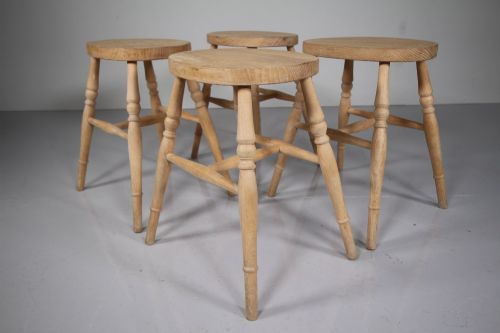
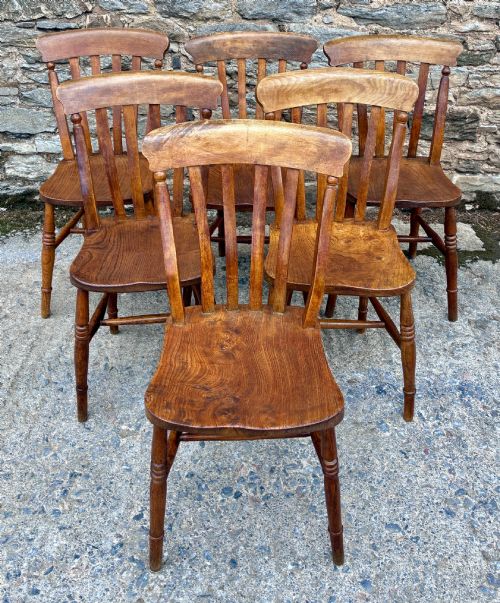
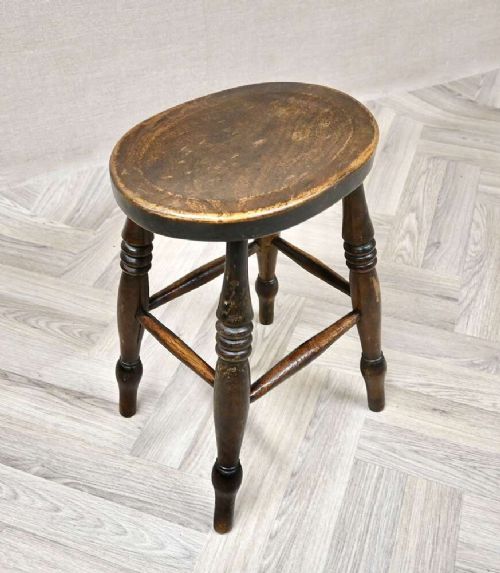
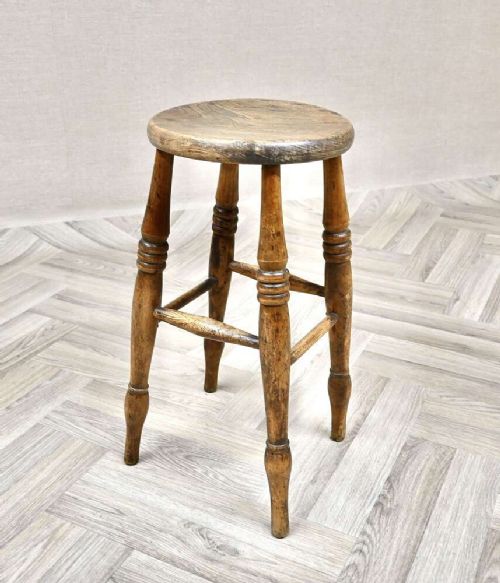
Rustic Wooden Seat
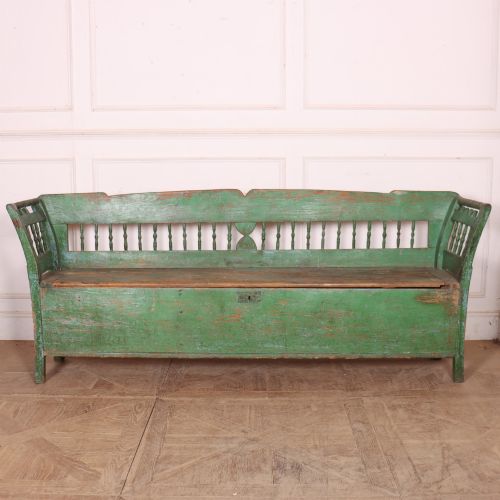
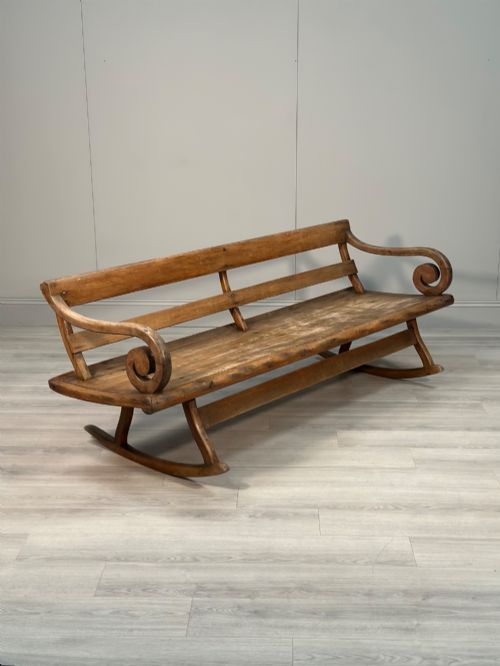
A rustic wooden seat brings honest utility and enduring grain into a room, offering everything from humble tavern stools to sturdy oak settles.
Rustic Wooden Seat
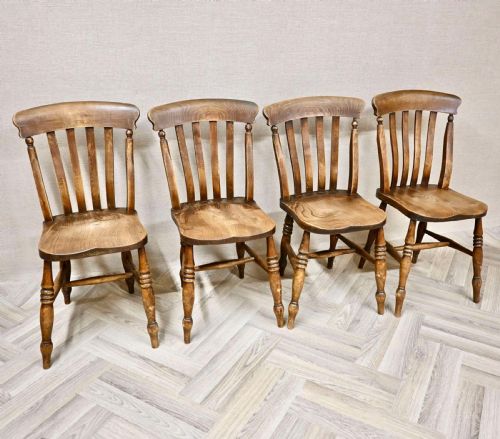
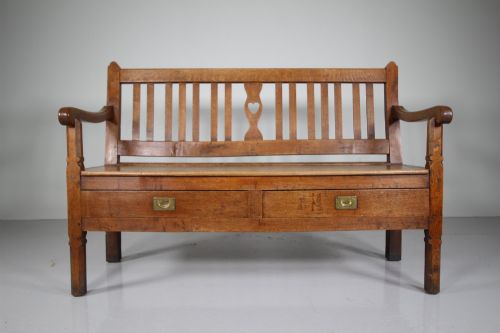
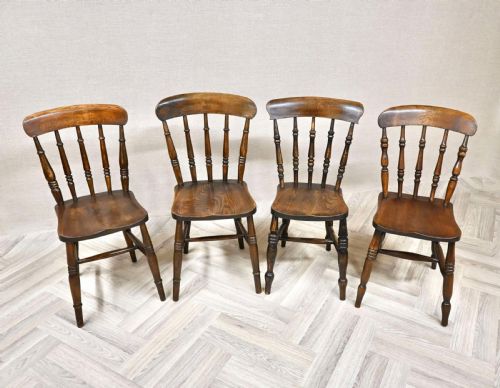
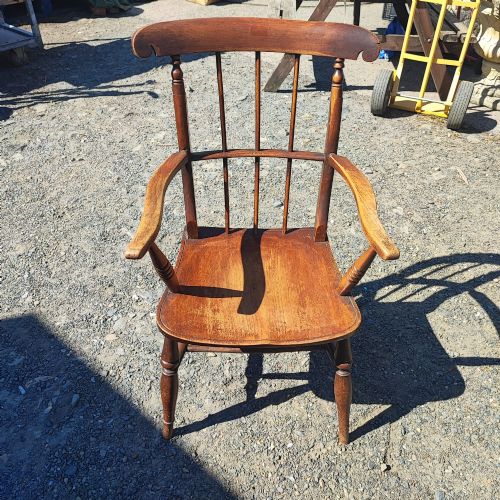
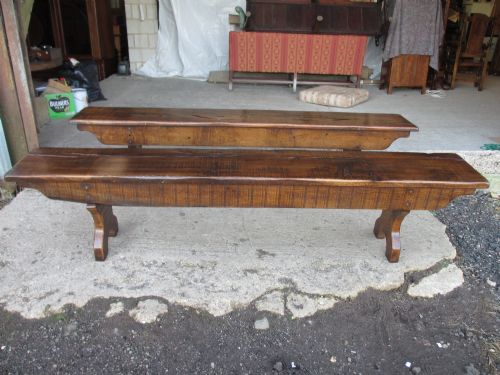
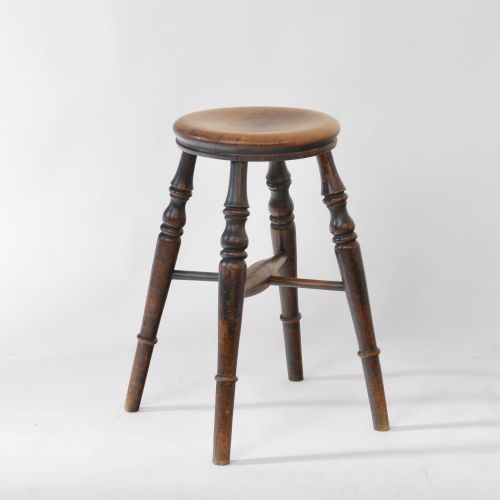
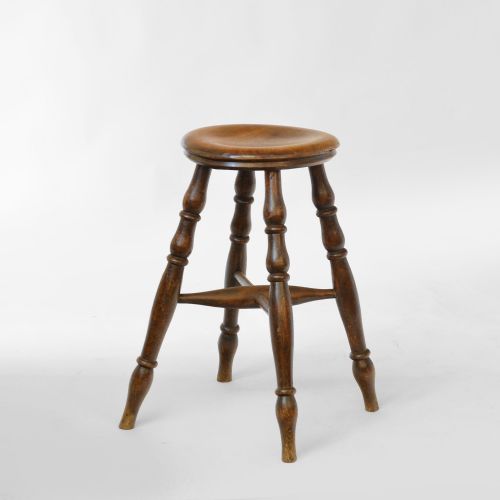
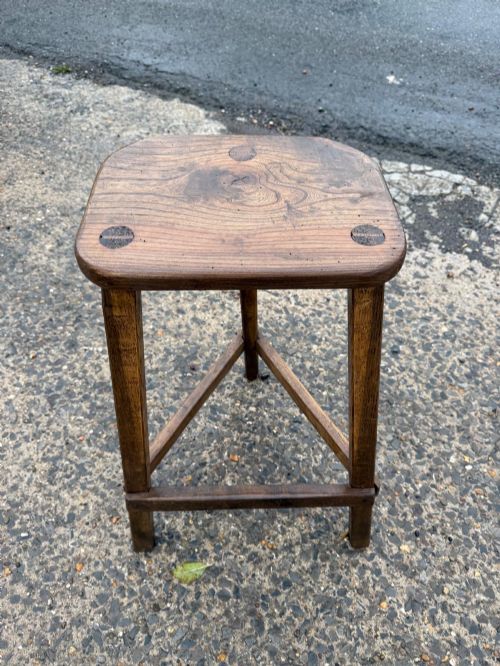
A rustic wooden seat encompasses a wide variety of practical household furniture shaped by regional makers across the eighteenth, nineteenth, and early twentieth centuries. When searching for a rustic wooden seat, buyers encounter robust forms built for everyday use, including Windsor chairs, joint stools, long tavern benches, and high-backed settles.
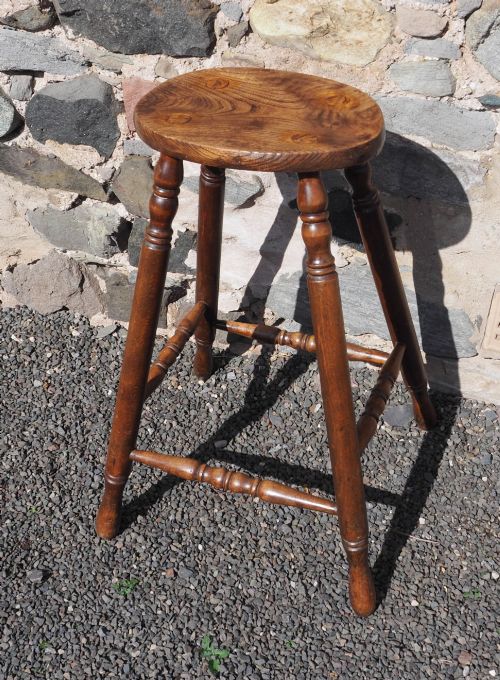
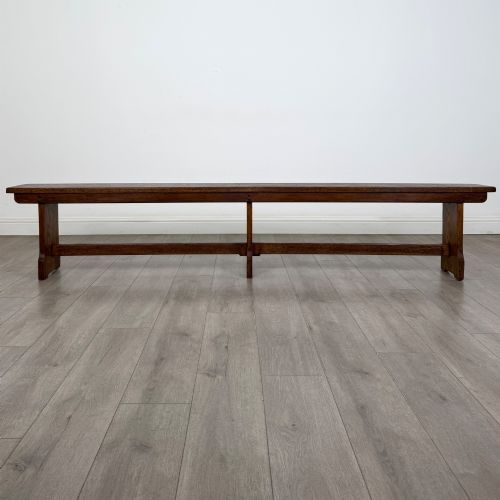
The inventory on this page spans distinct domestic categories such as kitchen dining chairs, hallway benches, clerk and bar stools, and garden seating. These items reflect the vernacular traditions of English, Welsh, Austrian, and Spanish rural life, utilising locally sourced timber and straightforward construction methods.
Pieces range from simple stick-back child armchairs and oval-seated tavern stools to heavy oak refectory benches and carved box settles. Each object serves as a direct link to historical domestic routines, shaped by the practical demands of farmhouses, public houses, and workshops.
How they were made
Construction relies heavily on native hardwoods such as oak, elm, beech, ash, and pine, selected for their strength and availability. Elm often provides stable, split-resistant timber for seats, while ash and beech supply flexible spindles and legs for Windsor chairs and stick-back armchairs.
Joinery methods prioritize mechanical stability through traditional techniques like mortise and tenon joints, dovetails, and wedged legs inserted directly into solid wood seats. Surface finishes are typically kept minimal, allowing the natural grain, weathered patination, and hand-carved details of the wood to remain prominent.
Rustic Wooden Seat Retail Price Guide 2026
Typical asking prices for rustic wooden seat among the pieces listed under this phrase on Sellingantiques today, from the lower quarter to the upper quarter. They describe what is for sale here now, not the wider market.
Listings feature pieces spanning the eighteenth, nineteenth, and early twentieth centuries, constructed from elm, oak, ash, beech, and pine.
What varies in quality
Quality in these pieces depends upon the integrity of the timber selection and the retention of original surfaces rather than excessive ornamentation. Examples featuring uncompromised structural frames, well-figured elm seats, and honest patination achieved through decades of use command greater appreciation.
The sophistication of the turning in Windsor spindles, the depth of hand-carving on settle panels, and the balance of proportions separate utilitarian workshop items from finer regional vernacular commissions. Alterations, replaced stretchers, or stripped finishes diminish the historical continuity of the piece.
Philip Clissett
The Rustic Wooden Seat Glossary
- Settle
- A wooden bench with a high back, solid arms, and often a storage box beneath the seat, designed to block draughts in traditional interiors.
- Windsor chair
- A chair built with a solid wooden seat into which the legs and back spindles are separately inserted, often featuring a bentwood bow.
- Joint stool
- A sturdy, mortise-and-tenon framed wooden stool constructed by a joiner using pegged joints rather than turned legs.
- Rush
- Dried marsh grass twisted into cords and woven to form flexible, supportive seats for chairs and stools.
- Vernacular furniture
- Domestic objects made by local tradesmen or country cabinetmakers using regional styles and materials, distinct from urban high-style design.
Rustic Wooden Seat: Frequently Asked Questions
What is a rustic wooden seat?
A rustic wooden seat is a traditional item of practical furniture, such as a bench, stool, or Windsor chair, shaped from solid timber by country makers.
These pieces were made for everyday use in farmhouses, taverns, and cottages, utilising native woods like oak, elm, and ash.
How do I care for old wood?
Maintain old wood by keeping it away from direct heat sources and sudden humidity changes that can cause the timber to split.
Apply traditional beeswaxes sparingly to nourish the surface and preserve the historic patina without sealing the grain.
How old is my wooden bench?
Dating relies on examining construction marks, tool traces, timber shrinkage, and the style of the joinery and feet.
Many examples span the eighteenth and nineteenth centuries, displaying hand-worked surfaces and vernacular design traits typical of those periods.
Where were these seats used?
These seats were originally placed in kitchens, halls, public house taprooms, and gardens to serve practical communal or working needs.
Today, buyers use them in modern interiors to add texture, historical character, and honest seating to hallways and dining spaces.