




Antique Beech Stool
An antique beech stool brings honest utility and quiet warmth to a room, valued for its sturdy grain and enduring vernacular forms.
Antique Beech Stool
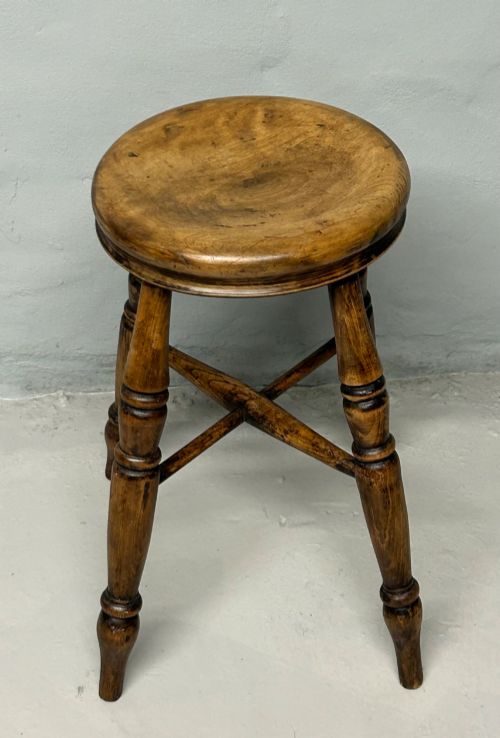
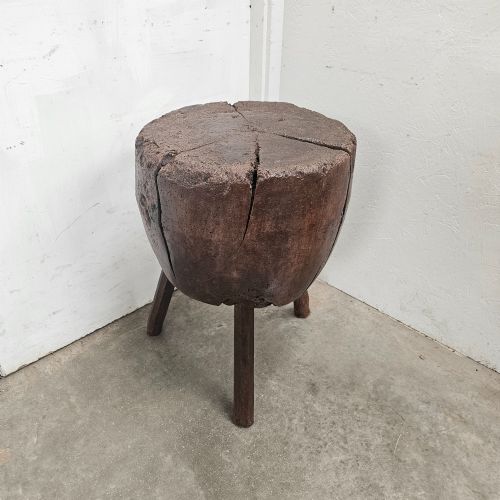
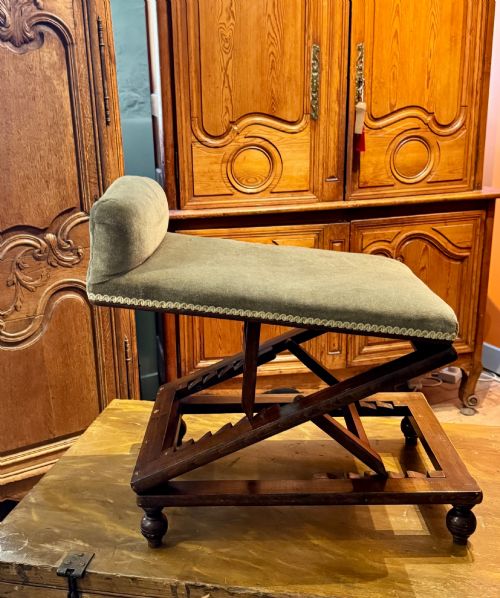
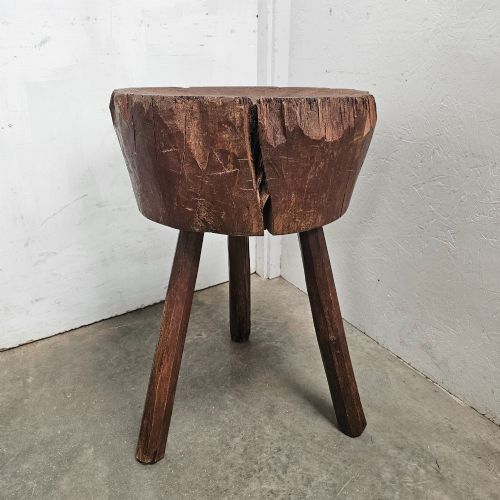
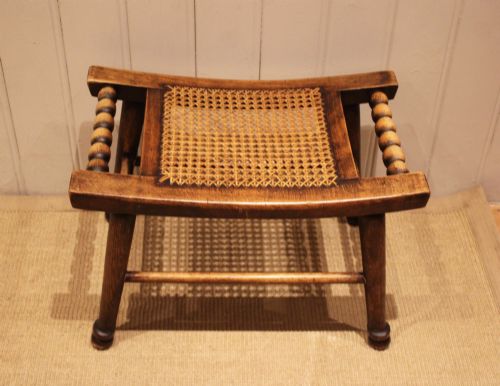
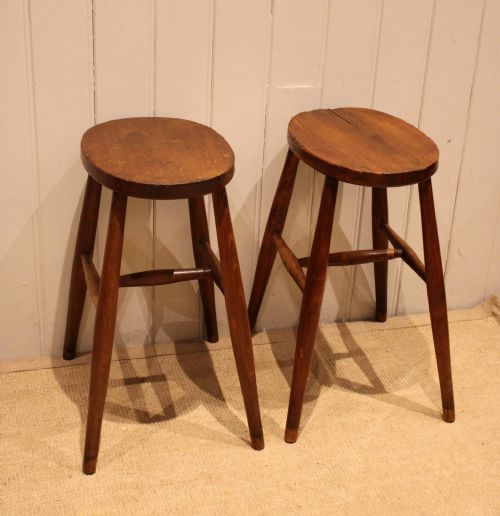
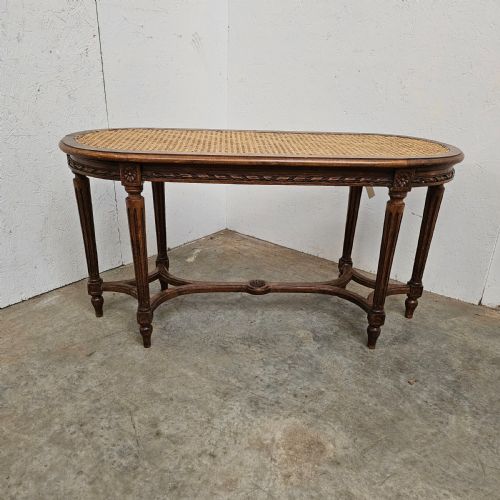
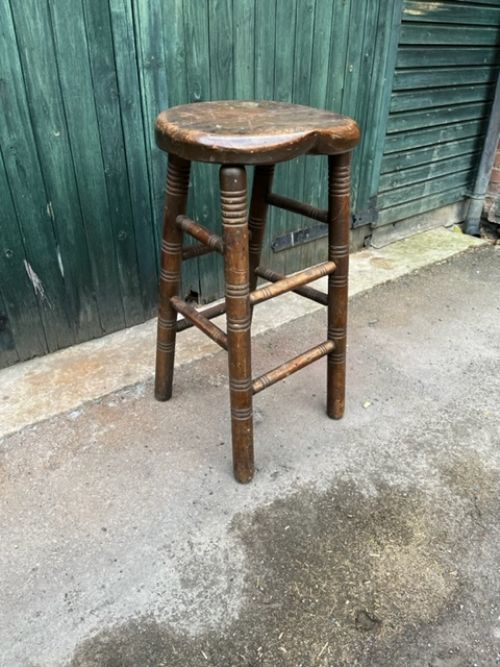
When you search for an antique beech stool, you encounter a surprisingly varied group of seating, from country vernacular three-leg milkers to tall laboratory and bar chairs. The specimens on this page span the nineteenth century and the early decades of the twentieth, reflecting both domestic rural use and commercial workshop production. You will find low footstools, adjustable gout stools, and turned cane-seat designs ready for everyday placement.
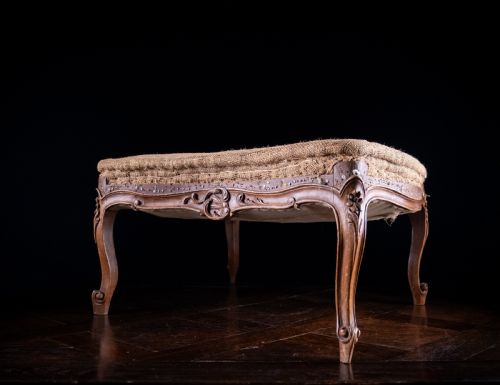
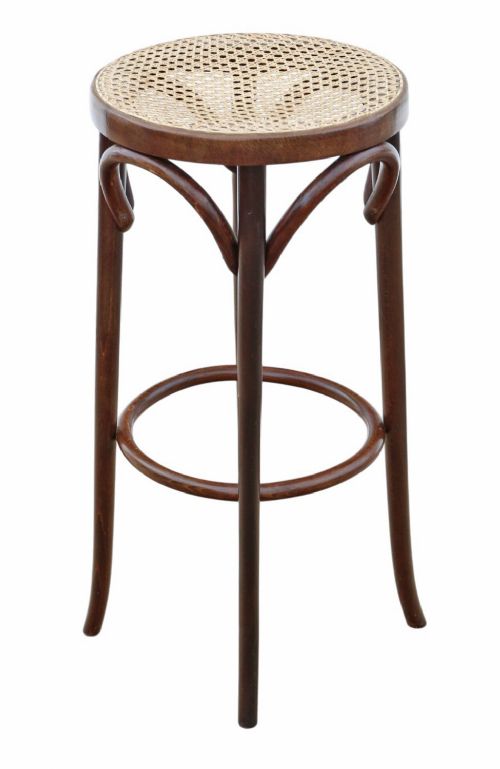
Many pieces display regional country characteristics, often combining beech frames with elm seats or ash components. Other examples follow continental tastes, drawing on French Louis styles or the clean-lined bentwood output of major European makers. This mix ensures that a stool can serve as an occasional seat, a bedside perch, or a display surface.
Materials and construction
Makers relied heavily on solid beech for its dense, dependable turning qualities, frequently pairing it with elm or ash for seats that required greater tensile strength. Frames were constructed using traditional joinery, including pegged mortise and tenon joints and neatly turned legs secured into shaped timber tops. Steam-bending techniques also emerged in later decades, allowing workshops to form graceful curved components without sacrificing structural integrity.
Upholstery and secondary materials completed the pieces, ranging from woven cane and rush to simple hessian, jute, and velvet coverings. Some examples incorporate clever mechanical adjustments, utilising wooden screws or metal hardware to alter height and angle for gout and foot support.
Listings feature beech combined with elm, ash, cane, velvet, hessian, and jute across nineteenth and early twentieth-century periods.
Assessing quality and character
Quality in these pieces rests primarily on the integrity of the timber and the crispness of the turning. Superior examples display well-figured grain, tight joints that have remained stable over generations, and minimal timber replacement.
Brown and Lamont·Thonet
The Antique Beech Stool Glossary
- Bentwood
- Wood shaped by steaming and bending into curved forms. This technique allowed makers to create lightweight yet durable frames.
- Gout stool
- An adjustable footrest designed to elevate and angle the leg. These often feature mechanical screws and upholstered pads.
- Bergere
- A type of woven cane panel work used for seats and backs. It provides flexible support while maintaining a light visual profile.
- Pokerwork
- A decorative technique using heated tools to burn designs into wood. It appears on Victorian stool tops for botanical or geometric ornamentation.
Antique Beech Stool: Frequently Asked Questions
How do I use an antique beech stool today?
These pieces fit easily into modern rooms as low side tables, extra seating, or footrests by an armchair. Their modest scale means they can move from room to room without crowding a space.
Sturdier workshop and bar examples also work well at kitchen islands or studio desks, where their height and simple timber lines provide practical service.
How do I care for cane seats?
Cane requires occasional moisture to keep the natural fibres supple and prevent snapping. Wipe the woven panels gently with a damp cloth every few months.
Keep these stools away from direct heat sources and radiators, which can dry out the cane and cause the organic material to become brittle.
Are nineteenth-century stools different from 1920s examples?
Nineteenth-century pieces tend to show heavier hand-turning, country vernacular influences, and traditional pegged joinery. Elm and beech combinations are common in these earlier domestic and rural designs.
By the 1920s, manufacturing shifted toward lighter industrial forms, bentwood techniques, and specialised laboratory or bar seating produced in greater volume.
How can I tell a country stool from a workshop piece?
Country pieces usually display simpler, heavier construction with visible tool marks and regional timber pairings like beech and ash. They were made for local utility rather than strict standardisation.
Workshop or branded items exhibit precise machine turning, uniform components, and sometimes maker stamps that indicate organised production.