
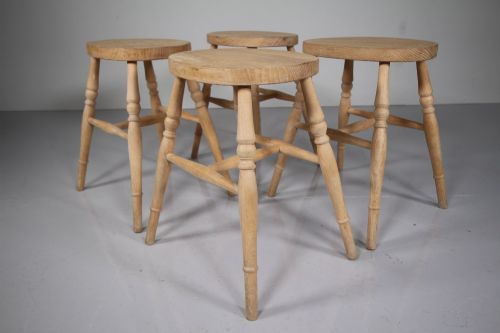
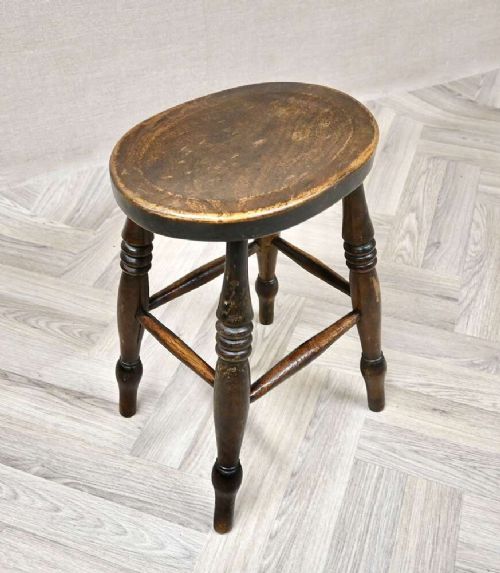
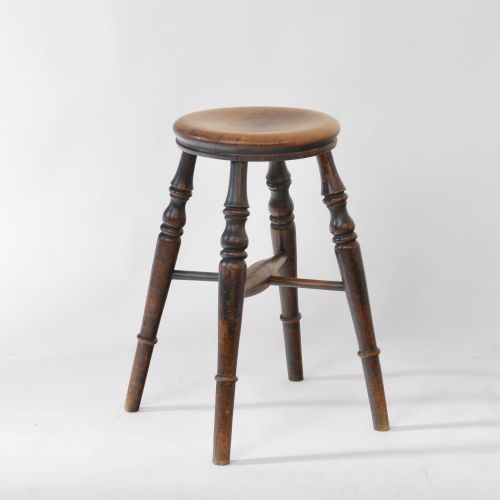
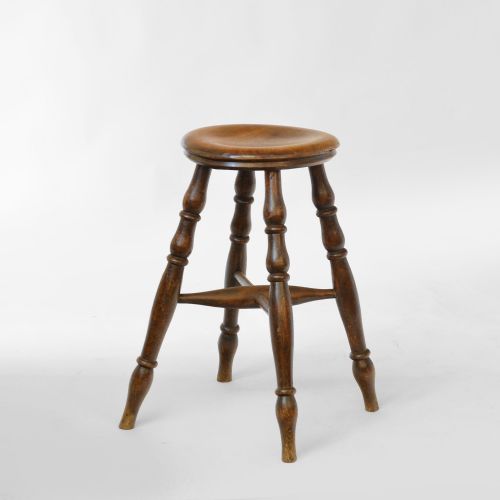

Traditional Country Stool
A traditional country stool brings honest, functional craftsmanship into a room, shaped from solid woods like oak, elm, and sycamore.
Traditional Country Stool
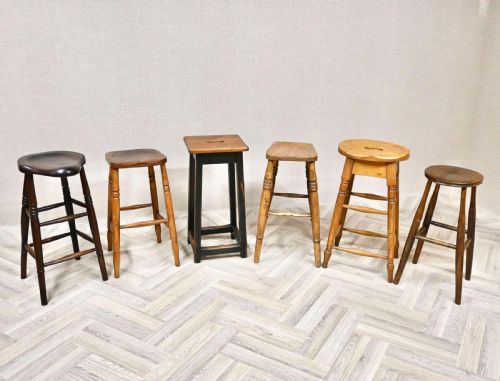
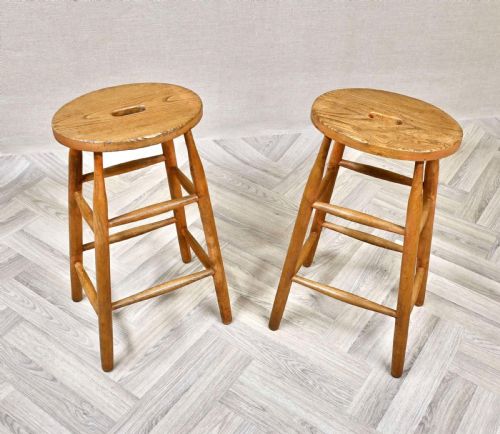
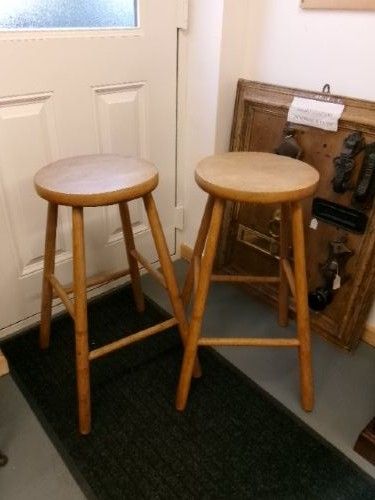
A traditional country stool serves practical domestic or tavern needs, ranging from low milking designs to tall bar variants. These pieces span centuries of rural life, utilising straightforward forms intended for daily utility.
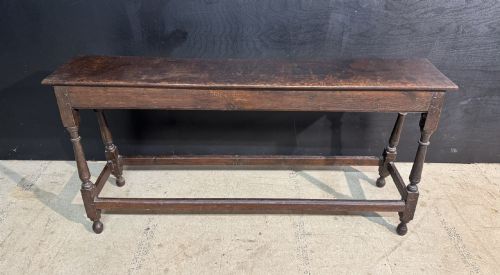
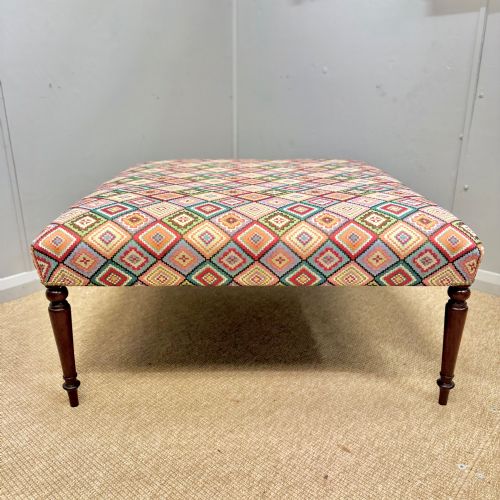
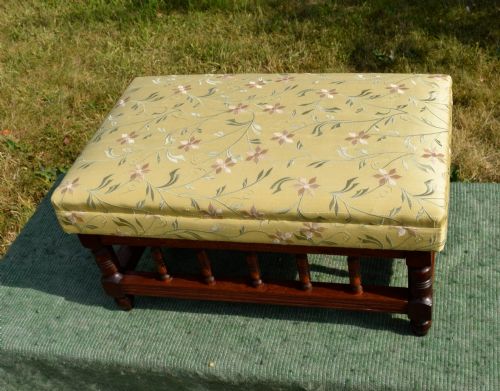
Alongside simple vernacular seats, buyers find joint stools and upholstered footstools reflecting styles from Georgian simplicity to Edwardian domesticity. Each variant shows the utilitarian roots of rural furniture.
How they were made
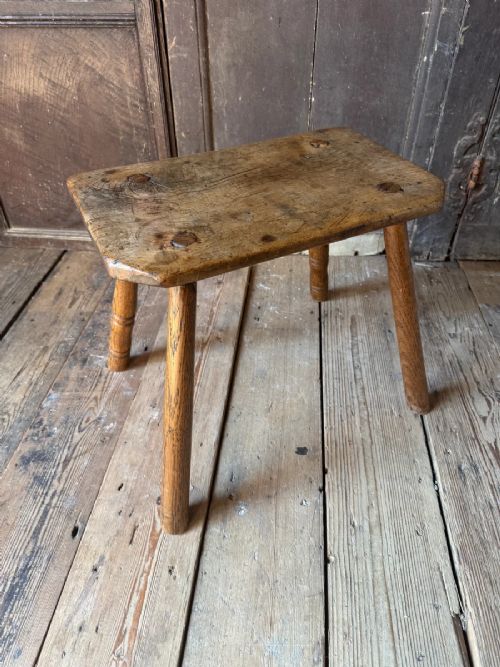
These stools rely heavily on solid native hardwoods such as oak, beech, elm, and ash, often combined within a single piece. Joinery methods include pegged construction and turned legs fitted directly into thick timber seats.
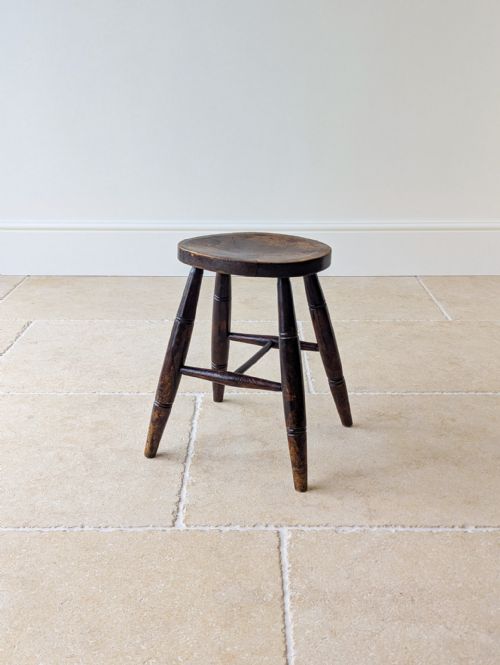
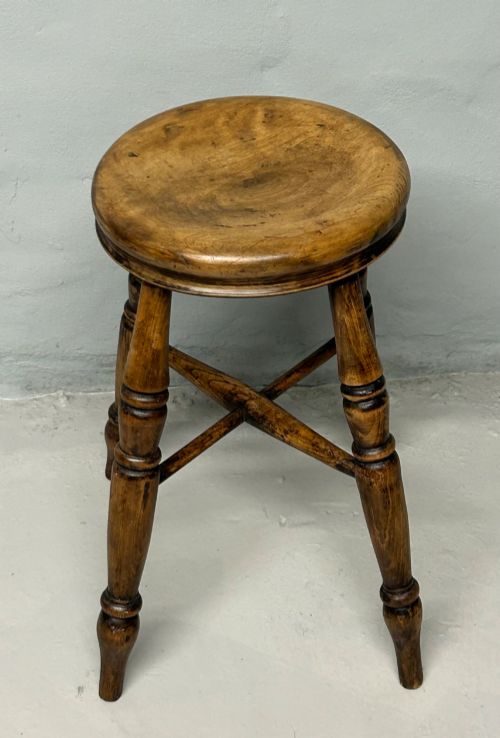
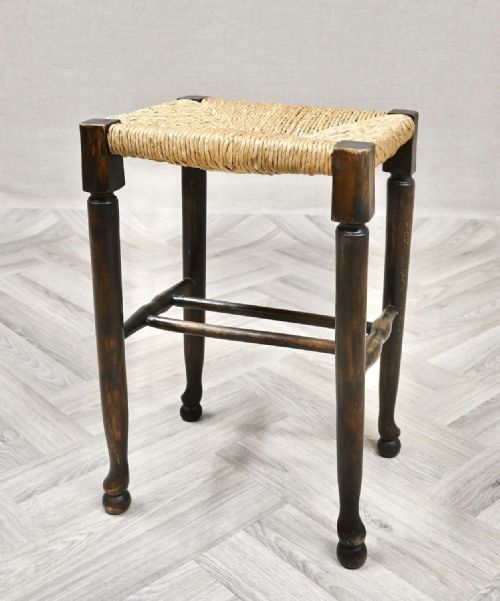
Makers shaped seats using adzes or turning lathes to create dished or oval surfaces, while rush seating appears on specific ladderback and tall variants. Brass and leather sometimes augment the primary wood and rush materials.
Traditional Country Stool Retail Price Guide 2026
Typical asking prices for traditional country stool among the pieces listed under this phrase on Sellingantiques today, from the lower quarter to the upper quarter. They describe what is for sale here now, not the wider market.
An unusual one-leg milking stool proves that rural makers were willing to test the absolute limits of balance.
What varies in quality
Quality rests in the integrity of the timber and the honesty of the construction, such as tight pegging and clean turning. Heavier oak joint stools and early vernacular pieces show greater structural ambition than later utilitarian workshop output.
Surface finish and patina distinguish superior examples, with original paint, untouched waxed grain, and minimal restoration holding more character than heavily sanded or replaced components.
Howard and Sons
The Traditional Country Stool Glossary
- Joint stool
- A solid wooden stool built with pegged mortise and tenon joints rather than turned legs driven into a seat. These sturdy pieces date back to the seventeenth and eighteenth centuries.
- Dished top
- A wooden seat scooped or hollowed out into a shallow concave shape for comfort. This technique appears frequently on nineteenth-century vernacular and tavern stools.
- Vernacular
- Everyday furniture made by local artisans using regional materials and traditional methods, without high-style urban influences. These objects prioritize function over academic design.
- Rush seat
- A seating surface woven from dried marsh rushes, commonly found on ladderback chairs and tall stools. This traditional technique provides a resilient and slightly flexible platform.
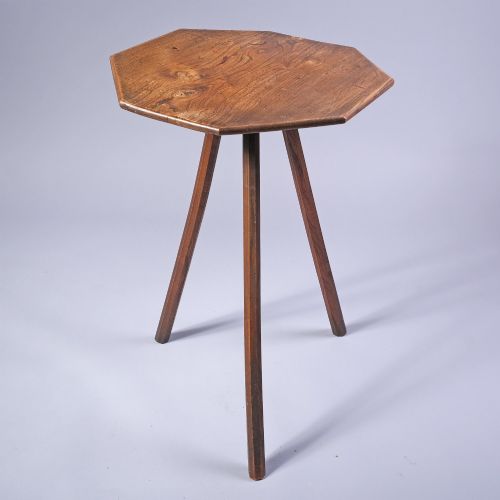
- Cricket table
- A small, lightweight table typically featuring three splayed legs and a round top. The design ensures stability on uneven flagstone floors.
Traditional Country Stool: Frequently Asked Questions
How were traditional country stools used originally?
These stools served practical tasks around the farmhouse, dairy, and tavern, providing a moveable seat for milking, dining, or resting near the hearth.
Their simple construction made them easy to carry from room to room as daily domestic demands shifted.
How do I tell an 18th-century stool from a 19th-century one?
Earlier pieces, such as Georgian joint stools, typically employ heavier oak timbers, hand-cut joinery, and pegged frames built to last centuries.
Nineteenth-century examples often introduce turned ash, elm, or sycamore components, sometimes utilising simpler lathe work and lighter seats.
Can I use a bar stool in a modern kitchen?
Many tall nineteenth-century and vintage bar stools suit modern kitchen counters or breakfast bars perfectly.
Their narrow footprints and sturdy wooden frames offer practical seating while adding historic character to contemporary spaces.
What is a dished seat?
A dished seat is a wooden top carved into a gentle hollow to fit the body more comfortably.
Makers shaped these surfaces using hand tools like adzes on timbers such as elm and sycamore.