



Antique Tavern Stool
An antique tavern stool is a rugged, honest seat built for daily use in public houses, offering buyers genuine historic character.
Antique Tavern Stool
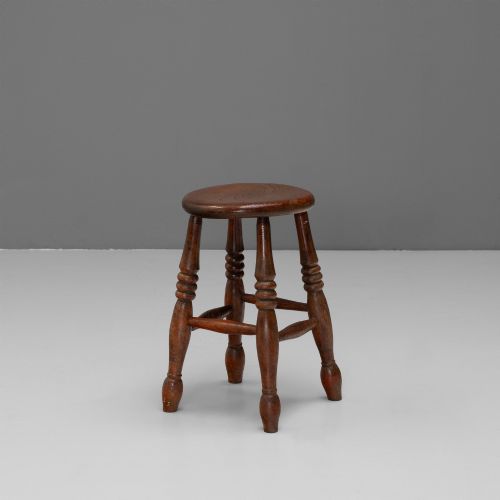
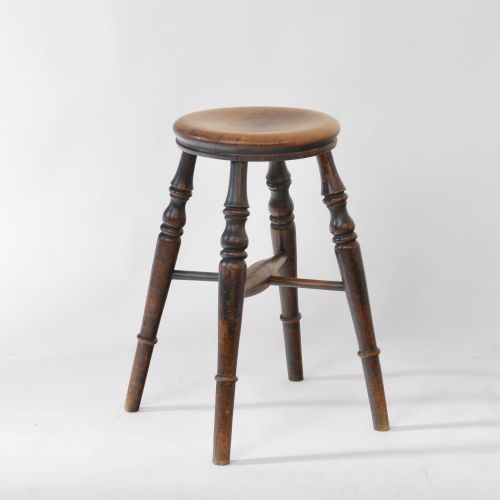
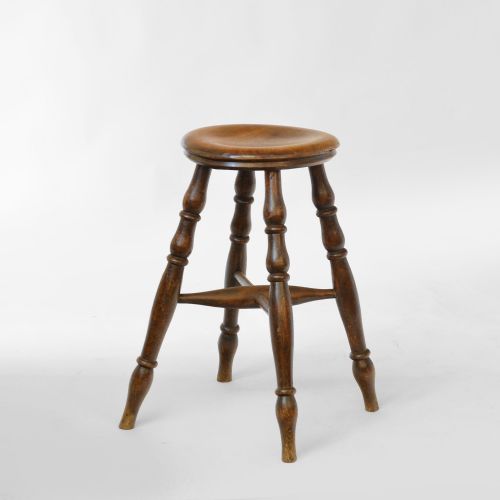
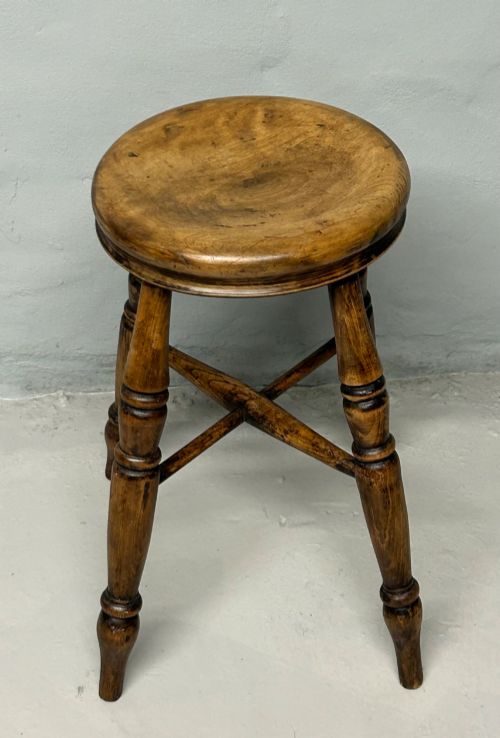
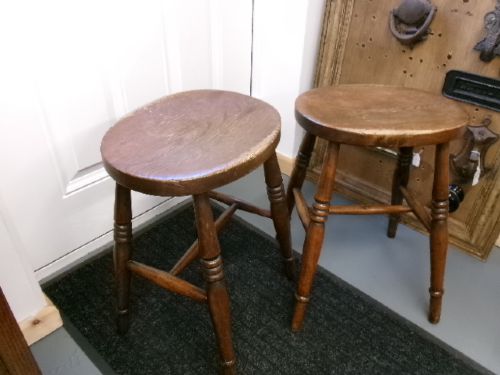
An antique tavern stool is a sturdy wooden seat made for the heavy traffic of historic public houses, alehouses, and rural inns. These pieces range from simple three-legged designs to low bar stools intended to withstand decades of commercial use.
The versions most commonly met on this page belong to the nineteenth and eighteenth centuries, shaped by Georgian and Victorian country traditions. Makers constructed these utilitarian objects using native timbers suited to robust, daily environments.
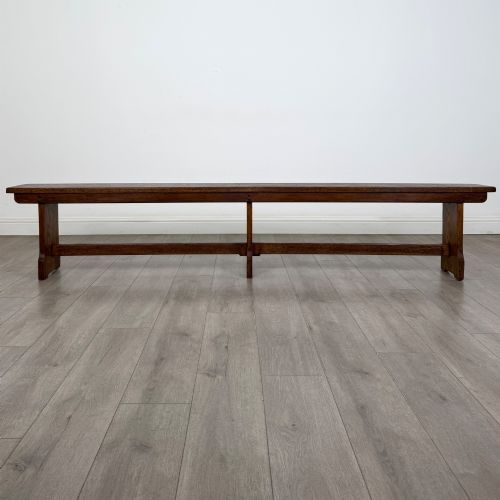
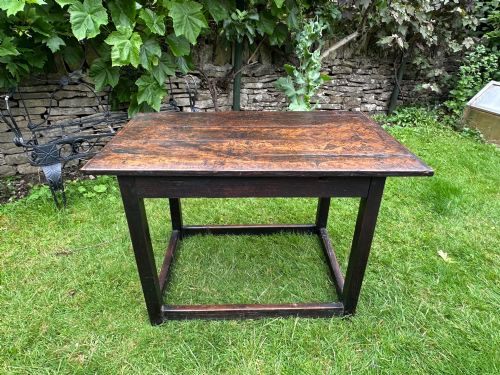
Beyond standard stools, the selection includes related forms like tavern benches, cricket tables, and low side tables that share the same utilitarian aesthetic. Each piece carries the distinct marks of communal drinking spaces and rural trade.
How they were made
Joiners and country carpenters relied on domestic hardwoods like oak, elm, ash, beech, and sycamore to build these robust seats. Elm provided tough, split-resistant timber for solid wooden seats, while ash and beech offered sturdy material for turned legs and spindles.
Construction techniques prioritized strength and stability over decorative refinement, utilising pegged joints and through-tenons. Seats often featured an oval dished top, hollowed out with an adze or scorper for comfort during long hours at the taproom counter.
Antique Tavern Stool Retail Price Guide 2026
Typical asking prices for tavern stool among the pieces listed under this phrase on Sellingantiques today, from the lower quarter to the upper quarter. They describe what is for sale here now, not the wider market.
Many seats wear the literal polish of countless tavern patrons, preserving the physical history of eighteenth-century ale drinking.
What varies in quality
Quality in a tavern stool rests upon the integrity of the timber and the honesty of its wear, showing how thoroughly the piece engaged with its working life. Denser grain in woods like pollard oak or mature elm elevates a piece above standard utility-grade alternatives.
The harmony of proportion between the seat top and the splay of the legs determines the visual balance of the object. Subtleties in the turning of the stretchers and the depth of the dished seat separate standard provincial work from finer vernacular craftsmanship.
The Antique Tavern Stool Glossary
- Dished top
- A seat surface hollowed out into a shallow concave shape to provide comfort. This shaping was typically achieved using a specialised adze or scorper.
- Vernacular
- Everyday furniture made by regional joiners and country craftsmen for local use rather than high-style urban consumption. These pieces prioritize function and local material traditions.
- Stretchers
- Horizontal wooden rods connecting the legs of a stool to provide structural rigidity. They frequently double as footrests on taller tavern and bar stools.
- Cricket table
- A small, lightweight wooden table supported by three legs, commonly found in domestic and tavern settings. The three-legged construction ensured stability on uneven tavern floors.
Antique Tavern Stool: Frequently Asked Questions
How were tavern stools used?
These stools served patrons seated at counters, tavern tables, or around the hearth in public houses. Their compact footprint allowed them to be tucked easily out of the way in crowded rooms.
Beyond drinking establishments, similar stools found purpose in farmhouses, workshops, and country kitchens. Their primary role remained strictly functional and unpretentious.
How do I live with a tavern stool?
A tavern stool functions well as a compact seat, a bedside table, or a display surface for plants and objects. Its small footprint allows it to fit easily into modern hallways, bathrooms, or living areas.
Positioning the stool away from direct heat sources helps preserve the stability of the antique timber. Regular cleaning with a soft cloth maintains the natural patina developed over decades of use.
How do I tell periods apart?
Eighteenth-century examples often display simpler, heavier plank construction and deeper hand-worked tool marks. Nineteenth-century versions frequently incorporate more advanced lathe turnings and standardised hardware.
Examining the wood species and construction methods helps determine the era of production. Oak and early elm point towards earlier periods, while beech and sycamore often indicate nineteenth-century country production.