



Antique Wooden Bar Stool
An antique wooden bar stool brings authentic height and honest craft to a kitchen counter or home tavern.
Antique Wooden Bar Stool
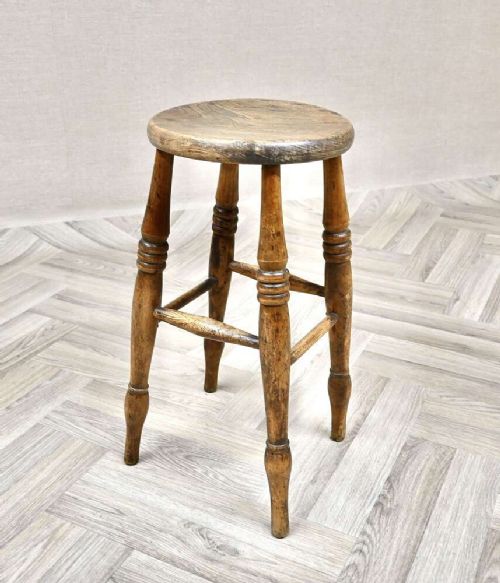
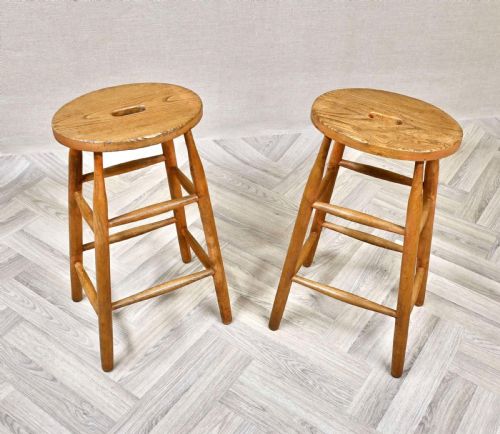
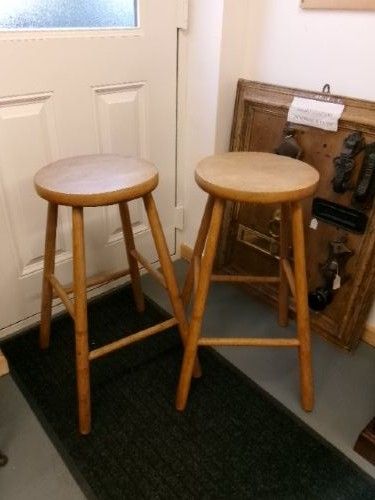
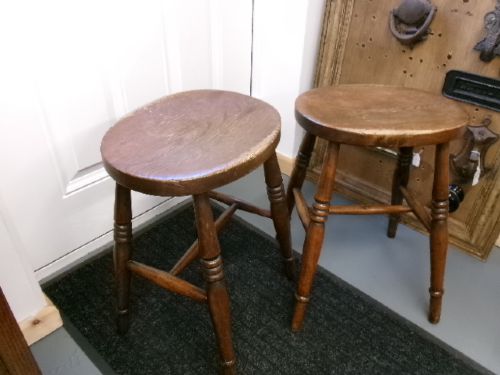
An antique wooden bar stool is a tall seating form designed originally for public houses, taverns, counting houses and domestic country kitchens. When you search for this phrase, you encounter high-backed or plain-topped examples raised on slender turned legs, built to withstand daily use in busy working environments.
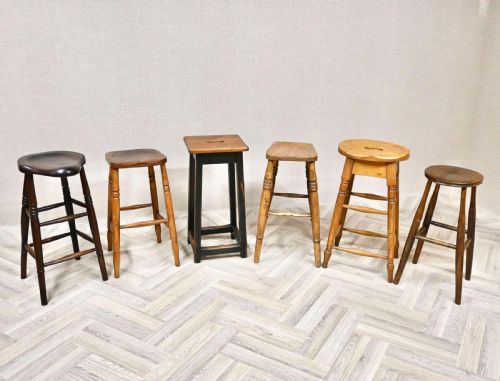
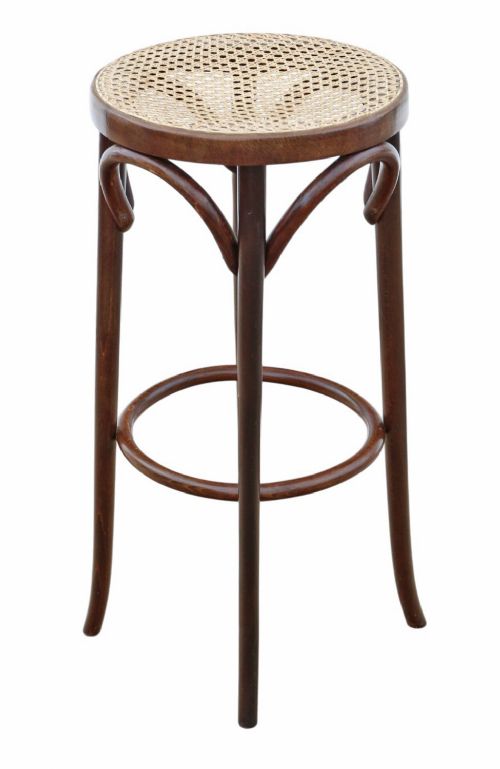
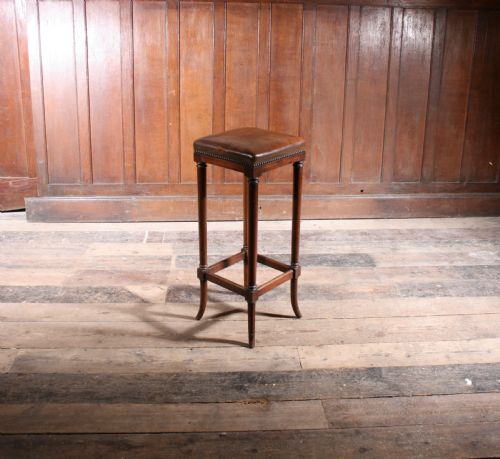
The selections on this page span several distinct periods, most notably the nineteenth century alongside later nineteen-twenties and nineteen-thirties workshop designs. You will find sturdy country pieces alongside slender bentwood frames and upholstered library or laboratory seats.
How they were made
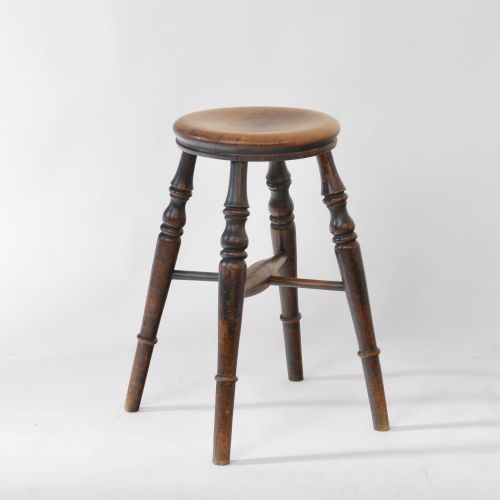
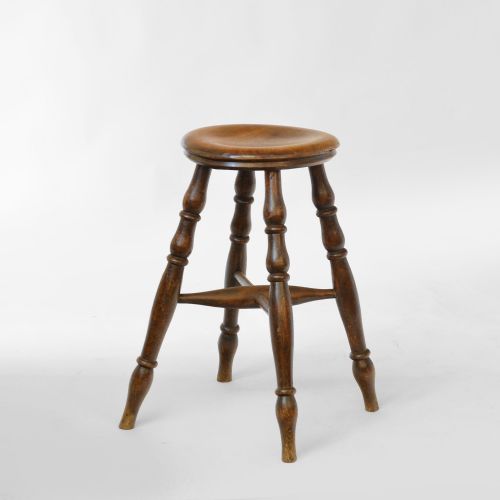
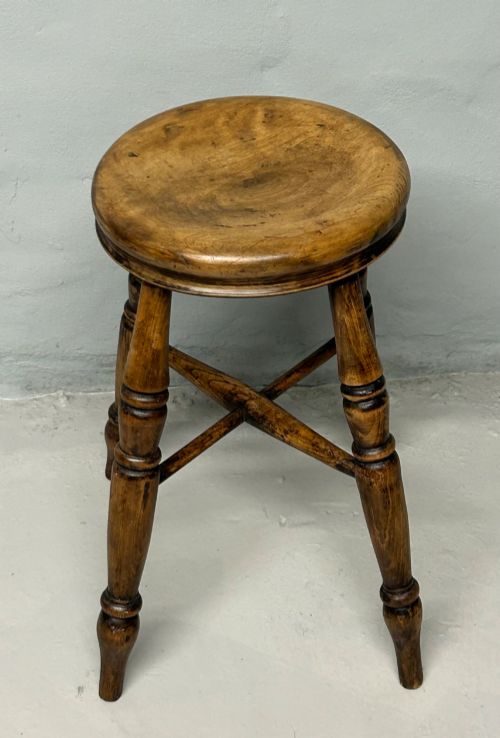
Maker-joiners utilised robust native timbers like elm, beech, oak and sycamore, often turning the stretcher rails on a lathe to brace the tall legs securely against lateral strain. Solid seats were frequently hollowed into an oval dished shape using an adze or gouge to provide comfort without upholstery.
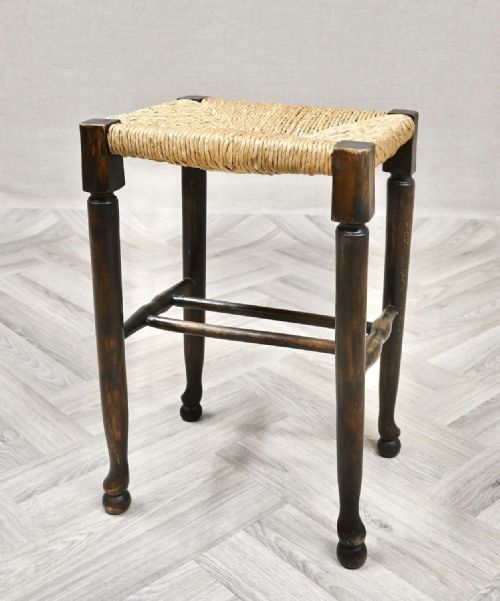
Alternative constructions combine bentwood techniques for curved frames with leather or rush seating inserts. Hardwoods such as mahogany and walnut appear in more formal Regency and twentieth-century interpretations.
Pub landlords specified extra-thick elm tops so patrons could thump tankards down without splitting the wood.
What varies in quality
Quality rests upon the integrity of the timber selection and the tightness of the joint construction where the legs meet the underside of the seat. Heavy domestic use means many stools suffer from replacement stretchers or repaired feet over the decades.
Superior examples retain their original surface patination, untouched wood grain and deep wax polish rather than being stripped back to raw timber. The balance between height, leg splay and seat thickness dictates whether a stool sits firmly on an uneven floor.
The Antique Wooden Bar Stool Glossary
- Dished top
- A seat surface carved into a shallow concave depression to fit the human form. This shaping technique is frequently found on country tavern stools.
- Bentwood
- Wood softened by steam and bent under pressure into curved structural components. This process defines nineteen-twenties café and bar seating.
- Stretcher
- A horizontal wooden brace connecting the legs of a stool to provide lateral stability. These rails often double as footrests on tall tavern designs.
- Clerk's stool
- A tall office seat designed for standing or high-desk working environments. These pieces typically feature slender turned legs and simple wooden tops.
- Rush seat
- Woven marsh reed seating material utilised on traditional country stools. The natural fibres create a textured, resilient surface.
Antique Wooden Bar Stool: Frequently Asked Questions
How were antique bar stools used originally?
These tall seats served customers at public house counters, workers at high writing desks, and staff in laboratories or counting houses. Their elevated height allowed users to reach high working surfaces before modern adjustable seating existed.
Over time, many migrated from commercial trade floors into domestic farmhouse kitchens and country houses as informal breakfast seating.
Are these stools comfortable for daily kitchen use?
Many nineteenth-century examples feature dished wooden seats sculpted to fit the body, offering surprising support during short sits. Others incorporate leather upholstery or woven rush pads for added softness.
Because seat heights vary across different periods, checking the height against your specific counter or island is essential before daily use.
How do I date an antique wooden stool?
Dating relies upon timber choice, joinery marks, and the turning style of the legs and stretcher rails. Nineteenth-century country pieces often display hand-turned beech or solid elm construction with visible pegging.
Twentieth-century examples introduce bentwood techniques, walnut framing, or manufactured lab components associated with the nineteen-thirties.
Can I mix different styles of tall stools together?
Grouping various turned beech, elm-topped, and bentwood stools creates a collected interior rather than a uniform suite. Keeping a consistent seat height matters more than matching the exact timber or period.
Mixing nineteenth-century tavern designs with early twentieth-century workshop seating adds character to a modern kitchen island.