


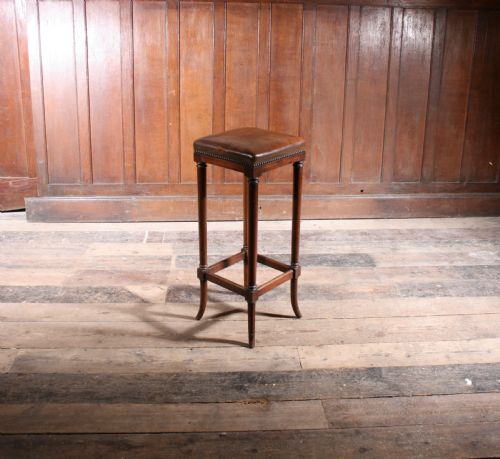

Traditional Pub Seating
Traditional pub seating brings rustic character and durable utility into a home through sturdy timbers and time-tested tavern forms.
Traditional Pub Seating
Traditional pub seating encompasses sturdy wooden stools, benches, settlers, and armchairs designed for centuries of daily use in taverns, inns, and alehouses. When you search for traditional pub seating, you encounter resilient pieces shaped by practical utility rather than fleeting fashion. The selection relies heavily on nineteenth-century examples, alongside Edwardian designs and pieces from the nineteen-thirties.
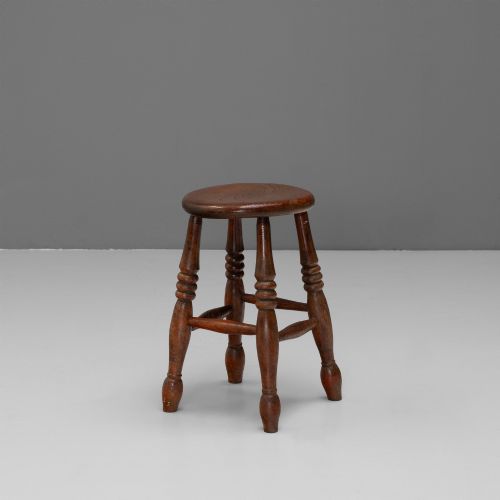
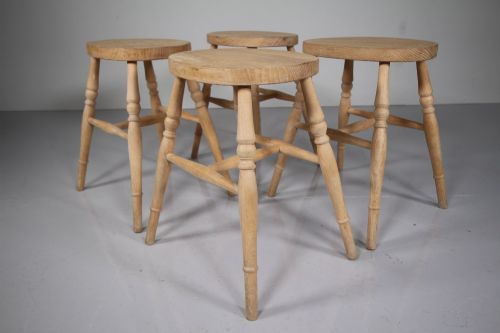
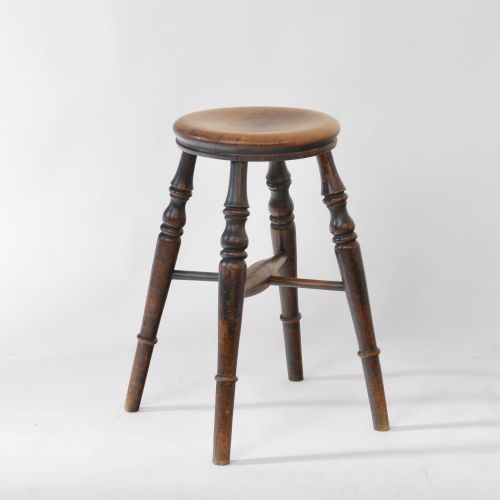
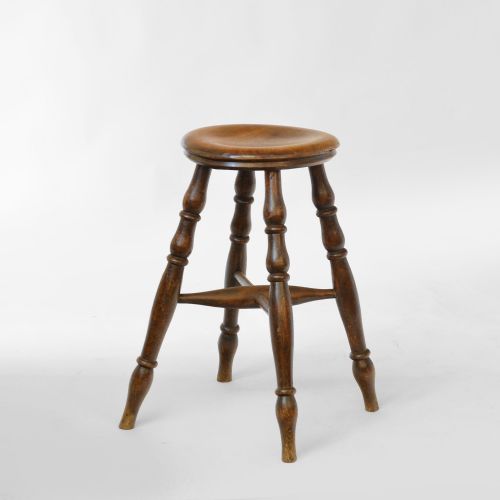
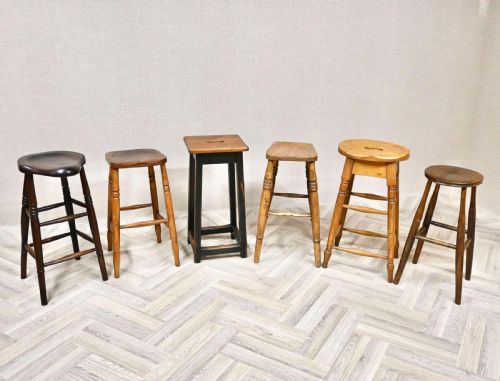
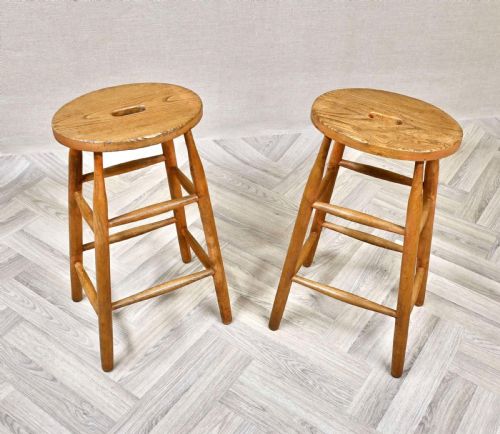
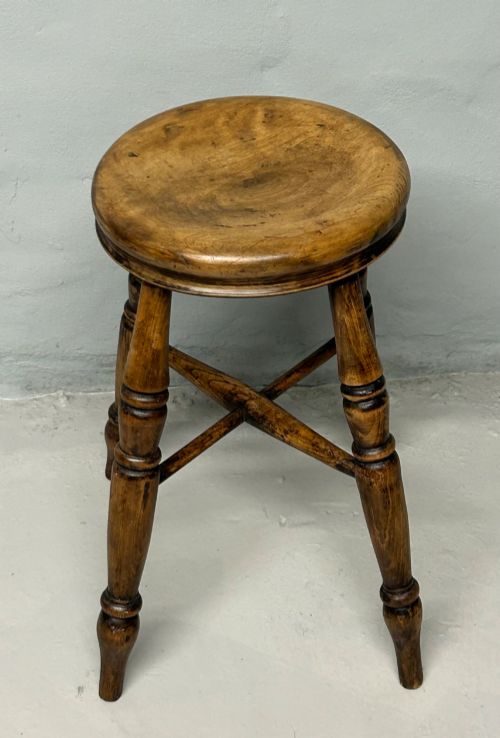
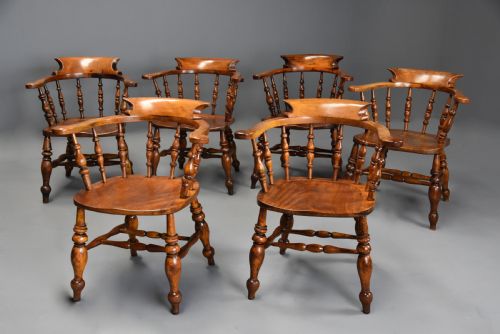
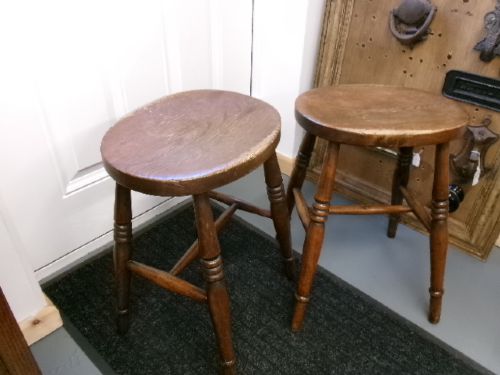
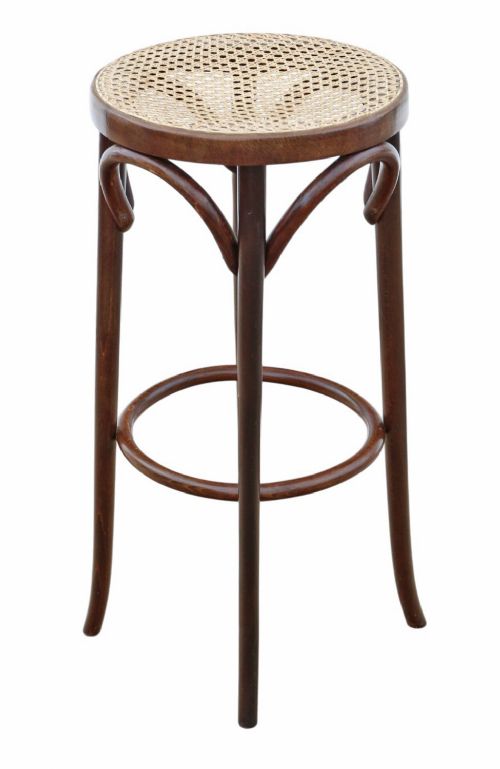
Stools dominate the category, ranging from tall bar stools and tavern stools with oval dished tops to clerk's stools and low farmhouse seats. Alongside these sit smokers bow armchairs, Windsor kitchen chairs, pine tavern benches, and settle seating intended for communal rooms. These forms originate from regional vernacular traditions across England.
The aesthetic leans towards rustic farmhouse, Victorian country, and rustic country styles that prioritize solid construction over ornamentation. Buyers select these items to anchor domestic kitchens, home bars, and dining spaces with authentic historical substance.
How traditional pub seating was made
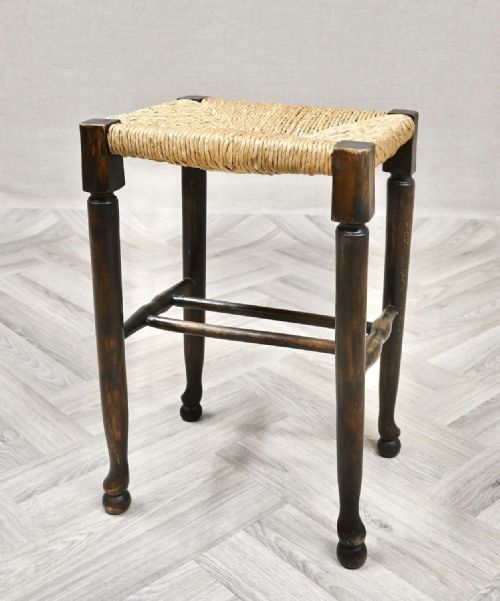
Craftsmen built traditional pub seating using domestic hardwoods selected for their strength and resistance to heavy wear. Elm, beech, oak, ash, sycamore, and pine form the primary structural timbers, often paired within a single piece such as beech frames supporting elm seats. Leather and rush also appear as seat materials on specific stool and chair variations.
Joinery methods focused on durability, utilising turned legs, sturdy stretchers, and pegged joints to withstand constant movement in bustling taverns. Woods were frequently turned on lathes for legs and spindles, while seats were carved into ergonomic dished shapes for comfort. This construction ensures that pieces survive generations of heavy public and domestic use.
Mill workers and clerks once sat on these very stools, proving that antique seating spent its youth working harder than anyone in the room.
What varies in quality
Patina and surface wear separate superior examples from lesser pieces. Authentic age-earned friction marks and original timber surfaces hold greater appeal than over-restored or stripped timber. The harmony of proportions across tall bar stools and smokers bow armchairs dictates the overall success of the design.
The Traditional Pub Seating Glossary
- Smokers bow
- A low-backed Windsor armchair with a rounded, continuous arm rail, popular in nineteenth-century public houses and kitchens alike.
- Settle
- A high-backed wooden bench with solid arms and a storage box or solid panel base designed to block tavern draughts.
- Dished top
- A seat carved into a shallow concave depression to provide ergonomic comfort without upholstery.
- Windsor chair
- A chair constructed with structural timber legs and spindles fitted directly into a solid sculpted seat rather than a frame.
- Rush seat
- A seating surface woven from dried marsh reeds, providing a flexible and traditional texture on stools and chairs.
Traditional Pub Seating: Frequently Asked Questions
How do I clean wooden tavern stools?
Clean wooden tavern stools simply by wiping them down with a damp cloth and mild soap, avoiding harsh chemical cleaners that strip the historic finish.
Nourish the dry timber periodically with a traditional beeswax polish to protect the grain and maintain the natural patina.
Are bar stools sturdy enough for daily use?
Nineteenth-century bar and tavern stools were engineered for rigorous daily service in public houses, making them exceptionally durable for modern kitchens.
Their robust beech or elm frames and braced legs provide stable support that easily withstands active domestic routines.
What is a smokers bow chair?
A smokers bow is a sturdy armchair featuring a low, curved wooden back rail supported by turned spindles above a shaped seat.
Originating in the nineteenth century, these chairs offered comfortable seating in smoking rooms, parlours, and busy tavern spaces.
How do I identify nineteenth-century pub furniture?
Examine the timber species, joinery techniques, and surface wear to determine age, noting traditional materials like solid elm, ash, and turned beech.
Tool marks, hand-carved seat indents, and aged patination separate genuine nineteenth-century vernacular pieces from later reproductions.
Can I use a pine settle in a hallway?
A pine settle fits narrow hallways and boot rooms effectively, providing both seating and a high back that shields against drafts.
Many examples include enclosed bases that offer hidden storage for boots, umbrellas, and household items.