



High Wooden Stool
A high wooden stool brings sturdy elevation and honest period character to a room, offering practical reach and enduring utility.
High Wooden Stool
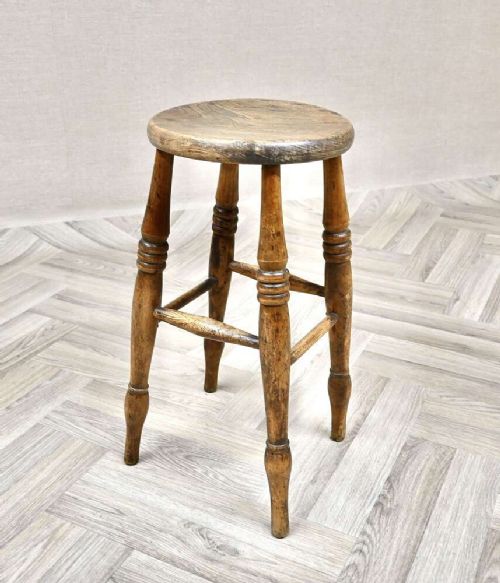
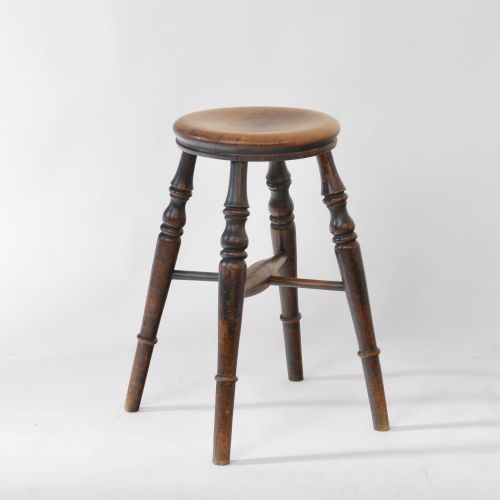
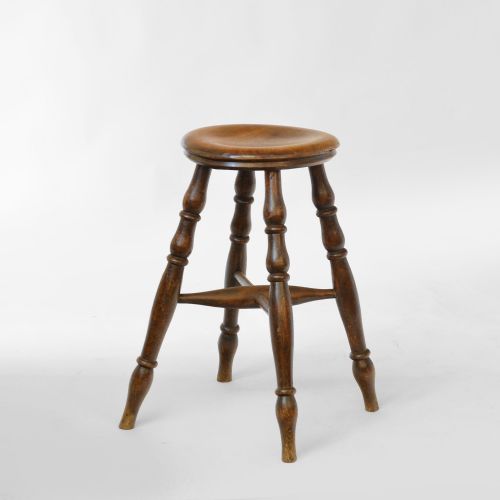
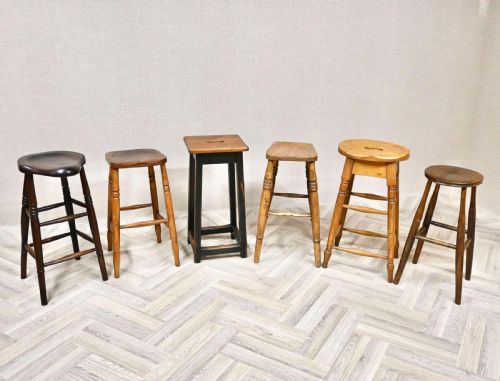
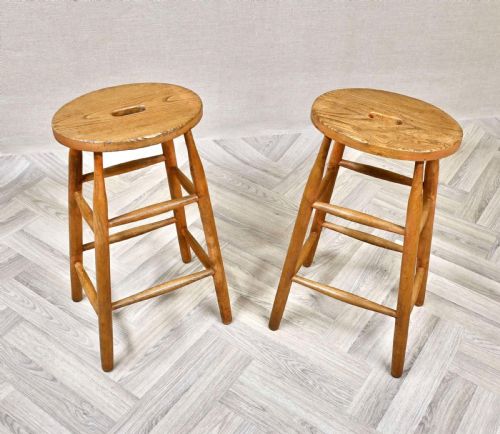
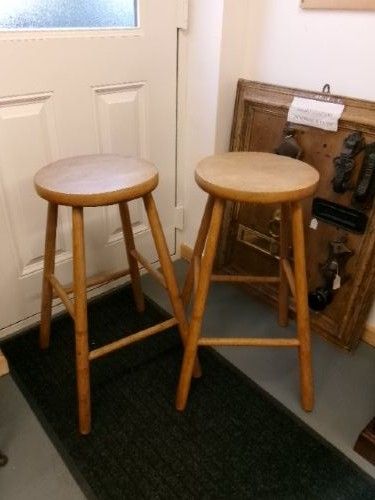
A high wooden stool serves practical functions across various historical settings, ranging from tavern seating to workspace perches. When exploring a high wooden stool, buyers encounter formats designed for work and refreshment, including clerk's seats, pub perches, and bar designs.
The selections span the nineteenth century up through the nineteen-thirties, incorporating styles from rustic farmhouse traditions to formal Regency execution. Most examples stem from nineteenth century origins, showcasing utilitarian forms made for demanding environments.
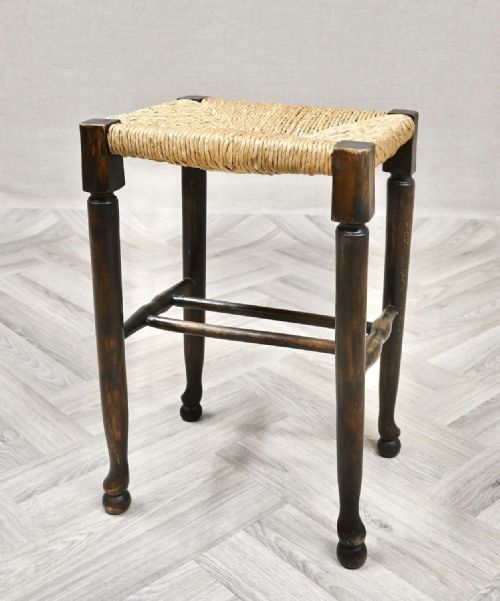
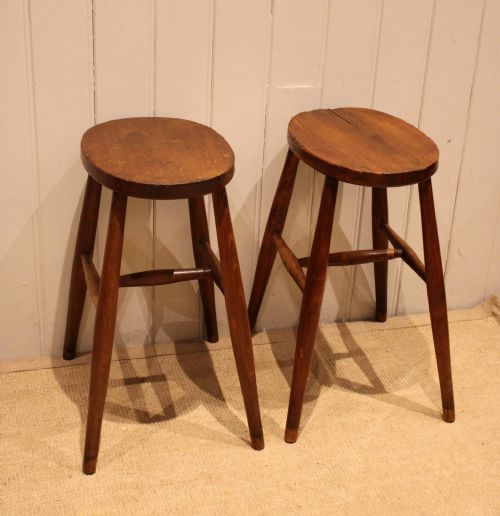
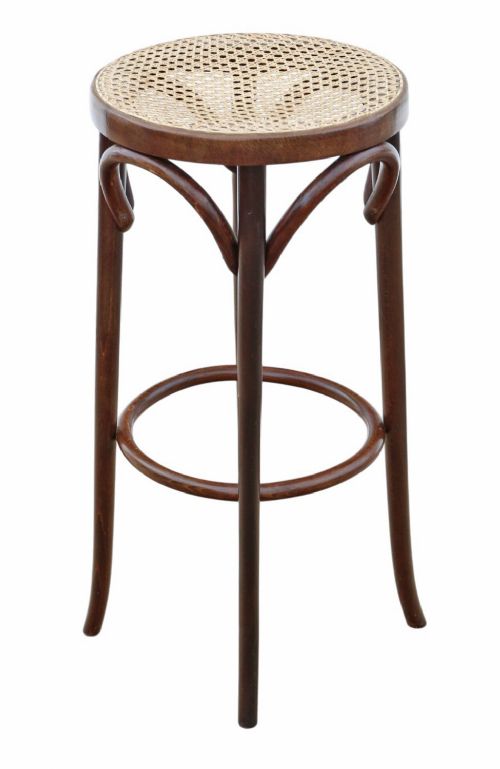
Makers produced these pieces for specific trades and social spaces, resulting in diverse heights and footrest arrangements. Surviving pieces include wild elm tops, bentwood frames, and rush seated variations suited to domestic and commercial interiors.
Materials and construction methods
Carpenters utilised domestic hardwoods such as oak, elm, beech, sycamore, and mahogany to build durable frames capable of withstanding daily friction. Turned beech legs frequently support solid elm or sycamore seats, joined with traditional pegged or wedged construction.
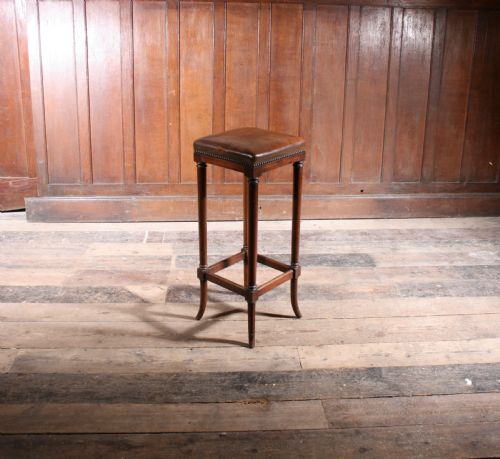
Makers incorporated leather upholstery, rush seating, and bentwood techniques to provide resilience and comfort in public houses and offices. Surface finishes developed through decades of use, preserving the natural grain of hardwood and softwood components.
Several nineteenth-century tavern perches bear the literal scars of long-ago patrons, featuring well-worn footrests polished smooth by generations of swinging boots.
Evaluating construction and material quality
Quality rests in the selection of timber, where dense wild elm, figured mahogany, and well-turned beech outlast softer pine frameworks. The integrity of the joints dictates stability, distinguishing sturdy commercial seating from lesser iterations.
Proportion and footrest placement dictate functional success, ensuring the seat operates correctly at counters and work surfaces. Retained original surfaces and honest patina elevate examples above pieces subjected to heavy structural alterations.
The High Wooden Stool Glossary
- Clerk's stool
- A tall seating form designed for standing desks in offices and counting houses, usually featuring a circular wooden top and turned legs. These pieces prioritize height and stability for administrative work.
- Bentwood
- A technique involving the steaming of wood until pliable, allowing craftsmen to bend it into curved structural components. This method created lightweight yet resilient frames seen in twentieth-century seating.
- Rush seat
- A traditional woven seating surface constructed from dried marsh grasses twisted into cords. Craftsmen utilised rush to create a flexible, supportive platform on ladderback chairs and stools.
- Wild elm
- A native hardwood valued for its interlocking grain and resistance to splitting, frequently chosen for saddle seats. Carpenters relied on this timber for components subject to heavy downward pressure.
- Tavern stool
- A utilitarian seating piece manufactured for public houses and inns, designed to withstand rigorous daily use. These items typically exhibit simple turned supports and robust wooden tops.
High Wooden Stool: Frequently Asked Questions
How tall is a typical antique high stool?
Heights vary according to the original function, with clerk's seats and bar perches standing significantly higher than standard chairs. Most incorporate integrated stretchers positioned at varying levels to serve as footrests.
Buyers should measure counter spaces carefully to ensure proper clearance, as nineteenth-century working heights differ from modern kitchen specifications.
Were these stools used in homes originally?
Many high wooden stools served commercial or industrial roles in pubs, counting houses, laboratories, and workshops rather than domestic parlours. Over time, these utilitarian objects transitioned into residential kitchens and home bars.
Their robust construction and unpretentious forms make them adaptable additions to contemporary interior schemes.
How do I care for antique wood and leather?
Maintain wooden surfaces by applying appropriate beeswax or natural oils periodically to prevent the timber from drying out. Avoid placing antique seating near direct heat sources that can cause cracking in older hardwoods.
Leather elements benefit from gentle cleaning and conditioning to preserve flexibility without altering the historic finish.
How can I distinguish a nineteenth-century stool?
Nineteenth-century examples often display hand-turned legs, pegged joints, and surface wear consistent with decades of manual use. Tool marks and variations in timber thickness indicate traditional hand-tool woodworking methods.
Examining the underside of the seat and the joinery helps confirm the period and construction techniques used by the maker.