




Kitchen Island High Stool
A kitchen island high stool offers practical elevation for counter dining, bringing sturdy timber frames and industrial metalwork into domestic spaces.
Kitchen Island High Stool
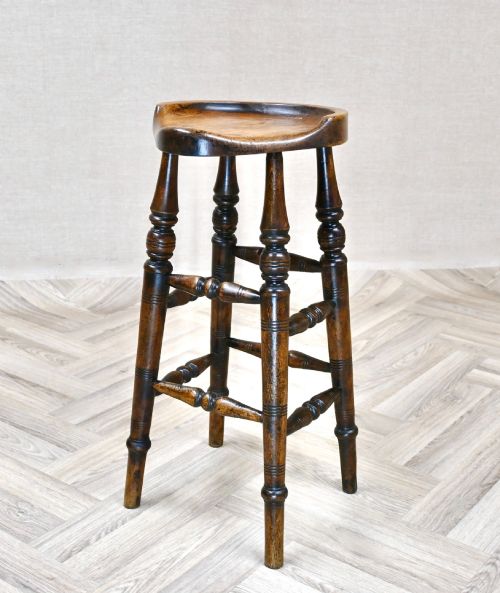
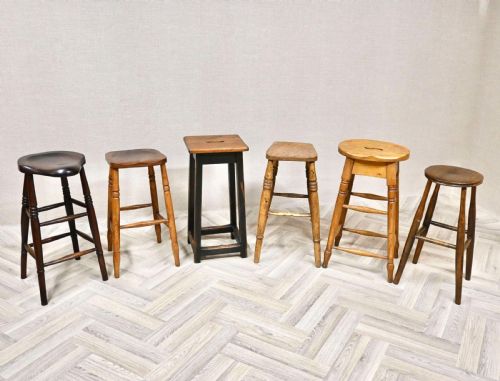
A kitchen island high stool provides elevated seating tailored for modern counters and traditional breakfast bars. Buyers browsing for a kitchen island high stool will most frequently encounter nineteenth-century pieces alongside examples from the 1920s and 1930s.
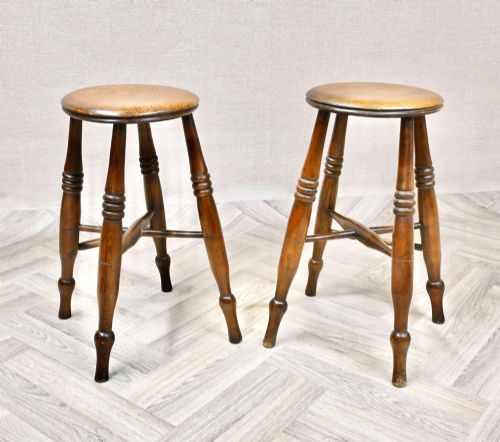
The available forms span functional bar stools and paired Windsor stools designed for upright seating. These pieces emerge from various traditions, including English country, rustic farmhouse, European bistro, and mid-century industrial styles.
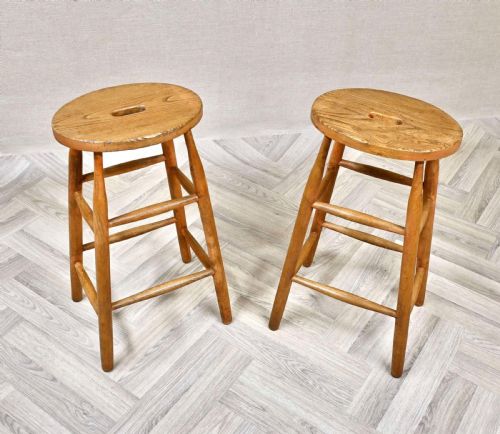
Makers utilised utilitarian designs intended for taverns, workshops, and domestic settings alike. The selection on this page ranges from large nineteenth-century bar stools to general purpose wooden seating.
Materials and construction
Makers constructed these high stools using solid timbers such as beech, elm, oak, pine, ash, and general hardwood. Selected woods provided the necessary structural rigidity to support elevated seating positions over decades of heavy daily use.
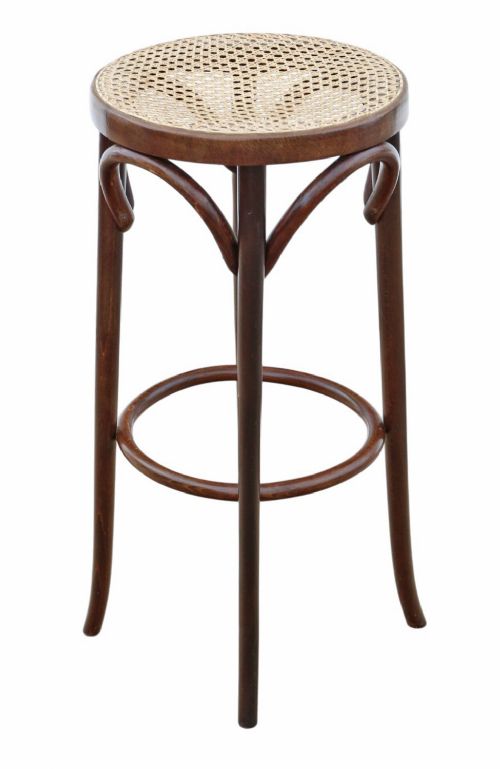
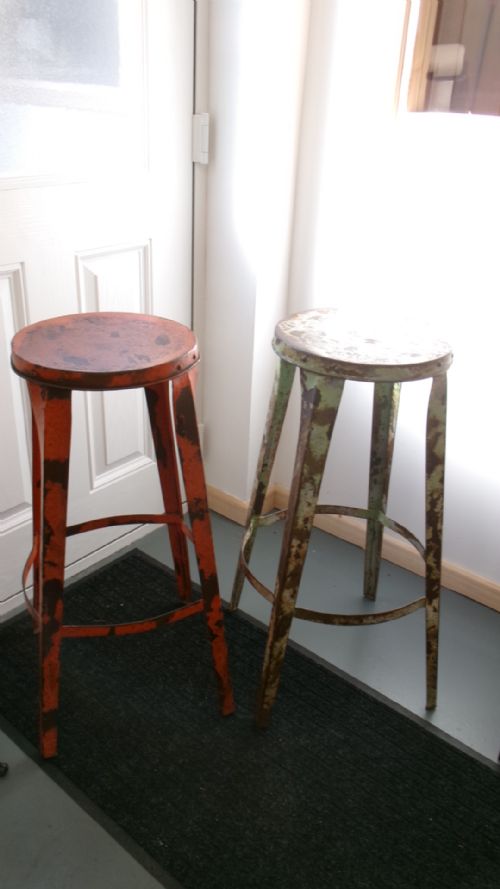
Industrial variants incorporate metal elements, featuring riveted iron frameworks that contrast with traditional turned wooden seats. Bentwood techniques appear in specific twentieth-century pieces, allowing timber to curve gracefully without losing its inherent strength.
Kitchen Island High Stool Retail Price Guide 2026
Typical asking prices for kitchen island high stool among the pieces listed under this phrase on Sellingantiques today, from the lower quarter to the upper quarter. They describe what is for sale here now, not the wider market.
Design styles present across the inventory include English country, rustic farmhouse, European bistro, Victorian vernacular, and mid-century industrial.
Judging quality and character
Quality rests upon the integrity of the joinery and the selection of timber used for the seat and underframe. Heavier sections of oak or elm impart greater stability compared to lighter pine constructions, while securely riveted metal joints define superior industrial examples.
Patina and surface wear distinguish pieces with genuine age from utilitarian replacements. Original surface finishes, whether aged wood polish or weathered industrial paint, reveal the authentic history of each stool.
The Kitchen Island High Stool Glossary
- Bentwood
- Wood that has been heated and bent into curved shapes. This technique creates lightweight yet robust frames seen in twentieth-century seating.
- Windsor
- A traditional chair or stool construction where legs and back spindles are fitted directly into a solid sculpted seat. This method ensures exceptional structural durability.
- Vernacular
- Everyday objects built by local craftspeople for practical utility rather than high-style exhibition. Victorian vernacular pieces reflect regional woodworking traditions.
- Patina
- The surface sheen and colour acquired by materials through years of handling, polishing, and natural ageing. A deep patina indicates long service and genuine age.
Kitchen Island High Stool: Frequently Asked Questions
What heights do these stools come in?
These pieces include full-height bar stools and tall stools specifically built for elevated counters and high work surfaces. Their proportions reflect the functional requirements of nineteenth-century taverns and twentieth-century industrial workspaces.
Buyers should measure their counter clearance carefully to ensure correct legroom beneath the seat. Most examples on this page are designed to match standard high dining surfaces.
How do I care for wooden high stools?
Wooden frames benefit from occasional applications of natural beeswax to nourish the timber and preserve the historic surface. Avoid placing them near direct heat sources to prevent the wood from drying out.
Keeping the joints stable requires minimal effort, but checking wedge fixings periodically helps maintain structural tightness. Gentle dusting is sufficient for daily maintenance.
Are industrial metal stools comfortable?
Industrial metal stools feature riveted iron frames and solid metal or wooden tops designed for sturdy utility. While built for function rather than lounging, their proportions support upright posture at a kitchen island.
Many users add loose cushions if they plan to sit for extended periods. The robust metal construction ensures they remain steadfast during daily use.
How can I tell a nineteenth-century stool from a 1920s one?
Nineteenth-century pieces often display vernacular hand-turned legs and joined wooden seats shaped by traditional craftsmen. They rely entirely on timber joinery without the machine-bent components common in later decades.
Stools from the 1920s and 1930s frequently introduce industrial metalwork, riveted braces, or bentwood manufacturing methods. These stylistic shifts mark the transition towards modern mass production and workshop standardisation.