





Traditional Counter Stool
These traditional counter stool selections bring enduring utility and vernacular charm to high seating, formed from robust woods across the nineteenth and early twentieth centuries.
Traditional Counter Stool
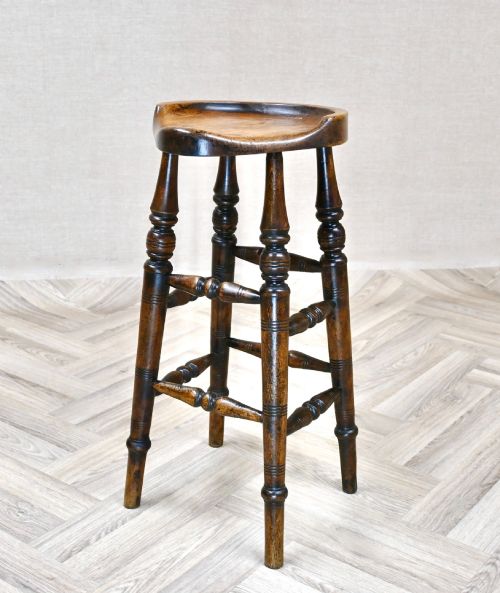
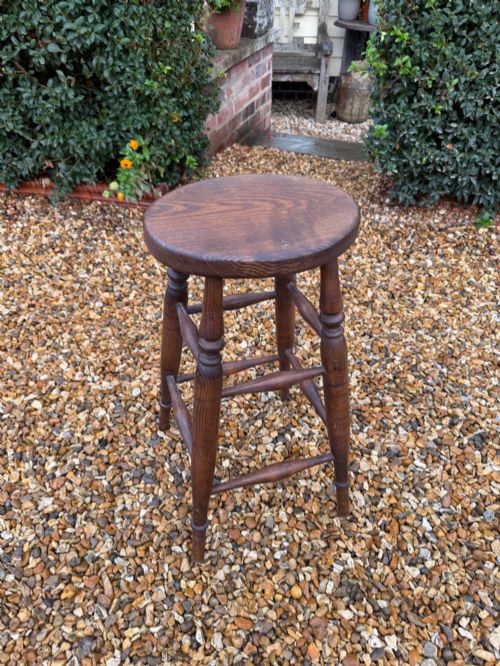
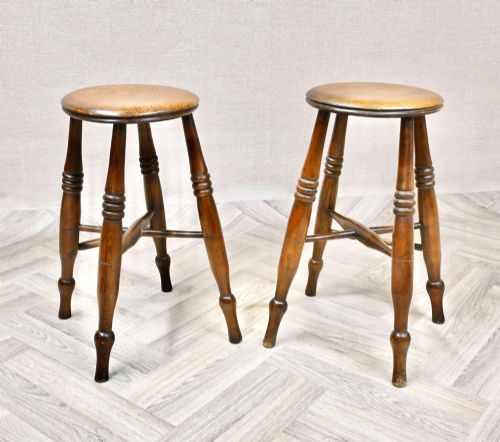
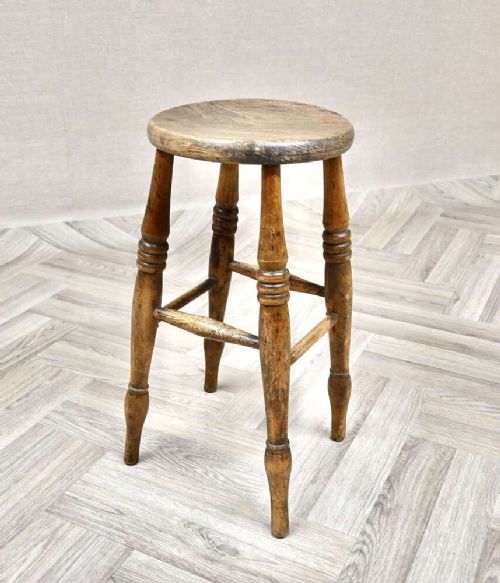
A traditional counter stool serves elevated seating needs through practical domestic, commercial, and rural forms, originating largely from the nineteenth century down to the nineteen forties. These sturdy pieces appear as tavern, pub, clerk's, and bar stools, designed for functional longevity in daily use.
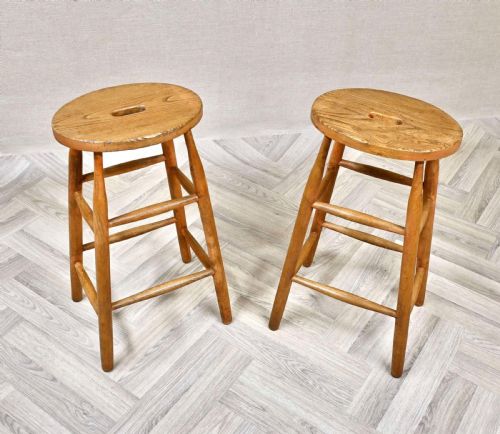
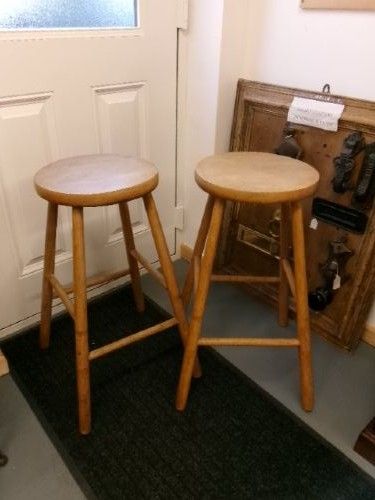
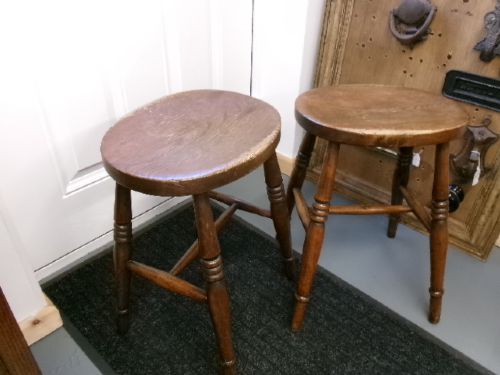
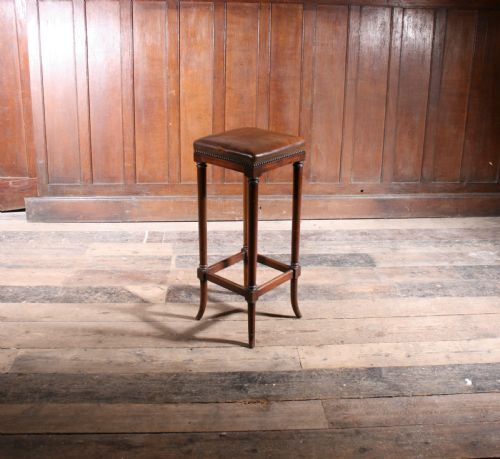
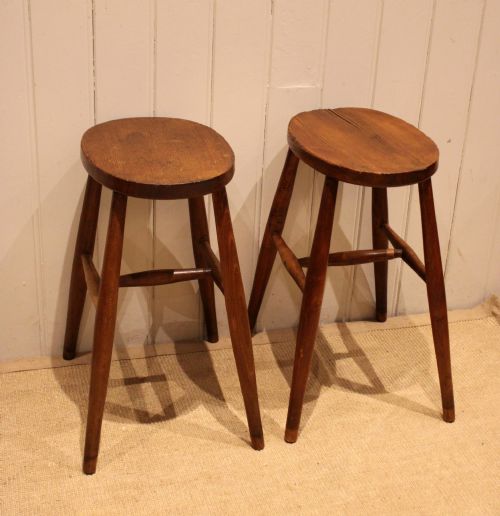
Buyers most frequently encounter vernacular English country styles alongside rustic farmhouse and European bistro examples. Common configurations include round seats, oval dished tops, and full height bar proportions suited to high tables and counters.
Form follows utility directly in these seating items, reflecting period workshop traditions rather than ornate studio design. Surviving examples demonstrate the enduring demand for honest timber construction in domestic and social settings.
How They Were Made
Makers utilised native timbers predominantly, selecting elm, oak, beech, ash, sycamore, and pine for their specific structural properties. Elm seats provided tough, split-resistant surfaces, while turned beech supplied strong legs and stretchers.
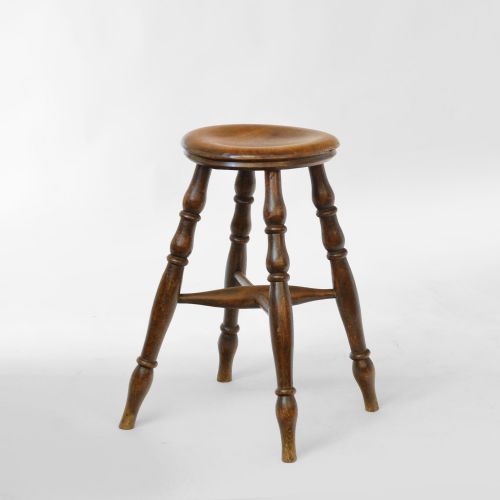
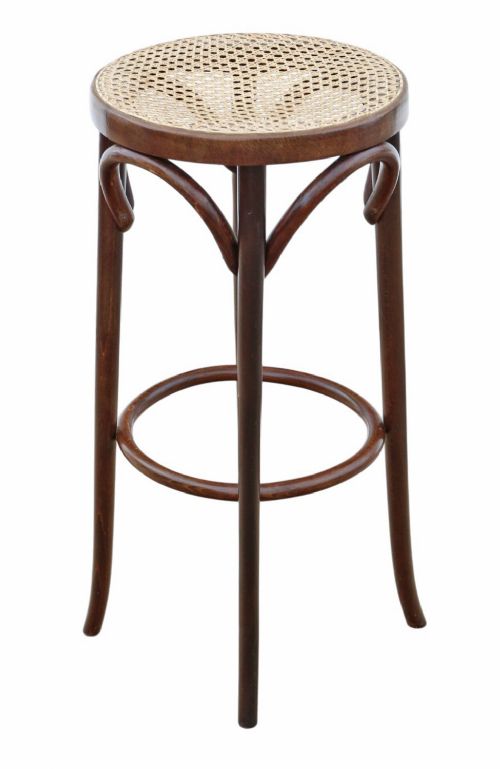
Joinery methods relied on traditional turning, pegged mortise and tenon joints, and steam bending as seen in bentwood variants. Surfaces were frequently shaped with drawknives and adzes to create comfortable dished tops before finishing with simple wax or oil.
Traditional Counter Stool Retail Price Guide 2026
Typical asking prices for traditional counter stool among the pieces listed under this phrase on Sellingantiques today, from the lower quarter to the upper quarter. They describe what is for sale here now, not the wider market.
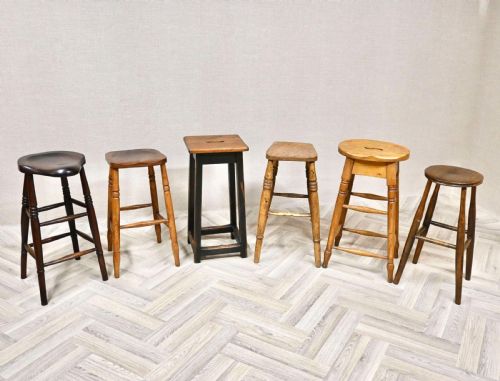
The selection encompasses diverse functional types such as clerk's stools, pub tavern seating, and Windsor style bar stools spanning multiple decades.
What Varies in Quality
Construction robustness distinguishes everyday workshop output from finer vernacular pieces, visible in the gauge of timber and the tightness of turned joints. Heavier sections of timber and balanced proportions indicate greater original care in manufacture.
The degree of wear and patination on timber surfaces reflects the intensity of past service in pubs, taverns, or offices. Original seat shaping, such as deep oval dishing, demonstrates superior ergonomic consideration by the maker.
The Traditional Counter Stool Glossary
- Vernacular
- Everyday objects made by local craftsmen using regional traditions and materials rather than high architectural styles. These pieces prioritise practical utility and local resourcefulness.
- Dished top
- A seat surface hollowed out into a shallow concave bowl shape for comfort. This shaping technique is commonly found on solid timber stools.
- Windsor
- A style of chair or stool construction where legs and back spindles are wedged directly into a solid sculpted seat slab. This method creates a rigid and enduring framework.
- Bentwood
- Wood softened by steam and bent into curved structural components under pressure. This technique allows for lightweight yet resilient frames.
- Stretcher
- A horizontal bar connecting the legs of a stool to provide lateral stability and rigidity. These members often double as footrests on taller seating.
Traditional Counter Stool: Frequently Asked Questions
What is a traditional counter stool?
A traditional counter stool is an elevated wooden seat originating from the nineteenth or early twentieth centuries, designed for taverns, pubs, and high workspaces.
These pieces utilise robust native timbers like elm and beech, featuring tall turned legs and solid timber seats built for heavy daily use.
How were old bar stools used?
Historical bar stools served patrons in public houses, taverns, and inns, as well as clerks standing at high desks.
Their elevated height allowed users to reach tall counters and tavern tables comfortably while enduring long hours of commercial or clerical work.
How do I care for antique wood stools?
Care involves maintaining stable indoor humidity and cleaning surfaces gently with a soft cloth and neutral wax.
Avoid placing wooden stools near direct heat sources or in damp environments to protect the original nineteenth-century timber and joinery.
Are these stools comfortable for daily seating?
Many surviving examples feature ergonomically shaped seats, such as oval dished tops, designed for extended sitting periods.
Their sturdy foot stretchers also provide support and balance, making them practical for modern kitchen islands and counters.