


Vintage Tavern Seating
These vintage tavern seating pieces bring robust character to a room, offering genuine historical utility through solid timber construction.
Vintage Tavern Seating
Vintage tavern seating encompasses sturdy forms designed for public houses, alehouses, and rural domestic spaces during the nineteenth and early twentieth centuries. Buyers searching this phrase encounter practical seating designed to withstand heavy daily use in busy social environments.
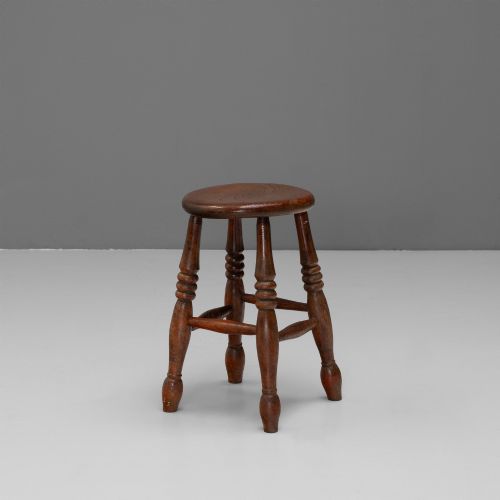
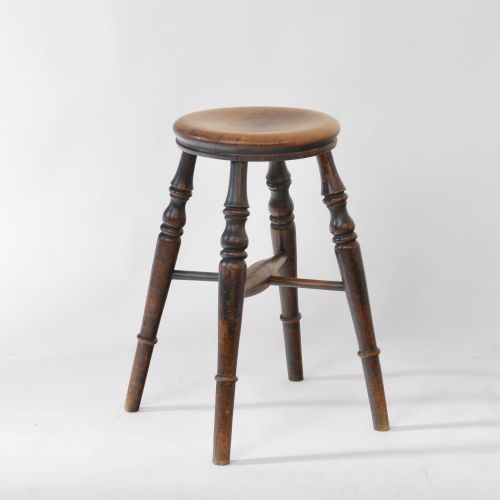
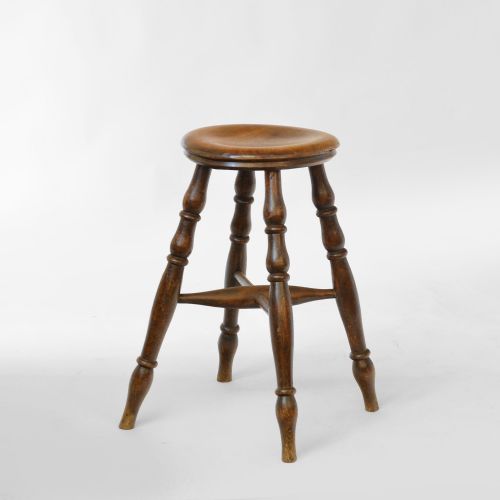
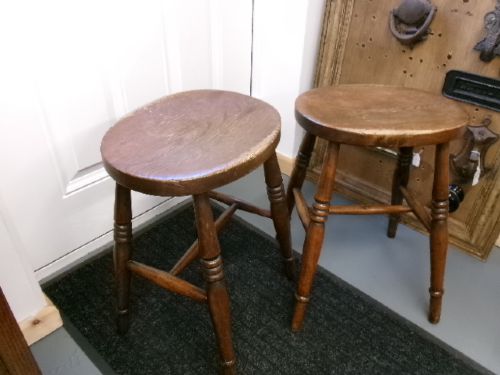
Stools form the most frequent encounters on this page, appearing alongside armchairs, benches, and refectory tavern tables. These pieces span periods from the late nineteenth century through the Edwardian era and into the nineteen-twenties.
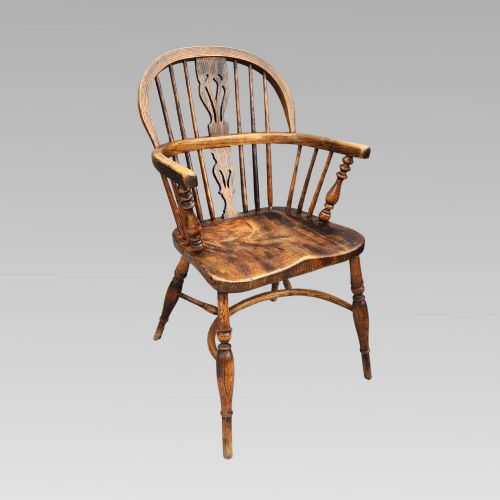
The regional origins and domestic vernacular styles reflect utilitarian English country traditions. Pieces range from simple pub stools to spindle-backed Windsor armchairs and long pine or oak benches.
Materials and construction
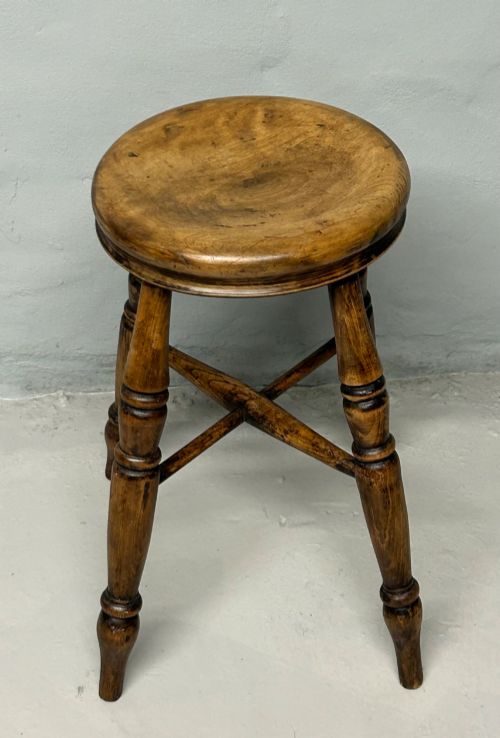
Makers utilised homegrown timbers such as elm, beech, oak, and sycamore, often combining contrasting woods within a single piece to balance strength and flexibility. Seats frequently feature shaped or dished tops carved directly from solid hardwood planks.
Turned legs, spindles, and stretcher frames provide rigid structural support without complex upholstery. Joinery relies on traditional methods suited to heavy pub furniture.
Current listings span the nineteenth century, the Edwardian period, and nineteen-twenty, featuring elm, beech, oak, ash, sycamore, pine, and hardwood.
Assessing quality and character
Quality rests in the integrity of the timber and the depth of patina developed through decades of service. Fine examples retain their original structural joints and surface wear without excessive modern intervention.
The skill of the turning and the ergonomic shaping of seats distinguish utilitarian items from finer country house vernacular pieces. Thicker timber slabs and well-balanced proportions elevate the standing of individual items.
The Vintage Tavern Seating Glossary
- Vernacular
- Everyday objects made by local craftsmen using traditional regional methods rather than high-style workshop designs. These pieces prioritize function and local material availability.
- Spindle back
- A chair design featuring a series of thin, turned wooden uprights supporting the backrest. This construction provides resilient support while keeping the frame lightweight.
- Dished top
- A seat surface carved into a shallow concave depression for comfort. This technique is commonly found on solid wood stools and Windsor chairs.
- Refectory table bench
- A long, narrow bench designed to sit alongside a communal dining or tavern table. These forms originated in large dining halls and public eating spaces.
Vintage Tavern Seating: Frequently Asked Questions
What woods were used for tavern seating?
Makers relied on durable native hardwoods including elm, beech, oak, ash, and sycamore. These timbers resisted the heavy impacts typical of public houses.
Pine also appeared on larger benches and utility furniture designed for robust commercial or domestic environments.
How do I date a tavern stool?
Dating relies on stylistic markers, tool marks, and the natural oxidation of the exposed timber over time. Nineteenth-century pieces often display hand-turned components and specific vernacular joinery traits.
Later Edwardian and nineteen-twenties examples show subtle shifts in turning profiles and assembly methods.
Are these pieces comfortable for daily use?
Most items were built for durability and efficient space usage rather than lounging. However, dished wooden seats and Windsor arm-rests offer surprising support.
Cushions are often added to soften the solid timber construction for modern seating arrangements.
Where were these benches and stools originally placed?
The pieces served patrons in alehouses, village taverns, and coaching inns alongside domestic kitchens and country house reception rooms. Long benches sat beside heavy refectory tables for communal dining.
Smaller stools stood near counters or served clerks and workers in various trades.