



Traditional Pub Furniture
Traditional pub furniture brings heavy timber and stout iron into domestic rooms, offering honest construction built to endure generations of heavy use.
Traditional Pub Furniture
Traditional pub furniture comprises utilitarian seating, sturdy tables and functional fittings sourced from historic alehouses and taverns. Buyers search this phrase to find pieces with genuine commercial provenance and straightforward, robust construction.
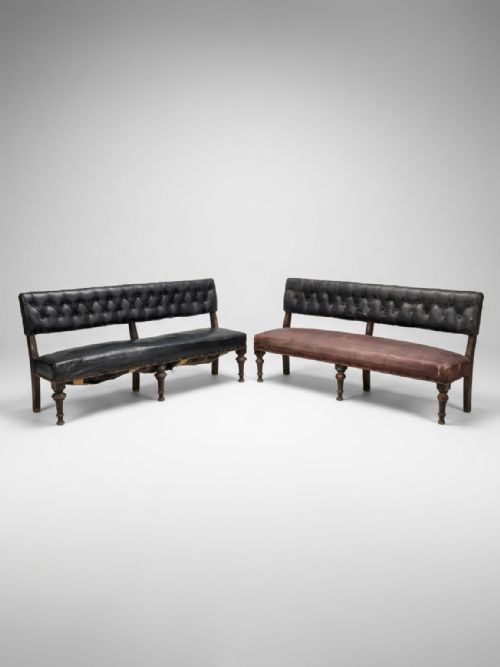
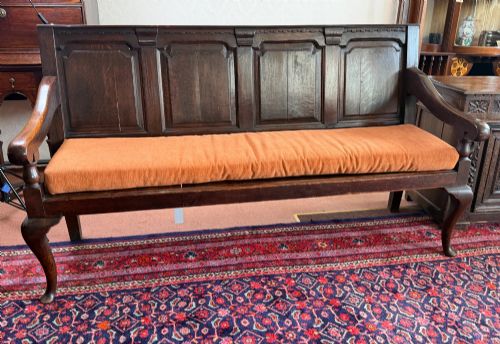
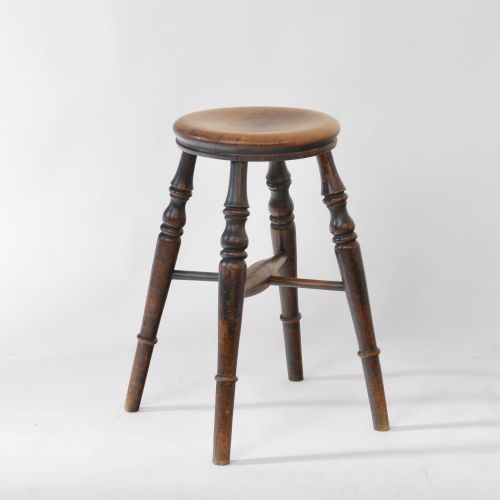
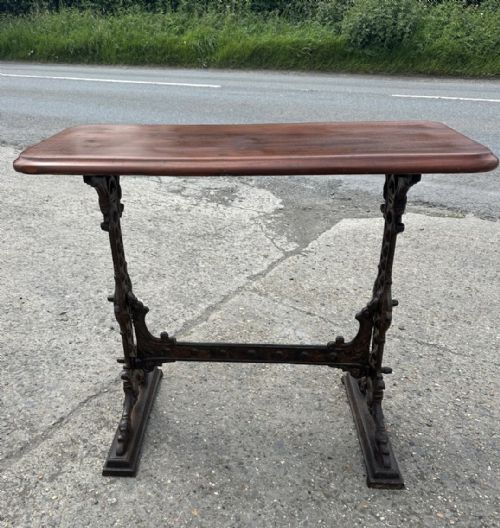
The items most frequently encountered on this page include simple wooden stools, long tavern benches, settles and cast iron pub tables. These forms date primarily from the nineteenth century, reflecting the material culture of Victorian and Georgian drinking establishments.
Makers produced these objects for heavy daily use in public houses rather than polite drawing rooms. Consequently, the surviving examples retain a rugged character shaped by decades of commercial service.
How they were made
Workshops utilised durable native timbers such as pine, elm, sycamore, beech and mahogany to withstand constant handling. Carpenters joined these woods with sturdy construction methods to ensure everyday stability without decorative excess.
Foundries supplied heavy cast iron and cast bronze for table bases, door handles and push plates, providing a permanent foundation. Woodworkers then fitted original mahogany or painted pine tops directly onto these metal structures.
Listings span the nineteenth century, Victorian era, nineteen-twenty and eighteen hundred, featuring pine, cast iron, mahogany and elm.
What varies in quality
Quality rests upon the integrity of the original timber and the retention of authentic commercial surfaces. Pieces retaining genuine paintwork or original mahogany tops command greater interest than heavily restored alternatives.
Structural honesty and the harmony of combined materials distinguish better examples from ordinary utility work. Heavy cast iron bases bearing named designs demonstrate superior foundry output compared to plain commercial castings.
The Traditional Pub Furniture Glossary
- Settle
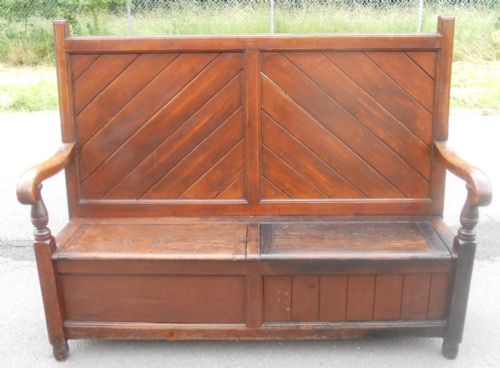
- A wooden bench with a high back and solid arms designed to block draughts in public rooms. These pieces often feature panelled backs and box seats.
- Tavern stool
- A compact, sturdy seat constructed with a timber top and turned legs for use at public bars. They rely on simple joints to endure constant movement.
- Britannia table
- A small pub table supported by a heavy cast iron base typically cast in the form of Britannia. These tables provided a stable surface that resisted tipping.
- Chiffonier
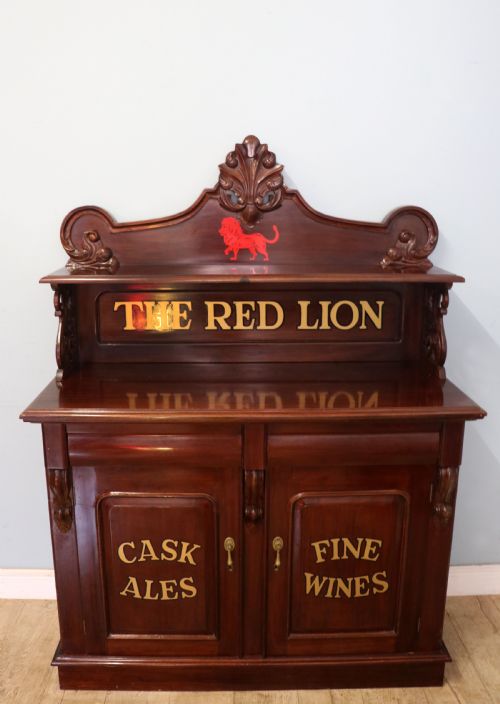
- A low sideboard fitted with enclosed cupboards and shelving, occasionally adapted with public house sign-writing. They offered storage for glassware and bottles.
Traditional Pub Furniture: Frequently Asked Questions
How do I use a tavern bench at home?
Tavern benches suit long dining tables or hallways where sturdy, space-efficient seating is required. Their high backs also create sheltered seating zones in larger rooms.
Position them against plain walls to let the timber grain and honest joinery stand out without distraction.
Are cast iron pub tables heavy?
These tables combine heavy metal bases with solid wood tops to prevent tipping during busy service. This substantial weight keeps them firmly in place on uneven stone or timber floors.
Move them with care to protect delicate flooring from the unyielding iron feet.
What woods appear most often?
Pine, beech, elm and sycamore dominate these utilitarian seating and table forms. Workshops selected them for local availability and resistance to splintering.
Mahogany occasionally appears on high-traffic surfaces like table tops or sideboard counters.
How do I date nineteenth-century pub furniture?
Dating relies on examining the tool marks, timber shrinkage and structural fasteners used within the frame. Commercial pieces rarely carry maker signatures, requiring stylistic comparison with known regional types.
Cast iron components sometimes display registry marks or foundry names that narrow the production window.