


19th Century Tavern Seating
These 19th century tavern seating pieces bring robust timber construction and honest public house utility straight into a domestic interior.
19th Century Tavern Seating
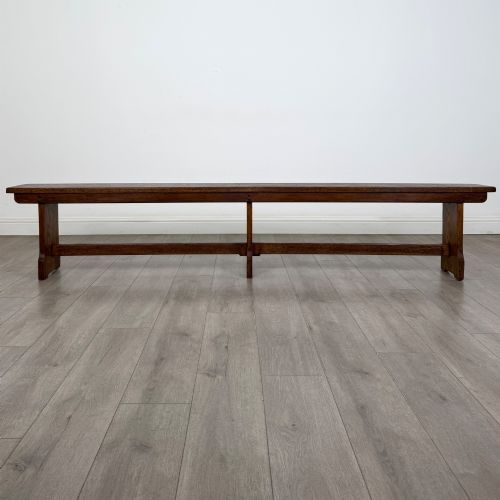
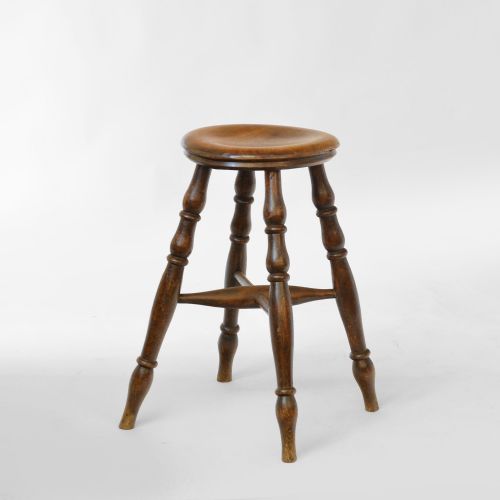
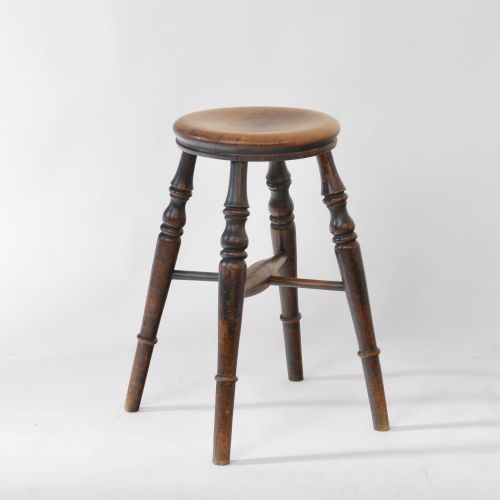
When you search for 19th century tavern seating, you encounter sturdy utilitarian forms designed for heavy daily use in public houses and alehouses. The selection spans long benches, tall bar stools, and supportive armchairs or desk chairs.
The pieces on this page lean heavily towards stools and benches built for commercial spaces. You will find examples from the Georgian period through to Victorian vernacular styles, alongside pieces dated around 1900.
Materials and construction
These items rely on durable British hardwoods chosen for their strength under pressure. Joinery typically combines elm, oak, sycamore, beech, ash, and pine in solid timber builds designed to withstand constant wear.
Makers utilised contrasting woods within single pieces, pairing beech frames with elm seats to ensure maximum longevity. Construction focuses purely on structural integrity rather than delicate decorative flourish.
Current listings feature items spanning the 19th Century, Victorian period, and 1900, constructed entirely from solid hardwoods including elm, oak, and sycamore.
Judging the quality
Quality in these commercial pieces rests upon the integrity of the timber and the honesty of the surviving structure. Heavy timber shrinkage and deep surface patination distinguish pieces that spent decades in active service from later imitations.
Proportion and the intelligent combination of woods dictate the hierarchy among these utilitarian seats. A well-balanced elm seat paired with a sturdy beech or ash frame demonstrates superior regional craftsmanship.
The 19th Century Tavern Seating Glossary
- Vernacular
- Everyday utilitarian objects made by local tradespeople rather than high-end urban workshops. This style prioritises function and local material availability above prevailing fashion.
- Saddle seat
- A wooden seat base scooped out for ergonomic comfort during long periods of sitting. This technique is frequently seen on heavy stools and Windsor chairs.
- Pub stool
- A tall, elevated seat designed specifically for use near a drinking counter or bar. These pieces often feature ring turnings or stretcher bars for footrests.
- Alehouse
- A historical term for a small establishment licensed to sell alcoholic drinks. Furniture from these venues was built with exceptional robustness to endure rough treatment.
19th Century Tavern Seating: Frequently Asked Questions
What defines 19th century tavern seating?
These pieces comprise sturdy wooden stools, benches, and chairs built for commercial drinking establishments.
They rely on robust British hardwoods like elm and oak to withstand heavy daily use.
How were these pub stools used?
Stools and benches provided high-density seating around public house bars and taprooms.
Their tall profiles and simple forms allowed patrons to gather quickly and comfortably.
Where should I place tavern benches?
Long benches and tall stools suit country kitchens, hallways, or dining spaces.
Their narrow footprints make them practical for modern rooms needing authentic character.
How do I spot a genuine piece?
Genuine examples display deep surface patination and natural wear from decades of public use.
Look for solid construction using traditional hardwoods like sycamore, beech, and ash.