


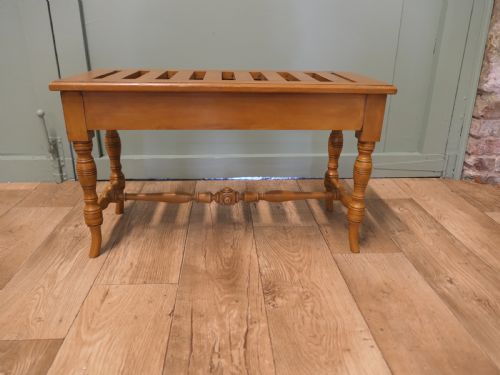
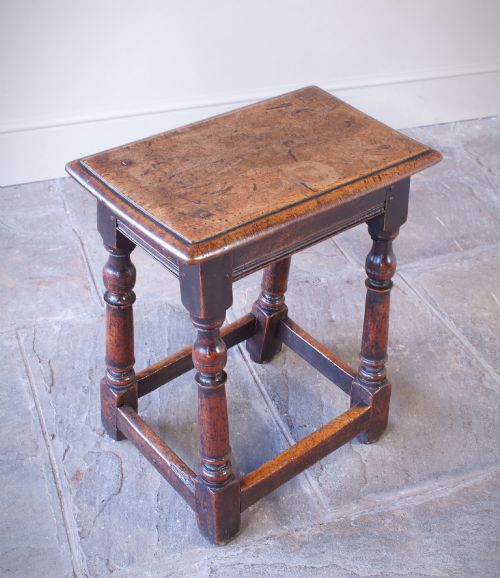
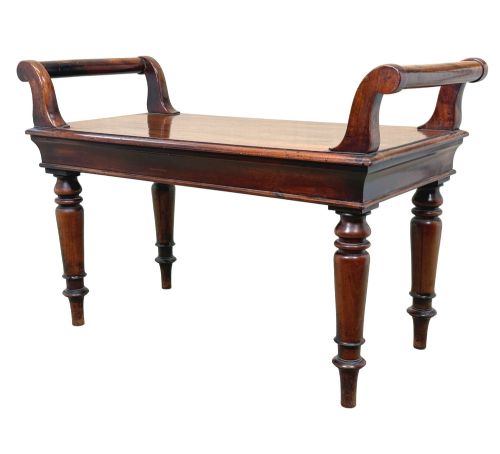
Turned Leg Wooden Stool
A turned leg wooden stool brings solid timber and functional shape together, offering straightforward seating with history.
Turned Leg Wooden Stool
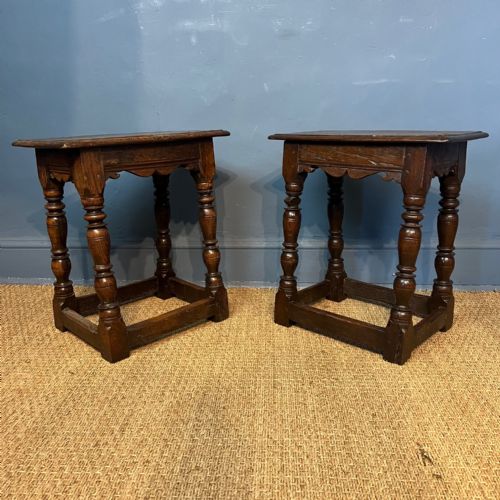
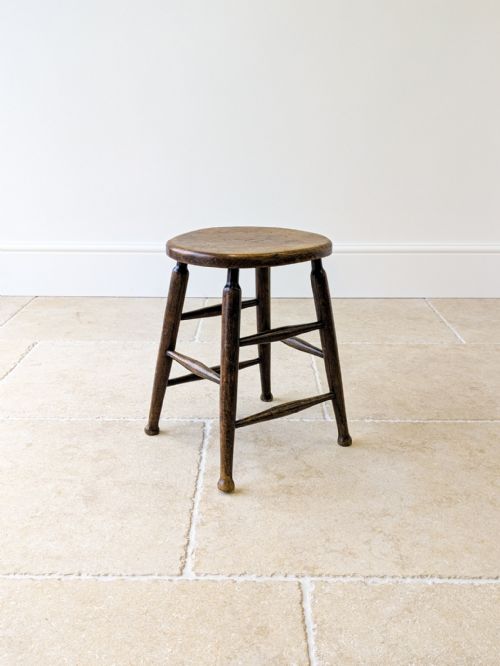
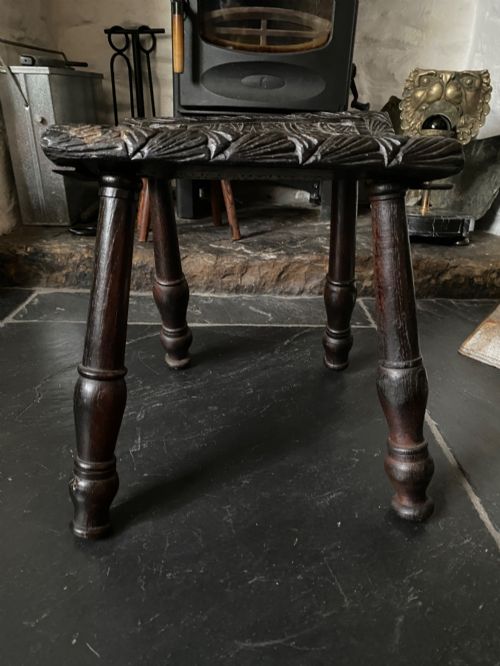
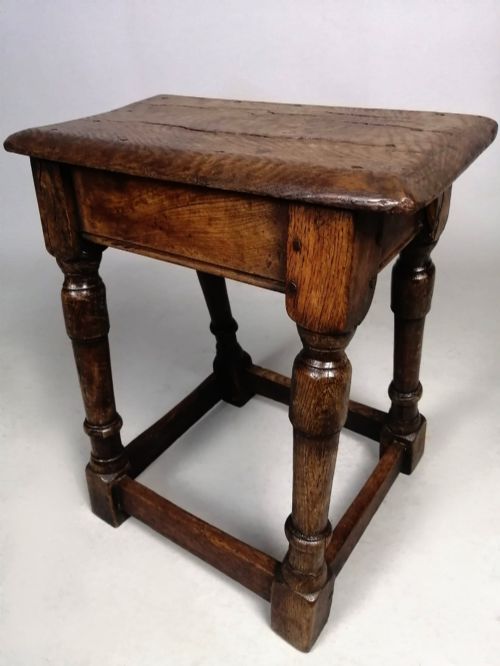
When you search for a turned leg wooden stool, you encounter seating designed for practical daily use across several centuries. The selection ranges from early joint stools to nineteenth-century tavern seats and domestic footstools.
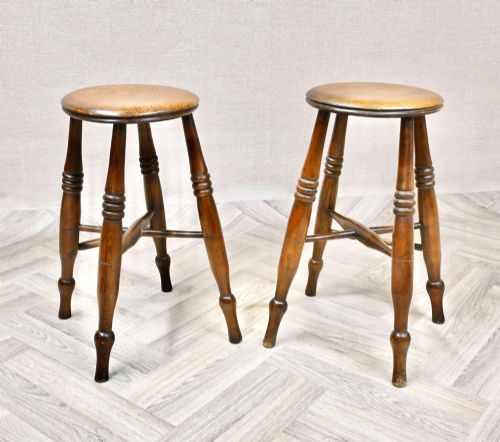
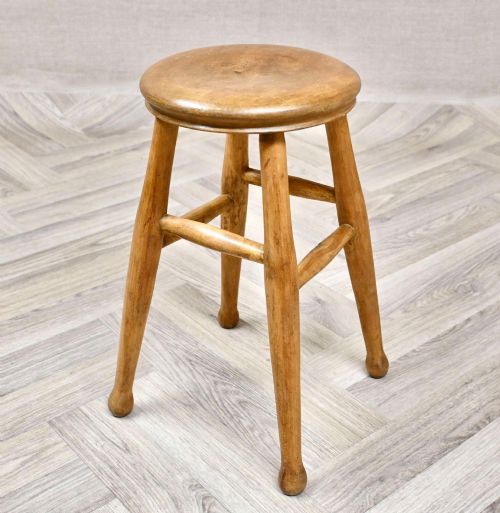
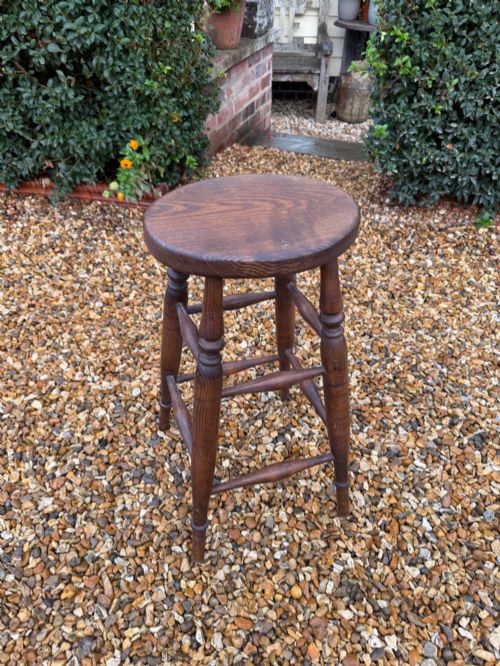
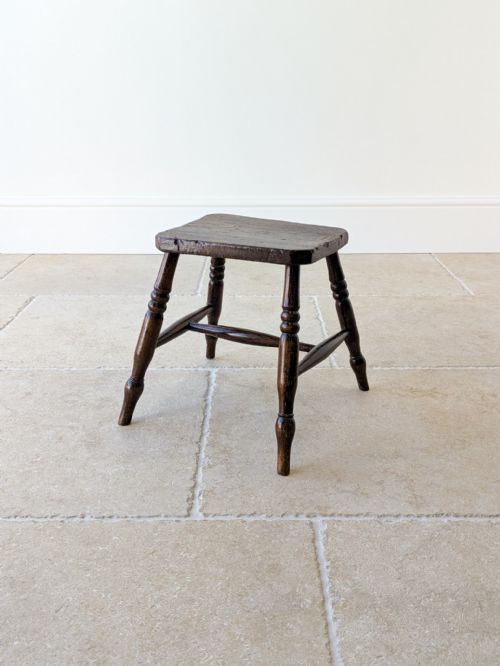
The version you meet most often on this page is the nineteenth-century country stool in oak, elm, or beech. These pieces combine simple turned supports with solid timber tops shaped for everyday utility.
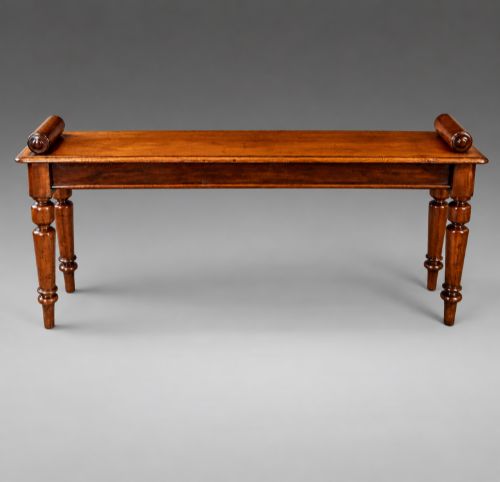
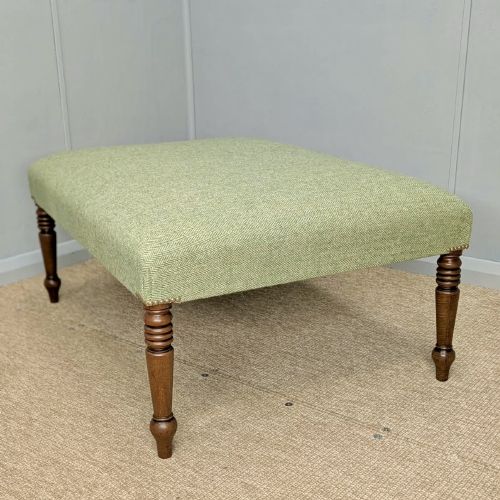
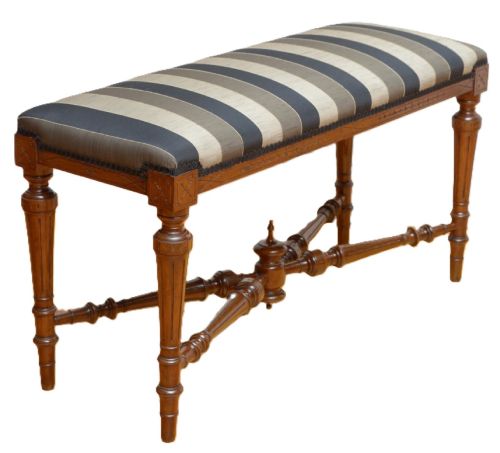
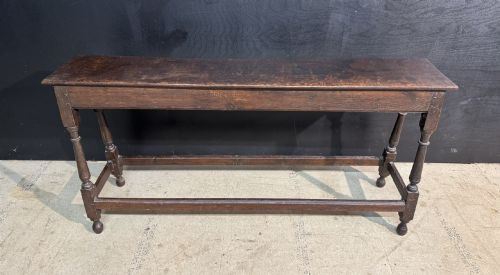
Forms extend from low footstools and piano stools to taller pub seating and long benches. Regional variations show how makers adapted basic turned supports to local domestic and tavern needs.
What varies in quality
Quality rests in the integrity of the timber selection and the precision of the turning work. Dense oak or figured mahogany surfaces show greater depth than softer pine alternatives.
The harmony between the turned legs and the seat slab determines the visual balance of the piece. Crisp joinery without excessive replacement parts marks the higher end of the range.
Turned Leg Wooden Stool Retail Price Guide 2026
Typical asking prices for turned leg wooden stool among the pieces listed under this phrase on Sellingantiques today, from the lower quarter to the upper quarter. They describe what is for sale here now, not the wider market.
Several tavern stools arrive with distinctly dished oval tops, shaped by generations of impatient patrons.
The Turned Leg Wooden Stool Glossary
- Joint stool
- An early form of wooden stool constructed with mortise and tenon joints rather than turned legs alone. These sturdy pieces date back to the seventeenth and eighteenth centuries.
- Windsor stool
- A traditional seat featuring turned spindles and legs wedged directly into a thick wooden seat. Country makers utilised elm and beech for these durable domestic items.
- Tavern stool
- A sturdy public house seat typically built with a dished wooden top and heavy turned legs. Beech and elm frequently formed the primary construction materials.
- Bobbin turning
- A lathe-cut decorative detail resembling a string of rounded wooden beads. This technique appeared on seventeenth-century furniture and later revival pieces.
Turned Leg Wooden Stool: Frequently Asked Questions
How do I date a wooden stool?
Examine the timber selection, tool marks, and construction methods used in the frame. Older pieces often display hand-sawn surfaces and pegged joints.
Style indicators like bobbin turning or heavy oak construction point to earlier periods, whereas twentieth-century items show different manufacturing signatures.
Were joint stools used for sitting?
Joint stools served primarily as flexible seating around domestic tables. Their sturdy frames also allowed them to function as small side tables or stands.
In earlier centuries, they held positions of importance in the main hall before lighter seating became common.
What woods were used for country stools?
Country makers relied on local hardwoods such as oak, elm, beech, and sycamore. Oak provided robust framing, while elm offered tough qualities suitable for solid seats.
Beech lent itself well to lathe turning for legs and stretchers.
How do I care for an antique wooden stool?
Keep wooden surfaces away from direct heat sources and sudden humidity changes to prevent timber splitting. Regular applications of appropriate wax help nourish the historic finish.
Avoid excessive moisture during cleaning to protect both the wood and any historic upholstery.