

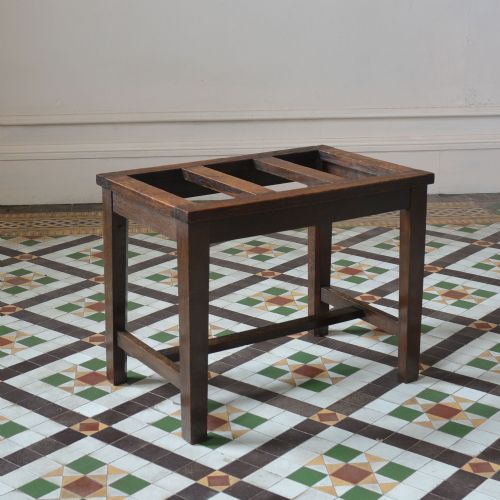
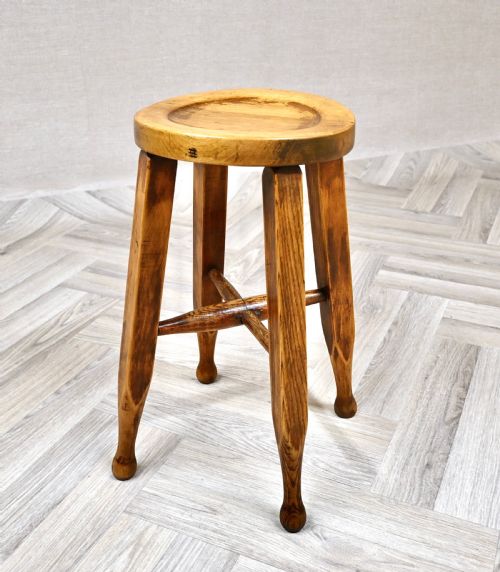
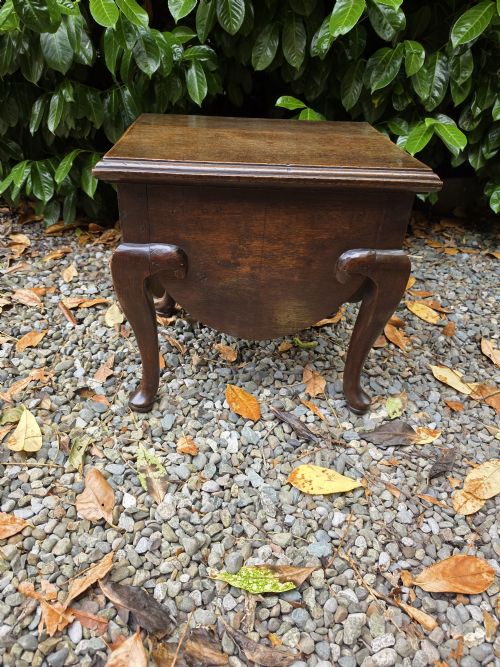


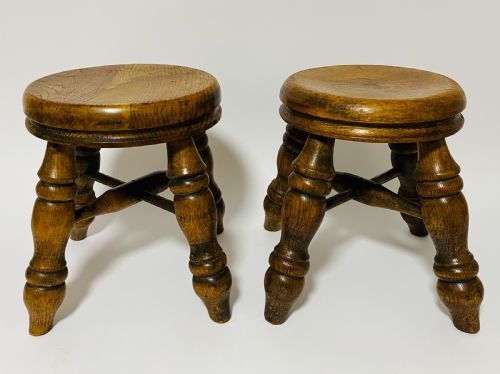


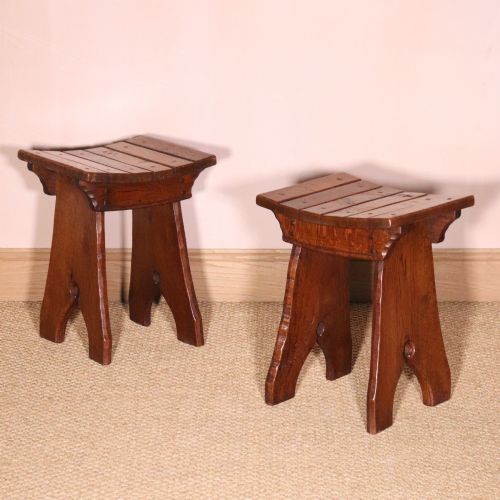


Solid Oak Stool
A solid oak stool brings honest timber and timeless utility into a room, offering robust seating or a sturdy surface.
Solid Oak Stool
A solid oak stool encompasses a range of seating and storage forms rooted in utilitarian history and traditional craftsmanship. Pieces found here span from the eighteenth century through the Victorian era into twentieth-century revivals.
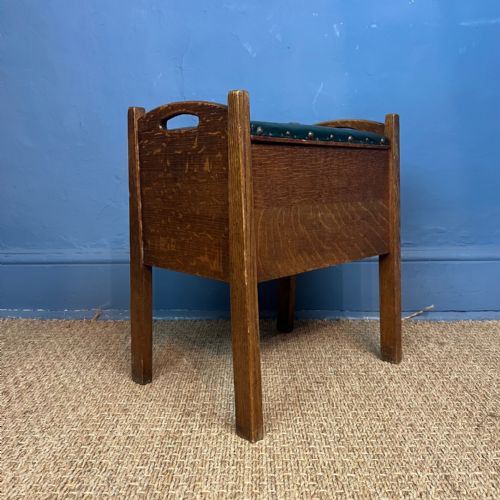
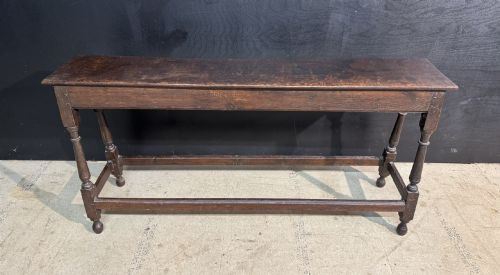
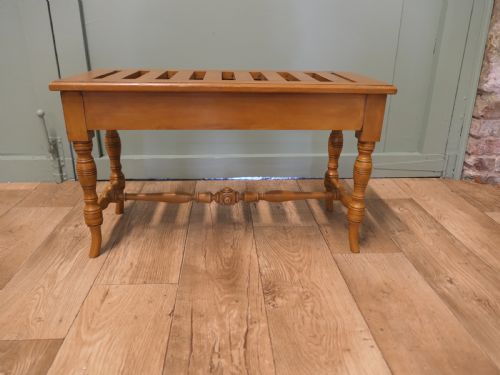
Joint stools dominate the selection, alongside window seats, benches, saddle-seated variations, and storage boxes. Makers draw upon Arts and Crafts, Jacobean Revival, Queen Anne, and rustic country aesthetics to shape the timber.
Materials lean heavily on robust oak, occasionally paired with elm, reflecting utilitarian demands of past centuries. Forms vary from simple rectangular frames to carved box stools and cabriole-legged seats.
Materials and construction
Makers utilise solid oak and elm, building frames through traditional joinery methods that ensure longevity without metal fixings. Surfaces often display carved and pierced detailing, particularly along aprons and sides.
Upholstered top variations incorporate leather or fabric pads set above sturdy wooden rails, while saddle seats are carved directly into the thick timber. Structural integrity relies on pegged joints and substantial scantlings of hardwood.
Solid Oak Stool Retail Price Guide 2026
Typical asking prices for solid oak stool among the pieces listed under this phrase on Sellingantiques today, from the lower quarter to the upper quarter. They describe what is for sale here now, not the wider market.
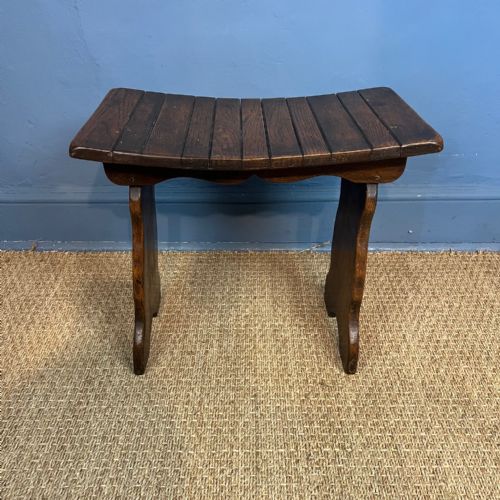
A saddle-seated stool invites you to imagine a craftsman shaping solid timber by eye, leaving a dip tailored to daily wear.
Judging quality
Quality rests in the depth of carving, the crispness of turned or straight legs, and the integrity of the original joints. Superior examples exhibit harmonious proportions and timber selection that highlights natural grain and medullary rays.
Earlier periods show hand-tooled tool marks and patination earned through centuries of use, distinguishing them from later revival pieces. The execution of pierced sides and the tightness of peg construction separate standard utilitarian seating from finer workshops.
Jack Grimble
The Solid Oak Stool Glossary
- Joint stool
- A sturdy wooden stool constructed with mortise and tenon joints, historically used for sitting or reaching high places.
- Cabriole leg
- A furniture leg that curves out and then in, resembling the shape of an animal's leg.
- Saddle seat
- A wooden seat carved with a hollowed contour to fit the sitter, often found on Arts and Crafts pieces.
- Ecclesiastical
- Pertaining to the church, describing items originally made for religious buildings or featuring Gothic architectural motifs.
- Medullary rays
- Flakes or ribbons of cellular tissue visible in quartersawn oak, creating a characteristic silver figure.
Solid Oak Stool: Frequently Asked Questions
How do I date a solid oak stool?
Dating relies on examining tool marks, construction methods, and stylistic cues like turnings and carvings. Eighteenth-century pieces typically show hand-bevelling and pegs that sit flush with the wood.
Revival pieces from the nineteenth and twentieth centuries often employ machine-sawn timber or cleaner lines that mimic earlier eras without achieving the same organic patination.
What is a joint stool?
A joint stool is an early form of wooden seating built using pegged mortise and tenon joinery rather than glue. They were strong enough to stand on and served multiple household functions.
These pieces frequently appear in seventeenth-century styles and twentieth-century revivals, prized for their architectural lines.
Are these stools comfortable to sit on?
Many solid oak stools feature flat or saddle-shaped wooden tops designed for upright posture rather than lounging. Upholstered variations offer a softer seat through leather or fabric pads.
Adding a loose cushion provides extra comfort while keeping the original timber frame untouched.
How do I care for antique oak?
Maintain antique oak by keeping it away from direct heat sources and sudden humidity changes that cause the timber to split. Regular dusting with a dry cloth protects the wax finish.
Applying a traditional beeswax polish occasionally helps nourish the wood and preserves its natural sheen.