
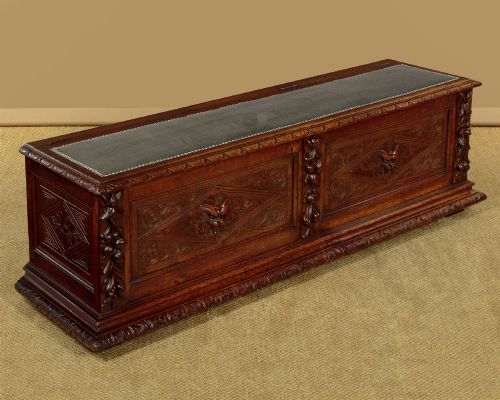
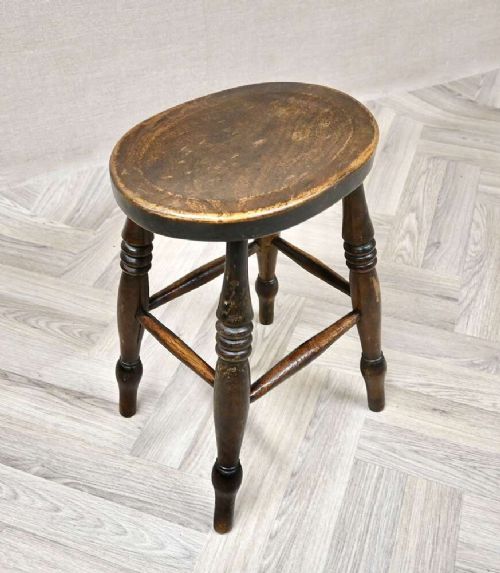
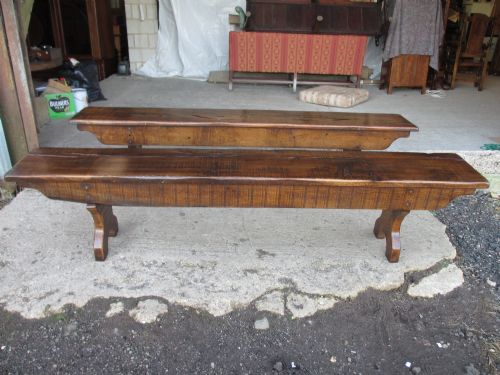
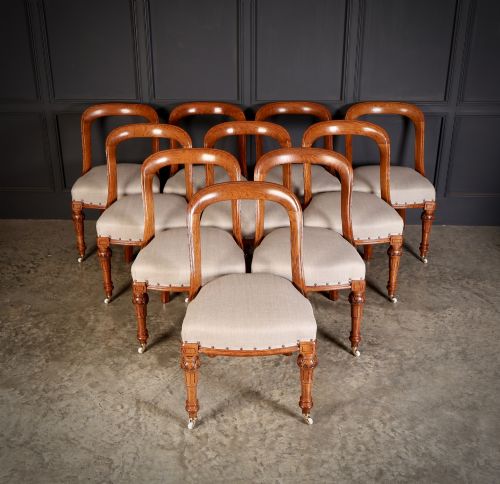
Carved Oak Seat
A carved oak seat brings heavy timber and dark carving into a hall, living room or study with a presence that lasts for centuries.
Forms and periods
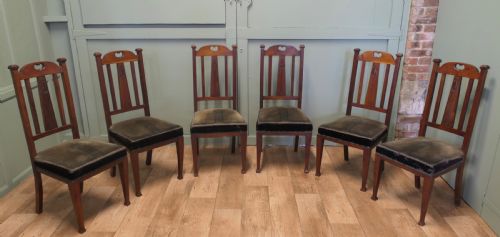
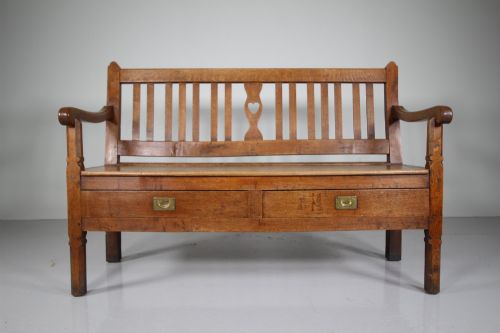
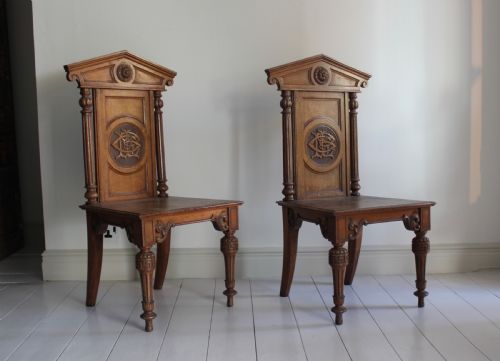
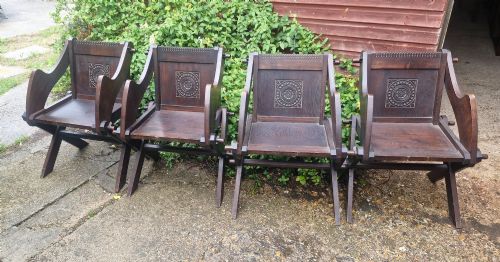
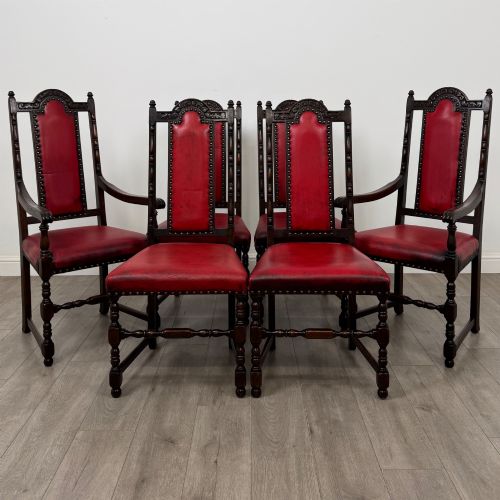
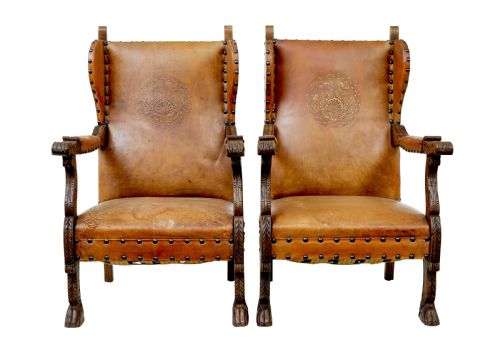
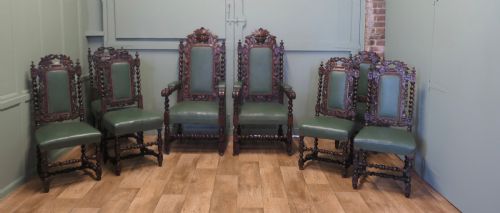
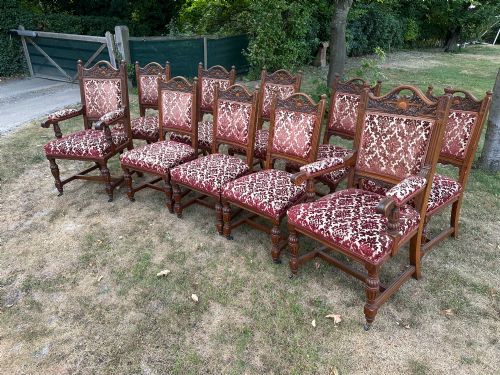
A carved oak seat covers a wide range of domestic furniture designed for hallways, porches and living spaces, including benches, settles, box seats, monks benches, stools and armchairs. When exploring this selection, a buyer encounters forms that span from the late seventeenth century through the Victorian era and the Edwardian period into the twentieth century.
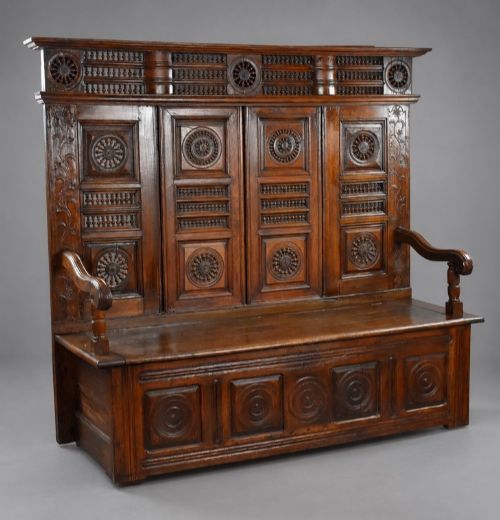
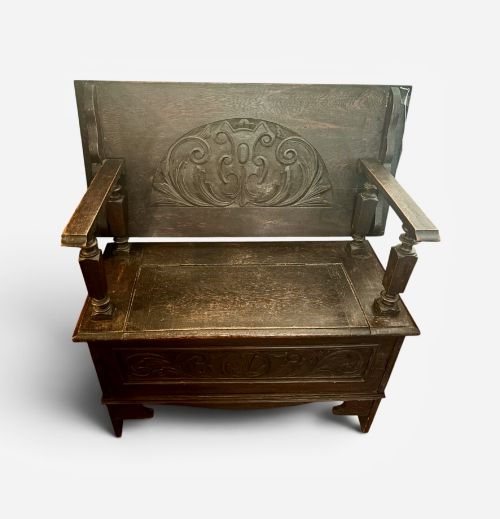
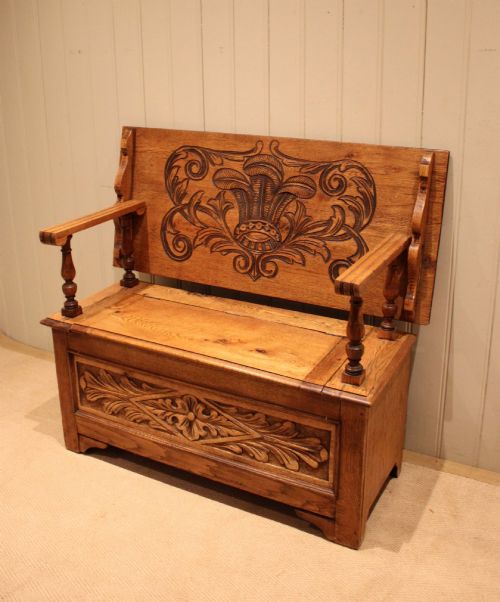
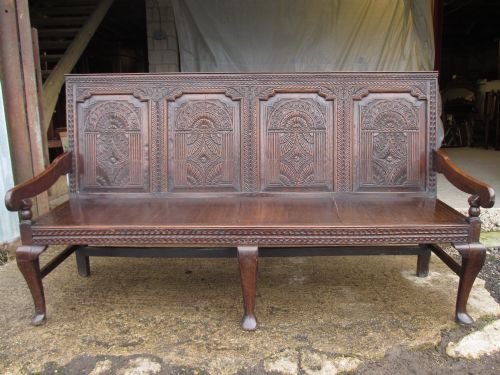
The most common formats found on this page are hall seats, settles and monks benches, which often incorporate storage beneath the seat or a folding back that converts the piece into a table. These domestic survivors reflect historical revivals, notably Gothic and Jacobean styles, alongside simpler Arts and Crafts production.
Craftsmanship and distinction
Distinction in these pieces rests on the depth and crispness of the hand carving, the weight and figure of the timber, and the integrity of the original construction. Earlier examples or those executed by skilled workshops display confident relief work and well-balanced proportions that mark them out from mass-produced later copies.
The survival of original surface patination, sturdy joints without excessive modern replacement timber, and functional moving parts on convertible settles or box seats elevate certain pieces above standard utilitarian examples.
Retail Price Guide 2026
Typical UK retail prices for carved oak seat, calculated from the Sellingantiques database of over a million retail prices indexed since 2003. This retail price guide relies exclusively on Sellingantiques data; no external sources or auction records are used, so the figures do not describe the wider market.
Listings span from the 17th century through Victorian and Edwardian eras to the 1940s, featuring oak, leather, and fabric materials.
Jack Grimble
The Carved Oak Seat Glossary
- Settle
- A wooden bench with high back, solid arms and often a box compartment beneath the seat. It provided draught protection in large, cold rooms.
- Monks bench
- A convertible piece of furniture featuring a hinged back that folds down over the arms to form a table top, sitting above a box seat base.
- Joint stool
- A sturdy wooden stool constructed with mortise and tenon joints using pegs rather than glue. They served multiple seating and utility roles.
- Green Man
- A sculptural motif representing a human face surrounded by or sprouting from foliage. It appears frequently in Victorian Gothic revival woodwork.
- Tracery
- Architectural stone window ornamentation translated into carved wooden panels. It characterises Gothic revival and ecclesiastical furniture forms.
Frequently Asked Questions
What is a monks bench used for?
A monks bench serves dual purposes as both a seat and a small table. The hinged back tilts forward onto the arms to create a flat surface.
Beneath the hinged lid lies a storage compartment for blankets, hats or household items. This space-saving design suited smaller hallways and parlours.
How do I date a carved oak seat?
Dating relies on examining the construction methods, tool marks and decorative style. 17th-century pieces often show hand- split timber and pegged joints with simpler, deeper relief carving.
Victorian and later revival pieces tend to feature machine-sawn timber elements, mechanical tool marks and eclectic revivals of Gothic or Jacobean motifs.
Where should I place a hall seat?
A hall seat belongs in an entryway, passage or corridor where its sturdy oak construction handles daily comings and goings. Box seat variants provide hidden storage for shoes and accessories.
Ensure the piece fits the passage width, as settles and monks benches often feature high backs and deep footprints that require adequate clearance.
Are these seats comfortable for daily use?
Historic wooden benches and settles were built primarily for upright posture and durability rather than deep lounging. Many feature high wooden backs and solid timber seats.
Adding a loose fabric cushion or sheepskin softens the seating surface while preserving the historic wood frame underneath.