

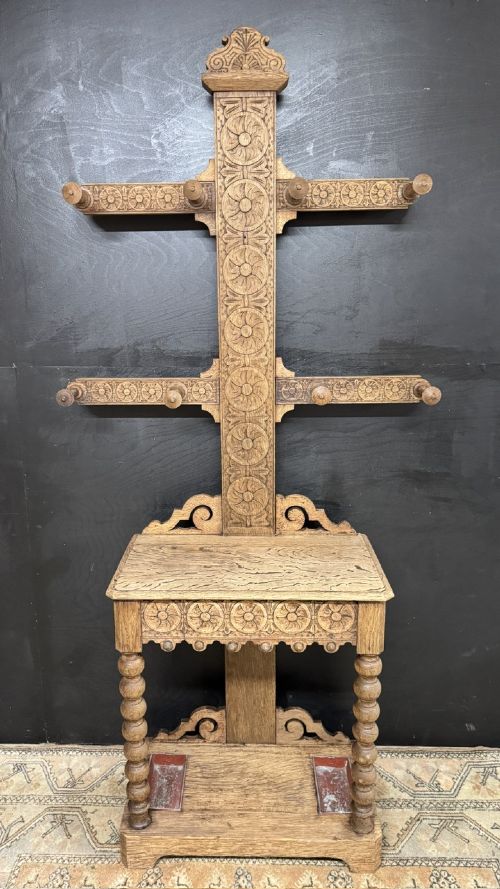


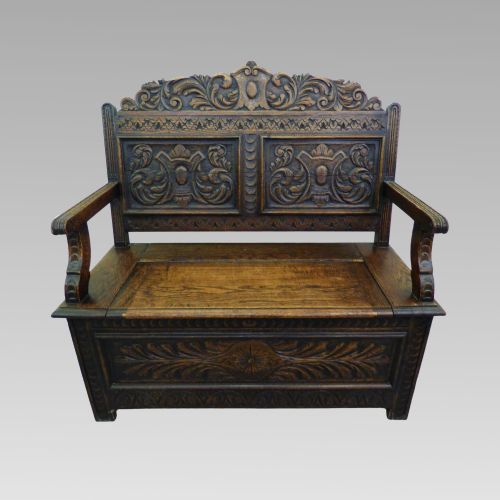
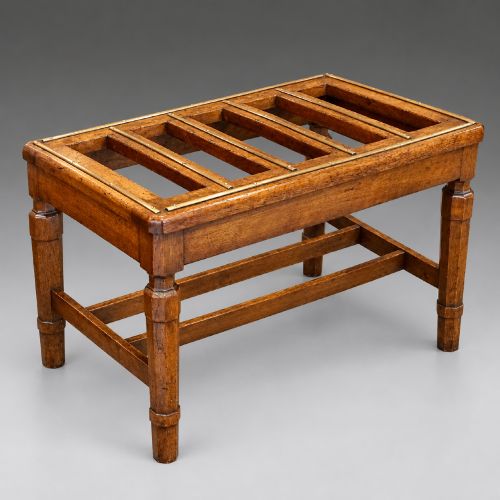

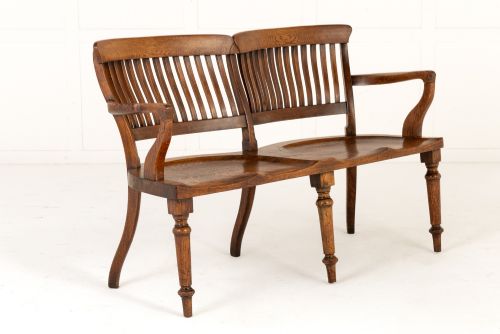

Victorian Oak Bench
When you search for a victorian oak bench, you enter a world of heavy timber, ecclesiastical revival, and practical entrance hall seating designed to impress visitors.
Victorian Oak Bench
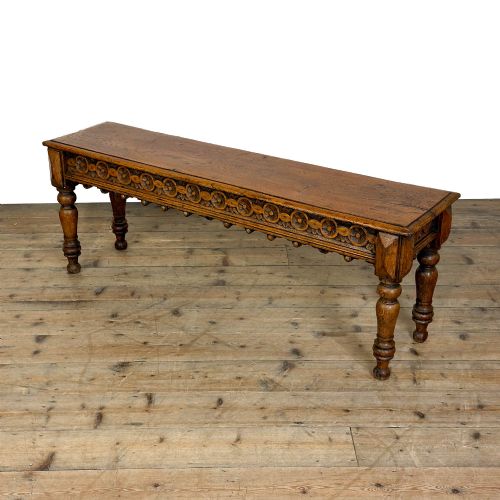
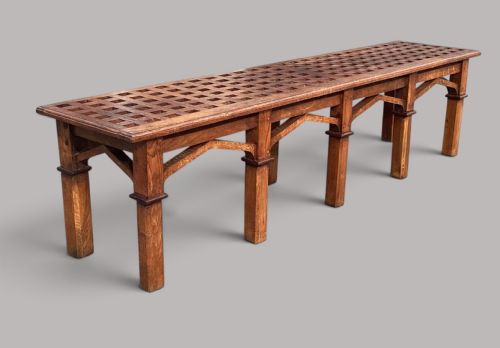
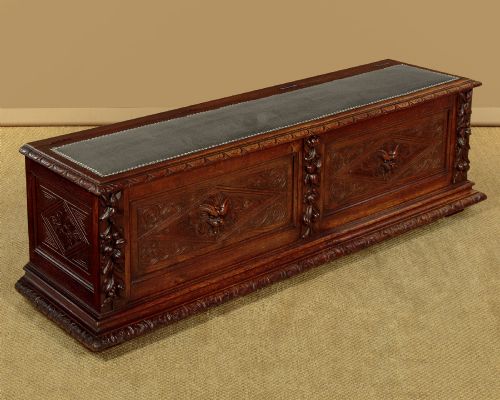
A victorian oak bench encompasses a diverse group of nineteenth-century seating designed primarily for hallways, churches, and country houses. You will frequently encounter hall benches, settles with storage boxes, and window seats spanning the period from the 1850s through the end of the century.
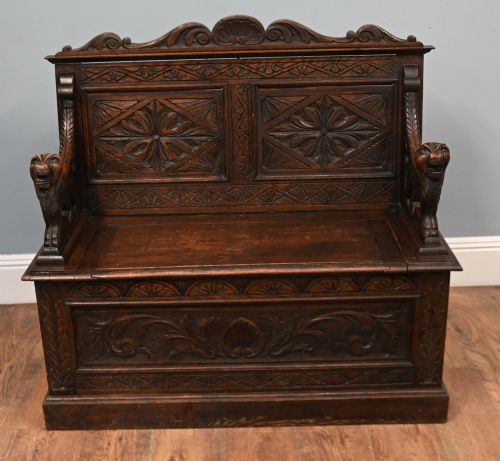
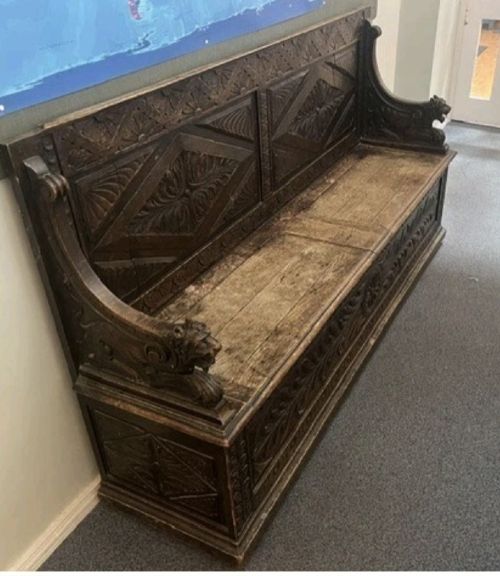
The forms range from simple panelled settles to elaborate Gothic Revival and Jacobean Revival creations featuring carved linenfold, tracery, and architectural elements. Many examples double as storage chests with lift-up lids, serving the practical needs of nineteenth-century domestic life.
What varies in quality
Quality reveals itself in the depth and crispness of the timber carving, the selection of figured oak boards, and the integrity of the original joinery. Maker attribution also plays a role, with documented workshops commanding attention for their refined proportions and superior hardware.
Simpler vernacular pieces rely on honest country construction, whereas high-revival examples demonstrate complex architectural framing, specialised turning, and integrated storage solutions that remain tight and square over generations.
Victorian Oak Bench Retail Price Guide 2026
Typical asking prices for victorian oak bench among the pieces listed under this phrase on Sellingantiques today, from the lower quarter to the upper quarter. They describe what is for sale here now, not the wider market.
Listings feature oak alongside elm and structural metals including brass and iron across the nineteenth-century styles.
GIllows·James Shoolbred & Co.
The Victorian Oak Bench Glossary
- Settle
- A wooden bench with a high back, solid arms, and often a hinged seat concealing a box for storage. This form kept drafts away from the sitter in cold hallways.
- Monk's bench
- A versatile convertible seat featuring a pivoting back that folds down to form a table top. It represents a clever space-saving design popular in nineteenth-century interiors.
- Gothic Revival
- A decorative style inspired by medieval architecture, characterised by pointed arches, trefoils, and heavy tracery. It heavily influenced Victorian ecclesiastical and domestic seating.
- Hall bench
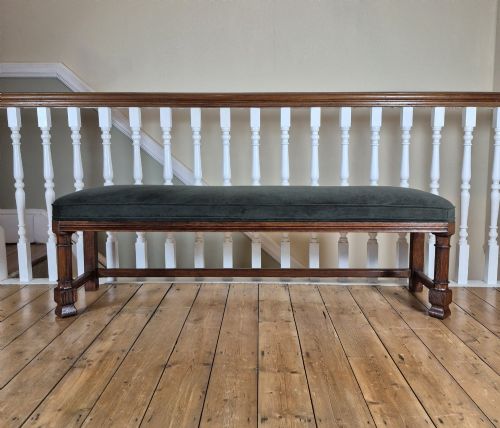
- A narrow seat placed in an entrance lobby, frequently incorporating umbrella stands, coat hooks, or panelled backs. It greeted arriving guests with an air of formal hospitality.
- Bobbin turned
- A style of furniture leg or stretcher shaped on a lathe to resemble a series of wooden bobbins or spools strung together. This turning method added tactile texture to seventeenth-century revival pieces.
Victorian Oak Bench: Frequently Asked Questions
Where were these benches placed originally?
These seats stood primarily in entrance halls, boot rooms, and corridors of Victorian homes to provide a sturdy place for removing outdoor wear.
Larger country houses and ecclesiastical settings also utilised them in large numbers for guests, staff, and churchgoers awaiting services.
How do I care for antique oak furniture?
Maintain the timber by applying a traditional bees-wax polish periodically to nourish the dry wood and protect the original surface finish.
Keep the bench away from direct heat sources and dramatic humidity shifts to prevent the solid oak panels from splitting or warping.
Can I use a hall bench for daily seating?
These robust timber frames easily handle everyday use in modern hallways, boot rooms, and kitchens without losing their structural integrity.
Adding a loose squab cushion in fabric, leather, or velvet can increase comfort for prolonged seating periods.