




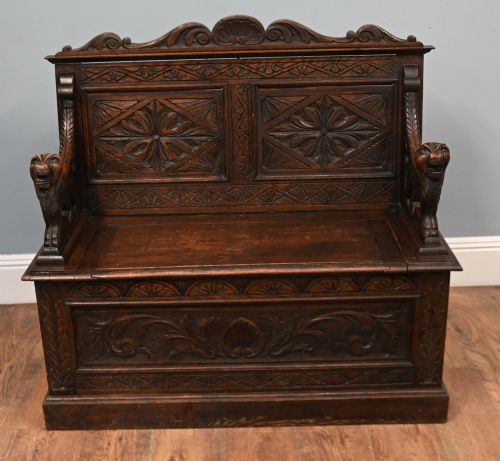
Victorian Hall Bench
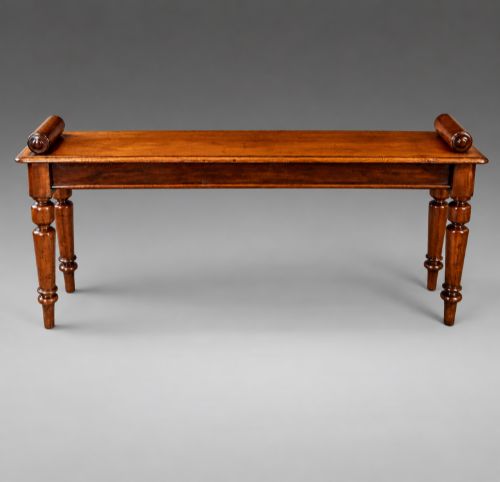
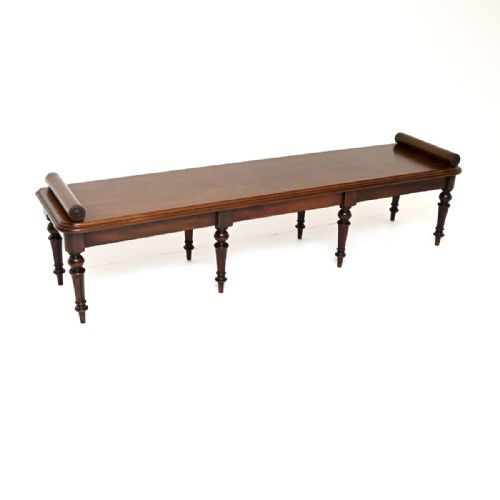
A victorian hall bench offers a striking architectural welcome to an entranceway, combining practical seating with substantial timber presence.
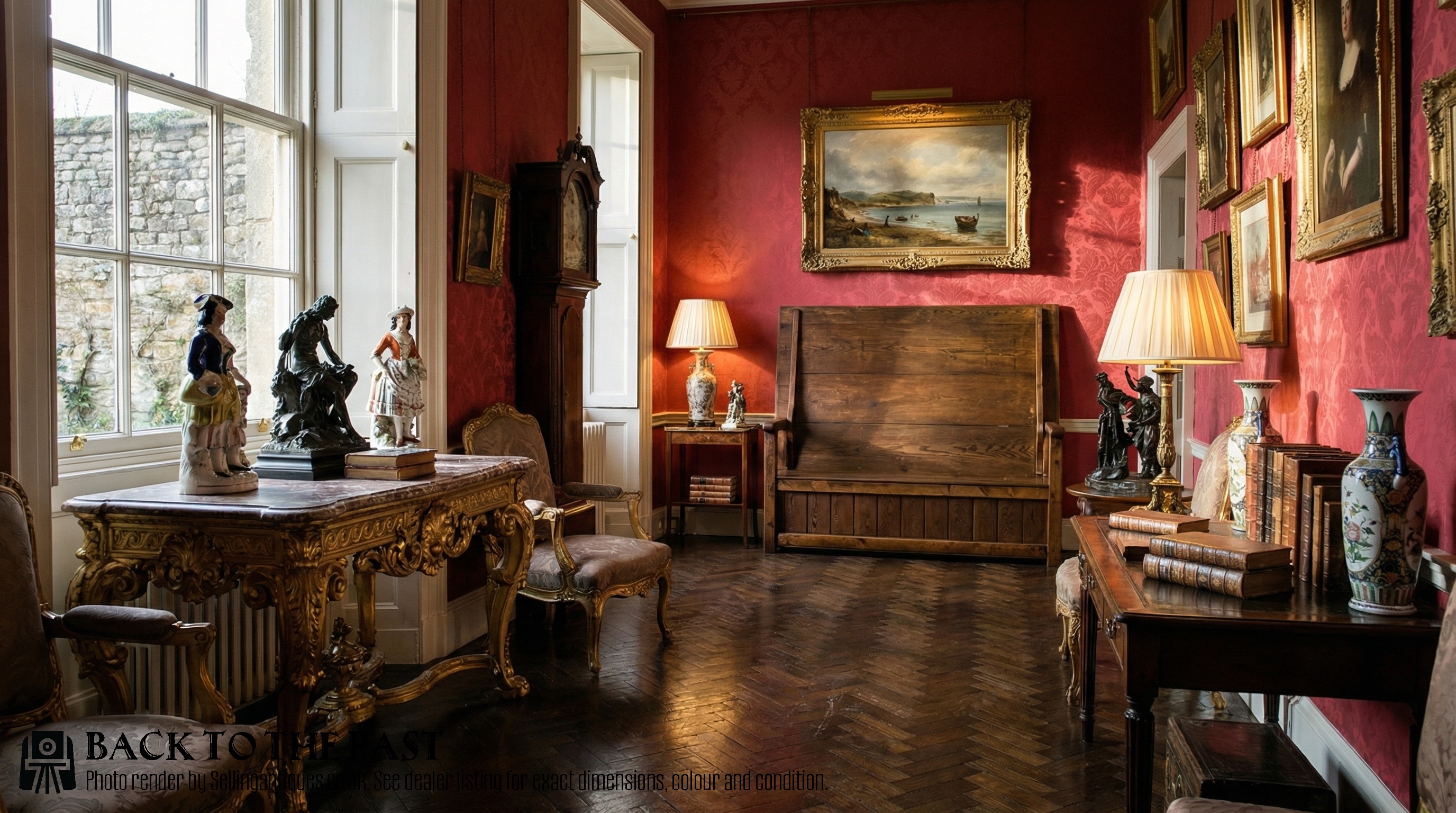
Victorian Hall Bench
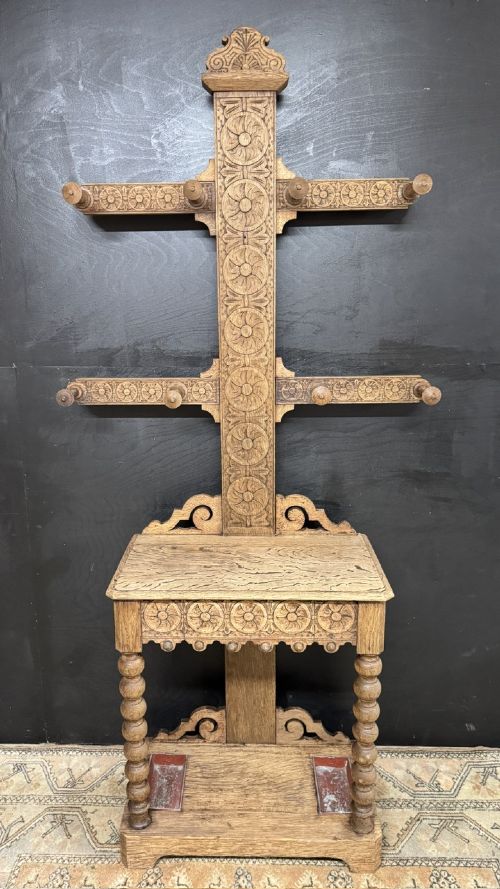
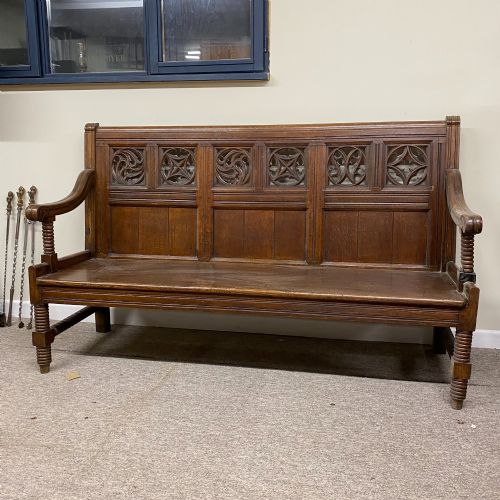
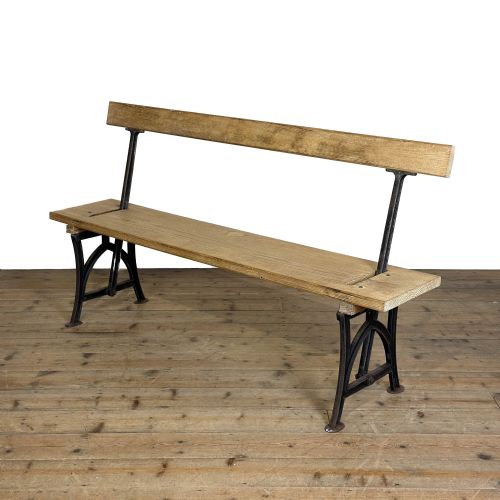
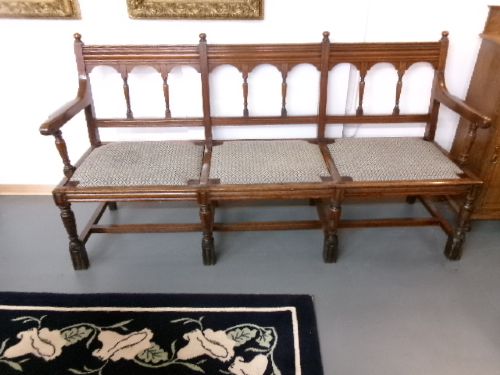
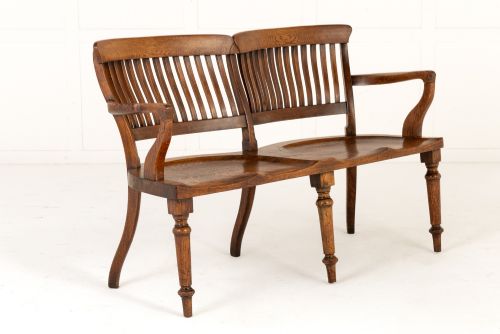
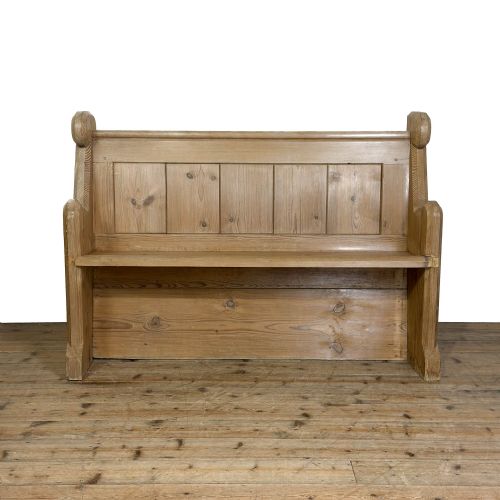
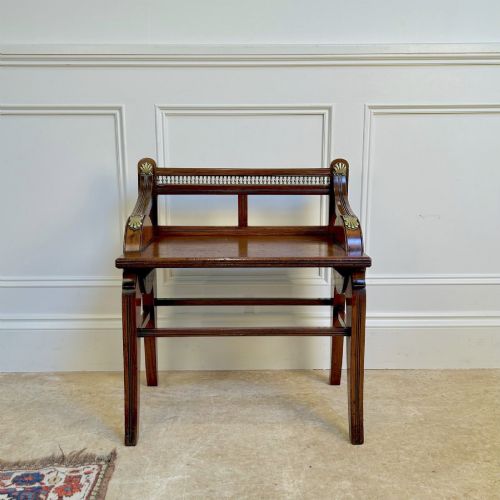
A victorian hall bench serves as a functional piece of entrance furniture designed to provide seating while guests removed coats and boots. The listings show these pieces appearing frequently in solid oak, pine, and mahogany, often taking the form of high-backed settles, box seats, or combined hall stands with integrated umbrella racks.
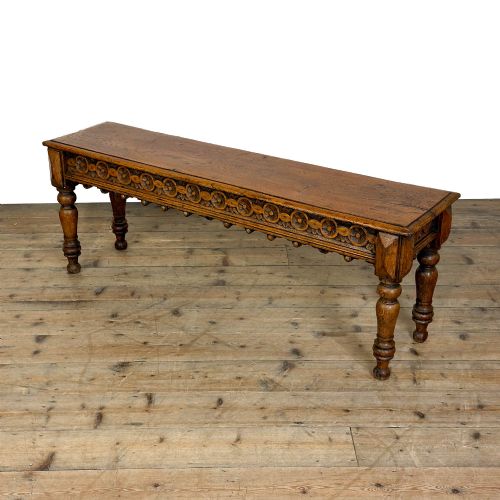
Most examples found on this page date from the nineteenth century, featuring styles that range from heavy Gothic Revival paneling to simpler rustic farmhouse designs. Makers utilised architectural elements such as carved armrests, hinged storage lids, and tall backboards fitted with brass or iron coat hooks.
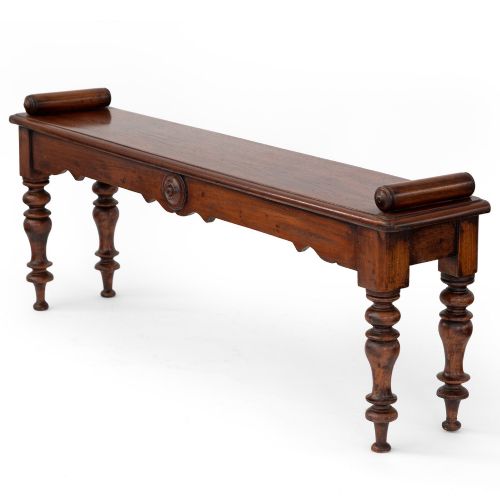
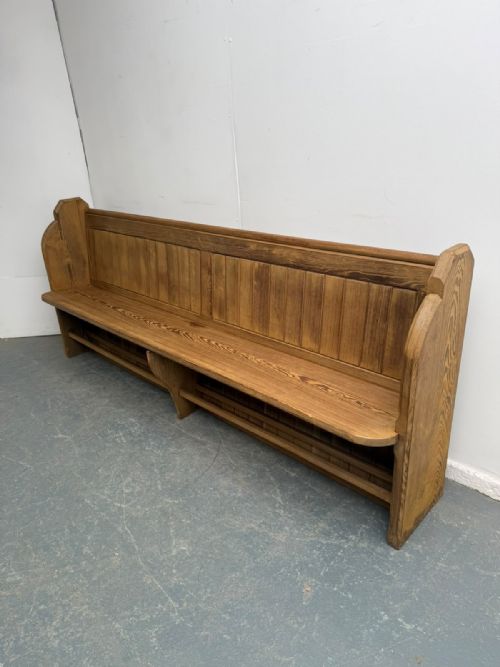
Buyers will encounter variations including narrow window seats, monks benches that convert into small tables, and long church pews adapted for domestic hallways. These pieces reflect the Victorian preference for practical furniture that made a grand impression in narrow entrance spaces.
Materials and construction
Makers constructed these benches predominantly using hardwoods like oak and mahogany, alongside durable pine for painted or country pieces. Joinery relied on traditional mortise and tenon frames, ensuring the structural rigidity required for heavy daily use in busy entranceways.
Surface finishes varied from waxed or polished natural grains to dark ebonised treatments and painted surfaces. Metal components such as brass coat hooks, iron brackets, and hinged fittings provided both structural reinforcement and decorative contrast against the timber.
Victorian Hall Bench Retail Price Guide 2026
Typical asking prices for victorian hall bench among the pieces listed under this phrase on Sellingantiques today, from the lower quarter to the upper quarter. They describe what is for sale here now, not the wider market.
Listings feature oak, pine, and mahogany timbers, spanning periods from the early nineteenth century through to the Edwardian era.
Assessing quality and craftsmanship
Quality in a victorian hall bench lies in the depth and crispness of the timber carving, the integrity of the original joints, and the selection of figured wood. Finer pieces display sophisticated architectural detailing, such as traceried panels or figural carvings, executed by skilled hands rather than routine production methods.
The degree of original hardware survival, including authentic brass hooks and hinges, distinguishes better examples from those heavily restored or altered. Proportions also dictate desirability, with well-balanced seating heights and clever multi-functional designs commanding greater appreciation among collectors.
GIllows·Jas Shoolbred·James Shoolbred & Co.
The Victorian Hall Bench Glossary
- Settle
- A wooden bench with a high back, solid wooden arms, and often a box base beneath the seat for storage. This form kept draughts away from people sitting near entrance doors.
- Monks bench
- A convertible piece of furniture featuring a hinged top that folded forward to transform the high back into a table. It served multiple functions in smaller hallways.
- Gothic Revival
- A design style popular during the nineteenth century that revived medieval architectural motifs like pointed arches, quatrefoils, and heavy linenfold panelling.
- Hall stand
- An entranceway item combining a bench seat with a tall vertical backboard fitted with mirror panels, glove boxes, and hooks for hats and coats.
- Box settle
- A bench featuring a compartment beneath the hinged seat lid used historically for storing heavy outer garments and boots.
Victorian Hall Bench: Frequently Asked Questions
Where were hall benches placed?
These benches sat directly inside front entrances, vestibules, and long corridors of large houses and country residences. They provided a designated spot for visitors to sit while waiting or removing outdoor wear.
Their narrow profile ensured they lined hallways without obstructing movement through the primary doors of the home.
How do I use one today?
Modern interiors utilise these pieces in entrance halls, boot rooms, and wide landings to provide practical seating and concealed storage. The integrated hooks or flat surfaces accommodate daily accessories like scarves, bags, and mail.
They also serve effectively in kitchens and dining rooms as alternative seating arrangements against a wall.
Are storage compartments common?
Many examples incorporate a compartment hidden beneath the hinged seat lid. This box section provided historical storage for outdoor gear, blankets, and walking sticks.
Flat-seated varieties without storage compartments tended to focus on lighter architectural frames or window seat configurations.