





Convertible Table Bench
A convertible table bench shifts effortlessly from seat to surface, offering clever space-saving utility rooted in centuries of vernacular tradition.

Convertible Table Bench
A convertible table bench functions primarily as a seat with a pivoting back that folds flat to create a horizontal table top. The listings show forms ranging from heavy seventeenth-century oak chair-tables to later Victorian and nineteen-twenties monk's benches.
Buyers meet variations such as hall seats, settles, and chair-tables constructed from solid timber. These pieces serve narrow hallways or compact rooms where dual-purpose furniture remains practical.
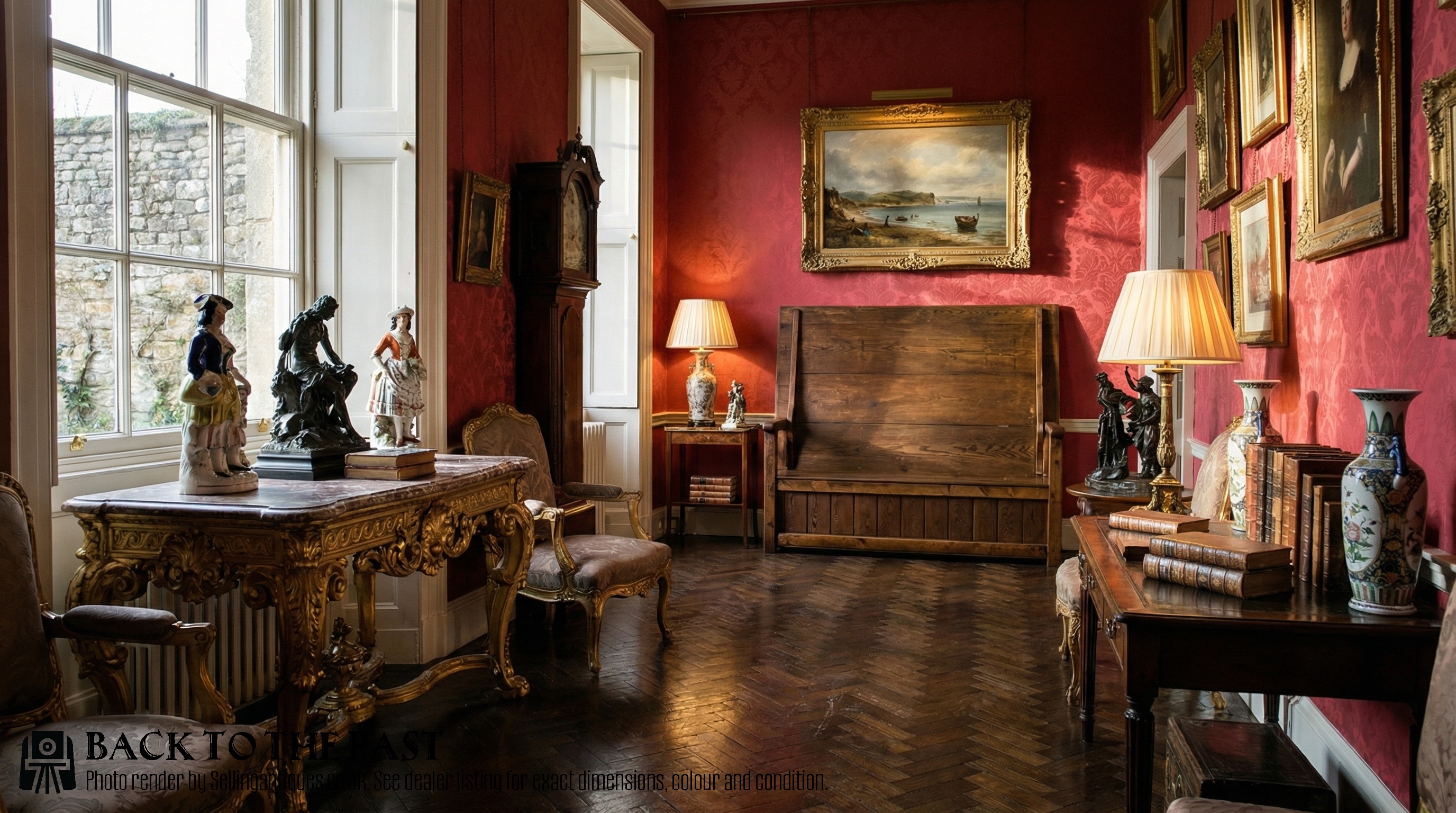
How they were made
Makers relied principally on solid oak, pine, and timber, often incorporating iron hinges or metal pivot pins to allow the backrest to rotate smoothly. Simple pegged joinery secured the frame, while panels were frequently carved or left plain depending on the period.
Surface finishes include dark patinated wax on oak or painted treatments on vernacular pine examples. Construction prioritises sturdy framing to withstand the physical stress of repeated conversion between chair and table.
Convertible Table Bench Retail Price Guide 2026
Typical asking prices for convertible table bench among the pieces listed under this phrase on Sellingantiques today, from the lower quarter to the upper quarter. They describe what is for sale here now, not the wider market.
Listings span oak, pine, and metal, stretching from seventeenth-century chair-tables through Victorian carved monk's benches to nineteen-thirties Art Deco designs.
What varies in quality
The sophistication of the timber selection and the crispness of the carving distinguish finer examples from simpler vernacular pieces. Heavy oak construction with well-fitted panel work sits at the upper end of the scale.
The integrity of the pivot mechanism and the stability of the joints dictate functional success. Pieces retaining their original timber surfaces and authentic conversion action hold greater distinction among collectors.
The Convertible Table Bench Glossary
- Monk's bench
- A multi-functional seating item featuring a hinged back that converts into a table top. This form appears frequently in oak across various revival styles.
- Chair-table
- An early seating form where the wide back tilts forward over the arms to form a table. These pieces date back to the seventeenth and eighteenth centuries.
- Settle
- A wooden wooden bench with a high back and solid arms designed to keep out drafts. Some versions incorporate lift-up seats for storage.
- Vernacular
- Furniture built by local tradesmen using regional traditions rather than high-style metropolitan designs. Pine and oak examples often display rustic charm.
- Jacobean Revival
- A nineteenth-century style imitating seventeenth-century British furniture design. Pieces typically feature heavy proportions and deep geometric or floral carving.
Convertible Table Bench: Frequently Asked Questions
How does a convertible table bench work?
The high wooden backrest pivots on wooden pegs or metal pins set into the arms. By tilting the back forward over the armrests, the piece transforms into a flat table surface.
Lifting the back upright restores the chair function, while many models also include a lift-up seat box for hidden storage.
Where should I place a monk's bench?
These pieces suit entrance halls, boot rooms, or living spaces where floor space is limited. Their dual functionality allows them to serve as a seating area for removing shoes or as a small occasional table.
Keep them away from direct heat sources to protect the solid timber and historic wax finishes from drying out.
How do I tell an older piece from a revival one?
Examine the construction methods, tool marks, and timber shrinkage patterns. Seventeenth-century chair-tables display hand-riven boards and pegged joints without modern fixings.
Nineteenth-century revival pieces often show machine-sawn timber and heavier, more symmetrical carving styles typical of Victorian workshops.
What woods were used for these benches?
Oak is the predominant material across the selection, appearing in both dark patinated finishes and lighter golden tones. Pine was also commonly used for vernacular and country pieces.
Metal and iron hardware appear strictly for structural hinges and pivot points, while occasional fabric upholstery lines specific seat pads.