

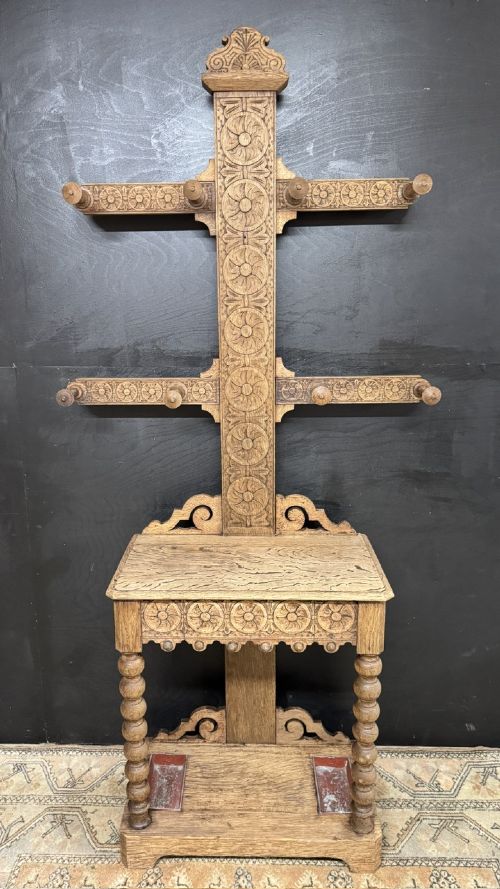


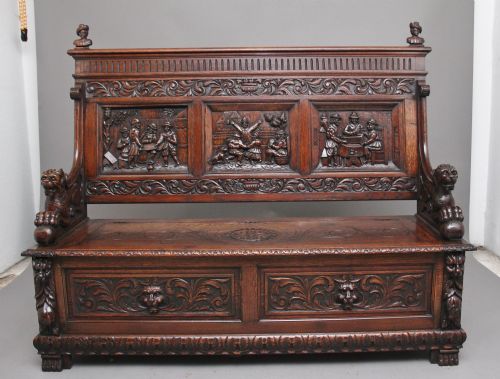


Jacobean Revival Bench
These heavy oak benches bring centuries of dark woodwork and carved panels straight into modern halls.
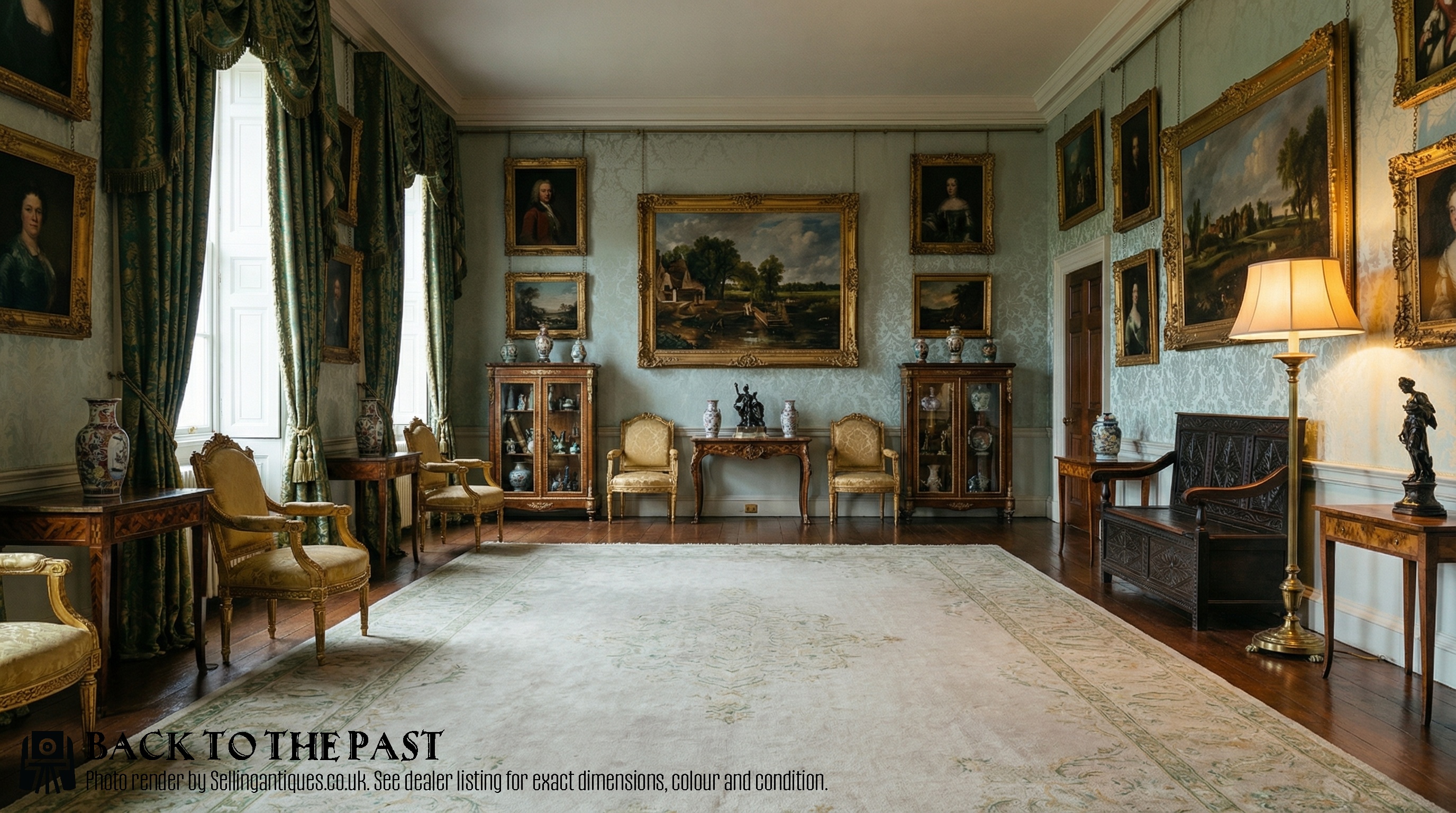
Jacobean Revival Bench
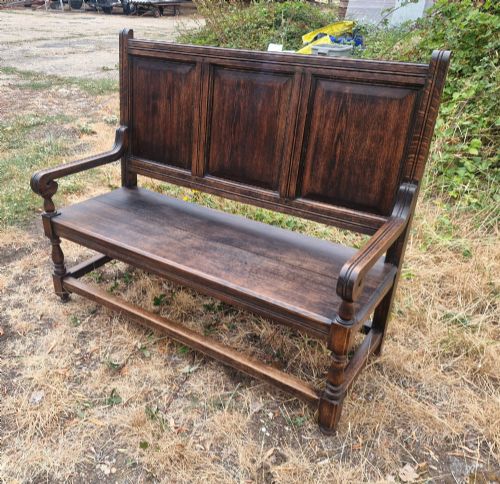
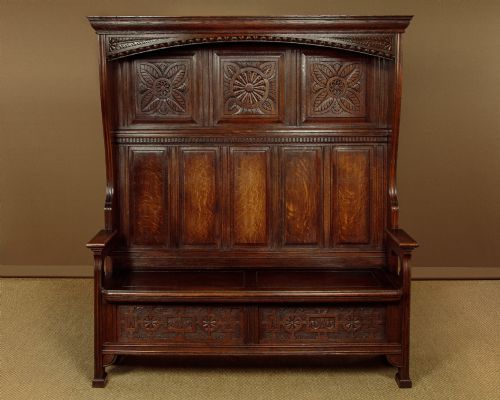
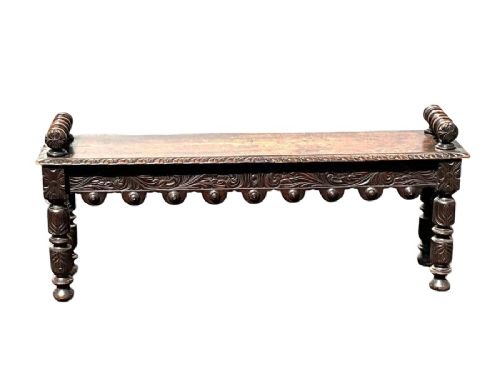
A jacobean revival bench draws heavily on seventeenth-century forms, appearing most often as a sturdy oak monks bench, hall seat, or high-backed settle designed for entranceways and reception rooms. These seating pieces emerge across the nineteenth and twentieth centuries, particularly through the Victorian, Edwardian, and nineteen-twenties periods, when historic revival styles dominated domestic joinery. Buyers find everything from compact panelled window seats to large box settles with lift-up lids and hinged fold-over tops.
The practical function of these forms remains tied to storage and utility in narrow spaces, offering lift-up seats or integrated compartments originally meant for boots and woollens. Many examples incorporate high backs, canopy tops, or arms, whilst related seating spans oak joint stools and long cane-framed footstools. The underlying aesthetic relies on heavy proportions, turned supports, and dark timber surfaces built to command attention in a hallway.
Materials and Technique
Solid oak serves as the primary structural material across almost every piece, providing the dense grain and substantial weight expected of seventeenth-century revivals. Joinery relies on traditional frame-and-panel construction and pegged joints, ensuring these heavy forms withstand generations of daily use in halls and reception spaces.
Carving defines the decorative surface, featuring strapwork, foliage, and occasional figural details such as green man motifs cut directly into the timber. Metal studs, leather inserts, fabric pads, and woven cane occasionally accent the oak frames, adding texture to seats and monk bench armchairs.
Jacobean Revival Bench Retail Price Guide 2026
Typical asking prices for jacobean revival bench among the pieces listed under this phrase on Sellingantiques today, from the lower quarter to the upper quarter. They describe what is for sale here now, not the wider market.
Object forms span standard benches, hall benches, monks benches, footstools, settles, hall seats, stick stands, coffers, and joint stools.
Judging Quality
The depth and crispness of the hand-carving separate standard production pieces from finer workshop commissions. Sharp lines in strapwork and relief panels indicate skilled hand-tool work, whereas soft or shallow impressions point towards mechanised routing.
Timber selection and structural integrity dictate the overall grade of the piece, with straight-grained quarter-sawn oak holding up better over time. Well-executed joints, original hinges on lift-up lids, and substantial timber thickness mark out the higher tiers of revival furniture.
The Jacobean Revival Bench Glossary
- Settle
- A wooden wooden bench with a high back, solid arms, and often a box base for storage. It was historically placed near firesides to block draughts.
- Monks Bench
- A multifunctional seat featuring a hinged top that folds forward to form a small table. This dual-purpose form became particularly popular during revival periods.
- Strapwork
- A carved ornament resembling flat bands or ribbons folded and intersected in geometric patterns. It frequently decorates the friezes and panels of revival oak furniture.
- Green Man
- A sculptural architectural motif carved as a face surrounded by or sprouting foliage. It appears on nineteenth-century oak woodwork as a symbol of rebirth.
- Joint Stool
- A sturdy wooden stool constructed with mortise and tenon joints rather than turned legs driven into a seat. These pieces provided secondary seating in early domestic interiors.
Jacobean Revival Bench: Frequently Asked Questions
What is a monks bench used for?
A monks bench serves as both a hall seat and a small table by folding the back panel over the arms. This dual purpose made it useful in smaller rooms and entrance halls.
Historically, the lower box also provided hidden storage for garments, hats, and everyday household items.
How do I date a jacobean revival bench?
Most pieces date from the Victorian, Edwardian, or nineteen-twenties revival periods rather than the seventeenth century. Examining the tool marks, timber dryness, and construction hardware helps determine the exact manufacturing era.
Machine-cut screws and modern adhesives point clearly to twentieth-century production, whilst hand-pegged joinery suggests nineteenth-century work.
Where should I place a hall settle?
Hall settles suit entranceways, corridors, and large landings where their high backs create a strong architectural focal point. Their narrow depths allow them to sit flat against walls without blocking walkways.
They also function well in boot rooms or dining spaces where extra storage and firm seating are required.
Are these benches comfortable to sit on?
Most pieces feature solid timber seats designed for short-term seating in hallways rather than lounging. Some examples include leather pads, fabric cushions, or upholstered sections for added comfort.
Adding a loose cushion easily softens the wooden surface for longer periods of use.