






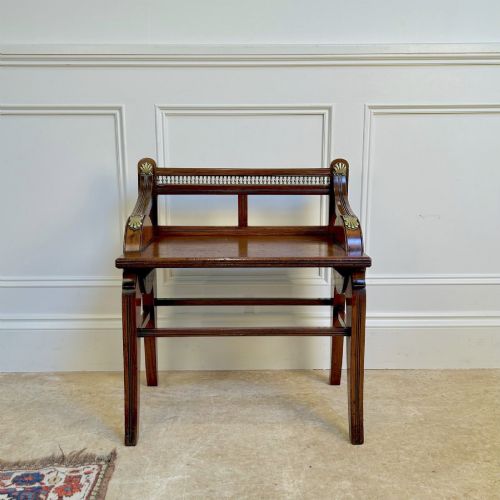

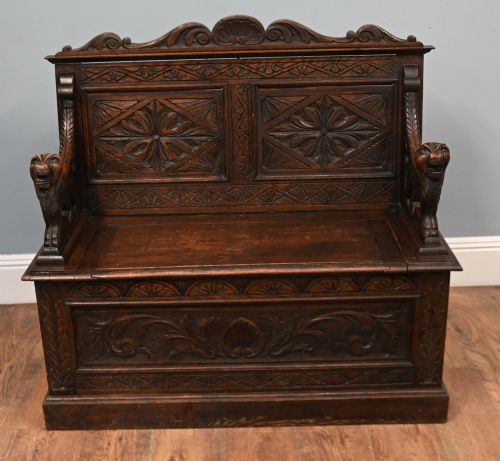
Carved Wooden Hall Bench
A carved wooden hall bench greets visitors in the hallway with sturdy oak and traditional joinery.
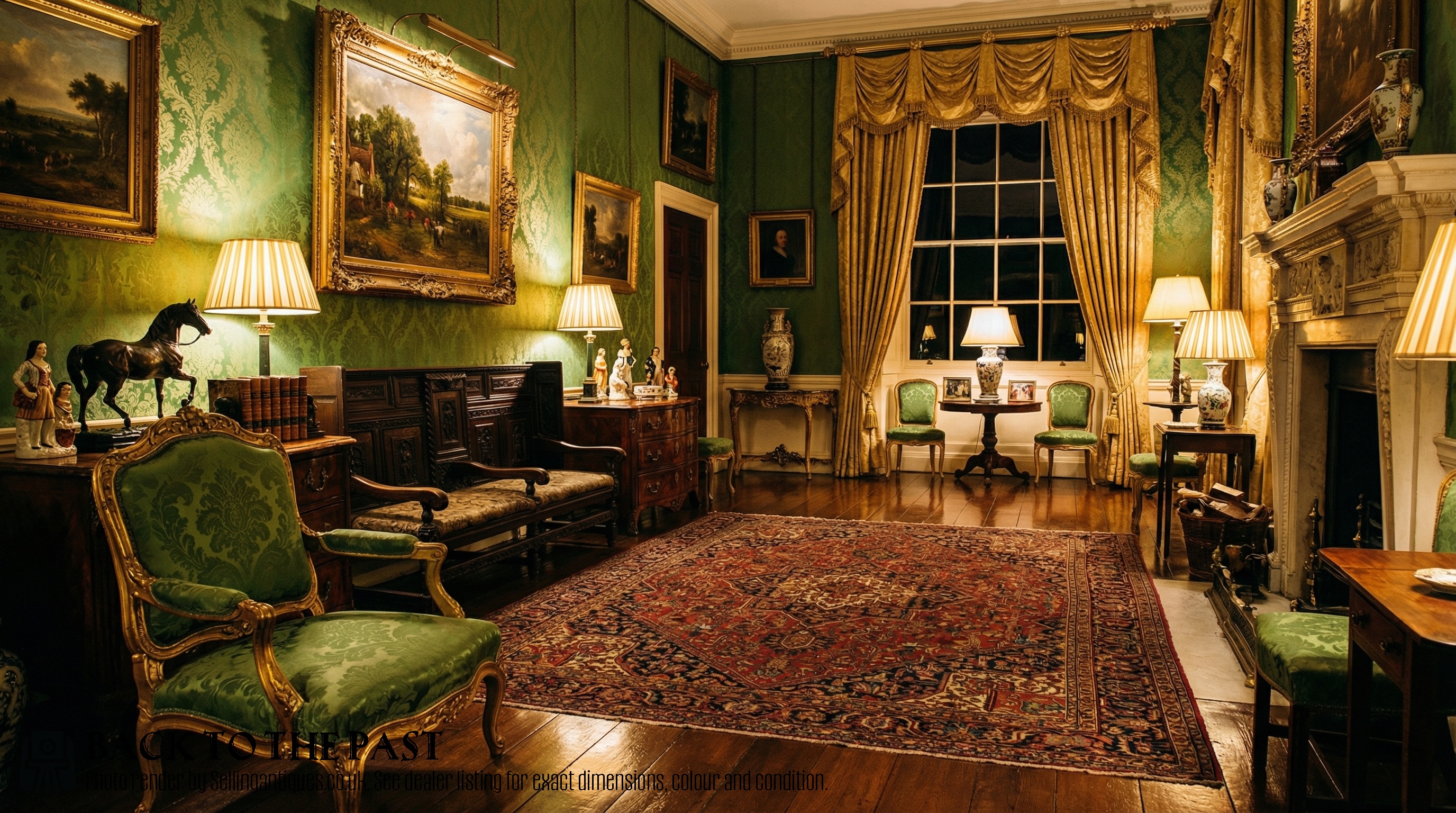
Carved Wooden Hall Bench
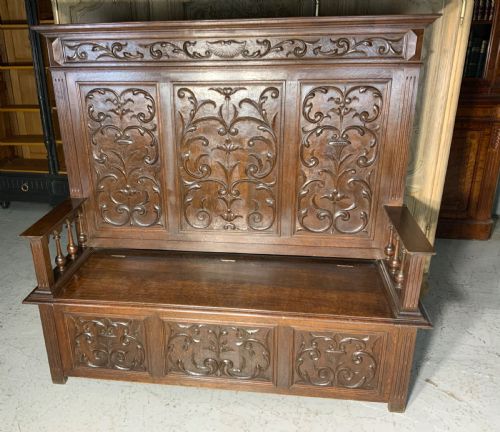
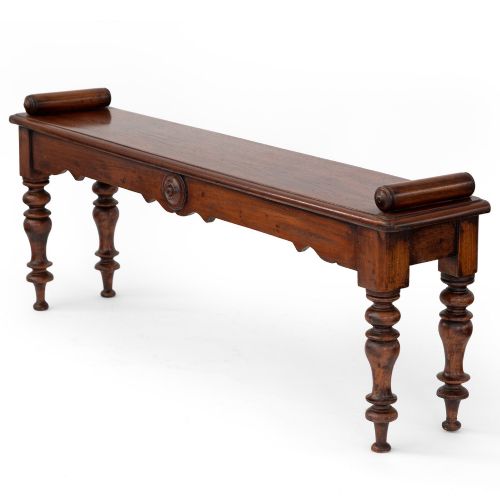
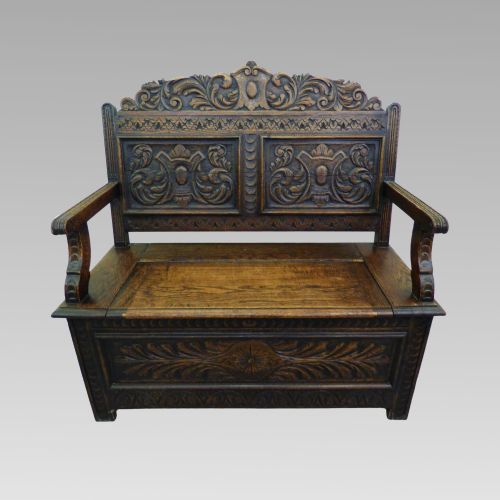
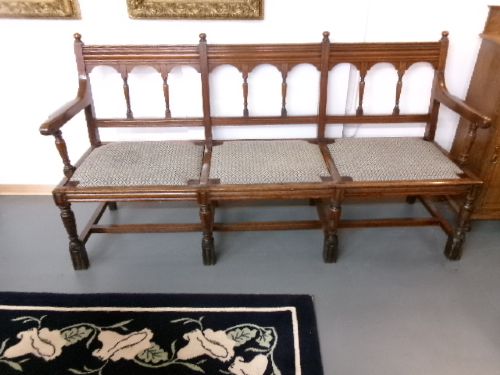
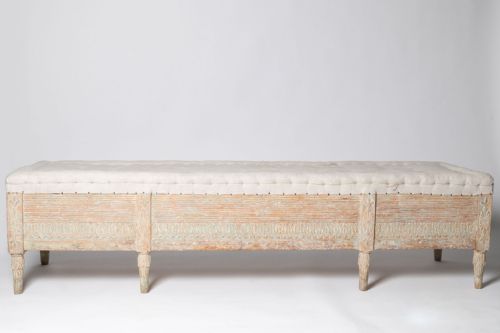
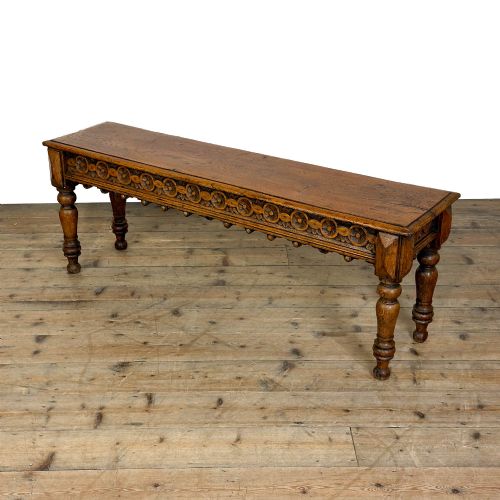
A carved wooden hall bench provides a practical seating option for entryways while displaying traditional cabinetmaking skills. These functional items appear in various forms, including settles with high backs, window seats, and pieces incorporating storage boxes or coat stands beneath the seat.
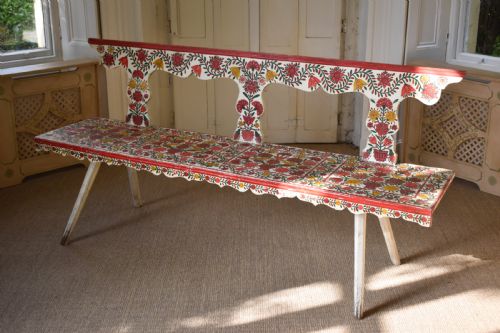
The selection here draws primarily from nineteenth-century examples alongside eighteenth-century items and early twentieth-century revivals. Oak remains the dominant timber across these periods, supplemented by mahogany, walnut, and painted pine in specific regional styles.
Makers and workshops utilised historical revival idioms such as Gothic, Jacobean, and Renaissance to decorate the panels and supports. Buyers meet everything from simple country settles to elaborate architectural benches bearing linenfold panels and carved trefoils.
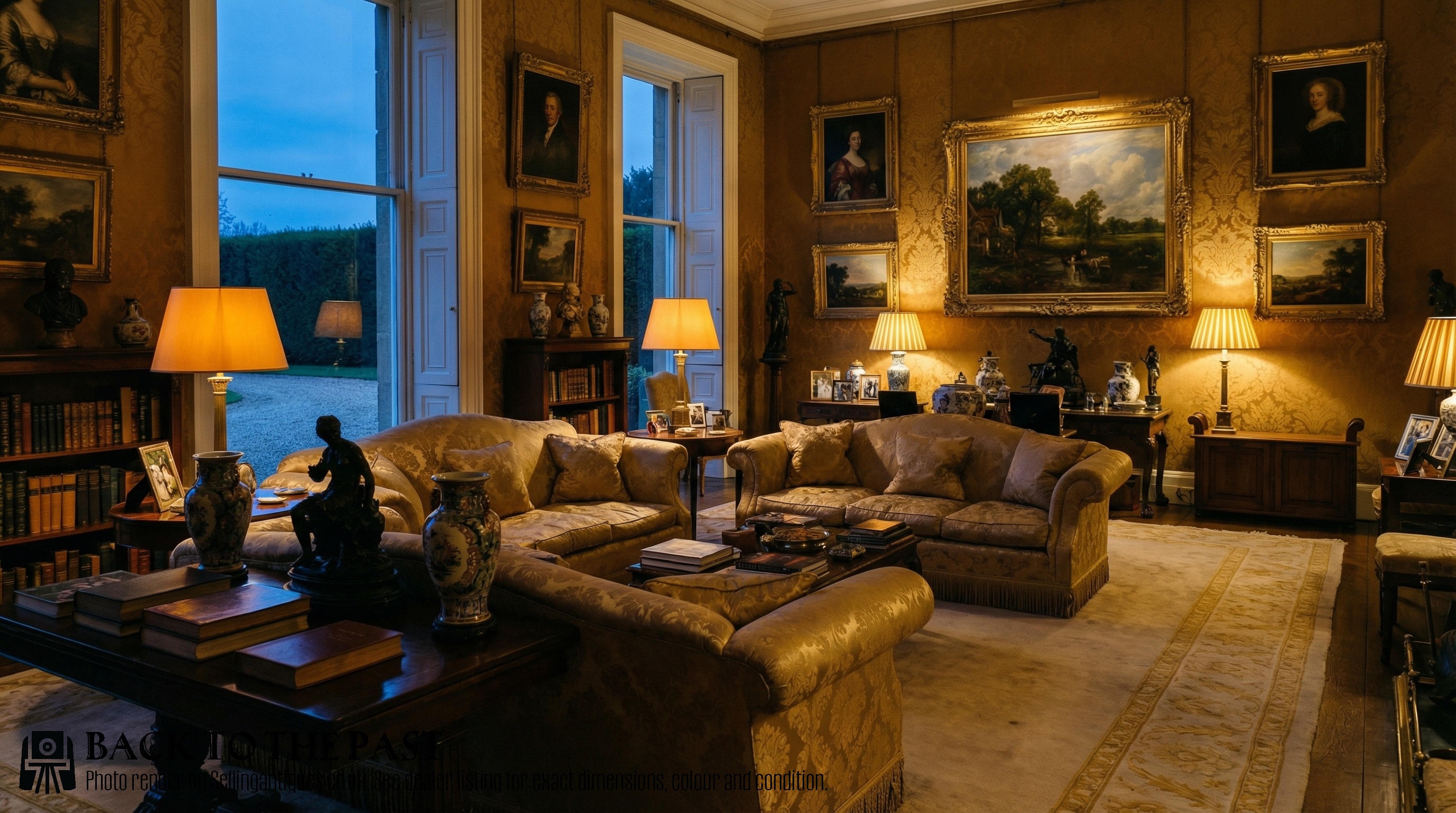
Materials and Construction
Makers constructed these seats using solid timbers like native oak, mahogany, and walnut, joined with traditional mortise and tenon joints secured by wooden pegs. Hand-carved relief work decorates the backrests, arm supports, and aprons, utilising gouges and chisels to create geometric, floral, or figural motifs.
Box settles feature lidded compartments for storage, requiring dependable hinges forged from iron or brass to withstand heavy daily use in busy hallways. Surface finishes range from wax polish and dark varnish to painted decoration and natural patination earned through decades of handling.
Carved Wooden Hall Bench Retail Price Guide 2026
Typical asking prices for carved wooden hall bench among the pieces listed under this phrase on Sellingantiques today, from the lower quarter to the upper quarter. They describe what is for sale here now, not the wider market.
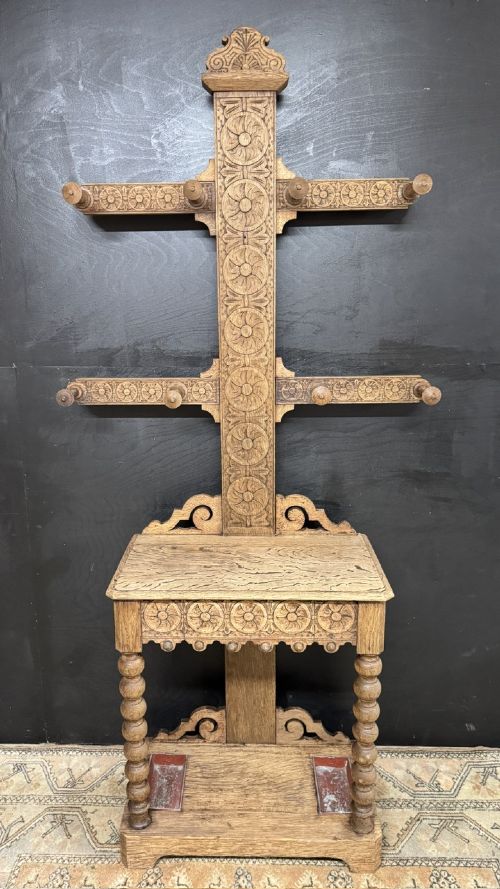
The listings span multiple centuries, uniting 17th-century box settles with Victorian Gothic revivals and early 20th-century umbrella stands in oak, mahogany, and walnut.
Assessing Quality and Execution
The distinction between standard utility furniture and superior examples lies in the depth and crispness of the hand-carved detail. Skilled carvers produced crisp undercut foliage and balanced proportions, whereas lesser pieces display shallow, mechanical stamping or clumsy symmetry.
Structural integrity governs value, where pieces retaining their original timber, hardware, and unblemished panel joints command greater respect. Modifications, replaced hinges, or altered proportions diminish the historical coherence of the item.
GIllows·James Shoolbred & Co.·Jas Shoolbred
The Carved Wooden Hall Bench Glossary
- Settle
- A wooden bench with a high solid back, solid wooden arms, and often a storage compartment beneath the seat. This form protected sitters from draughts in entrance halls before central heating.
- Cassapanca
- An Italian wooden bench featuring a deep chest base beneath the seat and a backrest with arms. These substantial items combined seating with secure household storage.
- Trefoil
- A three-lobed decorative ornament resembling clover leaves, frequently pierced or carved into Gothic revival woodwork. Cabinetmakers used this motif to echo ecclesiastical architecture.
- Box Settle
- A bench fitted with a hinged seat lid that opens to reveal a box cavity for boots and textiles. This dual-purpose design maximised utility in smaller rooms.
- X Frame
- A structural support formed by two intersecting diagonal members resembling the letter X. Regency and revival designers adopted this classical curule shape for formal window seats and benches.
Carved Wooden Hall Bench: Frequently Asked Questions
How do I spot a marriage in a hall bench?
Examine the colour and grain of the timber across the backrest, seat, and base to ensure consistency of age and species. Mismatched wood tones or disparate styles of carving often indicate that components from different periods were joined together later.
Check the interior joinery for redundant peg holes, plugged screw slots, or unfamiliar rebate cuts that suggest parts were adapted from other furniture. Original pieces maintain unified wear patterns and consistent tool marks across all assembled sections.
What maintenance does an old oak bench need?
Apply a traditional beeswax polish sparingly with a soft cloth to nourish dry timber and preserve the historic surface sheen. Avoid modern silicone sprays or liquid cleaners that can penetrate unsealed wood pores and soften the natural patina.
Keep wooden furniture away from direct heat sources and severe humidity fluctuations to prevent timber shrinkage and panel splitting. Regular dusting with a dry microfibre cloth protects the carved recesses from accumulating debris.
Did all these benches originate in Britain?
While British oak examples dominate the selection, the inventory includes continental and international items such as Spanish Colonial hardwood pieces, Italian walnut cassapancas, and Chinese lacquer benches. Regional workshop traditions dictated the choice of local timbers and distinct decorative vernaculars.
Stylistic influences frequently crossed borders during revival periods, leading English makers to adopt Gothic or Renaissance motifs originating from mainland European design books.
Can I use a hall settle for daily seating?
Solid wooden benches are built for robust utility and easily accommodate everyday sitting when placed on a level floor. Adding a loose linen or wool cushion provides extra comfort for long periods without damaging the antique wood surface.
Ensure that hinges on box settles operate smoothly and support the seat safely if you intend to access the interior storage frequently.