

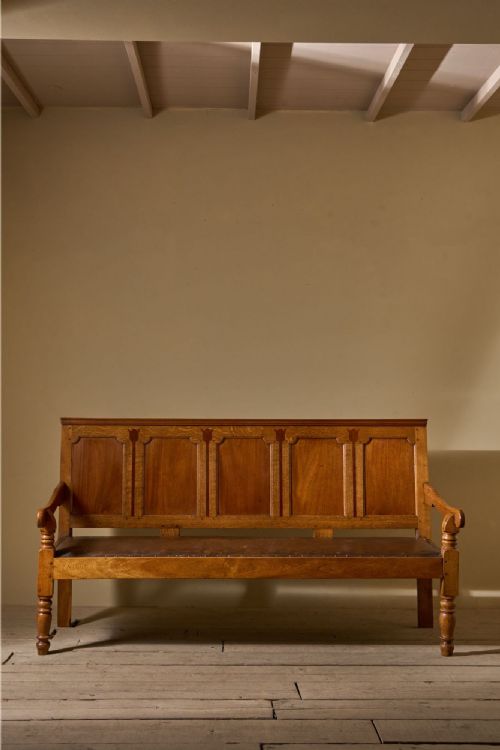
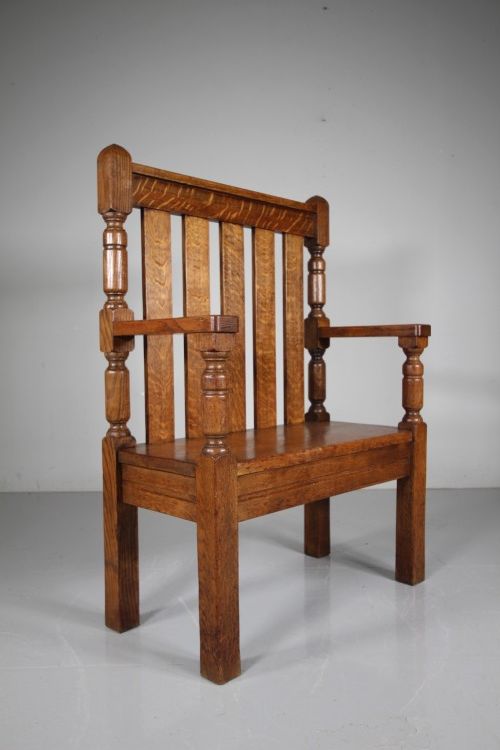


High Back Oak Bench
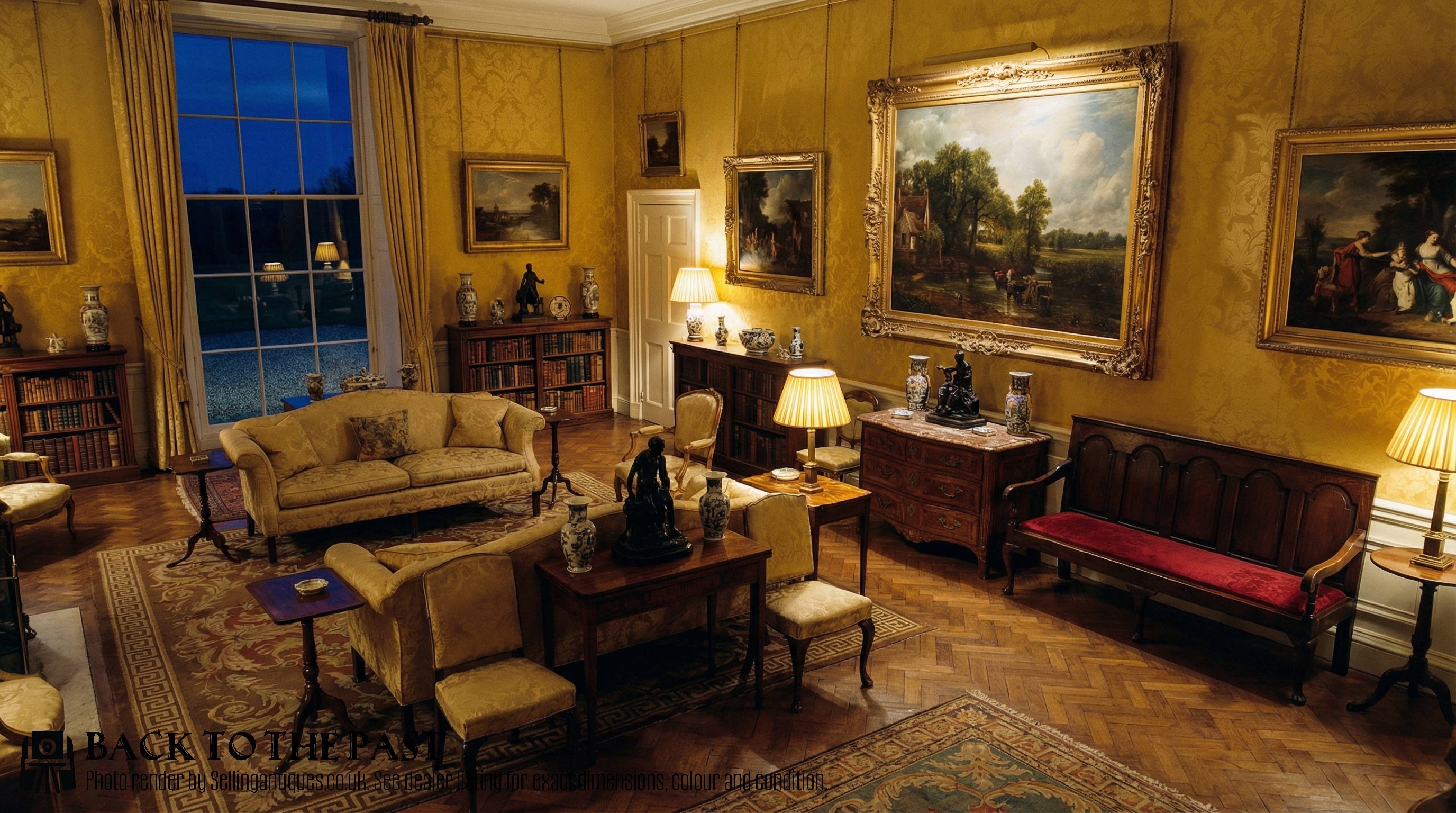
A high back oak bench offers solid timber construction and period character, keeping draughts from the hearth while providing sturdy seating.
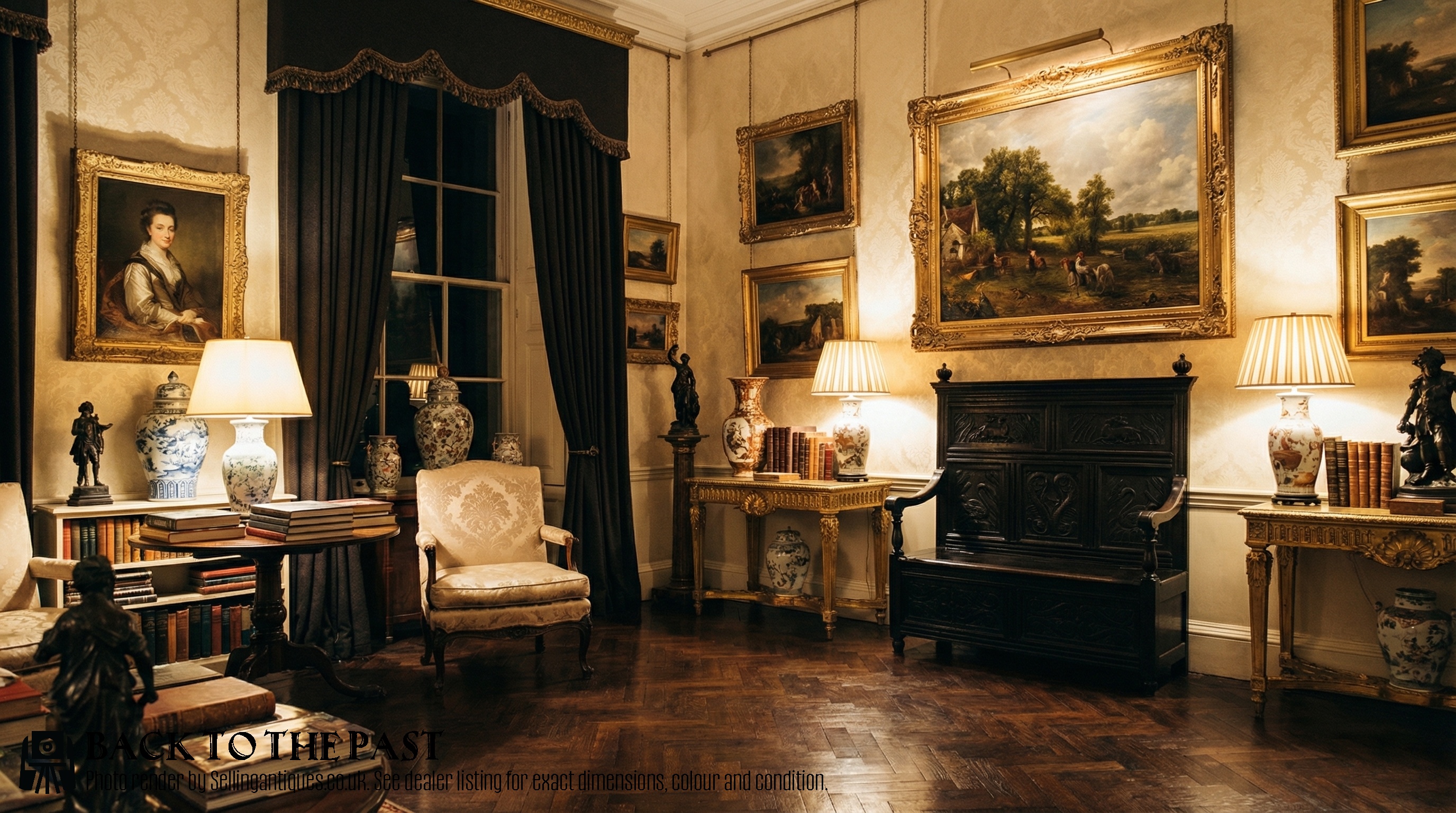
High Back Oak Bench
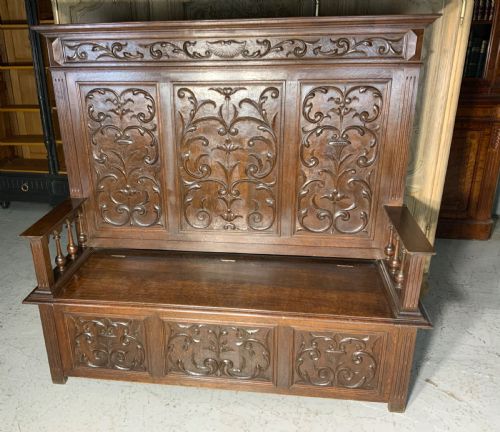
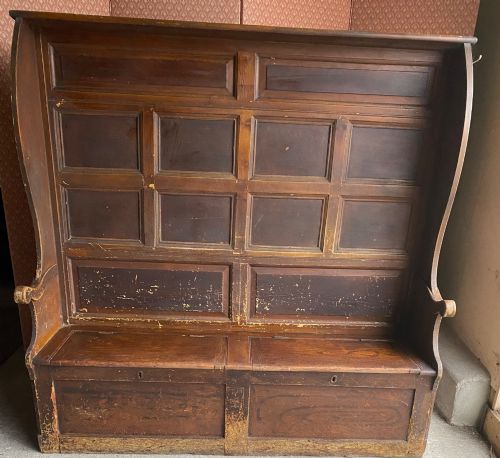
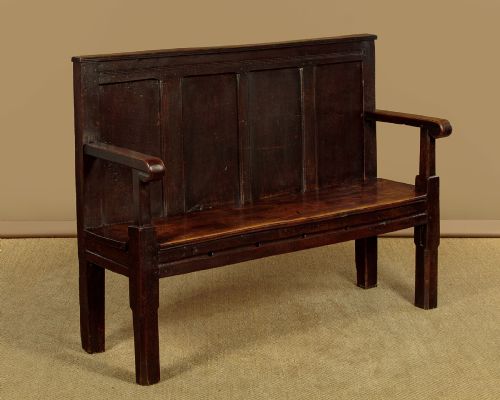
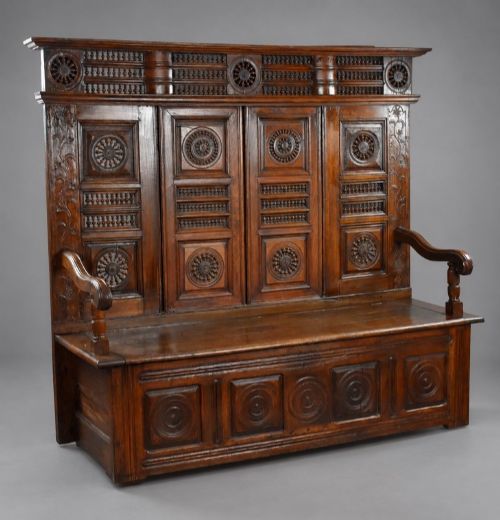
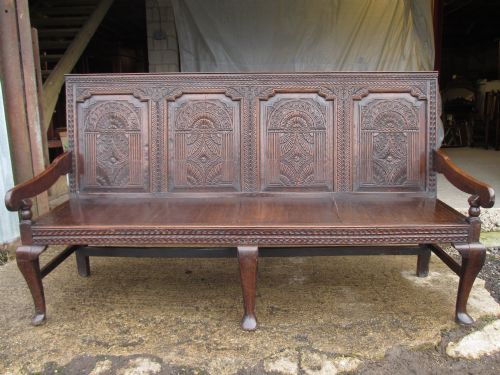
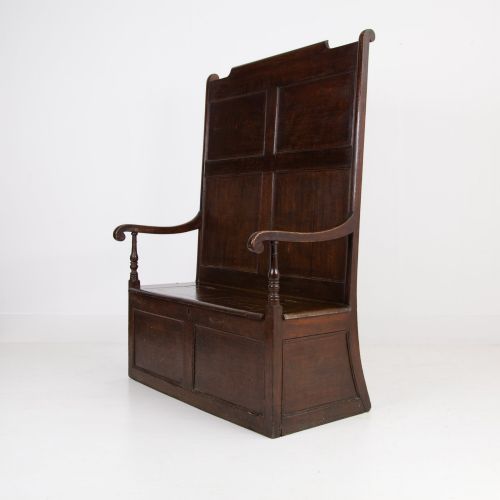
A high back oak bench, frequently catalogued as a settle or hall bench, is a substantial seat designed to block cold air in traditional interiors. These pieces appear across several centuries, with particular strength in eighteenth-century and nineteenth-century examples alongside seventeenth-century survivals.
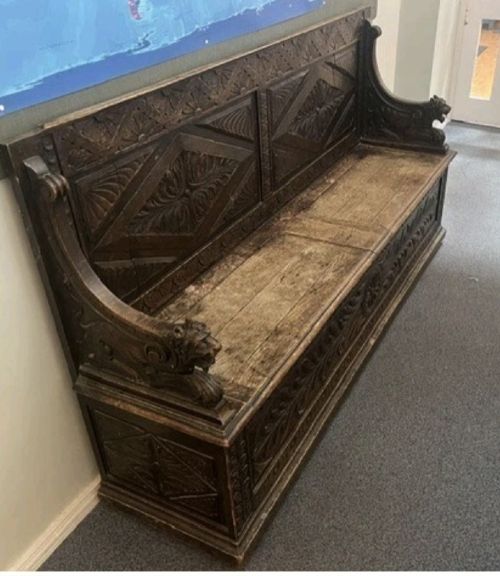
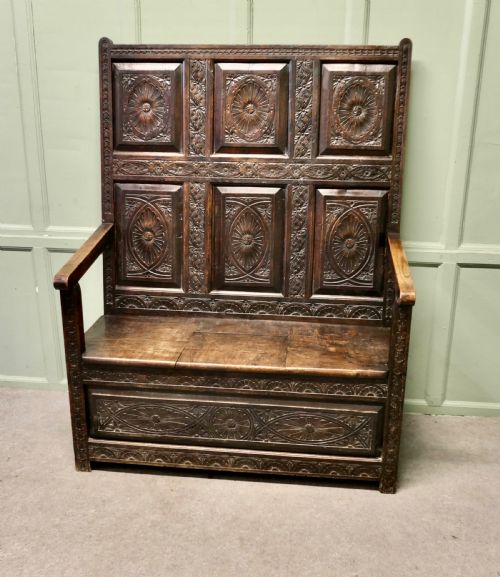
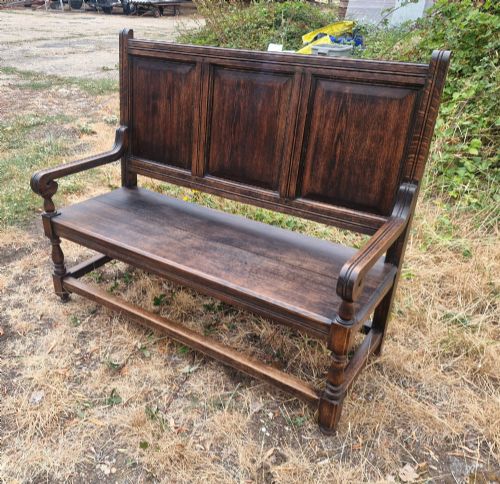
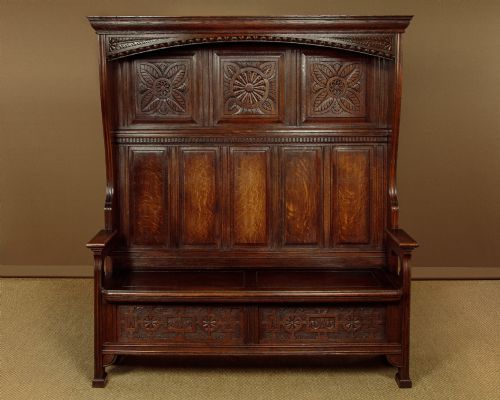
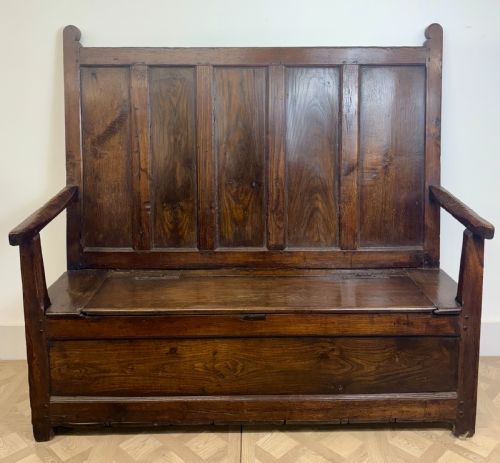
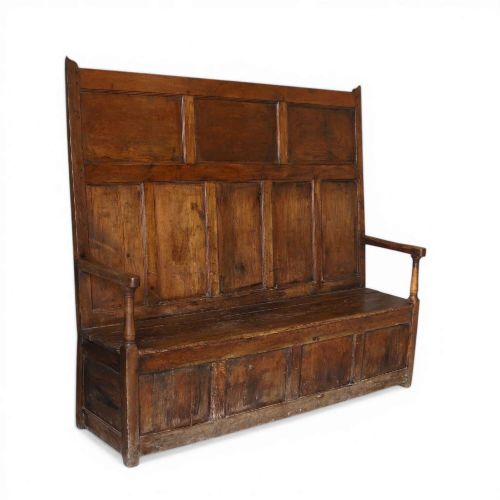
The most common forms on this page include box settles with storage beneath the seat, panel-backed hall benches, and vernacular country pieces. Makers utilised sturdy native timber, shaping tall backs with solid panels or carved decoration to suit domestic halls and kitchens.
Regional variations span English country workshops, Welsh vernacular pieces, and continental examples. Buyers encounter everything from simple planked construction to elaborately carved panels influenced by Jacobean revival and Arts and Crafts movements.
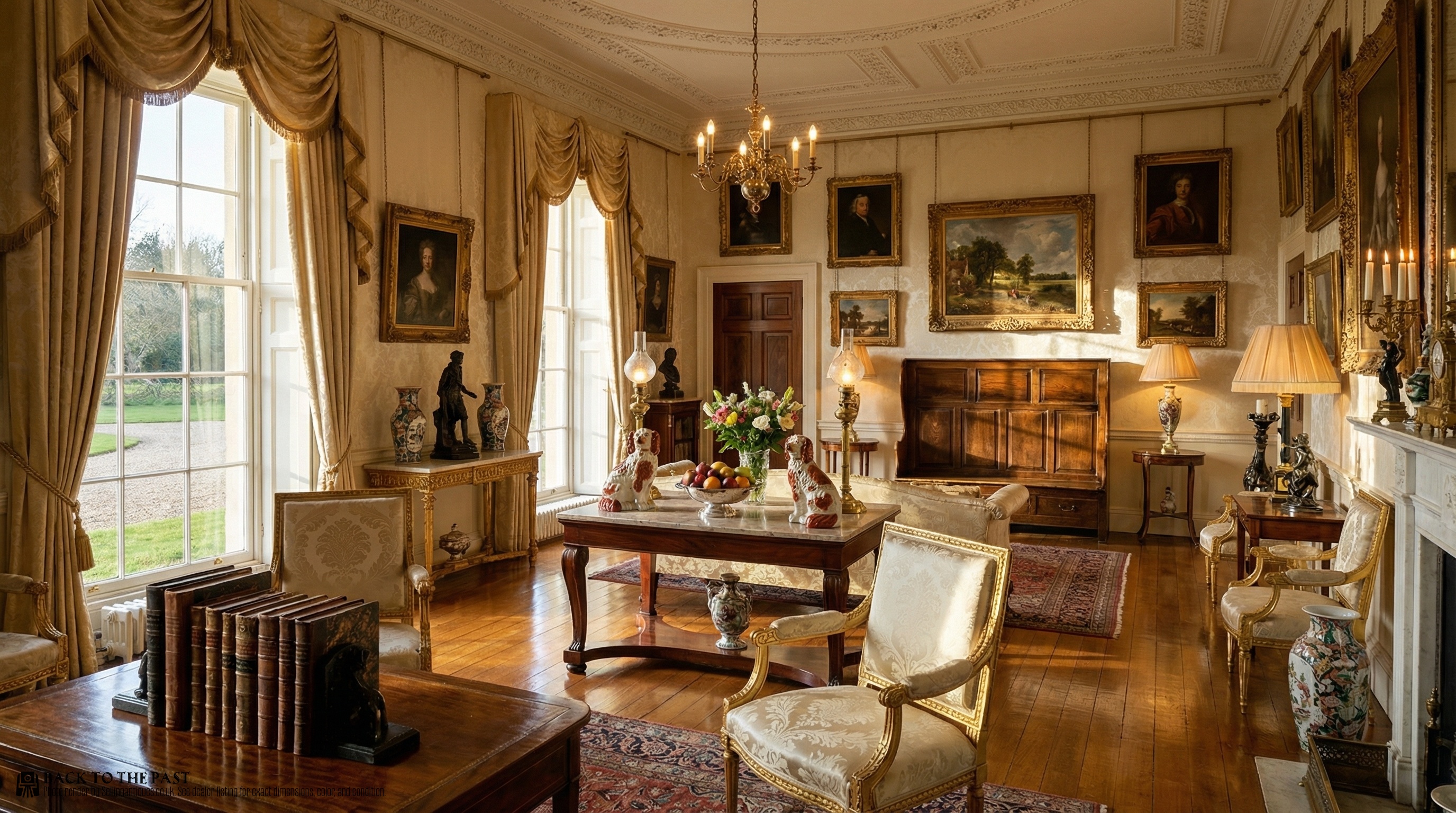
Design and Preservation
Quality separates through the depth of carving, the crispness of panel mouldings, and the proportion of the high back relative to the seat base. Early seventeenth-century and eighteenth-century pieces with untouched surface patination command greater interest than heavily restored examples.
The integrity of the structural frame, including original seat boards and base timbers, dictates the standard of survival. Alterations to height or replaced panel sections distinguish everyday utilitarian items from finer vernacular masterworks.
High Back Oak Bench Retail Price Guide 2026
Typical asking prices for high back oak bench among the pieces listed under this phrase on Sellingantiques today, from the lower quarter to the upper quarter. They describe what is for sale here now, not the wider market.
Early box settles doubled as grain stores and keeping-places for family boots, proving that furniture multitasking is not a modern invention.
Liberty
The High Back Oak Bench Glossary
- Settle
- A wooden bench with a high back, solid arms, and often a box base for storage. It was traditionally placed near the hearth to shield occupants from draughts.
- Box Settle
- A variant featuring an enclosed compartment beneath the hinged seat. This design provided secure domestic storage in communal rooms.
- Panel Back
- A backrest constructed from fitted wooden panels set within a frame. This technique prevented warping in large expanses of timber.
- Vernacular
- Furniture made by local craftsmen using regional traditions and readily available materials rather than high-style metropolitan designs.
- Patina
- The surface sheen and colour developed by wood over centuries through handling, polishing, and natural ageing.
High Back Oak Bench: Frequently Asked Questions
How do I date an old oak settle?
Dating relies on construction methods, tool marks, and stylistic indicators such as panel mouldings and joint types. Seventeenth-century pieces often display pegged frames and simpler joined panels, while eighteenth-century examples introduce refined proportions and box seat configurations.
Hardware hinges, timber shrinkage, and the development of surface colour provide further clues to age. Comparing structural details against documented period examples helps confirm the likely decade of manufacture.
Where were settles placed in the home?
These seats traditionally stood in the hall or kitchen close to the open fireplace. The high solid back deflected cold air currents away from the seated person while trapping warmth from the hearth.
In modern interiors, they function effectively in hallways, dining spaces, or large kitchens. Their architectural presence anchors a room while offering practical, enclosed storage within the seat base.
How should I care for antique oak furniture?
Preserving the wood requires maintaining stable indoor humidity and avoiding direct placement near heat sources or strong sunlight. These precautions prevent the timber from drying out, cracking, or warping.
Occasional application of traditional beeswax feeds the grain and enhances the natural surface sheen without building up heavy chemical residues. Dusting with a soft cloth keeps the carved details clear of debris.