
Oak Settle Bench
An oak settle bench brings centuries of solid domestic carpentry into a hallway or kitchen, offering high-backed shelter from draughts alongside built-in seating.
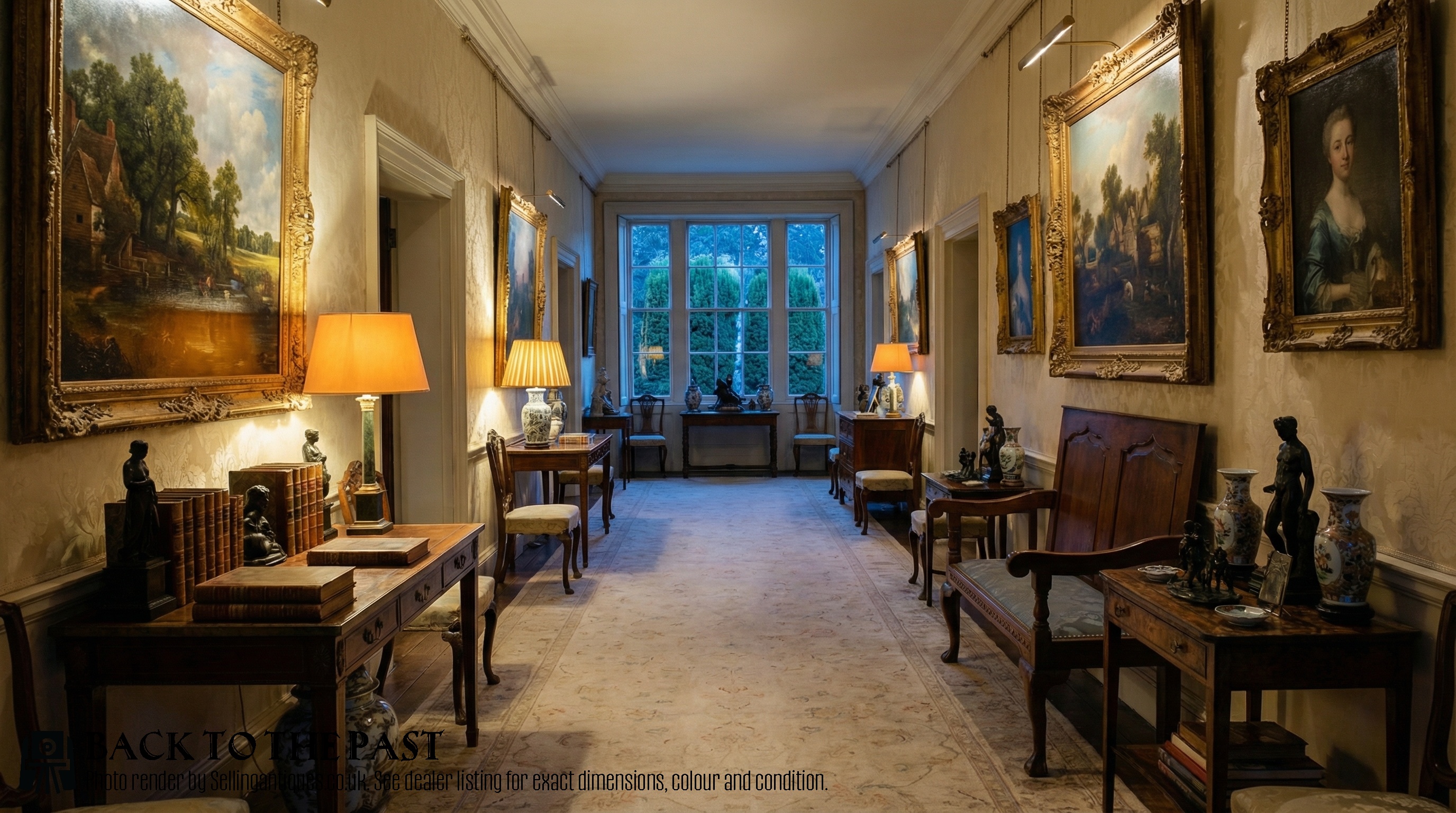
Oak Settle Bench
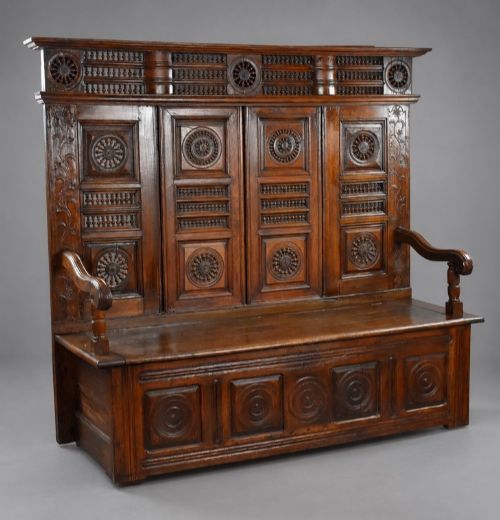
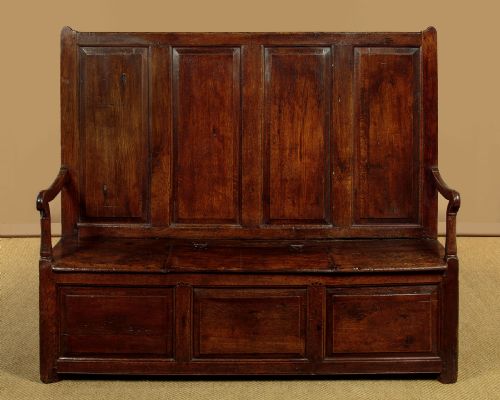
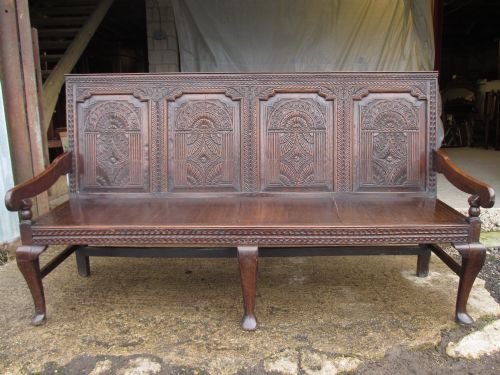
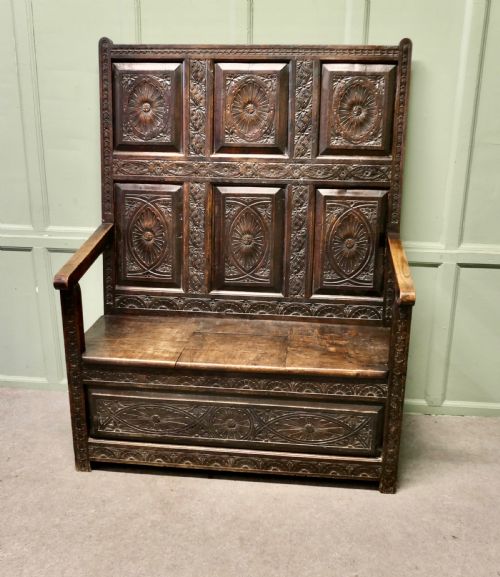
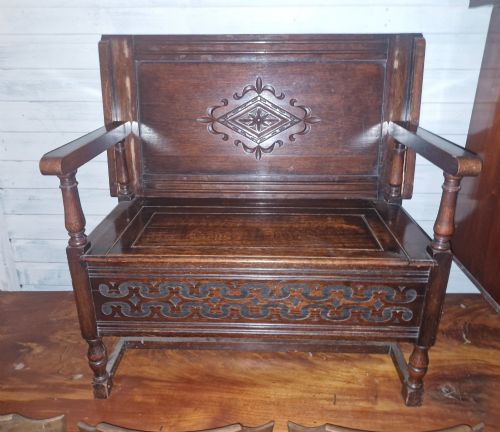
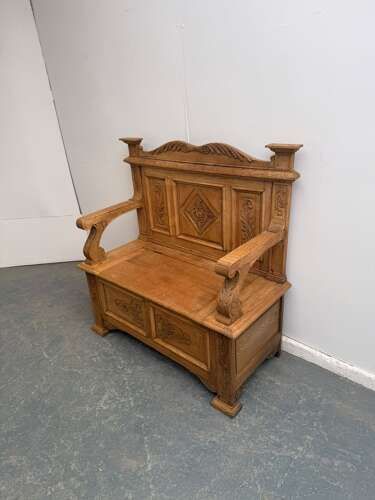
An oak settle bench is a traditional wooden seating form characterised by a high panelled back designed to block cold air, frequently incorporating a hinged box base for storage.
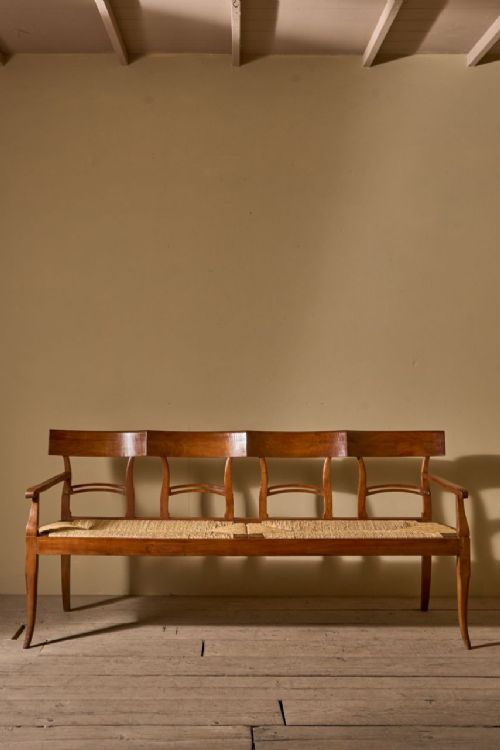
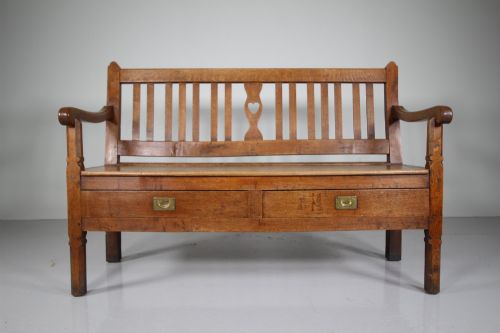
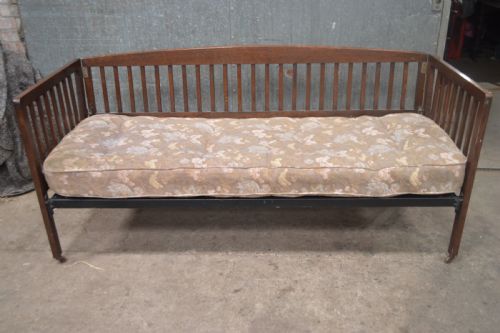
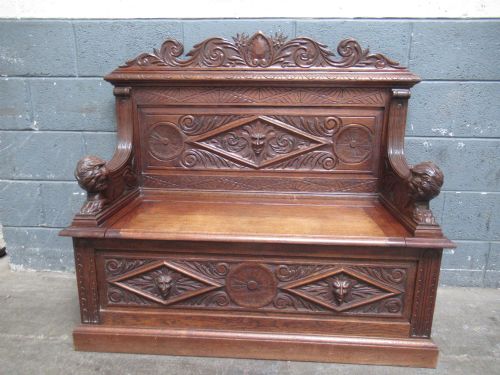
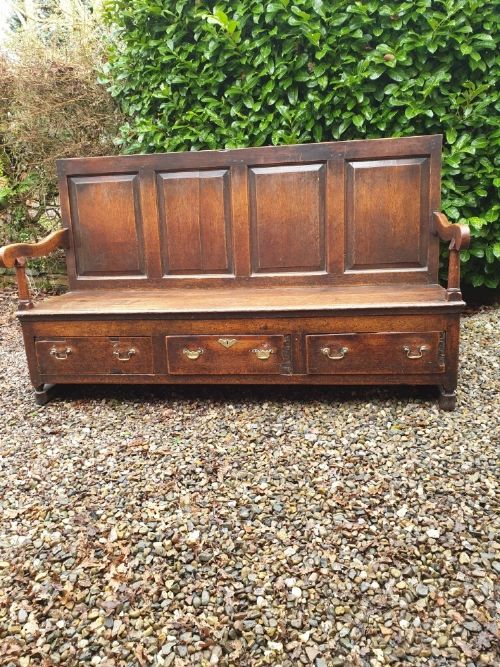
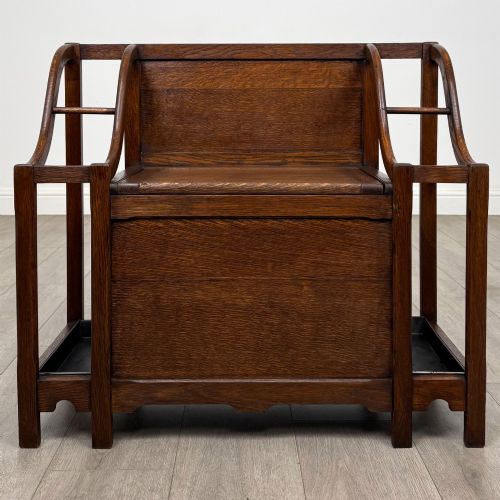
The pieces appearing on this page range from robust seventeenth-century country examples to lighter Arts and Crafts interpretations and Victorian revivals.
Most variations encountered here function as hall seats or kitchen benches, merging architectural presence with practical storage capacity.
How they were made
Joiners built these seats primarily from solid oak, frequently supplemented with secondary timbers like ash, elm or cherry for structural or seating parts.
Construction relied on traditional frame-and-panel techniques alongside pegged mortise and tenon joints to allow the timber to move naturally with humidity changes.
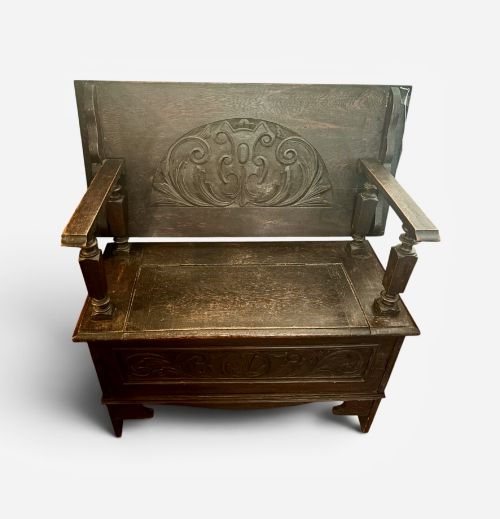
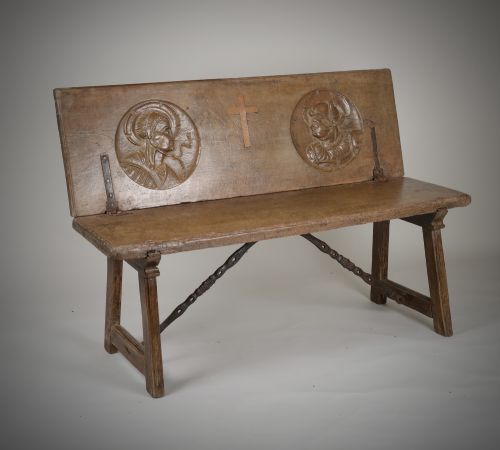
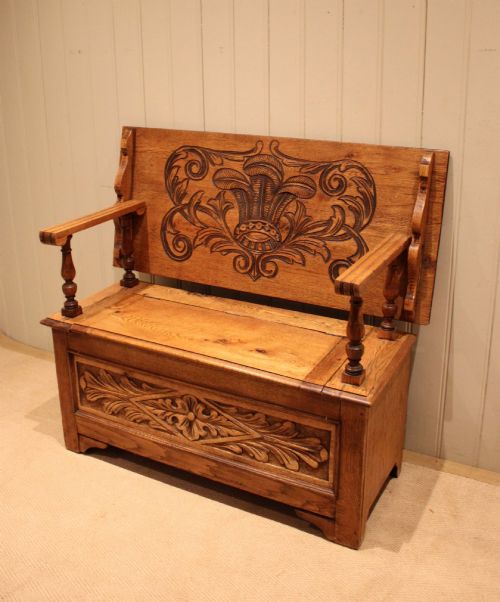
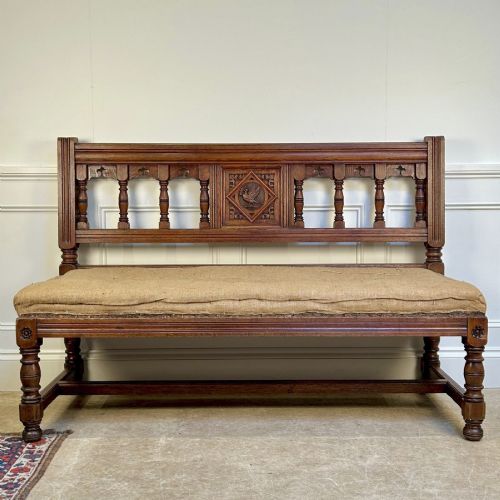
Decoration on surviving examples typically involves carved panels, box construction with lift-up lids, or simpler architectural mouldings depending on the period.
Listings span from the seventeenth century through to the Edwardian era, featuring oak alongside elm, ash and rush.
What varies in quality
The distinction between ordinary and superior examples lies in the integrity of the timber selection and the restraint or execution of the carving.
Proportion and survival of original elements dictate the standing of a piece, with unaltered box bases and untouched surface patina commanding greater interest.
Later revival pieces display different standards of workshop skill, ranging from machine-cut Victorian pastiche to faithful Arts and Crafts hand-joinery.
GIllows·Liberty·Liberty & Co
The Oak Settle Bench Glossary
- Box settle
- A high-backed wooden bench featuring a compartment beneath the seat accessed by a hinged lid. This enclosed base was originally used to keep blankets or household stores dry and away from floor draughts.
- Monk's bench
- A convertible form where the solid panel back pivots or folds down over the arms to form a table top. This dual-purpose furniture type gained popularity during later revival periods.
- Panel-back
- A method of construction where the rear of the settle is framed with vertical stiles and horizontal rails holding thin wooden panels. This technique kept the timber lightweight yet structurally rigid.
- Arts and Crafts
- A design movement spanning the late nineteenth and early twentieth centuries that prioritised visible construction, honest materials and simple forms over heavy factory ornamentation.
- Vernacular
- Furniture made by local country joiners using regional traditions and readily available native timbers rather than following strict metropolitan pattern books.
Oak Settle Bench: Frequently Asked Questions
What is an oak settle bench used for?
These pieces served historically in entrance halls and farmhouse kitchens to seat multiple people while blocking cold draughts from doors.
Today they function similarly as substantial hallway seating, often providing concealed storage inside the box base for everyday items.
How do I tell an old settle from a revival piece?
Examining the construction methods, tool marks and timber shrinkage helps determine the age of the framing and panels.
Earlier examples display hand-cut pegs, irregular hand-planed surfaces and timber movement appropriate to centuries of natural ageing rather than uniform machine production.
Did settles always have storage underneath?
Box settles include an integrated compartment beneath the seat, while open-frame variants feature standard legs and stretchers without enclosed storage.
Both styles were produced across different centuries, with box variants preferred in draughtier rooms requiring extra storage.
How do I care for an antique oak bench?
Maintaining these surfaces requires keeping them away from direct heat sources and sudden humidity shifts that can split old timber.
Applying a traditional beeswax polish occasionally helps nourish the dry wood and preserves the surface sheen accumulated over generations.