
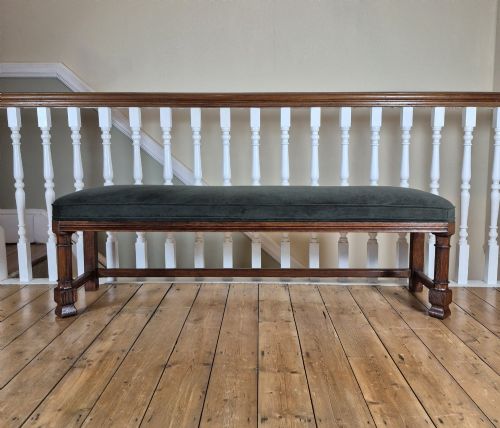
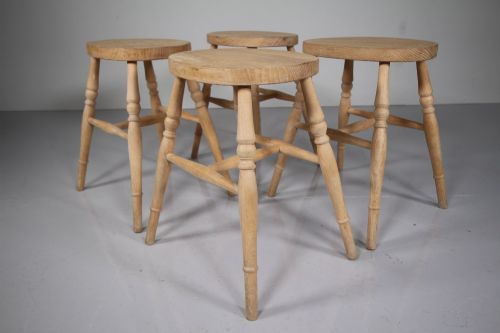
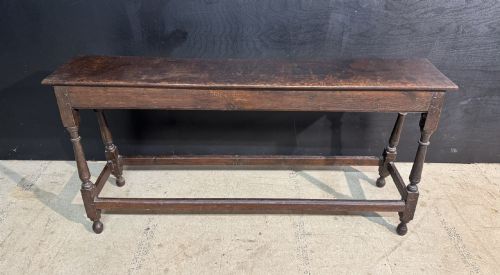
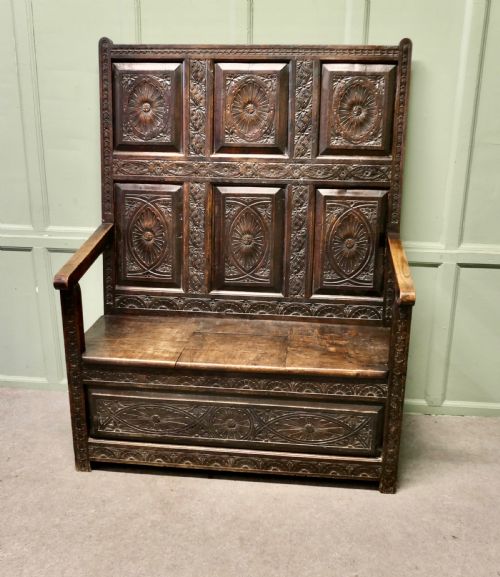
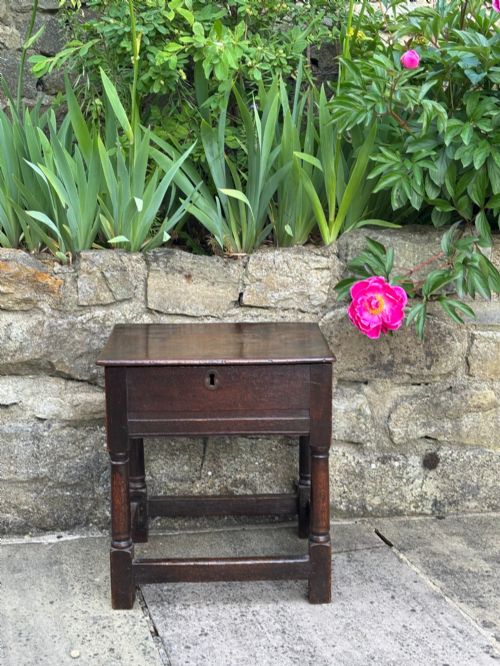
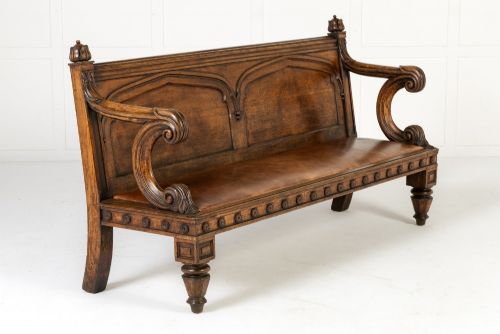


English Oak Bench
An english oak bench brings sturdy vernacular character and centuries of functional history into a modern interior.
English Oak Bench
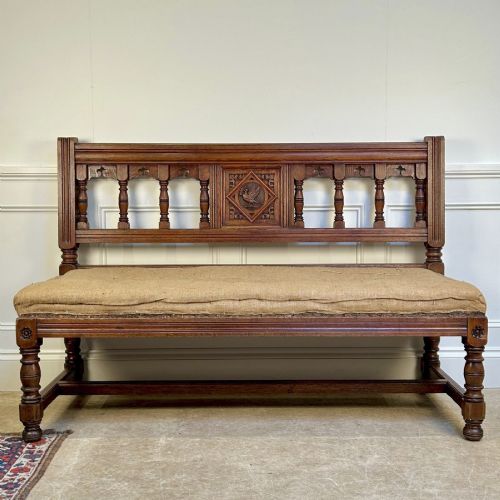
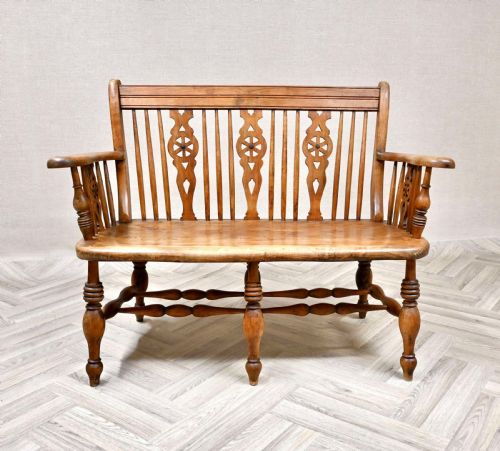
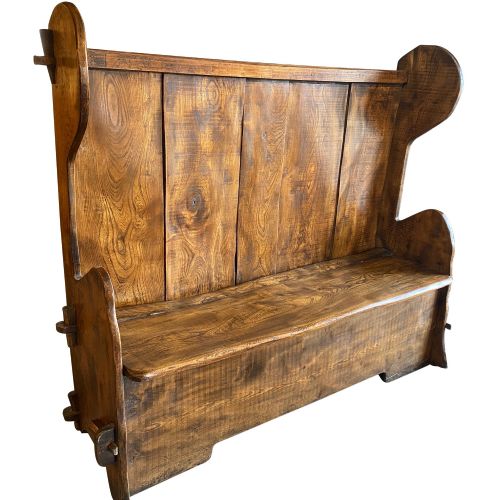
The english oak bench category encompasses heavy jointed forms, high-back settles, and long hall seats originating from the seventeenth century onward. Surviving pieces reflect domestic, ecclesiastical, and institutional use across periods spanning from rural Jacobean homesteads to Victorian country houses.
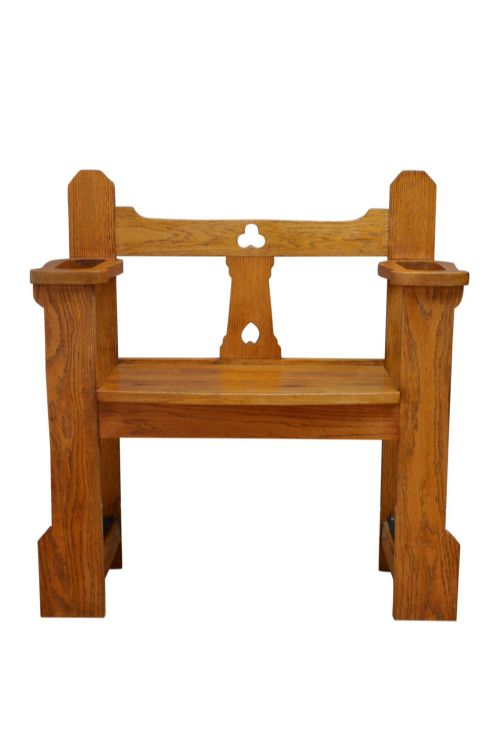
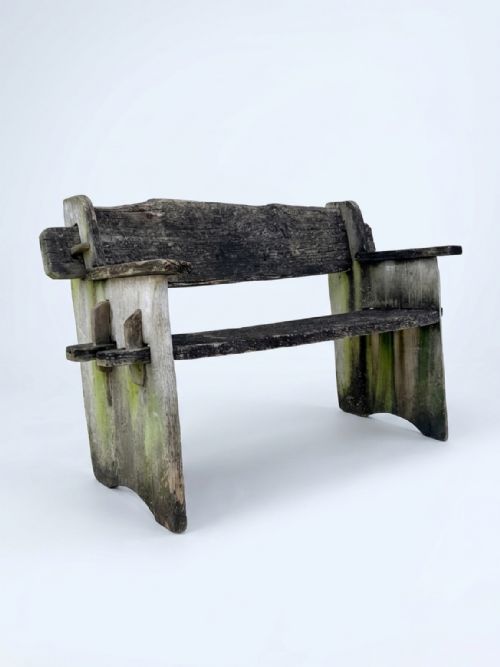
Buyers most frequently encounter nineteenth-century interpretations alongside genuine eighteenth-century examples and robust Edwardian utility pieces. Forms range from simple five-plank construction and pig benches to elaborately carved box settles with integrated storage.
Regional styles incorporate elements of Gothic Revival, Arts and Crafts simplicity, and vernacular rustic traditions. These seating items served practical purposes in hallways, kitchens, and communal spaces long before entering the antiques market.
Factors influencing quality and value
Integrity of timber and originality of components dictate baseline desirability, with untouched surfaces and period-correct pegs commanding higher regard. Alterations to height, replacement boards, or heavily restored structural elements diminish historical authenticity.
Proportion and execution of carving separate standard utility items from exceptional examples. Finer pieces display balanced proportions, crisp joinery, and well-considered vernacular detailing rather than excessive or later applied decoration.
Current listings feature oak alongside iron, leather, elm, brass, and velvet across periods ranging from the seventeenth century to the twentieth.
GIllows·Harry & Lou Epstein·William Birch·James Shoolbred
The English Oak Bench Glossary
- Settle
- A wooden bench with a high back, solid arms, and frequently a box base for storage. This form kept draughts away from inhabitants in older halls and kitchens.
- Joint stool
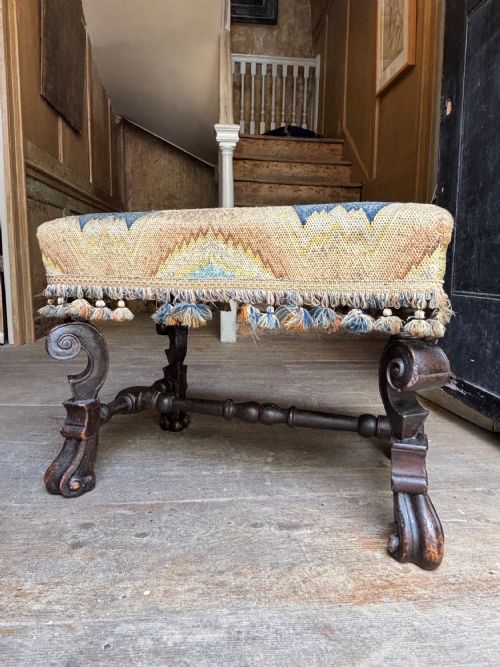
- A sturdy wooden stool constructed with pegged mortise and tenon joints rather than turned legs inserted into a seat. They often served as precursors to longer benches and forms.
- Monks bench
- A convertible furniture form featuring a hinged top that pivoted to transform the backrest into a table surface. Most examples encountered date from the Victorian period revival.
- Box settle
- A seating unit incorporating a compartment beneath the hinged seat. This provided secure storage for household textiles, boots, or provisions.
- Refectory
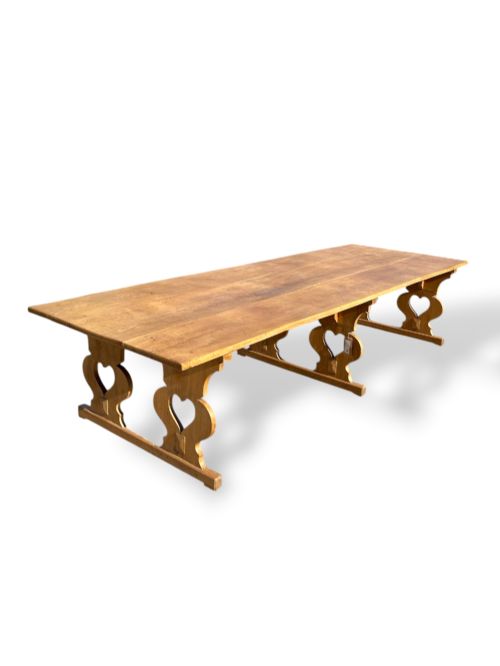
- A term applied to long, heavy tables and benches historically used in communal dining halls. They display linear proportions and sturdy underframing.
English Oak Bench: Frequently Asked Questions
How do I date an antique oak bench?
Dating relies on examining tool marks, construction methods, and timber patination. Hand-adzed surfaces and pegged joinery generally indicate earlier manufacture, while machine sawn elements point to nineteenth-century production.
Style shifts also offer clues, as seventeenth-century pieces favour austere rectilinear panels while Victorian examples introduce heavy relief carving and Gothic motifs.
Where were settles placed in historic homes?
Settles typically stood near fireplaces or in entrance hallways to block cold draughts from doors. Their high backs and solid sides created a sheltered microclimate before central heating existed.
In larger estates, they served in servant quarters, boot rooms, and informal gathering areas rather than formal reception rooms.
Are these benches suitable for daily seating?
Solid oak construction makes these benches exceptionally durable for everyday use in modern dining rooms or hallways. Adding loose cushions provides extra comfort without altering the underlying structure.
Care should be taken to place them away from direct heat sources to prevent the historic timber from drying out and splitting.
What is a pig bench?
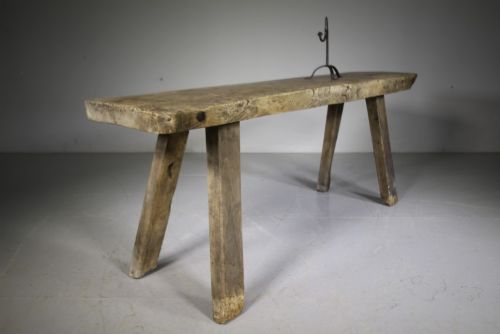
Pig benches are low, heavy wooden forms traditionally utilised in rural agricultural settings for butchery and farm work. Their thick slab tops and sturdy legs now make them popular as low coffee tables.
These pieces showcase simple utilitarian carpentry and deep patination accumulated through generations of rural labour.