
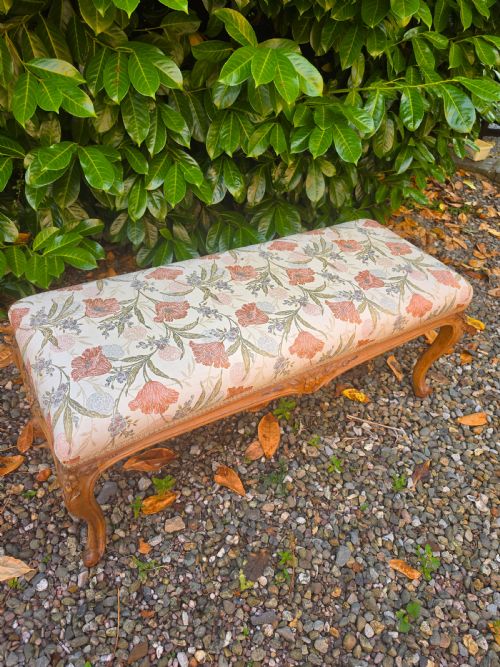
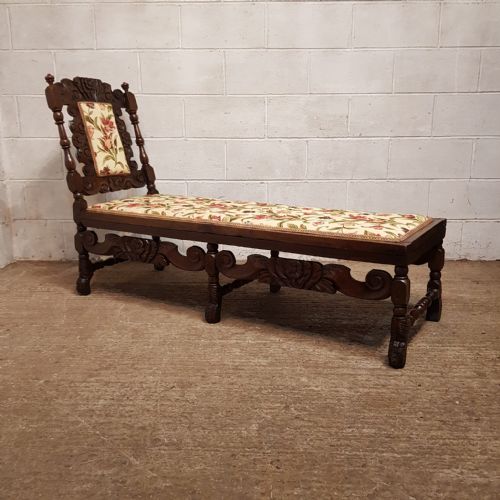


Floral Upholstered Bench
A floral upholstered bench offers a practical seat with textile decoration, spanning centuries of craftsmanship from Victorian times onwards.
Floral Upholstered Bench
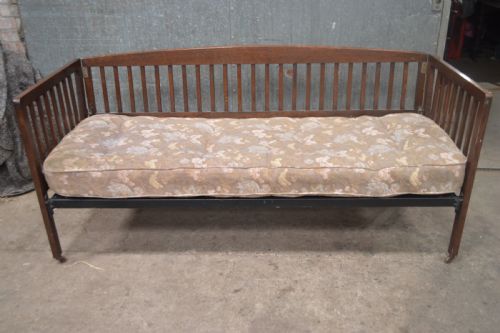
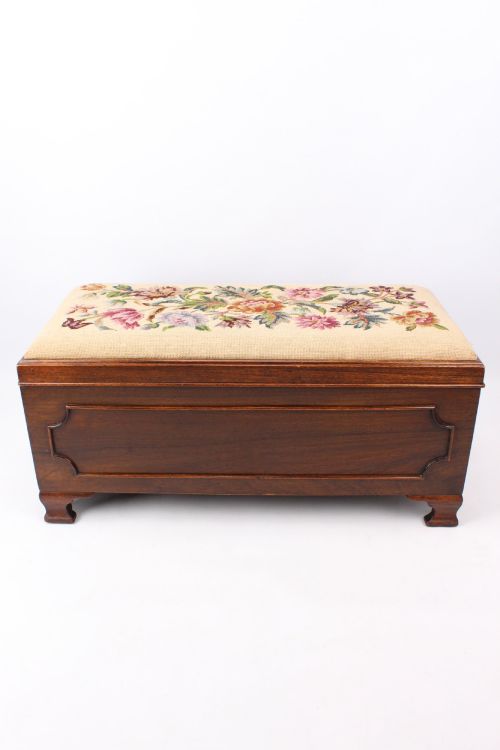
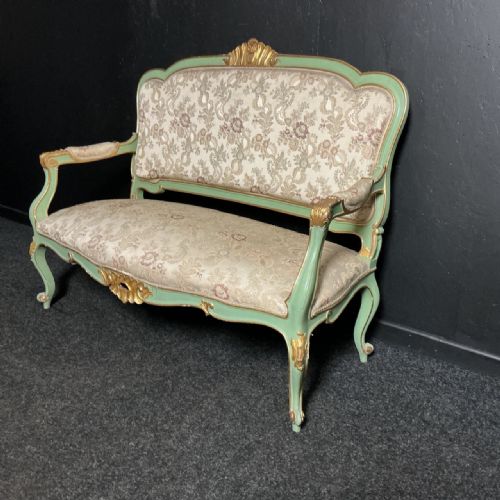
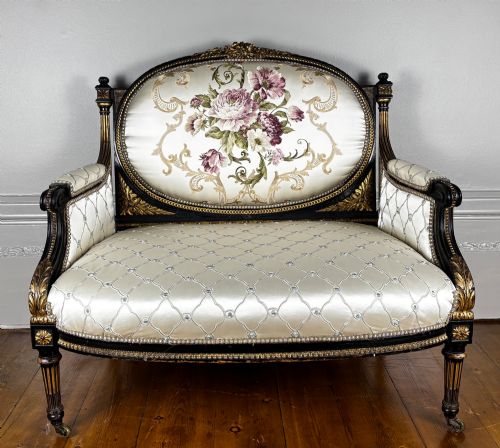
When you search for a floral upholstered bench, you encounter a varied selection of seating that includes dressing table stools, long footstools, daybeds, and settees. These pieces frequently appear in forms dating from the nineteenth century through to the early twentieth century, reflecting both Victorian and Edwardian tastes.
The objects themselves range from compact walnut dressing stools to larger mahogany and rosewood ottomans, often featuring textile coverings with needlework or flowery top covers. Alongside British examples, French Provincial, Italian, and Dutch pieces frequently populate this selection, introducing painted finishes and marquetry details.
Materials and construction
Makers utilised solid timbers such as walnut, mahogany, rosewood, oak, and satinwood to build the structural frames of these seats. Decorative flourishes often involved parcel gilt, painted surfaces, and intricate wood veneers.
Upholstery techniques combined sturdy internal frames with textiles including wool, velvet, fabric, and needlepoint. Brass hardware occasionally appeared on mechanisms like those found on fold down daybeds and box ottomans.
The listings here draw heavily on nineteenth-century craftsmanship, alongside specific pieces from the Edwardian period and the 1920s.
Judging quality and execution
The refinement of the carved wooden frame dictates much of the visual merit, distinguishing simple utility pieces from elaborately styled furniture with cabriole legs or detailed fretwork. Timber selection also plays a central role, with dense figures in walnut, rosewood, and mahogany marking out superior work.
The execution of the upholstery and needlework finishes determines the character of the seating surface. Hand-stitched needlepoint and period-appropriate textile covers demonstrate a higher level of dedicated craftsmanship than standard modern replacements.
The Floral Upholstered Bench Glossary
- Ottoman
- A low upholstered seat or bench without back or arms, frequently designed with a hinged top to reveal internal storage space.
- Settee
- A medium-sized upholstered seat with a back and arms, built to accommodate two or more people comfortably.
- Daybed
- An elongated piece of furniture functioning as a sofa by day and a bed by night, sometimes incorporating folding or reclining mechanisms.
- Cabriole leg
- A furniture leg that curves out and then in, resembling the shape of an animal's leg, commonly seen on eighteenth and nineteenth-century pieces.
- Needlework
- Decorative sewing executed on a canvas mesh ground, historically used to create durable and colourful seat covers.
Floral Upholstered Bench: Frequently Asked Questions
What is a floral upholstered bench used for?
These pieces serve as functional seating in bedrooms, hallways, and living spaces, often positioned at the foot of a bed or beside a dressing table.
They also provide decorative accents that introduce historic textile patterns and traditional woodwork into an interior scheme.
How do I identify a Victorian piece?
Victorian examples often feature dark dense timbers like walnut and mahogany, accompanied by heavy carving or turned wooden supports.
Design influences from this era frequently lean towards robust proportions and traditional upholstery methods utilising wool or velvet.
Are the fabric covers original?
Many listings feature either antique needlepoint or newly applied flowery top covers that have been added during restoration work.
Examining the textile helps determine whether the piece retains its historical upholstery or has been refreshed for modern interior use.
What is the difference between a stool and a settee?
Stools are backless or low seating units designed for single occupants or extended footrests, such as long dressing stools.
Settees incorporate backs and arms to support multiple people in an upright sitting position.