


Brown Mahogany Stool
A brown mahogany stool brings solid timber, tactile seating and compact elegance to any room.
Brown Mahogany Stool
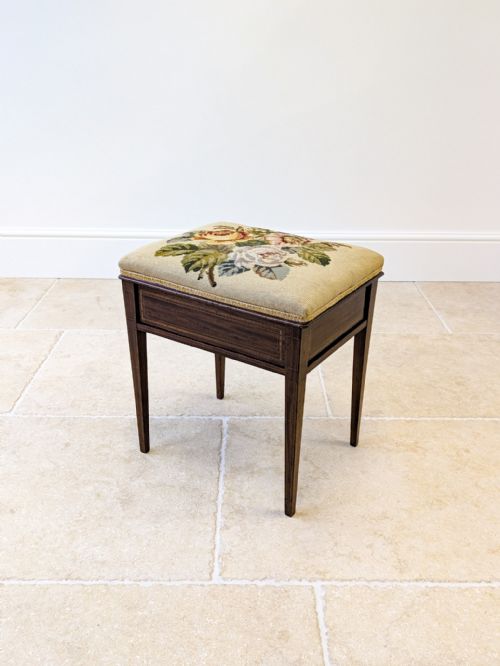
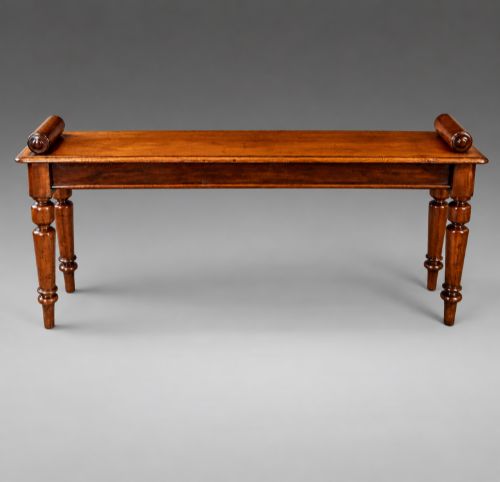
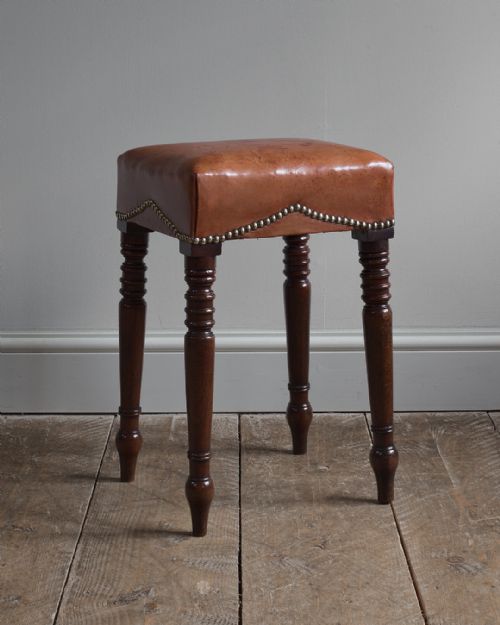
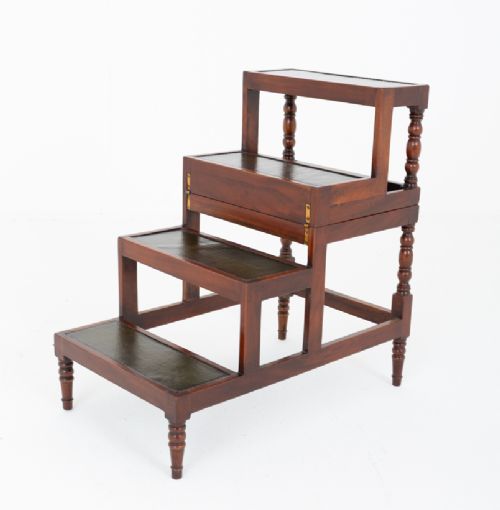
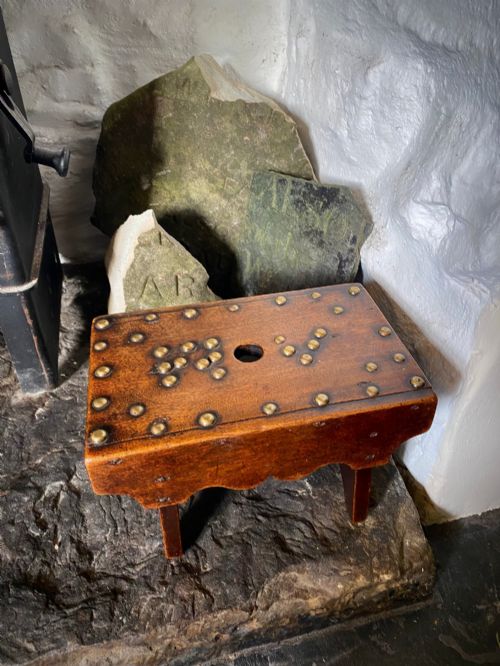
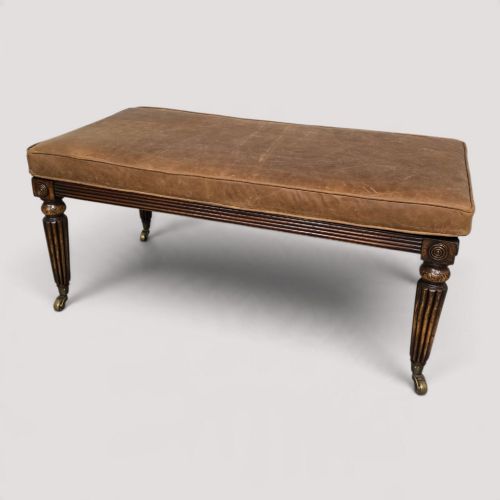
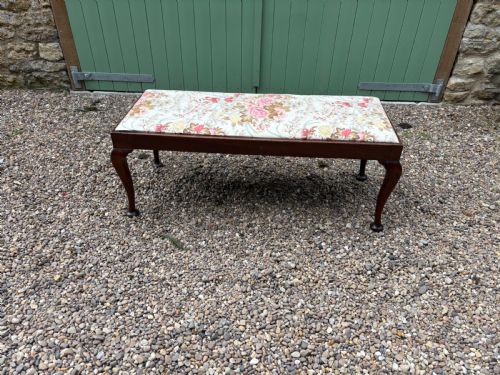
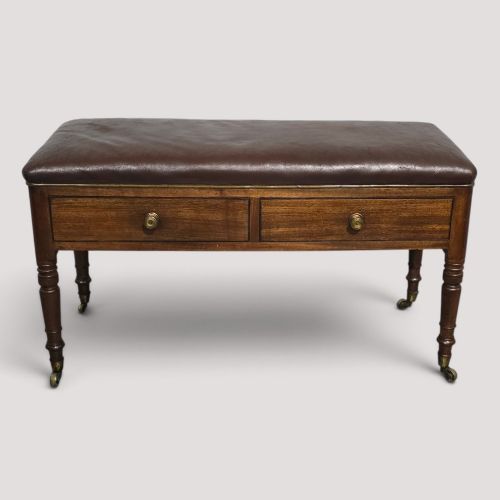
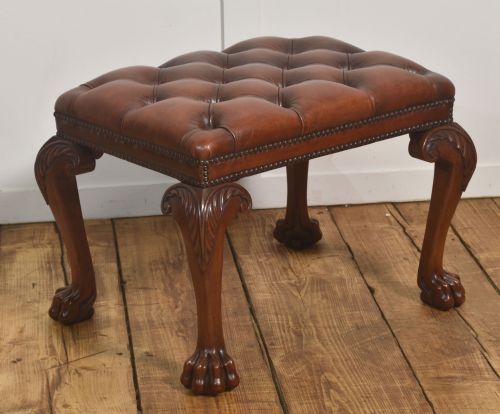
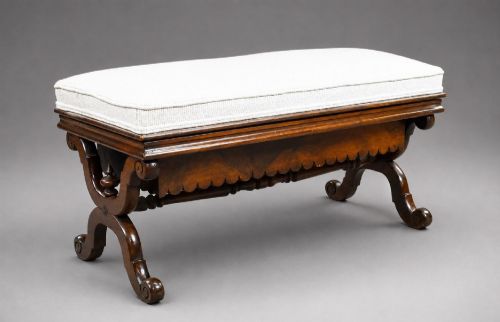
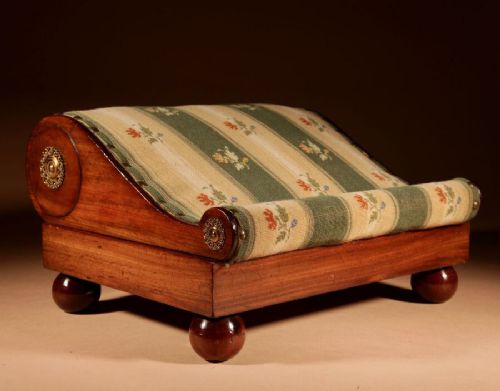
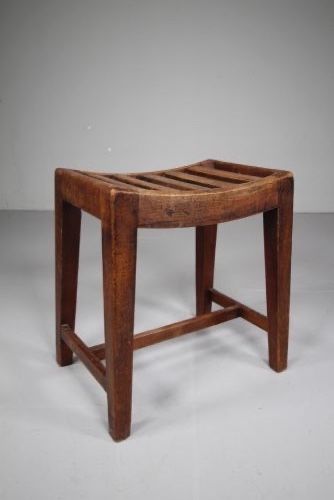
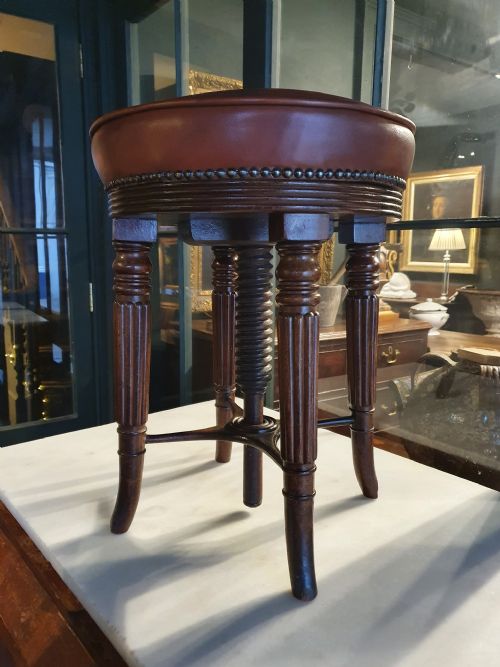
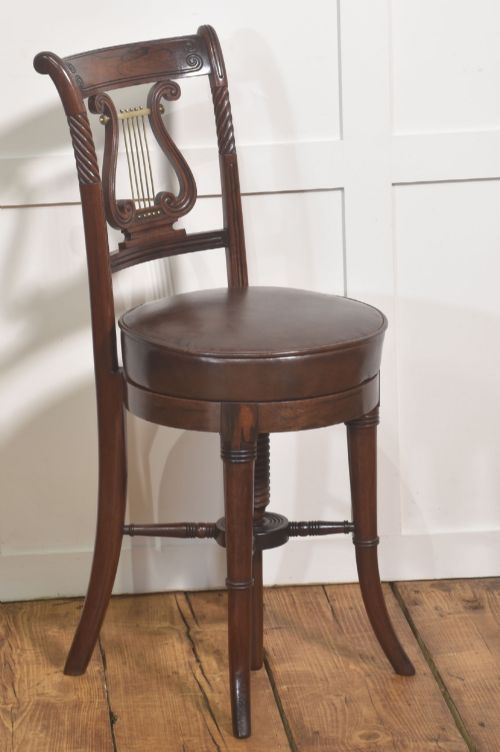
When searching for a brown mahogany stool, buyers encounter an array of seating and stepped forms spanning the eighteenth, nineteenth and early twentieth centuries. The selection here ranges from compact footstools and piano seats to expansive window seats, ottomans and library steps.
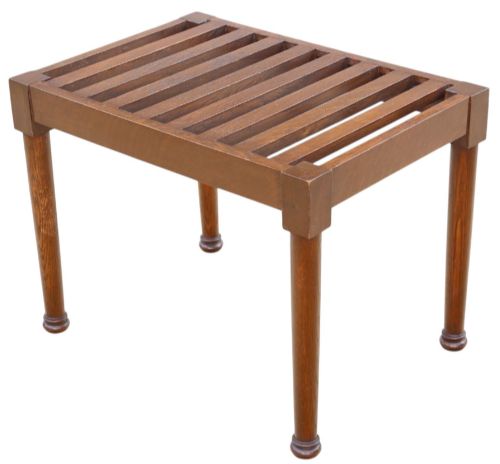
Georgian, Regency and Victorian pieces dominate the listings, offering traditional silhouettes like the x-frame stool or circular piano seat. Makers also produced functional variations including luggage stands, dressing table chairs and duet stools designed for two.
Origins stretch across English workshops and continental makers, reflecting shifting domestic habits from the eighteenth century into the Edwardian era. Buyers find both simple slatted designs and elaborately upholstered seating tailored for specific domestic spaces.
Craftsmanship and condition
Quality rests in the crispness of the timber carving, the rigidity of the joinery in frames like the x-frame or folding library steps, and the retention of original materials. Superior examples display thoughtful proportions, such as carefully shaped slats or finely turned legs.
The integrity of the secondary materials marks the distinction between ordinary pieces and finer survivals. Original leather, unreplaced cane work and intact fabric or buttoning elevate a stool's historical character and visual presence.
Brown Mahogany Stool Retail Price Guide 2026
Typical asking prices for brown mahogany stool among the pieces listed under this phrase on Sellingantiques today, from the lower quarter to the upper quarter. They describe what is for sale here now, not the wider market.
Some nineteenth-century footstools doubled as clever resting spots for tired feet after long carriage rides.
Liberty & Co·J Shoolbred·James Shoolbred·Thonet
The Brown Mahogany Stool Glossary
- X-frame
- A stool or window seat constructed with intersecting diagonal legs forming an X shape. This classic form dates back to antiquity and gained particular favour during the Regency period.
- Ottoman
- A low upholstered seat or box stool often featuring internal storage beneath a hinged top. These pieces frequently incorporate buttoned leather or textile coverings.
- Duet stool
- An extended piano stool or bench built to accommodate two musicians side by side. They appear primarily in nineteenth and early twentieth-century forms.
- Luggage stand
- A low rack or stand fitted with webbing or slats designed for holding baggage at a convenient height. They share construction methods with traditional stools.
- Bergere
- A woven cane panel used for seats and backs, offering flexible support. This technique appears on specialised seating such as gout stools.
Brown Mahogany Stool: Frequently Asked Questions
How do I date a mahogany stool?
Dating relies on observing structural characteristics, joinery techniques and stylistic markers associated with specific periods like the Georgian or Victorian eras. Secondary woods and fastener types also provide clues to the age of the piece.
Examining the wear patterns on the mahogany and the condition of any upholstery helps confirm whether a stool dates to the eighteenth, nineteenth or early twentieth century.
Can I use a piano stool at a desk?
Many antique piano stools feature adjustable height mechanisms that make them practical for modern desk use. Their compact footprint fits neatly into smaller workspaces.
Buyers should check the maximum and minimum height settings to ensure the stool aligns comfortably with a standard desk surface.
What is the difference between a window seat and a footstool?
Window seats are longer, often backless benches designed specifically to sit beneath windows, sometimes featuring arm rests or x-frame supports. Footstools are smaller, lower platforms intended primarily for resting feet.
Both forms utilise mahogany frames and upholstered tops but serve distinct placement functions within a traditional room layout.
How do I care for antique leather upholstery?
Leather surfaces benefit from gentle cleaning with a soft cloth and occasional treatment with appropriate conditioning balms to prevent drying and cracking. Keeping the leather away from direct sunlight preserves its colour.
Original buttoned upholstery requires careful dusting around the folds to prevent the accumulation of debris over time.