
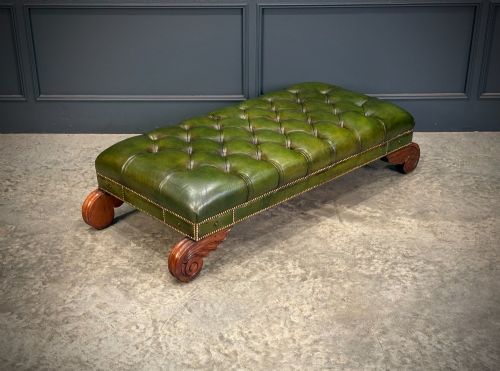
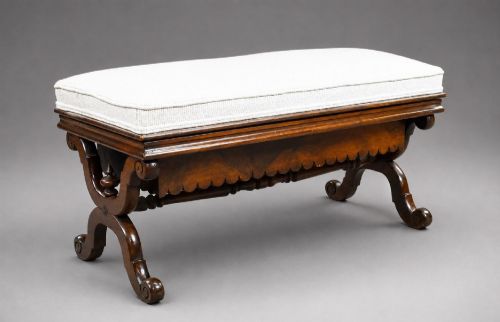
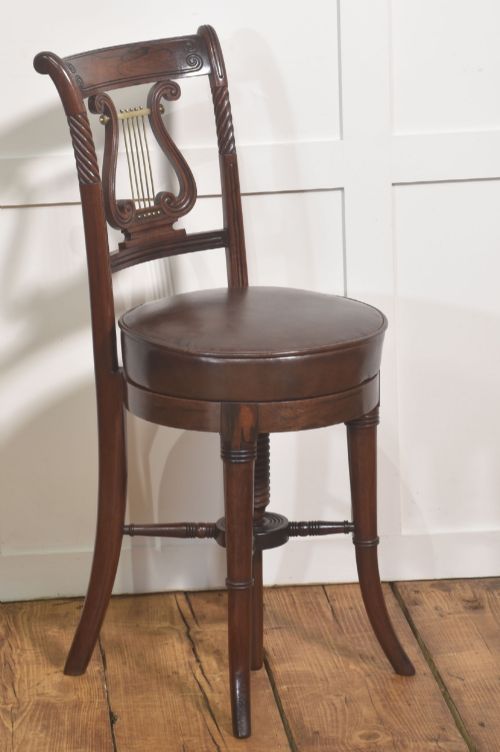
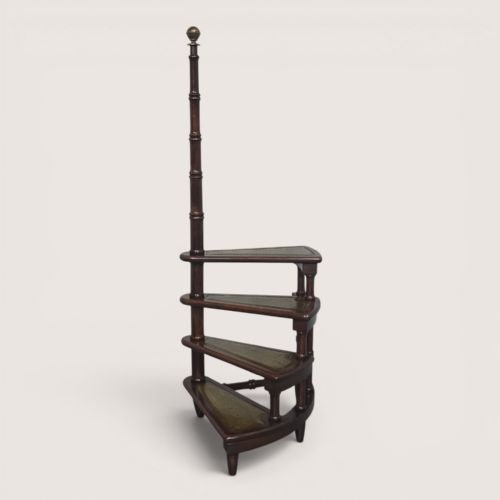


Regency Mahogany Stool
A regency mahogany stool brings architectural elegance and versatile seating to a room, combining rich timber with classic early nineteenth century design.
What these pieces are
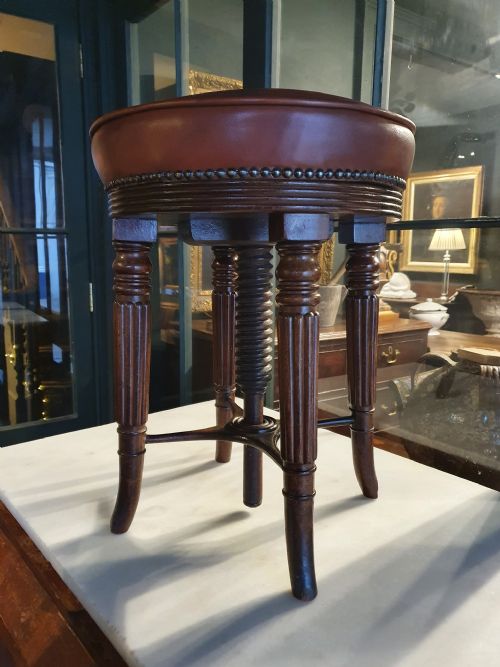
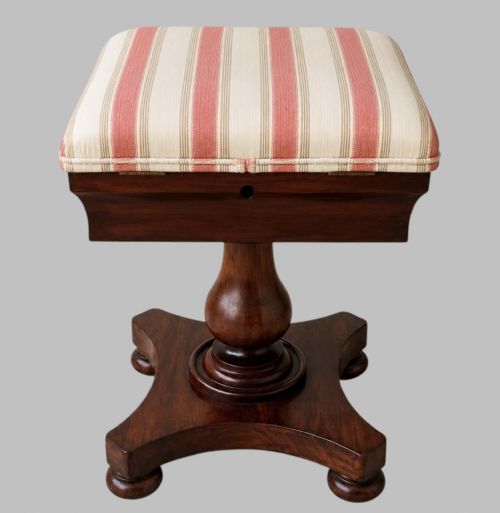
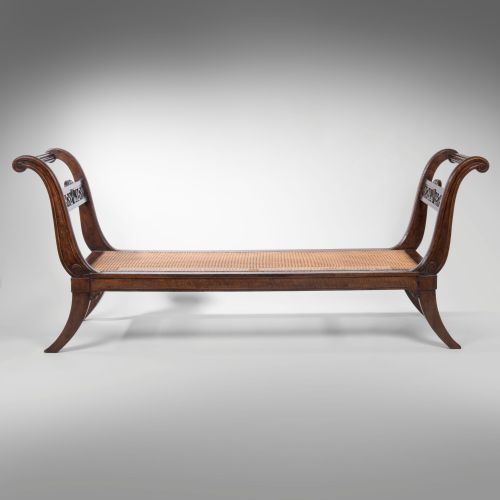
A regency mahogany stool encompasses a variety of domestic seating forms produced during the early nineteenth century and the wider Regency period. Buyers encounter everything from simple square footstools to piano stools, window seats, and distinctive X-framed designs.
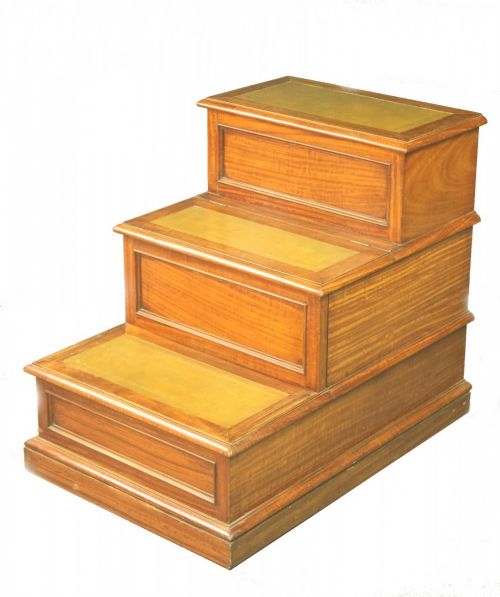
The selection frequently includes specialised pieces such as metamorphic library steps, revolving piano stools, and long window seats upholstered in traditional ticking or leather. These items reflect the diverse utility of seating within nineteenth century interiors.
How they were made
Cabinet makers utilised solid mahogany timber to construct the frames, often incorporating turned and tapered legs or X-shaped bracing for structural support. Brass fittings frequently appeared on adjustable mechanisms and campaign variants.
Upholstery techniques involved traditional padding covered in materials such as leather, fabric, needlepoint, and buttoned ticking. These finishes completed the construction of both fixed stools and adjustable piano seats.
Retail Price Guide 2026
Typical UK retail prices for regency mahogany stool, calculated from the Sellingantiques database of over a million retail prices indexed since 2003. This retail price guide relies exclusively on Sellingantiques data; no external sources or auction records are used, so the figures do not describe the wider market.
Listings feature mahogany, brass, and leather across the Regency and William IV periods.
What varies in quality
The standard of timber selection and the sophistication of the joinery distinguish the construction, with finer examples displaying superior grain figuring in the mahogany. Maker attribution, such as work associated with Gillows, elevates the standing of specific pieces.
The presence of complex mechanical functions, such as adjustable screws for piano stools or metamorphic folding action for library steps, separates utilitarian items from more ambitious cabinet work.
Gillows
The Regency Mahogany Stool Glossary
- Regency
- A design period spanning the early nineteenth century characterised by classical restraint and revival styles. Furniture from this era often draws inspiration from ancient Greek and Roman forms.
- Mahogany
- A durable tropical timber valued for its deep reddish brown colour and smooth grain. It served as the primary material for high quality cabinet making during the nineteenth century.
- X-frame
- A structural furniture form utilising intersecting diagonal members to support the seat. This design appears frequently on campaign stools and classical revival seating.
- Metamorphic
- A descriptive term for furniture designed to transform into another object, such as library steps folding down into a stool. These pieces showcase ingenious nineteenth century mechanical engineering.
- Ticking
- A tightly woven cotton or linen fabric traditionally used to cover mattress fillings and upholstery. It appears on numerous period footstools and window seats.
Frequently Asked Questions
What is a regency mahogany stool?
A regency mahogany stool is a piece of early nineteenth century seating constructed from solid mahogany timber. These items range from simple footstools to complex piano stools and window seats.
They reflect the formal design aesthetics of the Regency and William IV periods. Cabinet makers produced them in various forms to serve domestic needs throughout the home.
How were piano stools used?
Piano stools provided adjustable or revolving seating for musicians practicing keyboard instruments in nineteenth century parlours. Their mechanical height adjustment ensured correct posture during long practice sessions.
Many examples feature revolving tops or screw mechanisms concealed within the mahogany frame. This functionality combined practical utility with refined cabinet design.
How do I style a window seat?
A long window seat or stool fits naturally beneath low windows or along narrow hallways. Their slender proportions make them ideal for spaces where traditional chairs prove too bulky.
Upholstered finishes in ticking, leather, or needlepoint allow these pieces to complement existing interior textiles. They provide functional low seating without obstructing natural light.
How can I identify a Regency piece?
Regency furniture identification relies on recognising classical architectural motifs, turned and tapered legs, and specific timber choices like mahogany. Cabinet makers of this era favoured clean lines and structural restraint.
Comparing construction methods and hardware against documented examples helps confirm the period. Surviving pieces often display the distinct patination accumulated over two centuries.