



Antique Footstool Bench
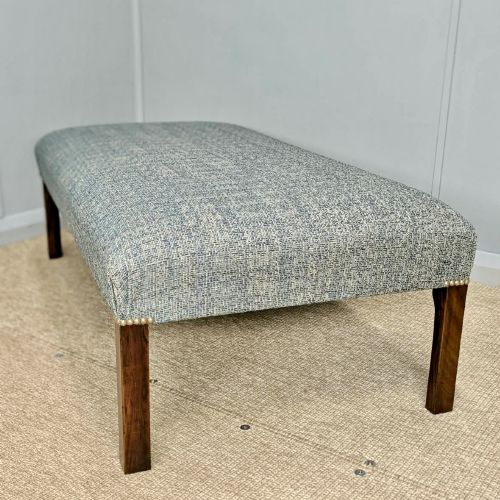
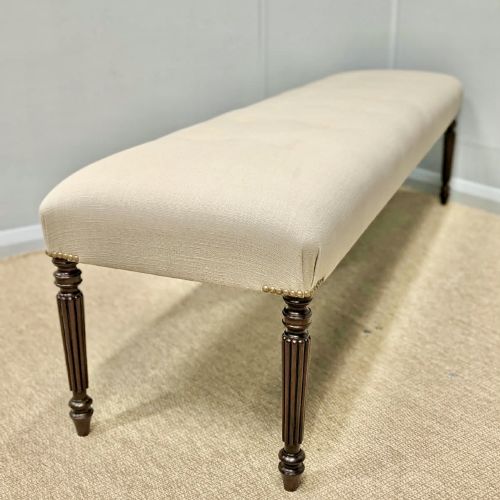
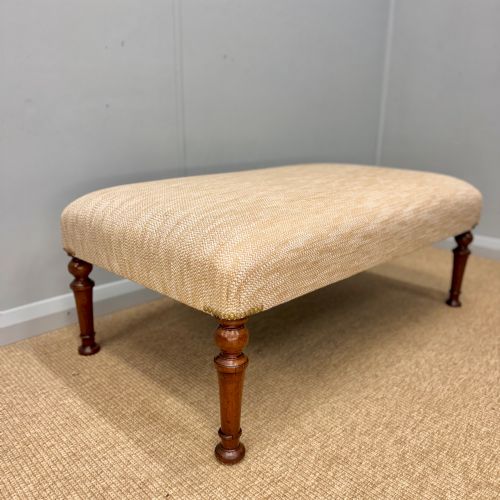
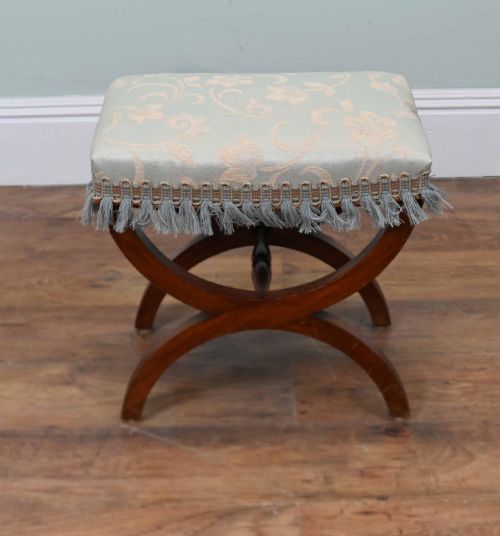
These antique footstool bench designs combine sturdy timber frames with traditional upholstery to offer practical seating and foot support.
Antique Footstool Bench
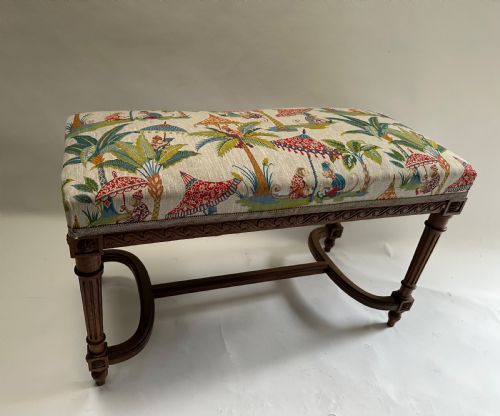
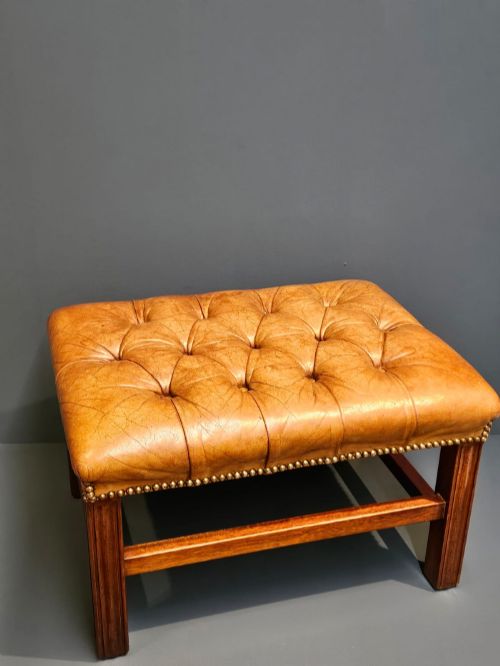
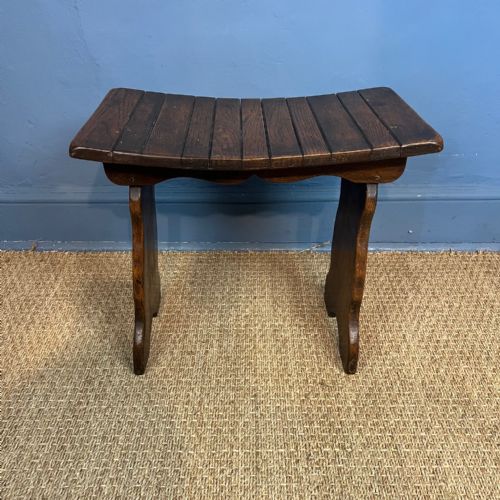
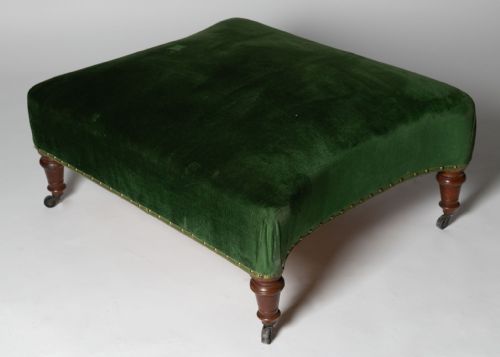
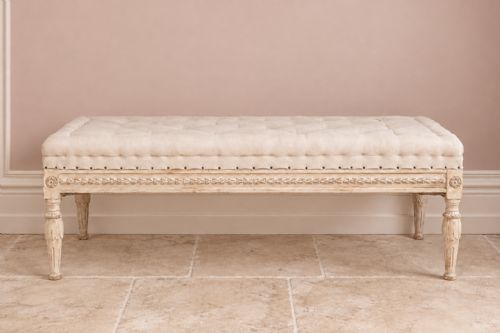
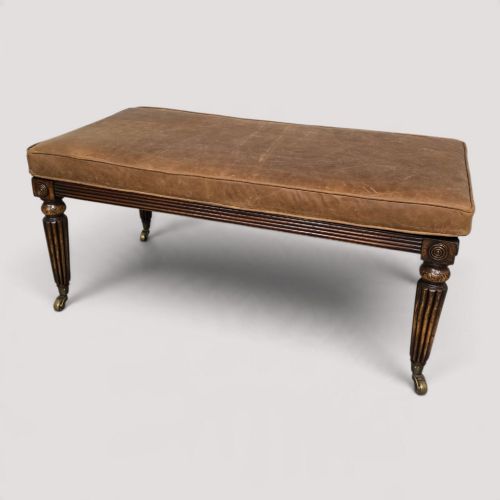
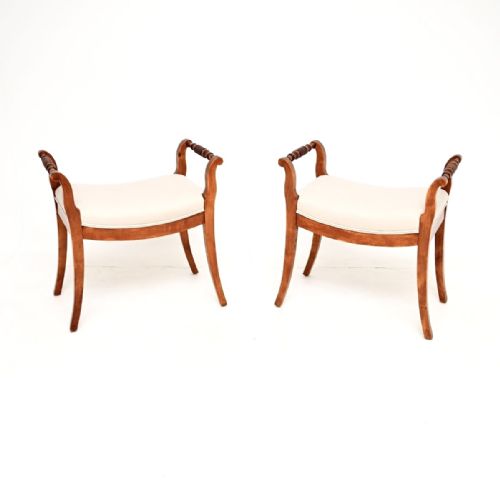
The most common examples you will encounter on this page are nineteenth-century and Victorian pieces, frequently rendered in mahogany, walnut, or rosewood with upholstered, buttoned, or needlework seats. Simpler vernacular versions, such as painted pine or elm milking stools and rustic country benches, also appear regularly alongside grander revival styles.
Makers and workshops of the past produced these items for diverse domestic settings, from formal drawing rooms and dressing tables to provincial farmhouses. Their enduring utility lies in their adaptability, serving equally well as low seats, impromptu coffee tables, or bed ends.
How they were made
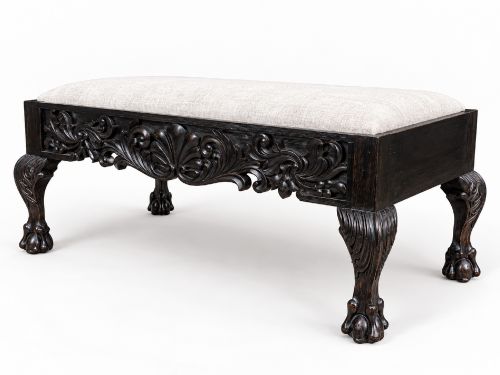
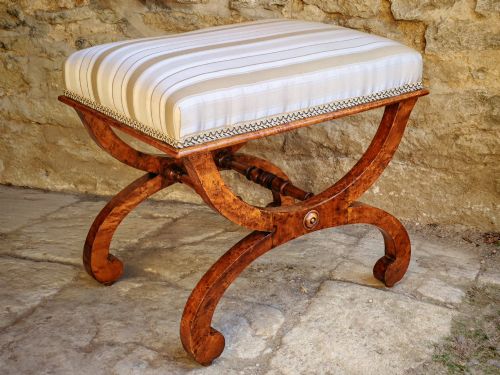
Cabinet makers utilised durable hardwoods such as mahogany, walnut, rosewood, sycamore, and ash to construct the rigid frames, employing traditional joinery methods like mortise and tenon joints. Many examples incorporate turned, tapering, or cabriole legs, sometimes augmented by cross stretchers for added structural stability.
Upholstery techniques relied on textiles, fabric, wool, leather, and needlework fixed over padding to create comfortable surfaces, with buttoning frequently applied for both decoration and tension. Decorative finishes ranged from plain polished timber to original painted surfaces, parcel gilding, and lacquering.
Antique Footstool Bench Retail Price Guide 2026
Typical asking prices for footstool bench among the pieces listed under this phrase on Sellingantiques today, from the lower quarter to the upper quarter. They describe what is for sale here now, not the wider market.
Materials represented across the frames range from native elm and pine to exotic rosewood and mahogany.
What varies in quality
The grade of an antique footstool bench depends heavily on the selection and figuring of the timber employed in its frame, alongside the finesse of hand-carved details such as cabriole legs or gilt ornamentation. Finer workshops invested greater labour in precise joinery and sophisticated proportioning, ensuring both visual elegance and long-term structural integrity.
The preservation of original surface finishes, whether polished wood, early paint, or period leather, significantly elevates a piece. Furthermore, the quality and historical appropriateness of the upholstery textiles, from hand-stitched needlework to traditional buttoned hide, dictate the overall standard of execution.
Harry and Lou Epstein
The Antique Footstool Bench Glossary
- Cabriole leg
- A furniture leg that curves outward in a convex arc and then tapers inward in a concave arc, terminating in a foot. This form was popular during the eighteenth and nineteenth centuries.
- Cross stretcher
- Horizontal timber bars connecting the legs of a stool near the base to provide structural reinforcement. They often feature central turnings for decorative effect.
- Needlework
- Hand-stitched textile work utilising yarn on a canvas mesh, frequently employed for durable and colourful seat covers on period stools.
- Parcel gilt
- A decorative technique where specific raised portions of a wooden frame are partially covered with gold leaf while the rest of the surface shows the base material or paint.
- Vernacular
- Everyday functional items made by local craftspeople using regional materials, unconstrained by high-style academic design conventions.
Antique Footstool Bench: Frequently Asked Questions
What is a hearth stool?
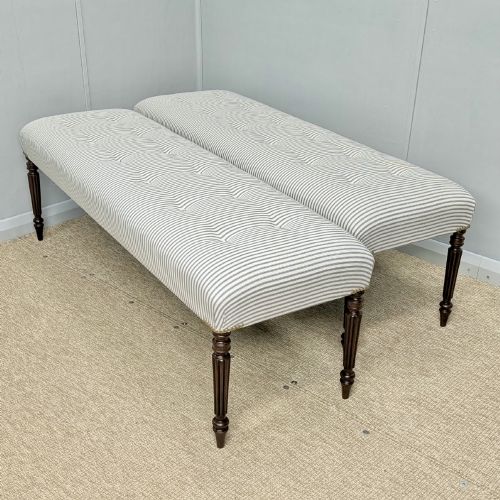
A hearth stool is a long, low seat traditionally placed in front of a fireplace to provide comfortable seating close to the warmth.
These pieces typically feature long upholstered tops and sturdy timber frames designed to withstand heavy domestic use.
Where should I place a long bench?
Long benches and stools suit the foot of a bed, an entrance hallway, or positioned beneath a window as a window seat.
Their shallow depth allows them to fit narrow spaces where traditional chairs would obstruct movement.
Are milking stools comfortable?
Milking stools were originally designed for functional farm work rather than long relaxation, usually featuring simple wooden seats and three splayed legs.
While firm and compact, they serve well today as decorative plant stands or occasional low seats.
What distinguishes a dressing stool?
Dressing stools are compact seats specifically proportioned to fit underneath dressing tables during the Victorian and Edwardian periods.
They frequently display refined details such as cabriole legs, buttoned leather tops, or inlaid mahogany frames.