



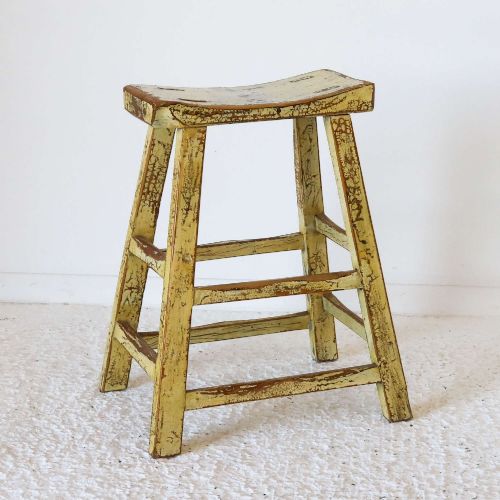

Painted Wooden Stool
A painted wooden stool brings surface colour and honest utility to a room, offering a versatile seat or low surface rooted in period character.
Painted Wooden Stool
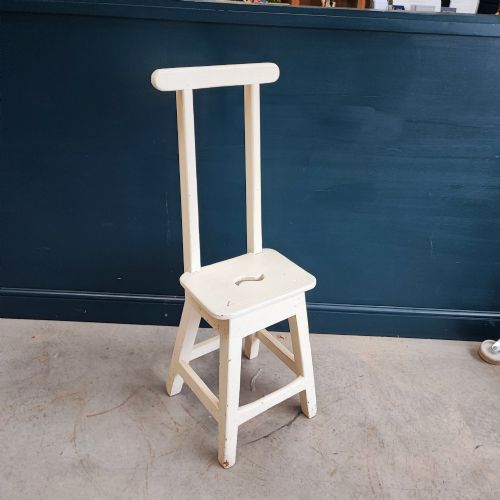
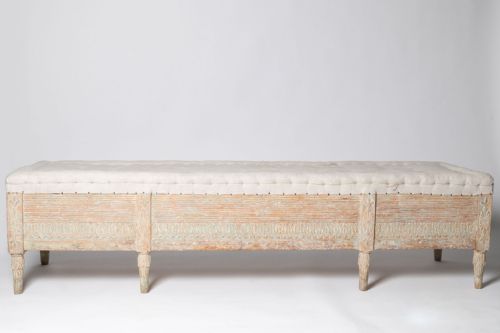
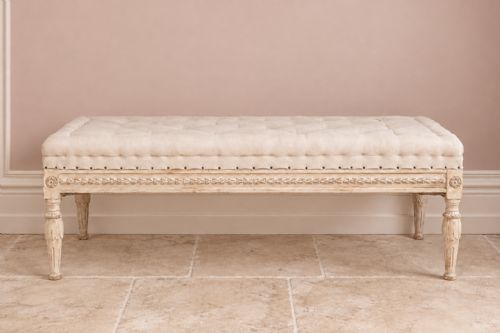
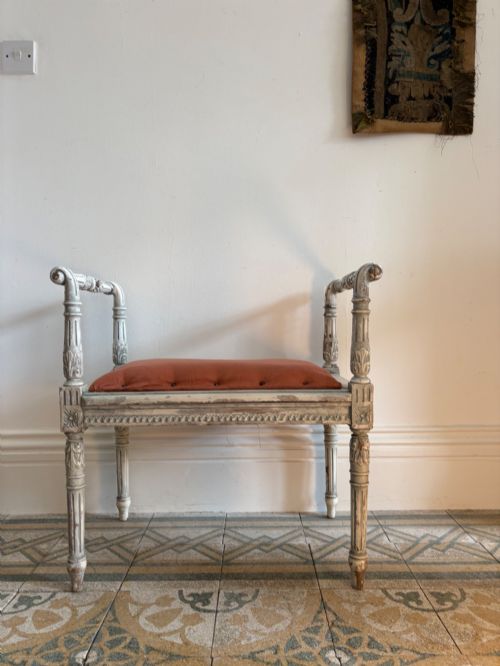
When you search for a painted wooden stool, you encounter a diverse range of seating forms spanning the eighteenth century through to the early twentieth century. These pieces encompass rustic country milking stools, elegant Swedish Gustavian designs, and French provincial window seats.
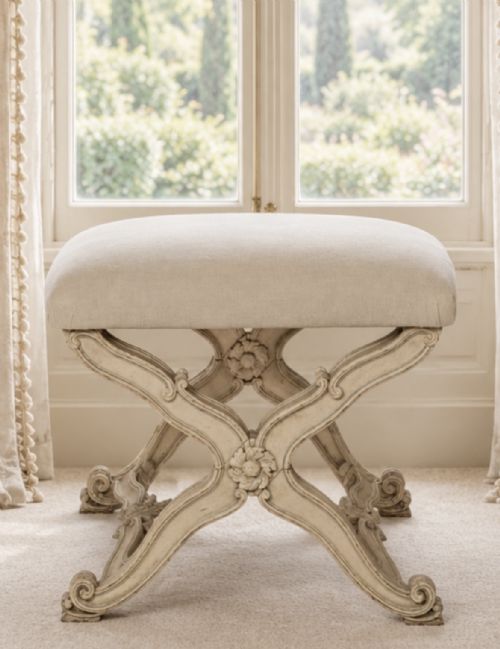
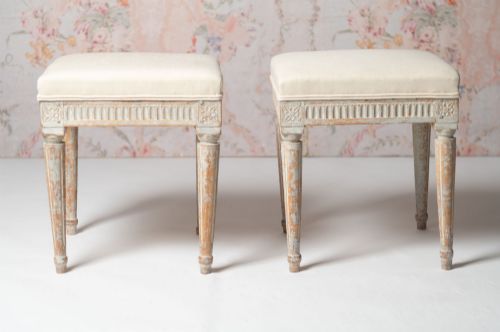
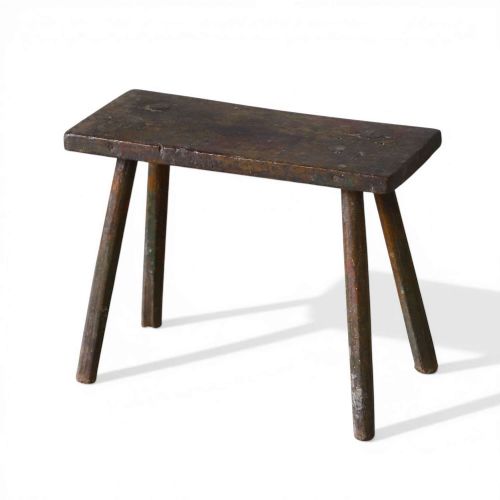
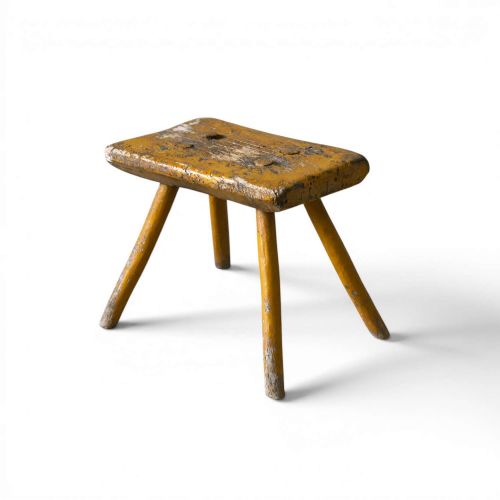
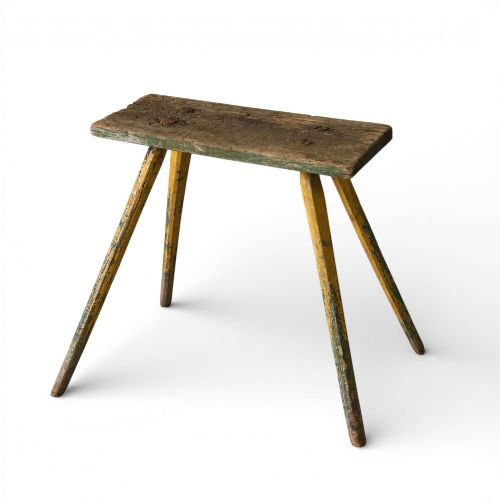
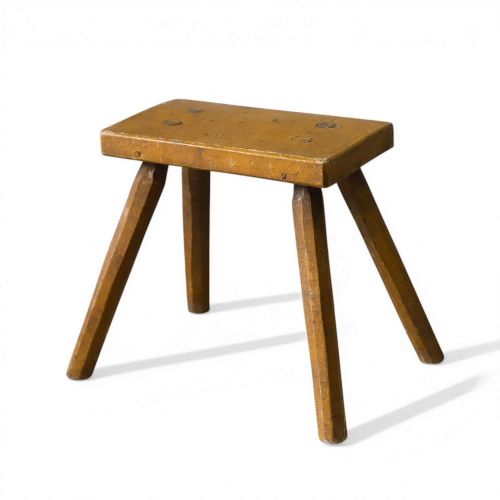
The inventory on this page leans heavily towards European country vernacular pieces alongside refined neoclassical seating. You will frequently find simpler dairy and milking stools featuring original ochre, yellow, or green paint, sitting alongside decorative carved frames from Sweden and France.
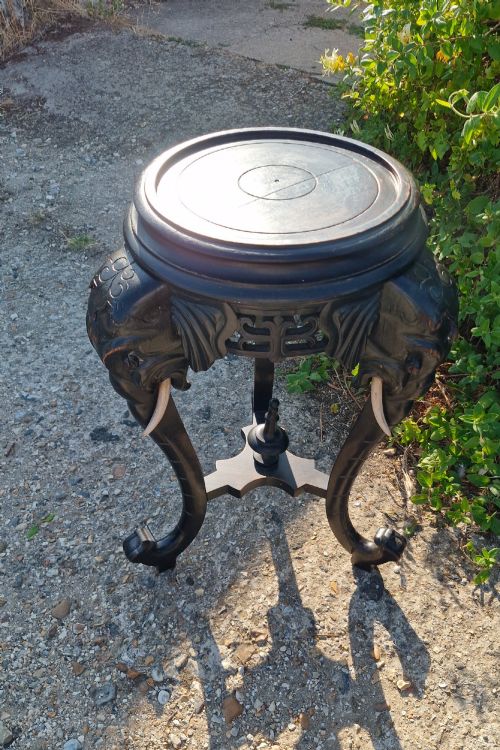
Beyond standard seating, the category broadens to include related low forms such as footstools, benches, and small plant stands. Each piece demonstrates how utilitarian timber furniture received decorative surface treatments across different regional traditions.
Materials and construction methods
These items are constructed primarily from native timbers such as pine, elm, and general hardwood timber, shaped using traditional carpentry and hand-carving techniques. Scratch-built country pieces show straightforward joinery, whereas formal Gustavian and Régence style examples display intricate carved detailing.
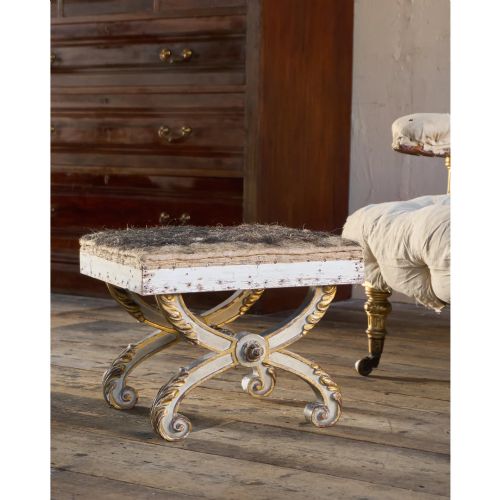
The defining characteristic across these listings is the application of paint, ranging from original surface finishes in monochrome hues to silk upholstery fabrics applied to seats. Lacquered finishes and hand-painted decorative elements further distinguish regional workshops from simple domestic carpentry.
Painted Wooden Stool Retail Price Guide 2026
Typical asking prices for painted wooden stool among the pieces listed under this phrase on Sellingantiques today, from the lower quarter to the upper quarter. They describe what is for sale here now, not the wider market.
Some items feature carved wooden tusks, transforming standard seating forms into whimsical elephant-themed novelties.
Markers of distinction and craftsmanship
Quality in these items rests heavily on the integrity of the original surface finish and the depth of the hand-carving. Pieces retaining their early layers of paint hold greater visual presence than later repainted examples.
Proportion and structural balance separate simpler utilitarian work from high-style regional seating. The refinement found in Swedish neoclassical or French carved frames indicates a more deliberate design ambition than standard domestic dairy seating.
Miles & Edwards·John Tesch·Rowley Gallery
The Painted Wooden Stool Glossary
- Gustavian
- A Swedish neoclassical style characterised by restrained classical symmetry and light painted finishes. It reflects late eighteenth-century royal tastes interpreted with Nordic simplicity.
- Milking stool
- A small, sturdy three or four-legged seat traditionally used by agricultural workers for milking livestock. These utilitarian objects typically feature simple wooden seats and robust turned legs.
- Curule
- An ancient X-frame chair or stool design adopted in later furniture eras. This form uses crossed legs that pivot or join to create a strong folding silhouette.
Painted Wooden Stool: Frequently Asked Questions
How do I identify original paint on an old stool?
Original paint surfaces show natural wear, oxidation, and craquelure consistent with age and domestic use. Examining the edges and undersides reveals the layering of early pigments beneath modern touch-ups.
Under magnification, genuine historic paint exhibits a hard, bonded relationship with the timber substrate. Later overpainting often lacks this integrated appearance and peels away differently.
Where should I place a painted stool at home?
These compact pieces function well as casual seats, bedside surfaces, or low display pedestals for plants and decorative objects. Their modest footprints allow them to fit into hallways, corners, or living rooms without crowding the space.
Placing them away from direct heat sources helps protect both the historic timber and the fragile painted surfaces from cracking or flaking.
What is the difference between Gustavian and French country stools?
Gustavian stools lean towards neoclassical restraint with pale painted finishes, fluted details, and orderly proportions. French country pieces often display a more rustic charm, featuring warm patinas and simpler, organic lines.
Swedish designs tend to emphasise light and symmetry, whereas French provincial variants reflect regional vernacular building traditions.
How should I clean a vintage painted wooden surface?
Dust the timber gently with a dry, soft cloth to remove everyday particles without disturbing fragile paint layers. Avoid commercial solvent cleaners or excessive moisture that can soften historic finishes.
If deeper cleaning is required, consult a specialist restorer to ensure the original pigment remains stable and secure on the wood.