
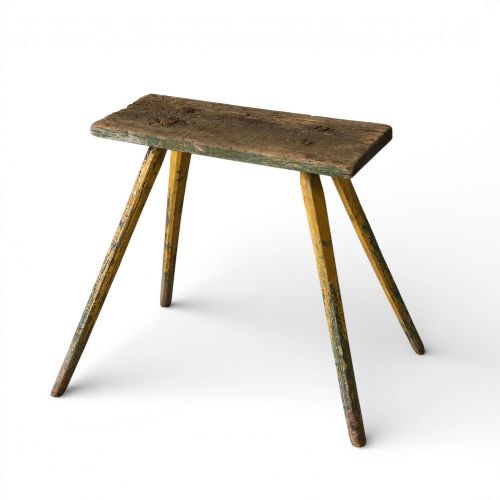
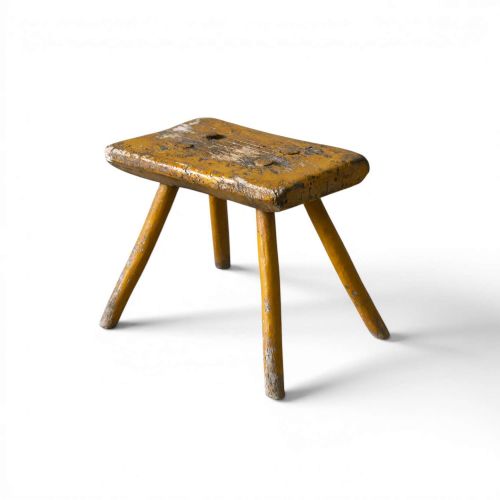
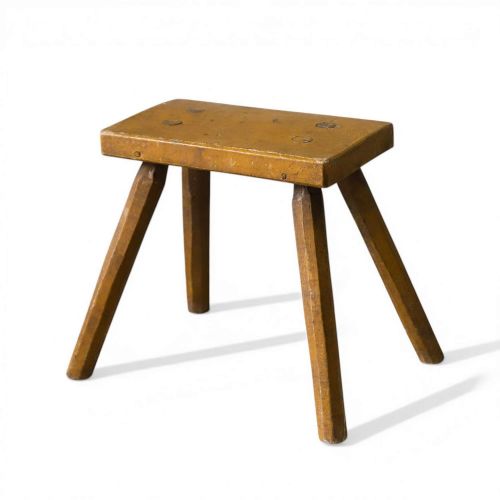
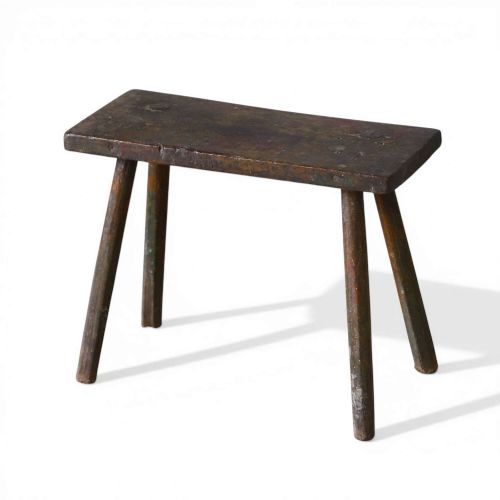
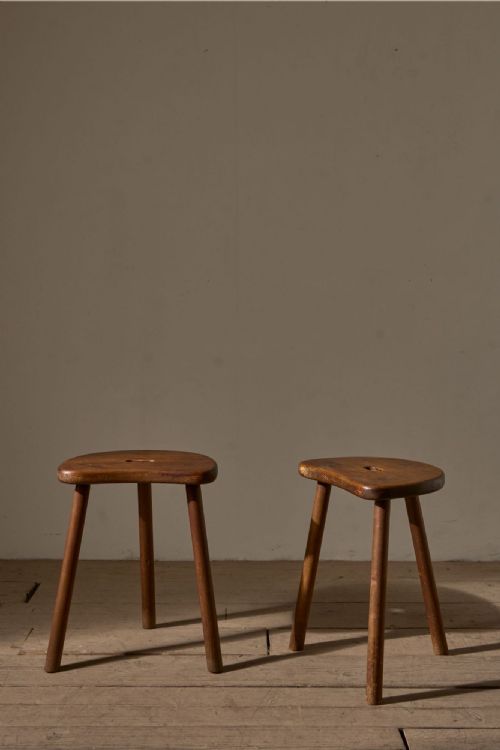

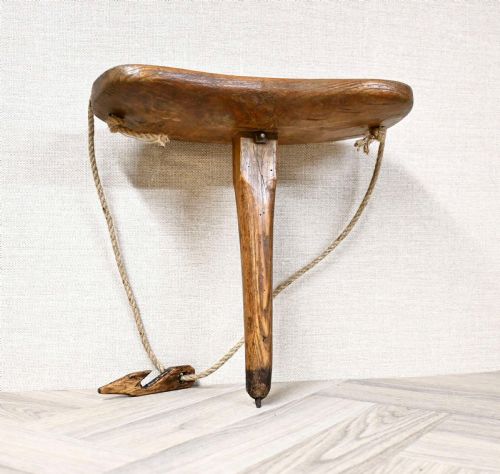
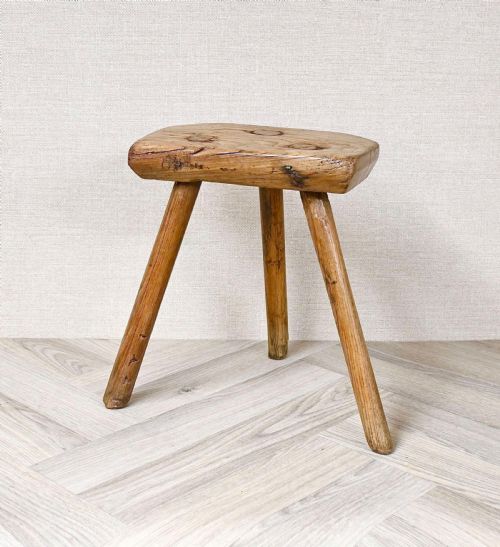
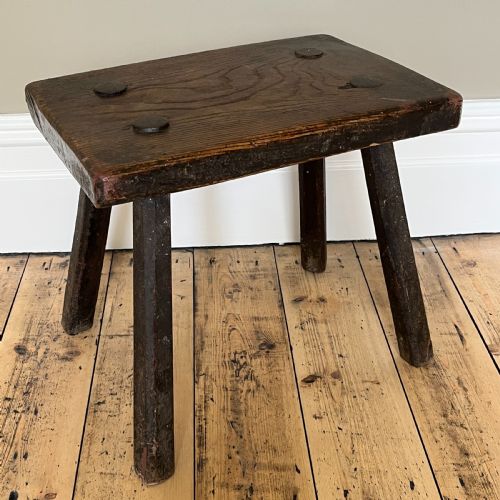
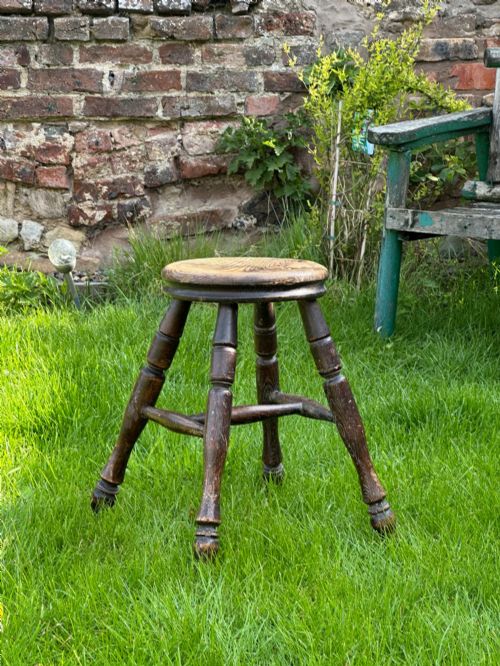

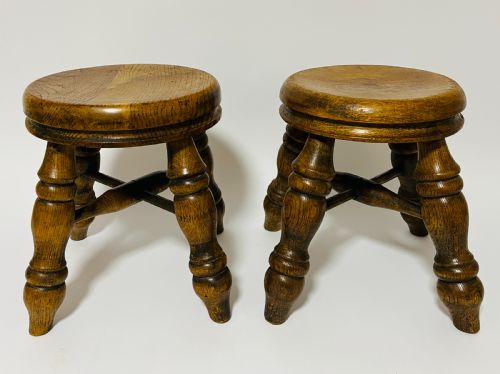
Vintage Milking Stool
A vintage milking stool brings rustic charm and honest utility into any room.
What vintage milking stool pieces are
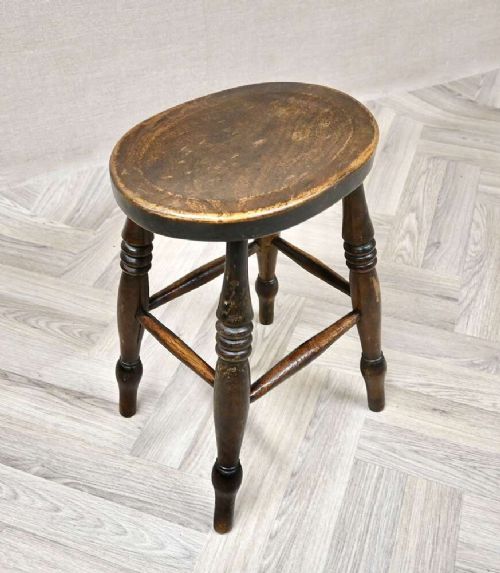
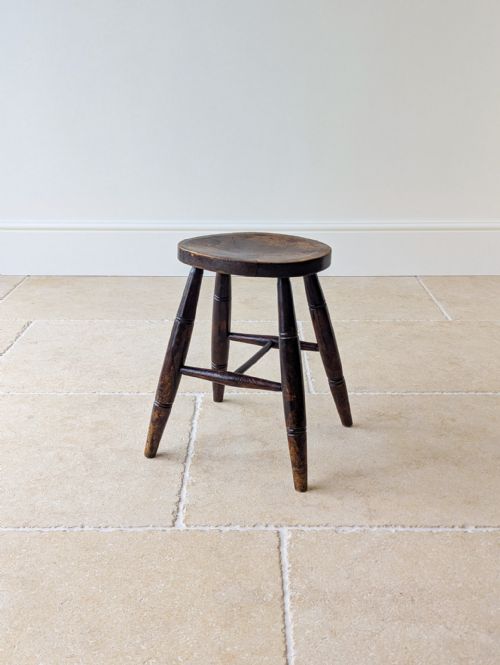
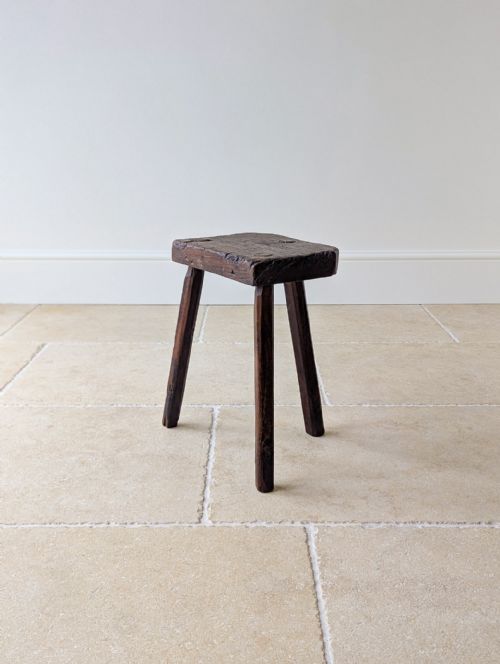
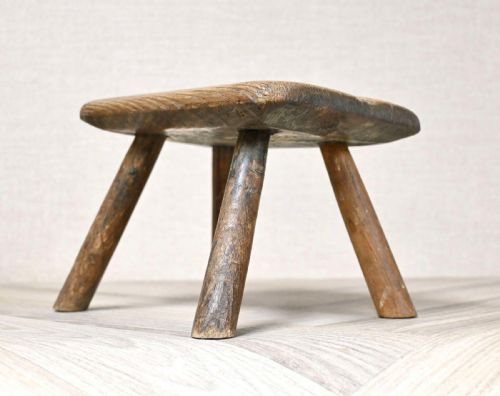
When you search for a vintage milking stool, you encounter low wooden seating designed for agricultural labour.
The versions met on this page span the nineteenth century up to nineteen-twenty, taking forms like dairy stools and oak examples in folk art and rustic country styles.
How they were made
These pieces are constructed from wood, specifically utilising solid oak in certain designs.
Surfaces frequently retain original paint, showing the historic finishes applied to the timber.
Every vintage milking stool holds a quiet history of muddy fields and patient cows, now repurposed for resting your tea.
What varies in quality
Quality rests in the character of the timber and the preservation of original paint rather than elaborate decoration.
Early nineteenth-century examples display distinct regional craftsmanship compared to later Arts and Crafts pieces.
The Vintage Milking Stool Glossary
- Folk art
- Objects created by traditional artisans using local materials and vernacular designs. These pieces often reflect regional utilitarian needs rather than academic style.
- Solid oak
- A dense, durable hardwood utilised for sturdy furniture construction. It ages with a distinct grain pattern.
- Rustic country
- A style characterised by unpretentious design and natural materials intended for everyday rural living. It prioritises practicality over ornament.
- Original paint
- The historic pigment layer applied to an object's surface during its period of use. Surviving original paint provides key evidence of an item's age and history.
Frequently Asked Questions
What is a vintage milking stool?
A vintage milking stool is a low, simple seat historically used by agricultural workers during milking.
Today, these functional objects serve as decorative accent pieces in contemporary interiors.
How old are these stools?
The pieces listed date from the nineteenth century up to nineteen-twenty.
Earlier examples reflect nineteenth-century agricultural traditions, while later ones align with the Arts and Crafts movement.
What materials were used?
These items are constructed entirely from wood, with solid oak appearing in specific designs.
Many examples feature surviving coats of original paint from their working days.
Where do they come from?
The origins include Eastern European workshops as well as British country traditions.
Their geographical background influences the specific woods and paint colours found on each seat.