
Low Wooden Footstool
These low wooden footstool examples range from rustic country milking designs to carved Victorian dressing seats, offering compact comfort for any room.
Low Wooden Footstool
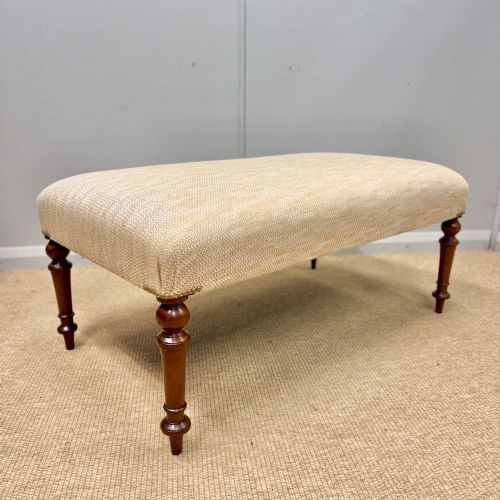
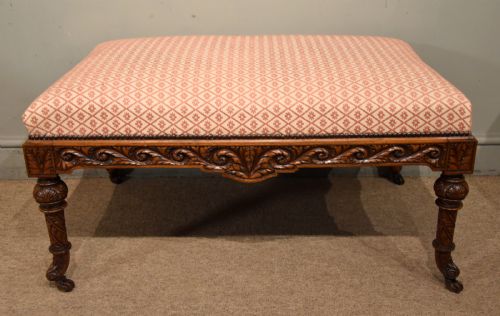
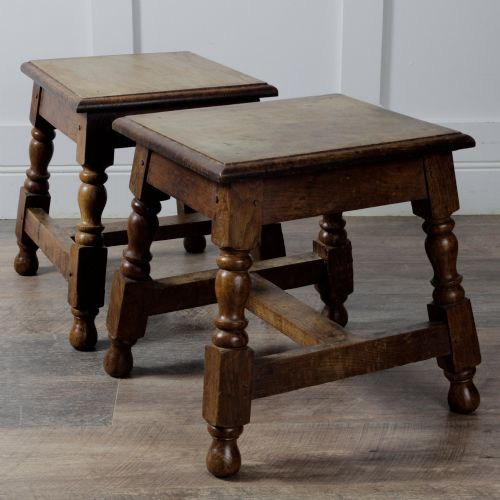
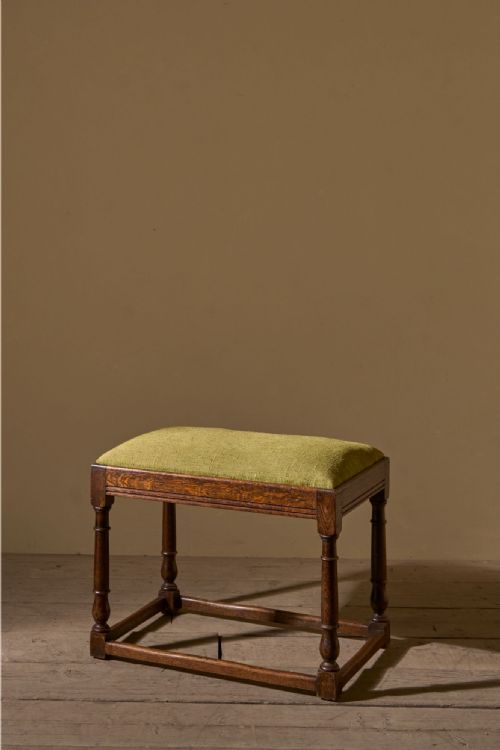
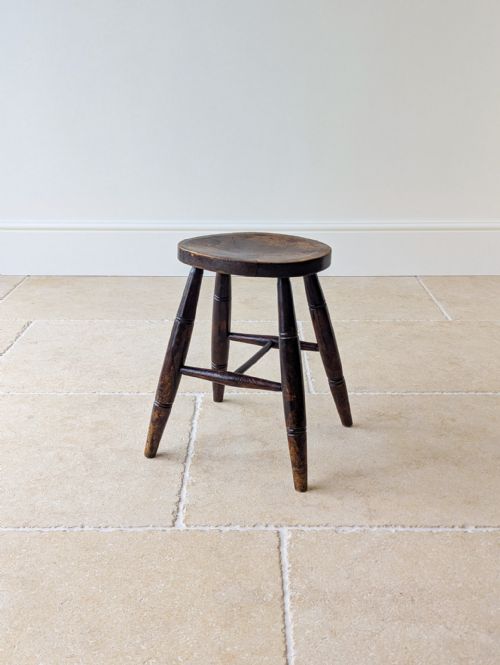
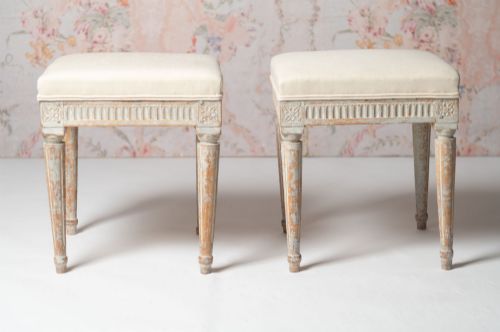
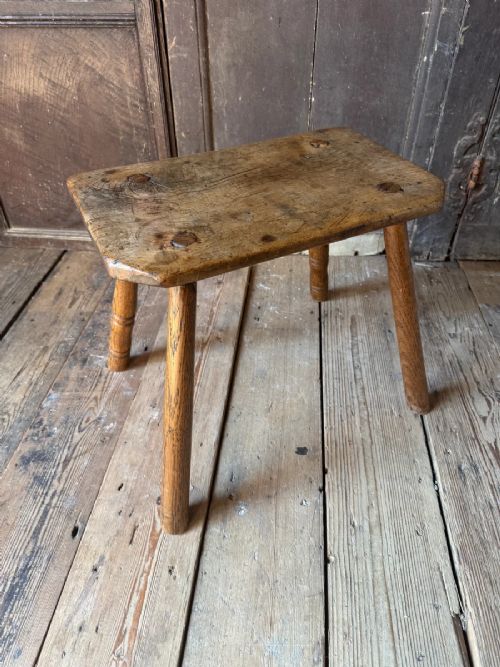
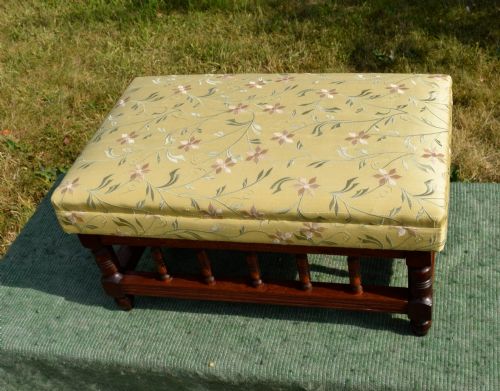
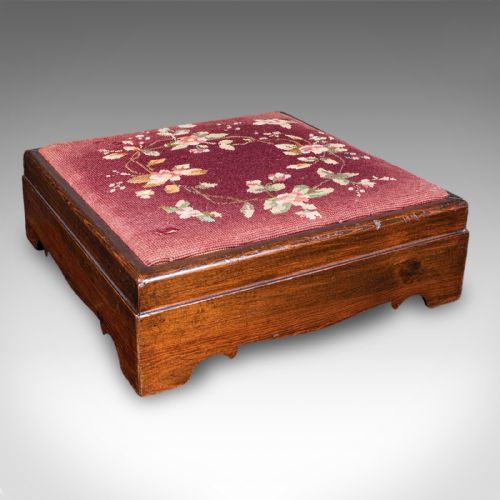
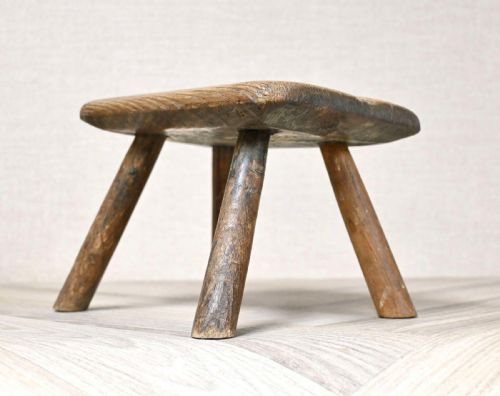
A low wooden footstool is a compact, portable seat or footrest designed for use by the hearth, dressing table, or fireside. When exploring low wooden footstool options, buyers encounter sturdy jointed oak frames, rustic elm milking stools, and refined mahogany or rosewood styles.
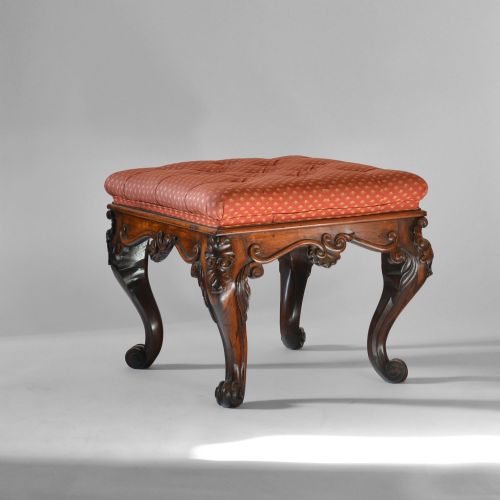
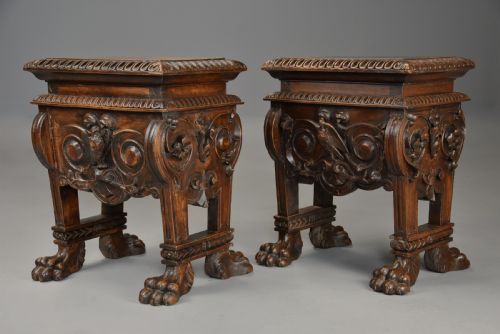
The selection leans heavily toward nineteenth-century English and continental pieces, alongside earlier eighteenth-century examples and twentieth-century interpretations. These range from simple vernacular pine and sycamore versions to ornate carved walnut and inlaid rosewood creations.
Materials and construction methods
Cabinetmakers and rural joiners utilised a variety of native and exotic timbers, pairing structural hardwoods like oak, mahogany, walnut, and rosewood with simpler softwoods such as pine and pitch pine. Country versions often combined woods like sycamore and ash, or relied on solid elm and beech.
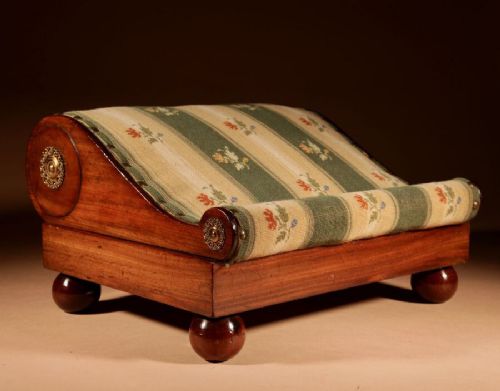
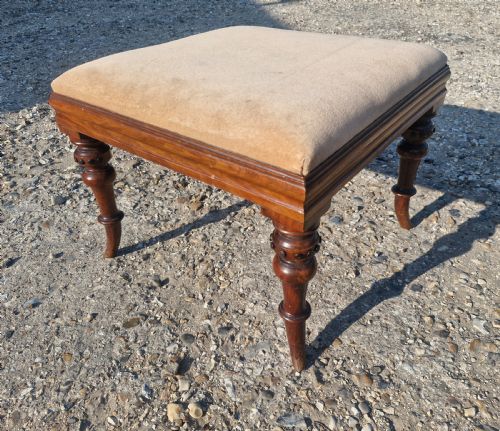
Joinery techniques varied from traditional pegged joints in heavy jointed stools to turned legs, cabriole supports, and ball feet. Upholstered tops incorporated heavy green linen, leather, wool, and fabric coverings, while simpler vernacular variants retained original painted finishes in ochre, yellow, green, or white.
Listings span the eighteenth, nineteenth, and early twentieth centuries, featuring materials from humble pine and elm to exotic rosewood.
Factors that distinguish the finest examples
Quality rests upon the integrity of the timber, the crispness of any carved ornamentation, and the preservation of original surfaces. Pieces displaying unmolested original paint or rich, aged patina command greater appreciation than those with heavily altered components.
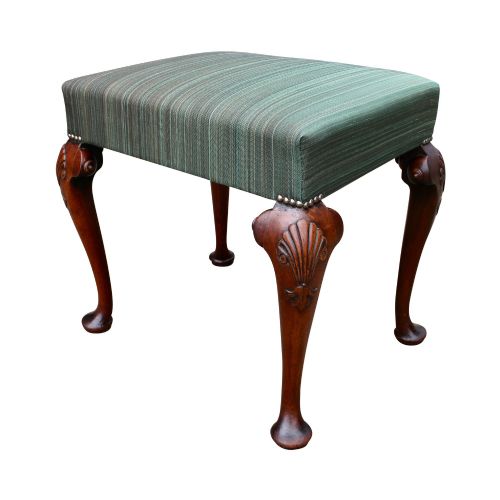
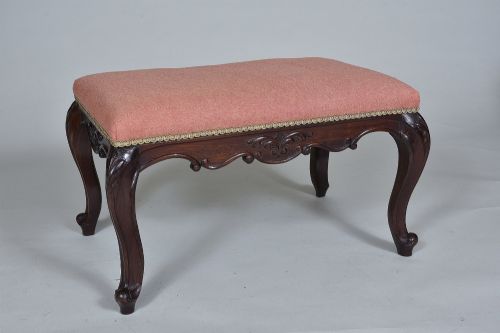
The refinement of the joinery and stylistic ambition also divide utilitarian seating from high-status furniture. An intricately carved cabriole leg walnut frame requires a vastly different level of joiner artistry than a simple three-legged milking stool.
Harry & Lou Epstein
The Low Wooden Footstool Glossary
- Joint stool
- A sturdy wooden seat constructed with mortise and tenon joints pegged together, common in seventeenth and eighteenth-century domestic interiors.
- Cabriole leg
- A furniture leg featuring a double curve, bulging outward at the knee and tapering inward toward the foot, typical of Georgian and Victorian high-style seating.
- Milking stool
- A simple, often three-legged rustic seat traditionally used by agricultural workers for milking livestock by hand.
- Vernacular furniture
- Everyday objects made by local tradesmen using regional materials and traditional techniques, rather than following formal metropolitan design blueprints.
- Hearth stool
- A long, low upholstered seat designed to sit comfortably in front of an open fireplace for warming feet.
Low Wooden Footstool: Frequently Asked Questions
What is a low wooden footstool used for?
These pieces served multiple domestic functions, acting primarily as footrests near firesides or as low seats for dressing tables.
In agricultural settings, simpler rustic versions provided portable seating for daily chores like milking.
How do I identify a Georgian low wooden footstool?
Georgian examples often feature refined timbers like mahogany or walnut, frequently incorporating shaped rails, slatted tops, or cabriole legs.
Construction details and proportions align with eighteenth-century cabinetmaking standards, distinguishing them from heavier nineteenth-century country pieces.
Are painted milking stools original?
Many rural milking stools retain traces or full layers of original historical paint, such as ochre, yellow, or green.
Buyers should examine the surface wear and pigment integration to confirm the finish matches the age of the timber base.
How do I care for antique wood and upholstery?
Keep wooden frames away from direct heat sources and sudden humidity changes to prevent timber splitting or joint loosening.
Maintain fabric or leather upholstery with gentle, appropriate cleaning methods suited to the age of the textile.