
Painted Country Furniture
Painted country furniture brings practical regional history indoors through working forms touched by centuries of decorative finish.
Painted Country Furniture
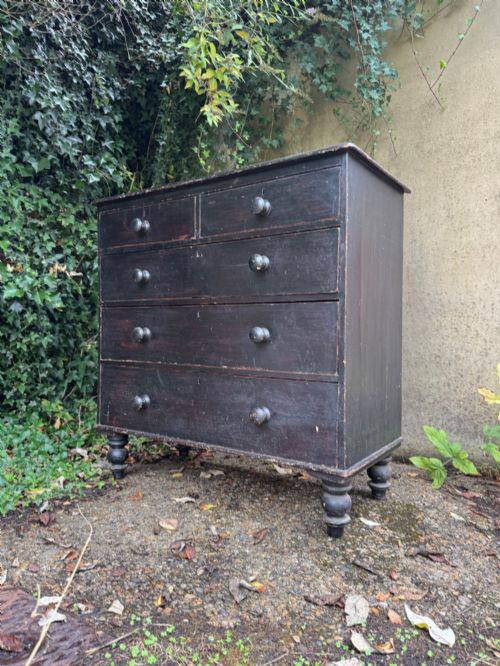
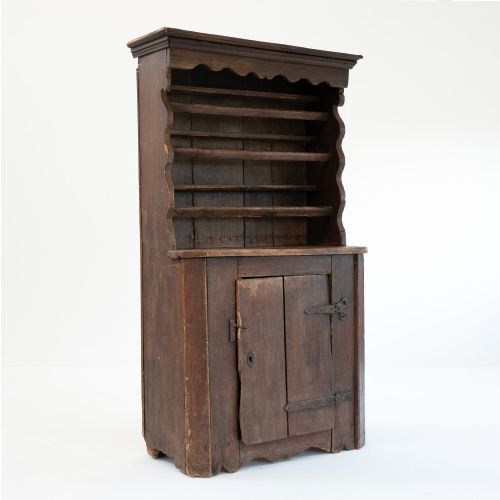
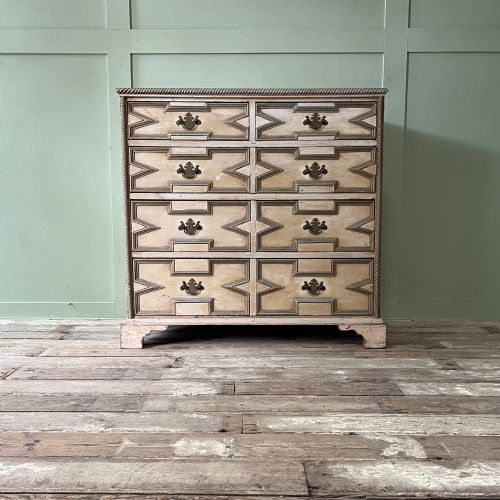
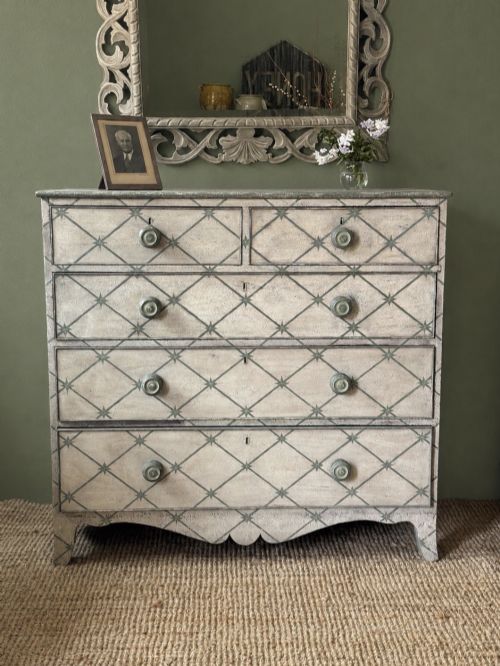
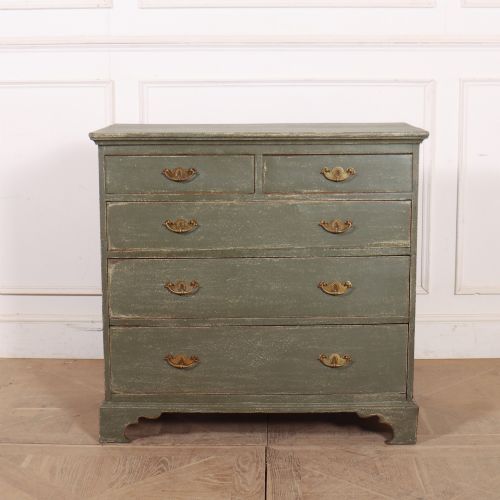
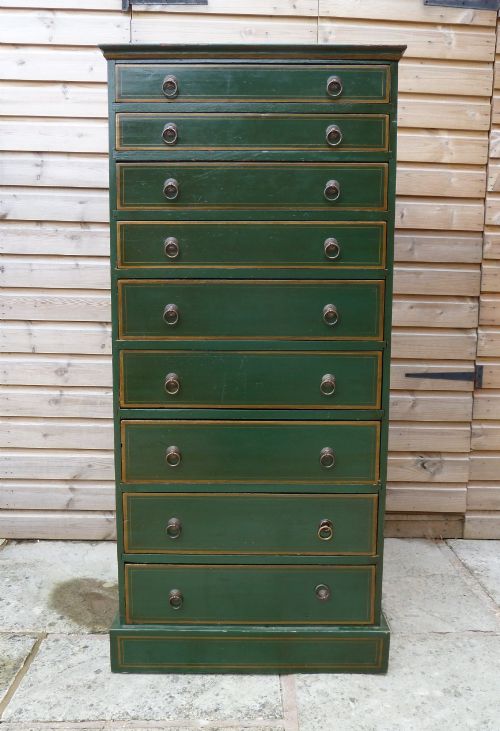
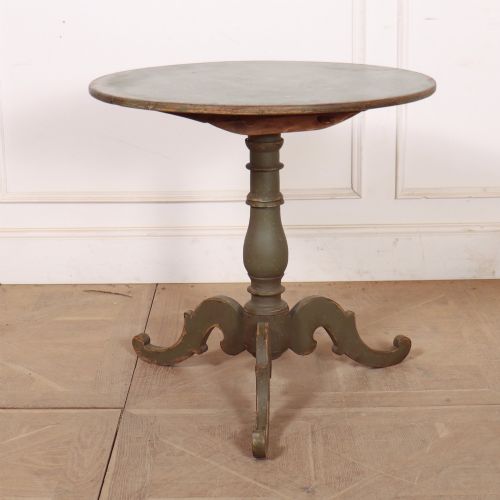
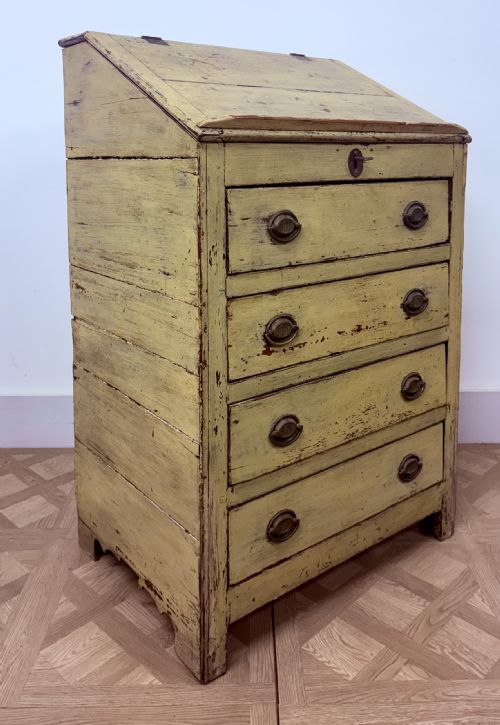
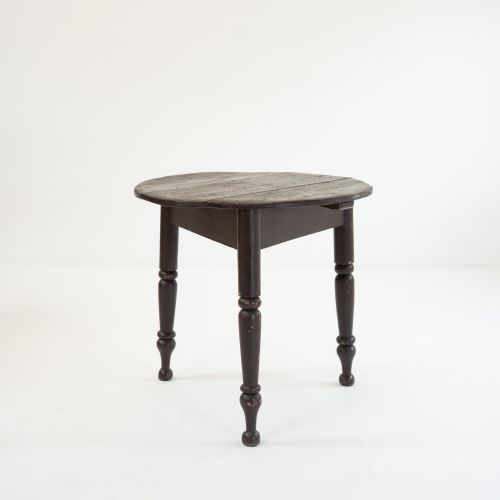
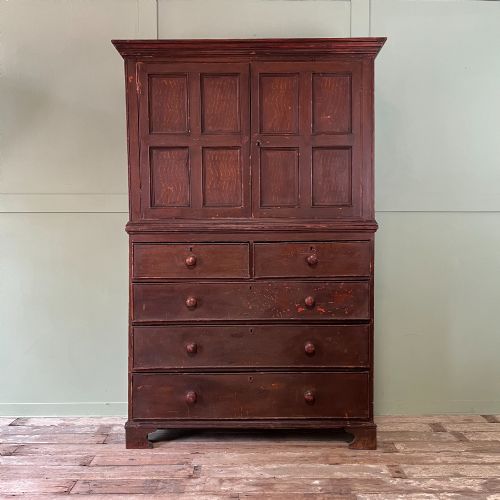
Painted country furniture covers domestic storage, seating and tables built from accessible regional timbers and finished with pigmented coatings. You will frequently encounter nineteenth-century pine chests of drawers, dressers and benches shaped by local vernacular traditions rather than metropolitan workshops.
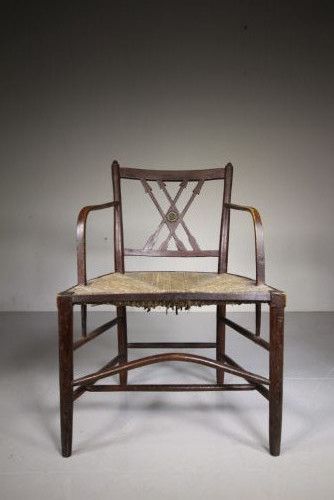
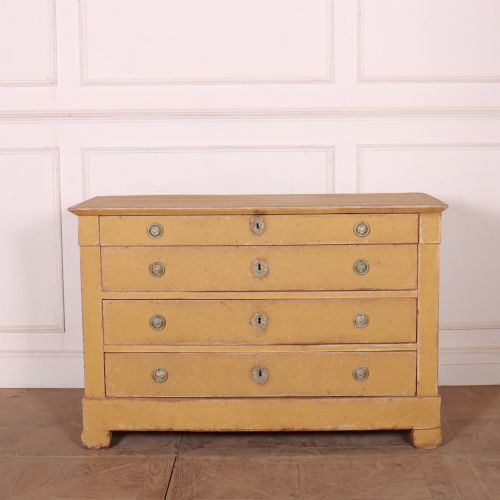
The category spans multiple European origins, bringing together English pine pieces, Swedish folk art cupboards, French commodes and Spanish storage furniture. Everyday forms like bedside tables, writing desks, armchairs and settles reflect the functional needs of rural households across the Georgian, Victorian and Edwardian periods.
How they were made
Makers relied primarily on native pine, oak, ash and beech, constructing functional carcases with straightforward joinery suited to local tools. Wrought iron and brass hardware provided structural reinforcement and simple operational hinges.
Surfaces received protective or decorative coats of paint, including scumble glazes and polychrome pigments applied directly to the wood. These finishes evolved through regional recipes designed to seal timber and brighten modest interiors.
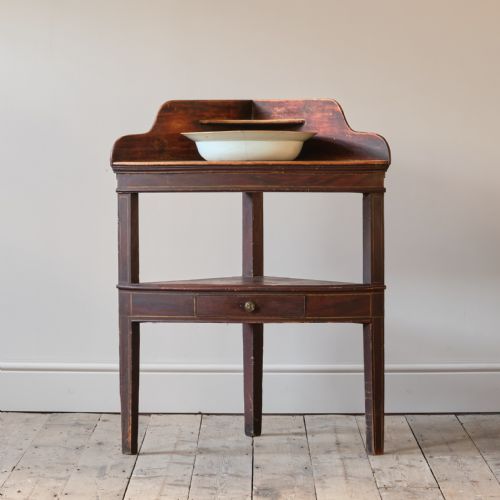
Listings include eighteenth-century Spanish housekeeper's cupboards alongside nineteenth-century Swedish marriage chests and pine washstands.
What varies in quality
Quality rests in the survival of original surface finishes and the integrity of the underlying construction. Pieces retaining their earliest layers of paint carry greater historical honesty than later refinished examples.
Proportion and regional character distinguish finer domestic forms from utilitarian workshop output. Well-balanced proportions and uncompromised structural timbers separate superior regional vernacular work from lesser items.
Sir Clough Williams-Ellis
The Painted Country Furniture Glossary
- Scumble
- A translucent glaze dragged or textured over a pale base coat to simulate grain or create mottled depth. This decorative technique appears frequently on Victorian pine surfaces.
- Potboard Dresser
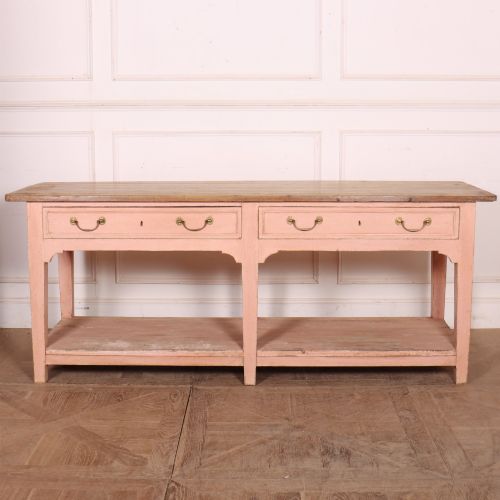
- A kitchen storage base featuring an open lower shelf designed for displaying heavy ceramic or metal vessels. These sturdy units anchored rural domestic spaces.
- Polychrome
- Multi-coloured painted decoration applied to wood surfaces. Early European cupboards often utilised this method to add rich visual detail.
- Settle
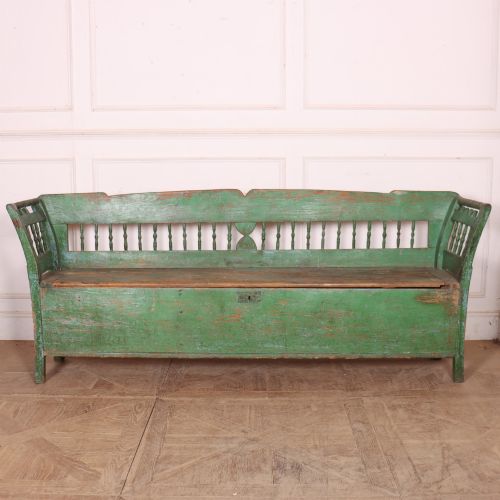
- A high-backed wooden bench with solid arms and a closed base intended to block cold drafts. These substantial seats formed the centre of farmhouse living areas.
- Commode
- A low chest of drawers or cabinet designed for bedroom storage. Continental examples often display shaped fronts and distinct regional colour palettes.
Painted Country Furniture: Frequently Asked Questions
What is painted country furniture?
These pieces are functional domestic furnishings built from woods like pine and oak, finished with historical paint layers. They originate from rural workshops across Britain and continental Europe.
Forms range from chests of drawers and dressers to settles and bedside tables. Each item reflects the everyday utility of past households.
How do I spot original paint?
Original painted surfaces show natural wear patterns, craquelure and integrated patination built up over decades of domestic use. Pigments adhere tightly to the underlying timber grain without modern synthetic gloss.
Examining edges and protected corners reveals early layers beneath later surface cleaning. Hand-mixed historical paints display subtle tonal variations absent from modern factory finishes.
Where were these pieces used?
Furniture of this type served practical storage and seating needs in rural kitchens, bedrooms, farmhouses and modest town dwellings. Cupboards held provisions, while settles protected sitters from draughts near hearths.
Workshops in England, Sweden, France, Spain and Austria adapted local forms to daily domestic routines. Their unpretentious design suited hardworking interior spaces.
How do I live with them?
Integrating these pieces into modern rooms relies on pairing their weathered painted surfaces with neutral backgrounds and simple materials. Their robust forms anchor living areas, hallways and bedrooms with historical character.
Protecting the surfaces from direct heat and excessive moisture preserves the fragile historical paint layers. Gentle dusting maintains the finish without stripping the underlying patination.