

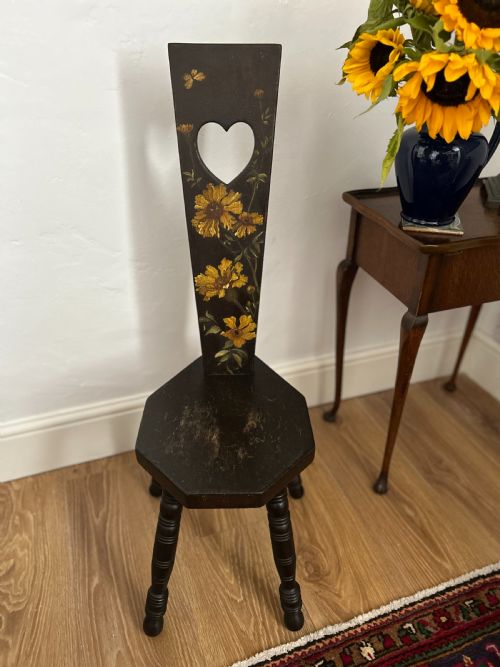


Folk Art Stool
These folk art stool pieces are honest, utilitarian seats and tables carrying the distinct hand of local makers across the centuries.
Folk Art Stool
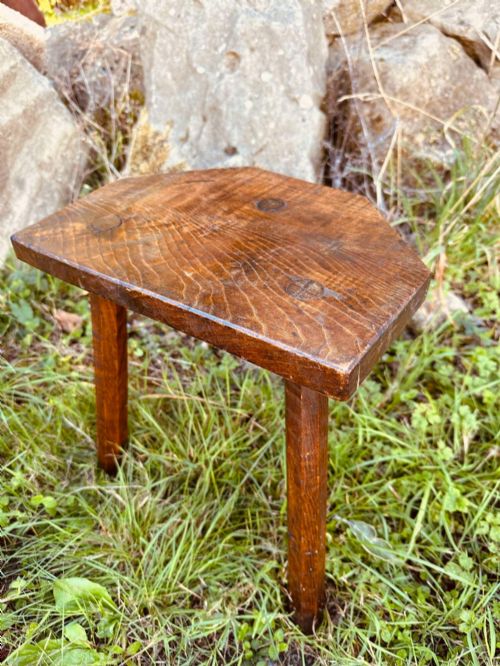
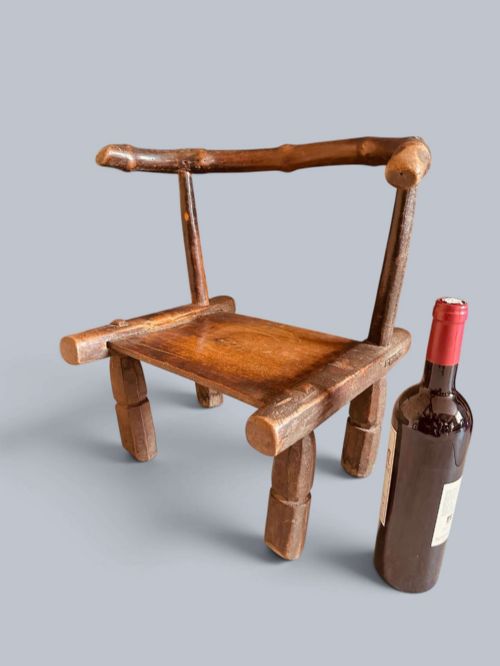
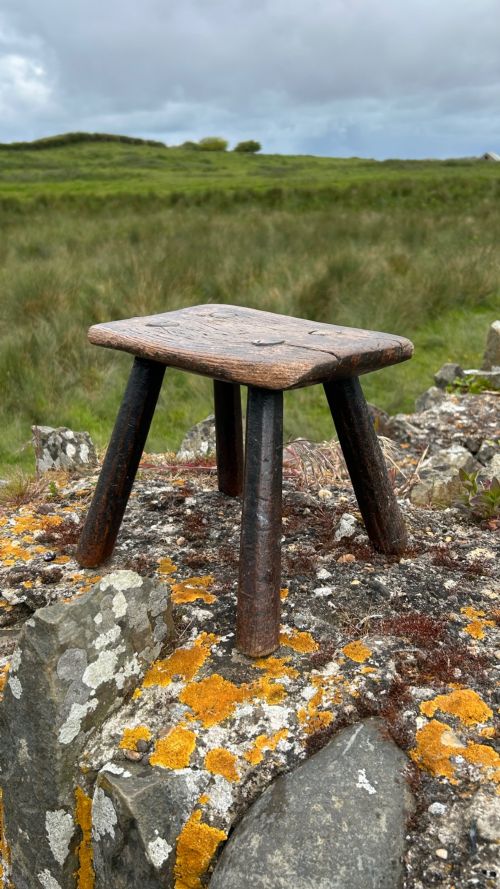
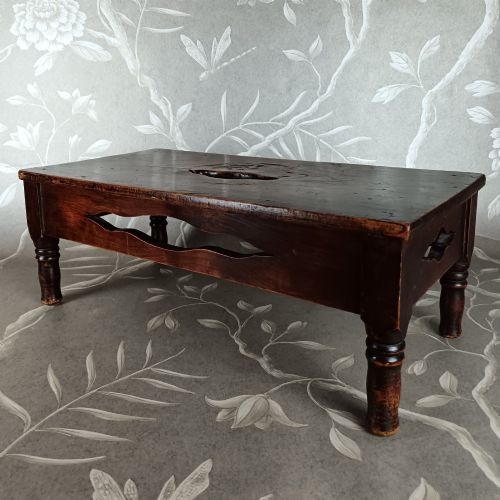
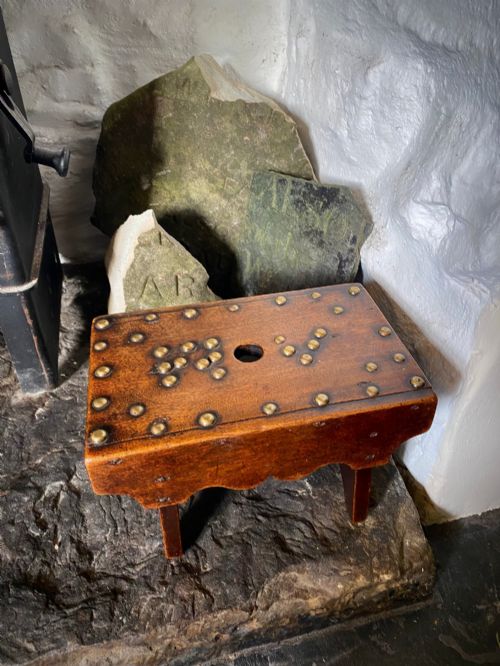
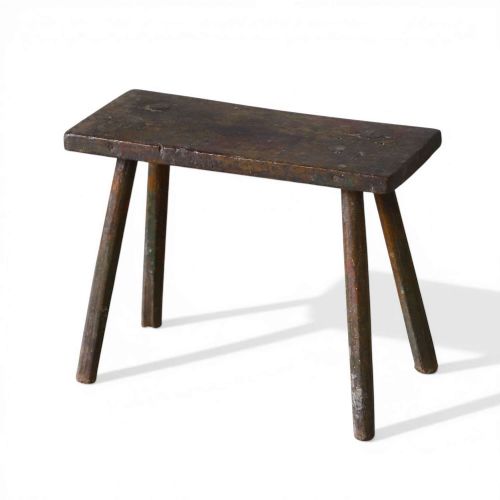
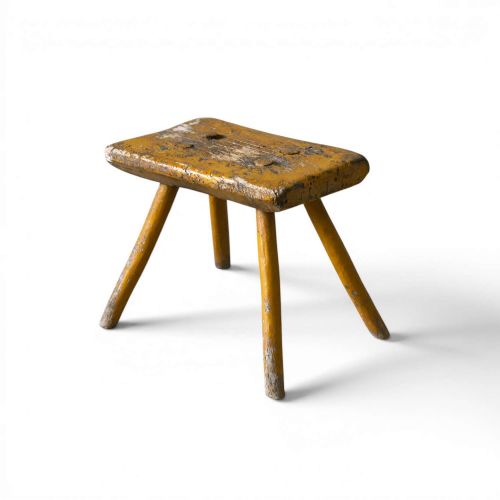
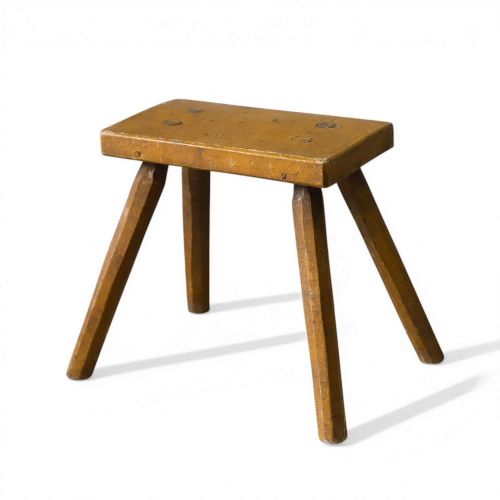
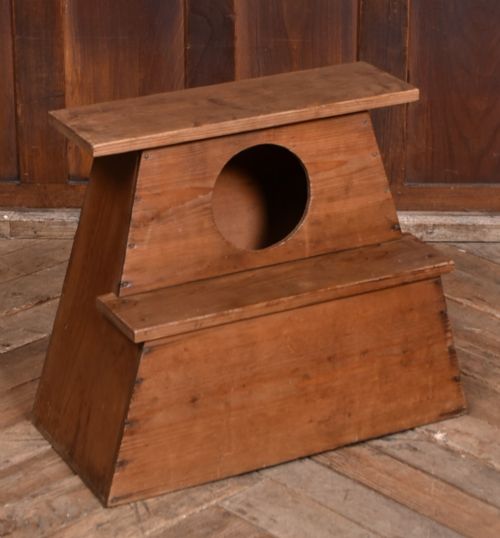
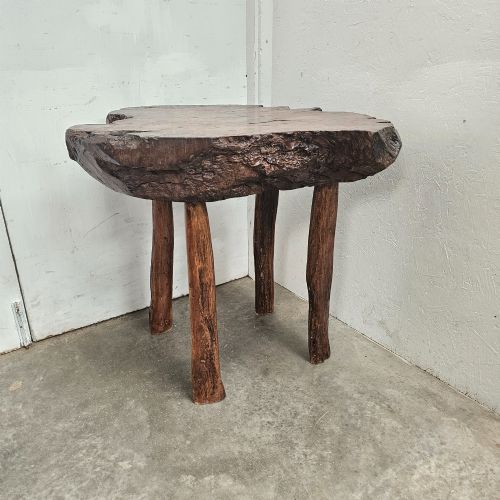
A folk art stool encompasses everything from simple three-legged milking seats and cobbler's work benches to diminutive vernacular forms and carved occasional furniture. These pieces cross various traditions, including Eastern European, Japanese, and British country examples made for daily rural and urban labour.
Originating from domestic, agricultural, and vendor contexts, these objects serve as functional seating or small display surfaces. Their appeal lies entirely in their unpretentious utility and the individual character imparted by their original makers.
Materials and construction
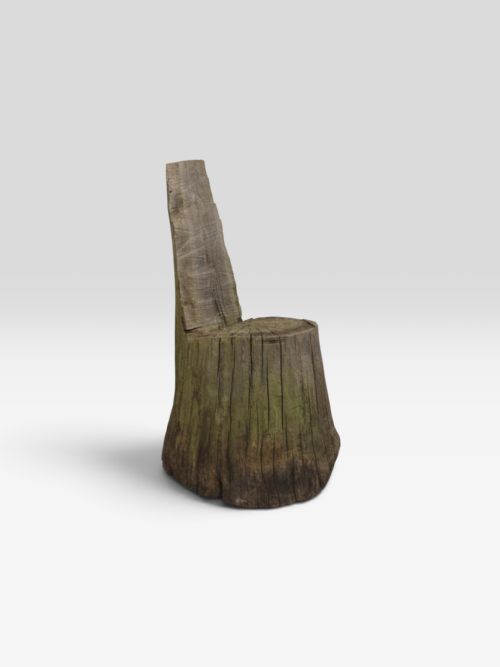
Makers utilised timber available locally, selecting oak, pine, yew, burr thuya, and mixed hardwoods for strength and durability. Construction methods rely on traditional joinery, pegged joints, and natural forms where tree trunks, branches, and roots dictate the final shape of the seat.
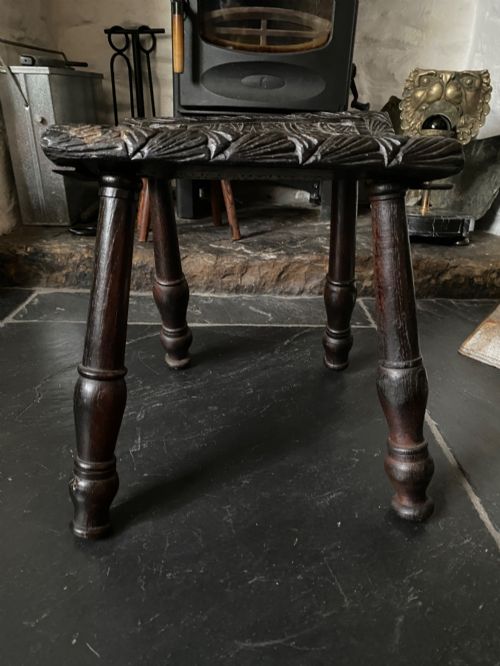
Many surviving examples retain their original surface treatments, including historical layers of ochre, yellow, and green paint, alongside stained wood finishes. Decorative enrichment appears through chip carving, pokerwork inscriptions, and hand-painted details rather than high-style cabinetmaking.
Folk Art Stool Retail Price Guide 2026
Typical asking prices for folk art stool among the pieces listed under this phrase on Sellingantiques today, from the lower quarter to the upper quarter. They describe what is for sale here now, not the wider market.
Materials recorded across the inventory include painted timber, stained wood, and natural tree trunk forms.
Judging quality and character
Quality in a folk art stool rests upon the integrity of its original surface and the honesty of its wear. Pieces retaining unpainted or untouched historical pigment carry greater visual presence than stripped or heavily restored timber.
Structural originality defines the better examples within this group. Retaining the authentic mounting of legs, original wedges, and untouched patination separates an evocative vernacular survival from a compromised object.
The Folk Art Stool Glossary
- Milking stool
- A low, typically three-legged seat designed for use while milking livestock. These utilitarian objects often feature simple slab tops and splayed legs for stability on uneven ground.
- Vernacular
- Architecture or artefacts built by local craftspeople using traditional methods and local materials, without the influence of academic architectural or design styles.
- Chip carving
- A form of woodworking where small chips are removed from a wooden surface with a knife or chisel to create geometric patterns. This technique appears on decorative domestic items and small furniture.
- Pokerwork
- The art of decorating wood or other materials by burning a design with a heated tool or poker. Scottish pieces occasionally employ this method for inscriptions.
- Primitive
- A descriptive term for furniture and objects made with basic tools and simple techniques, prioritising straightforward function over refined finish.
Folk Art Stool: Frequently Asked Questions
What is a milking stool?
A milking stool is a small, low seat traditionally used by agricultural workers. They usually feature three legs to remain stable on uneven barn floors.
Over time, these practical items transitioned into decorative interior objects valued for their simple silhouettes and honest construction.
How do I date a wooden stool?
Dating relies on examining tool marks, timber species, joinery methods, and the presence of historical surface finishes like paint or wax. Certain forms, such as cobbler's benches or vernacular round seats, align with specific 19th century or Victorian working practices.
Wear patterns and the natural ageing of the wood also provide strong indicators of age and usage.
Are these stools comfortable to sit on?
While many examples were built for labour rather than prolonged leisure, some feature sculpted rounded seats designed to fit the body. They function best as occasional seating, footstools, or display surfaces for plants and books.
Buyers often select them for their sculptural presence in a room rather than ergonomic comfort.
What does original paint mean?
Original paint refers to the earliest layer of pigment applied to the wood, which has survived through decades of use. Finding a piece in original ochre, yellow, or green paint adds significant visual appeal.
This uncompromised surface records the history of the object and distinguishes it from later, modern repainting.