
Vintage Country Stool
These vintage country stools bring honest utility and simple lines into a room, offering practical seating shaped by generations of practical use.
Vintage Country Stool
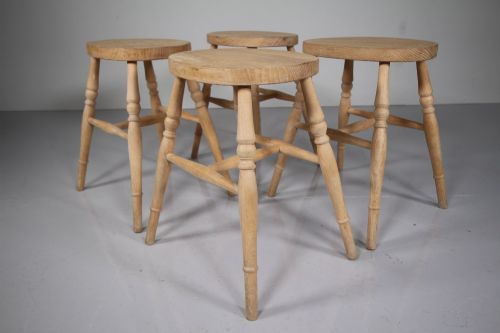
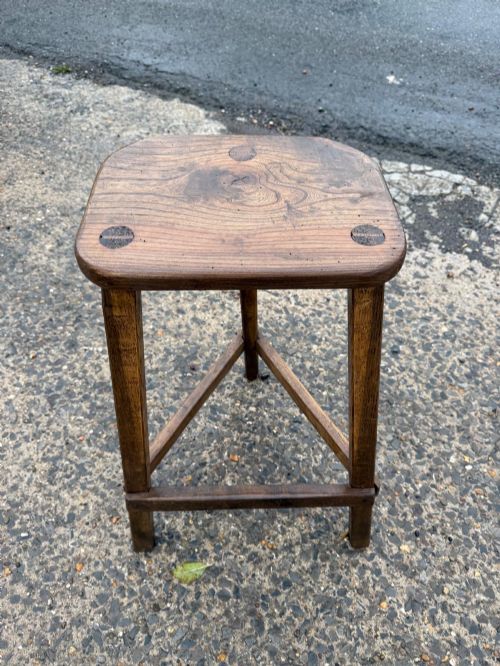
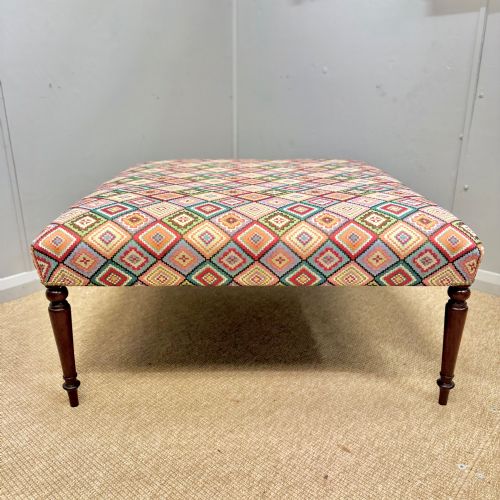
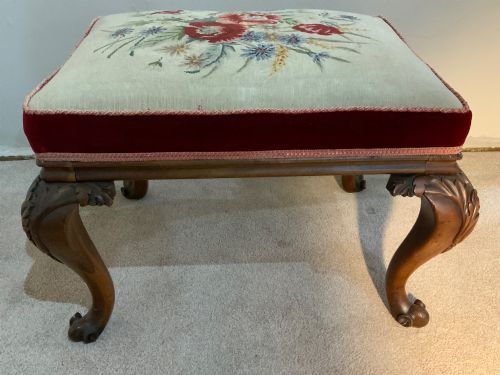
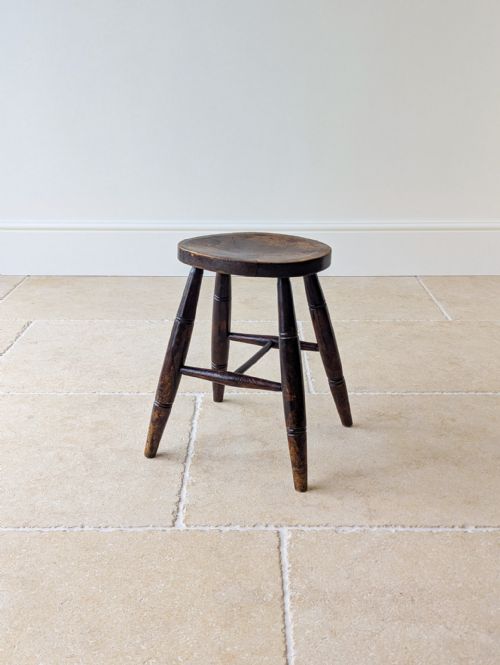
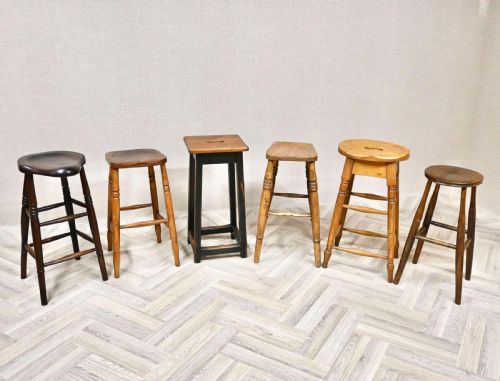
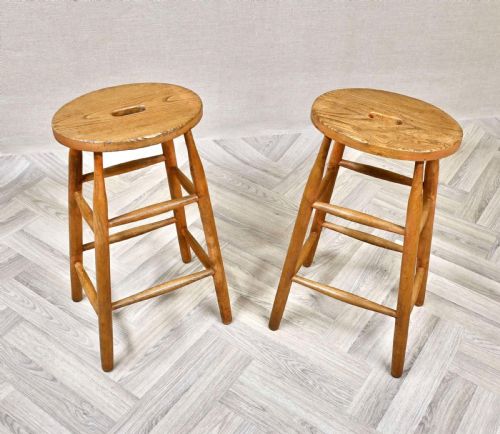
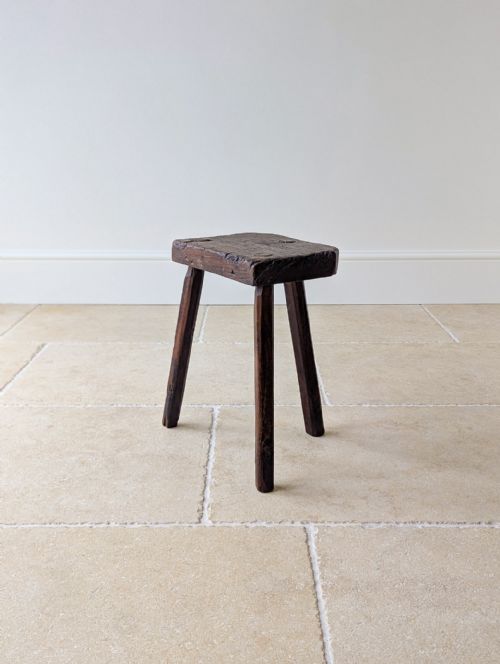
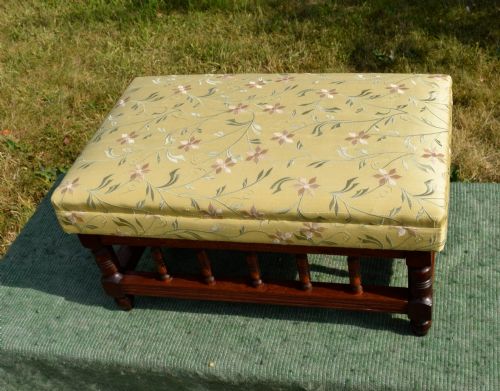
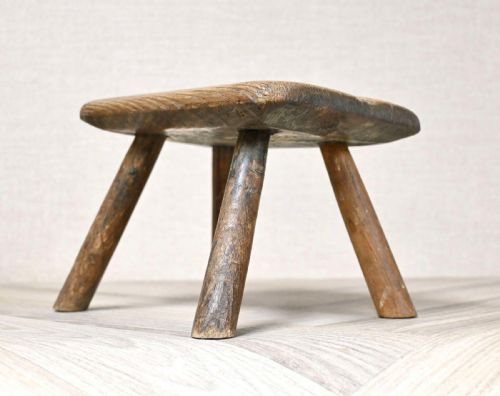
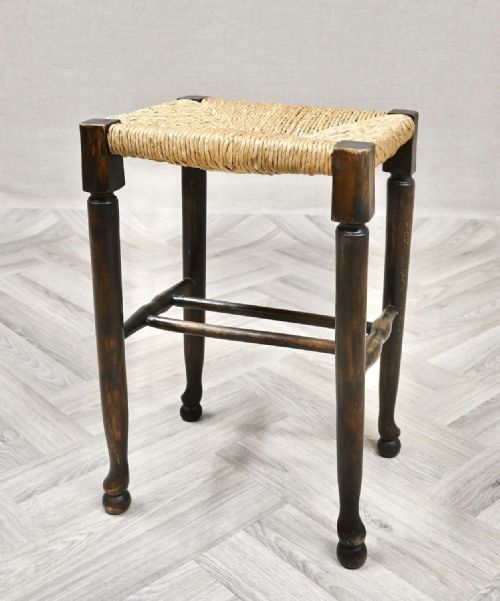
When you search for a vintage country stool, you encounter a diverse selection of utilitarian seating and small supports spanning from the eighteenth century through the early twentieth century. The inventory on this page ranges from low three-legged milking stools and rustic tavern seats to tall bar variants and upholstered hearth footstools.
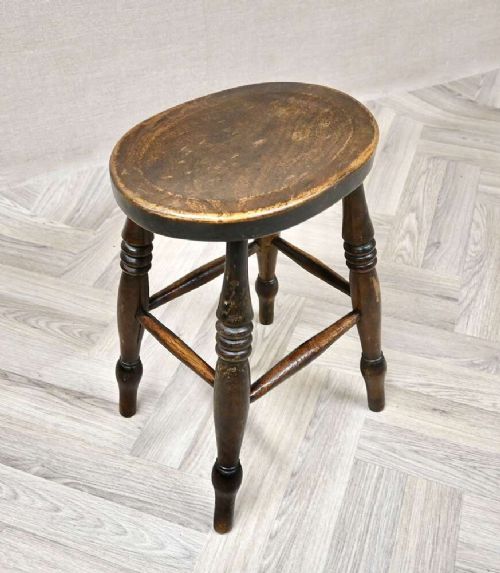
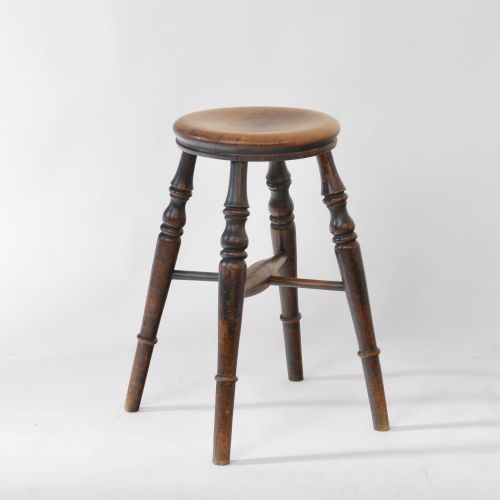
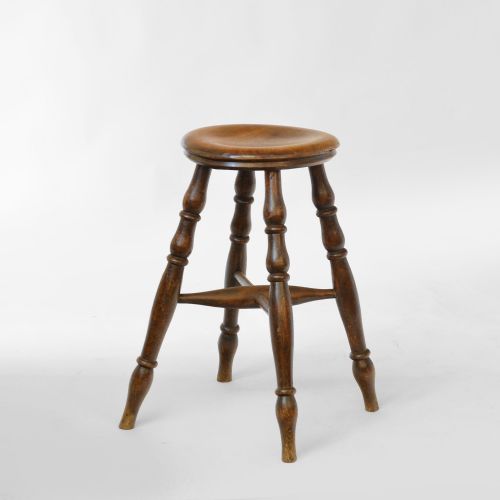
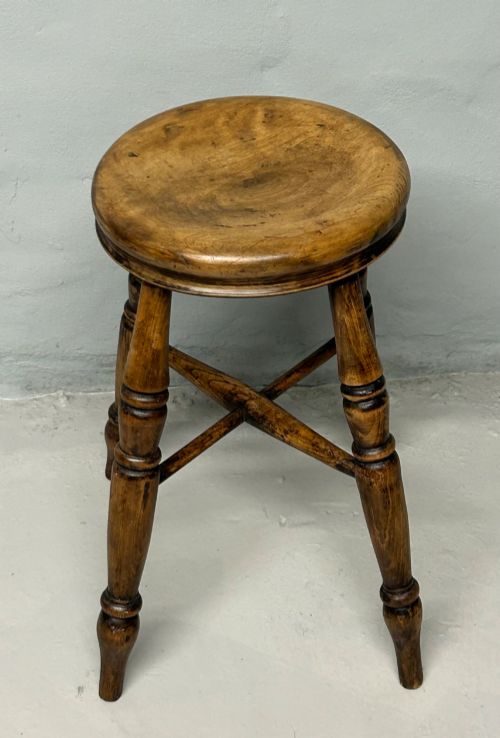
The aesthetic leans heavily toward the vernacular and unpretentious, drawing on English, French, and Eastern European traditions. You find simple round or oval dished tops paired with sturdy turned or splayed legs, reflecting the specific trades and rural settings for which they were originally built.
Materials and Construction Methods
Construction relies primarily on domestic hardwoods such as oak, elm, beech, sycamore, and ash, chosen for their toughness and availability. Makers frequently turned legs on a lathe and wedged them directly into bored seats through traditional through-tenon joints.
Surface treatments vary from bare scrubbed timber displaying rich natural grain to remnants of original ochre, yellow, or green paint. Certain pieces incorporate rush seating or simple upholstery to provide extra comfort by the hearth.
One particularly unusual listing offers a one-leg milking stool, designed for milkmaids who strapped the seat directly to themselves.
Assessing Craftsmanship and Character
Quality in these pieces rests upon the integrity of the joinery and the degree of honest wear accumulated over decades of use. Tighter fitting legs and sturdy timber seats without excessive modern intervention command greater respect among collectors.
Surviving original surface finishes, particularly authentic old paint or deep patination from decades of handling, elevate a piece far above items that have been aggressively stripped or sanded down to bare wood.
Howard and Sons
The Vintage Country Stool Glossary
- Milking stool
- A small, typically three-legged seat designed for use while milking livestock in a farmyard or dairy. These feature a single splayed leg arrangement that remained stable on uneven earthen floors.
- Dished top
- A seat surface carved into a shallow concave depression for ergonomic comfort. This method of shaping was common on wooden stools before the widespread adoption of upholstery.
- Vernacular
- Objects designed and built by local tradesmen or rural makers using regional materials to serve a practical function. This term describes items created outside fashionable urban design centres.
- Patina
- The surface sheen and colour acquired by wood and paint through age, handling, and exposure to light over many decades. It serves as a primary indicator of authenticity in older furniture.
- Through-tenon
- A joint where a leg or upright passes entirely through a hole in the seat and is secured by a wedge or flush cut. This technique provides exceptional structural strength for heavy daily use.
Vintage Country Stool: Frequently Asked Questions
What is a vintage country stool?
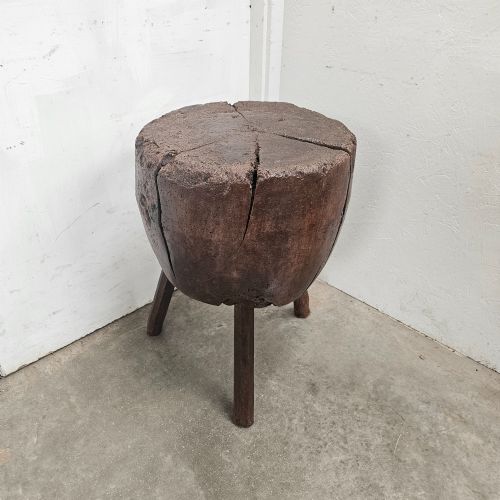
A vintage country stool is a utilitarian seat produced by regional makers using traditional woodworking methods. These pieces include low milking stools, tavern seats, and heavy wooden work blocks.
They reflect the domestic and agricultural needs of past centuries, prioritizing sturdy construction over decorative flourish.
How were these stools used originally?
These items served a multitude of practical tasks in rural homes, workshops, pubs, and farms. Lower variants accommodated workers milking animals or tending hearths, while taller versions suited tavern patrons.
Others functioned as auxiliary seating or portable steps around the house and workplace.
How do I style a country stool at home?
A country stool functions well as a bedside table, a plant stand, or an extra seat pulled up to a living room table. Their compact footprint allows them to fit easily into tight corners.
Leaving them unadorned highlights the natural grain and historic paint surfaces against modern interiors.
How do I identify older wooden stools?
Age is determined by evaluating the tool marks left by the maker, the type of joinery employed, and the depth of the surface patination. Hand-turned legs and joined seats without modern metal fasteners suggest older manufacture.
Wear patterns around the footrests and edges also indicate a long history of active use.