

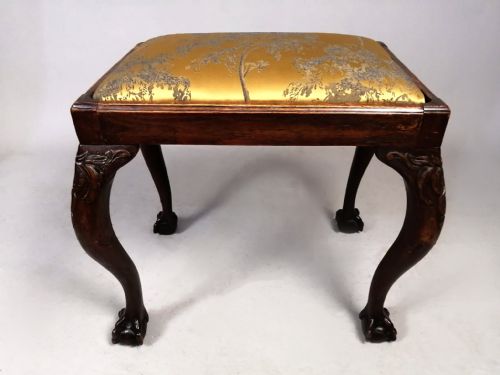


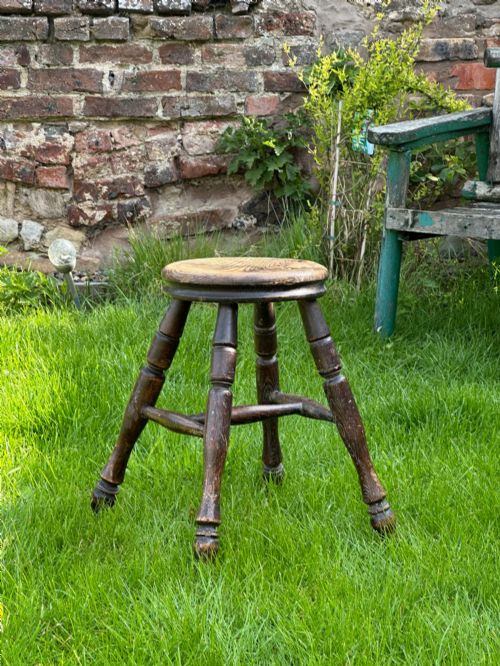


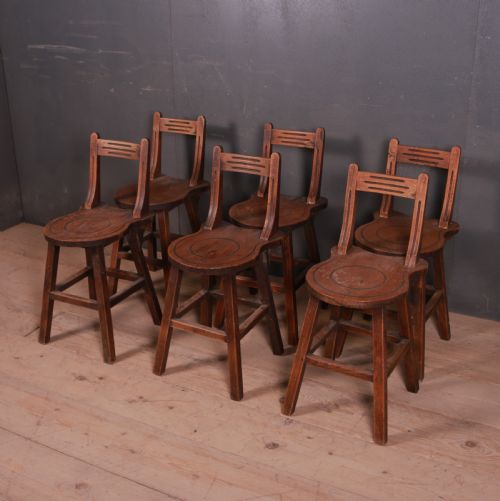
Dark Elm Stool
A dark elm stool is a solid, honest seat built for utility, offering rich timber character and sturdy traditional craftsmanship for the home.
Dark Elm Stool
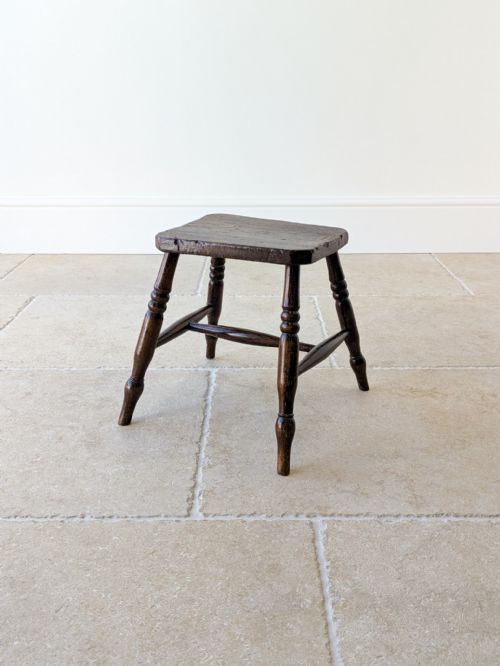
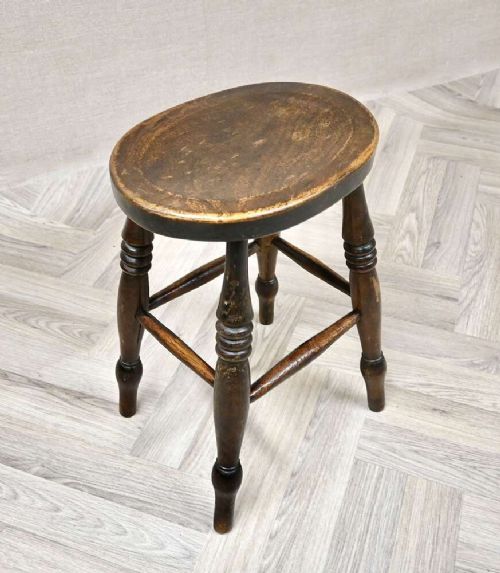
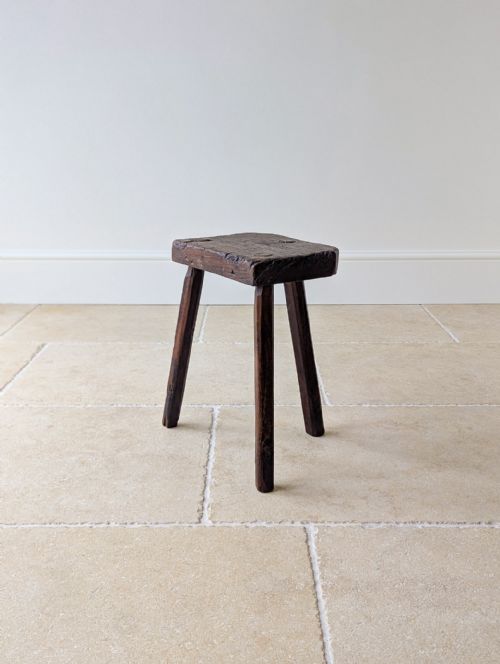
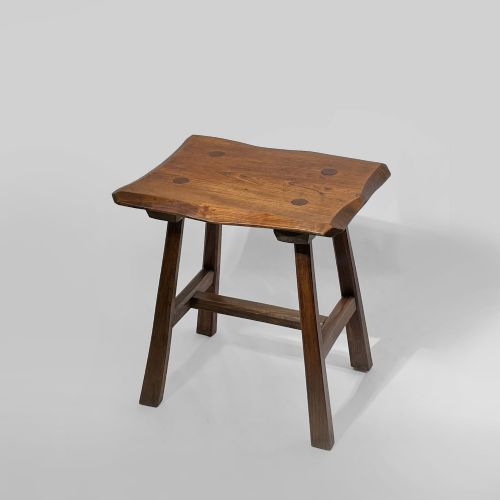
A dark elm stool brings authentic rustic country and traditional vernacular character directly into an interior. These pieces originate primarily from the nineteenth century, showcasing the straightforward utility of early English country vernacular and Welsh vernacular design.
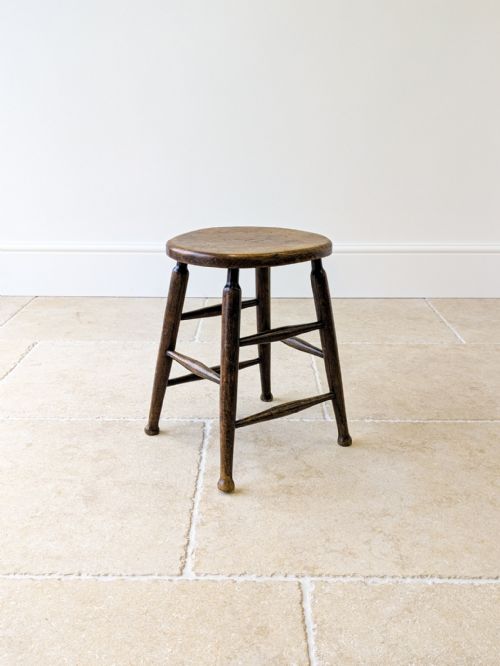
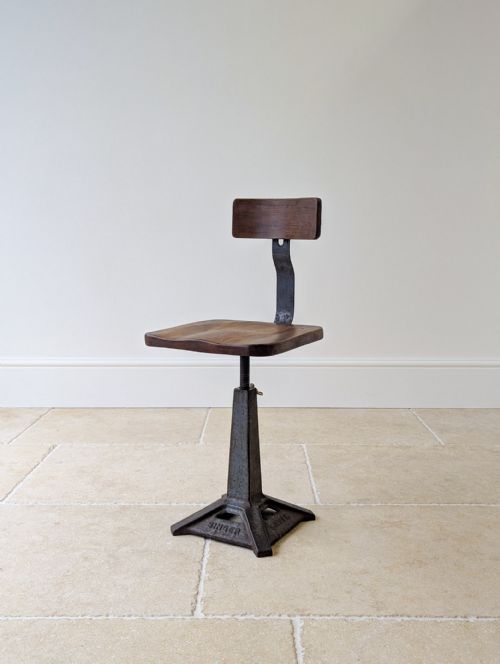
The inventory on this page centres on sturdy timber seating, ranging from standard antique Windsor stool formats to compact miniature furniture. Each piece reflects the honest purpose of nineteenth-century domestic life.
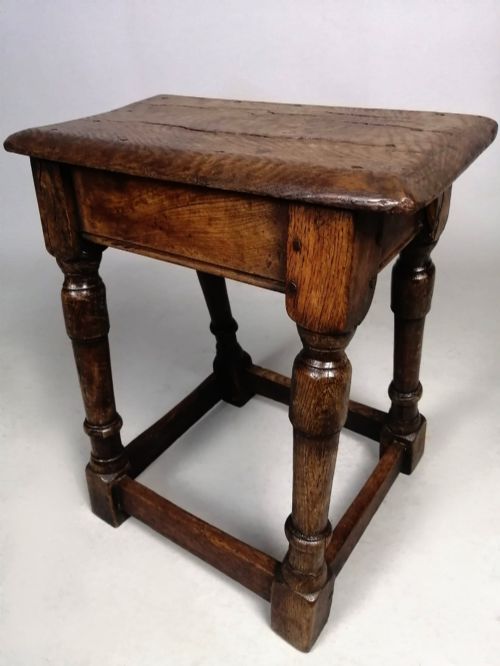
Buyers seeking a dark elm stool will encounter robust hardwood construction that has darkened gracefully over generations of use. The forms remain straightforward, prioritising solid timber tops and reliable structural joinery.
How they were made
These stools are built using solid elm timber for the tops, combined with hardwood and ash components for legs and structural supports. Traditional carpentry techniques ensure the components fit securely together to withstand daily demands.
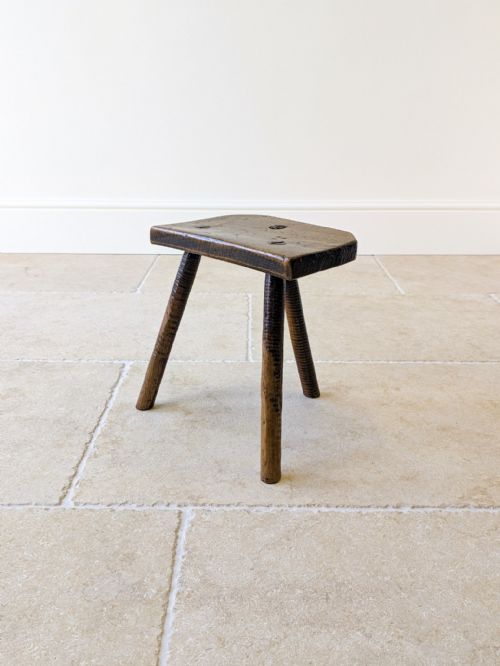
Makers selected native British hardwoods for their durability and distinctive grain patterns, which take on a deep, patinated finish over time. Surfaces were shaped by hand tools, leaving subtle marks that reveal the early manufacturing process.
Dark Elm Stool Retail Price Guide 2026
Typical asking prices for dark elm stool among the pieces listed under this phrase on Sellingantiques today, from the lower quarter to the upper quarter. They describe what is for sale here now, not the wider market.
The miniature Welsh stool proves that historical makers also enjoyed crafting perfectly scaled furniture just for the fun of it.
What varies in quality
Quality in these stools rests on the depth of the timber patina and the integrity of the original construction. Pieces with rich, unpolished surface ageing and well-preserved joints stand apart from those with compromised structures.
The Dark Elm Stool Glossary
- Elm
- A tough, durable hardwood valued for its interlocking grain and resistance to splitting. It forms the primary top surface on traditional country seating.
- Windsor stool
- A traditional seat construction featuring legs wedged directly into a thick wooden seat. This method creates a rigid and enduring structure.
- Vernacular
- Everyday objects built by local craftspeople using regional materials and traditional methods. These pieces serve practical domestic purposes without high-style ornamentation.
- Patina
- The surface sheen and darkening developed through decades of handling, light, and natural ageing. This quality marks genuine antique timber.
- Miniature furniture
- Small-scale versions of full-sized pieces, often created as apprentice showpieces or samples. They display the same joinery techniques as larger furniture.
Dark Elm Stool: Frequently Asked Questions
What is a dark elm stool?
A dark elm stool is a traditional nineteenth-century wooden seat built in the rustic country vernacular style. These pieces utilise solid hardwood materials shaped for everyday domestic utility.
Over decades of use, the timber develops a deep, rich patina across the surface. They remain practical and decorative additions to modern interiors.
How were antique Windsor stools constructed?
Antique Windsor stools feature thick timber tops into which individual legs are secured using traditional joinery methods. Makers selected robust woods like elm and ash for their structural strength.
This method produced reliable seating designed for heavy household tasks. The resulting joints offer enduring stability without complex metal hardware.
How do I identify a nineteenth-century stool?
Nineteenth-century stools display hand-tooled surfaces and timber grain that show the marks of early workshop production. The natural ageing of the hardwood creates distinct colour tones across the top.
Traditional construction details and vernacular forms help distinguish these older pieces from modern reproductions. Examining the underside reveals the original pegging and leg attachments.
Where were vernacular stools used?
Vernacular stools served practical roles in farmhouses, cottages, and workshops across England and Wales. Their compact size allowed them to be easily moved around domestic spaces for various tasks.
Today, these pieces function well as side tables, plant stands, or subtle accent seating. Their understated design complements both traditional and contemporary rooms.