

Antique Wooden Seat
An antique wooden seat brings honest craftsmanship into a room, offering functional history through timber forms shaped by centuries of daily use.
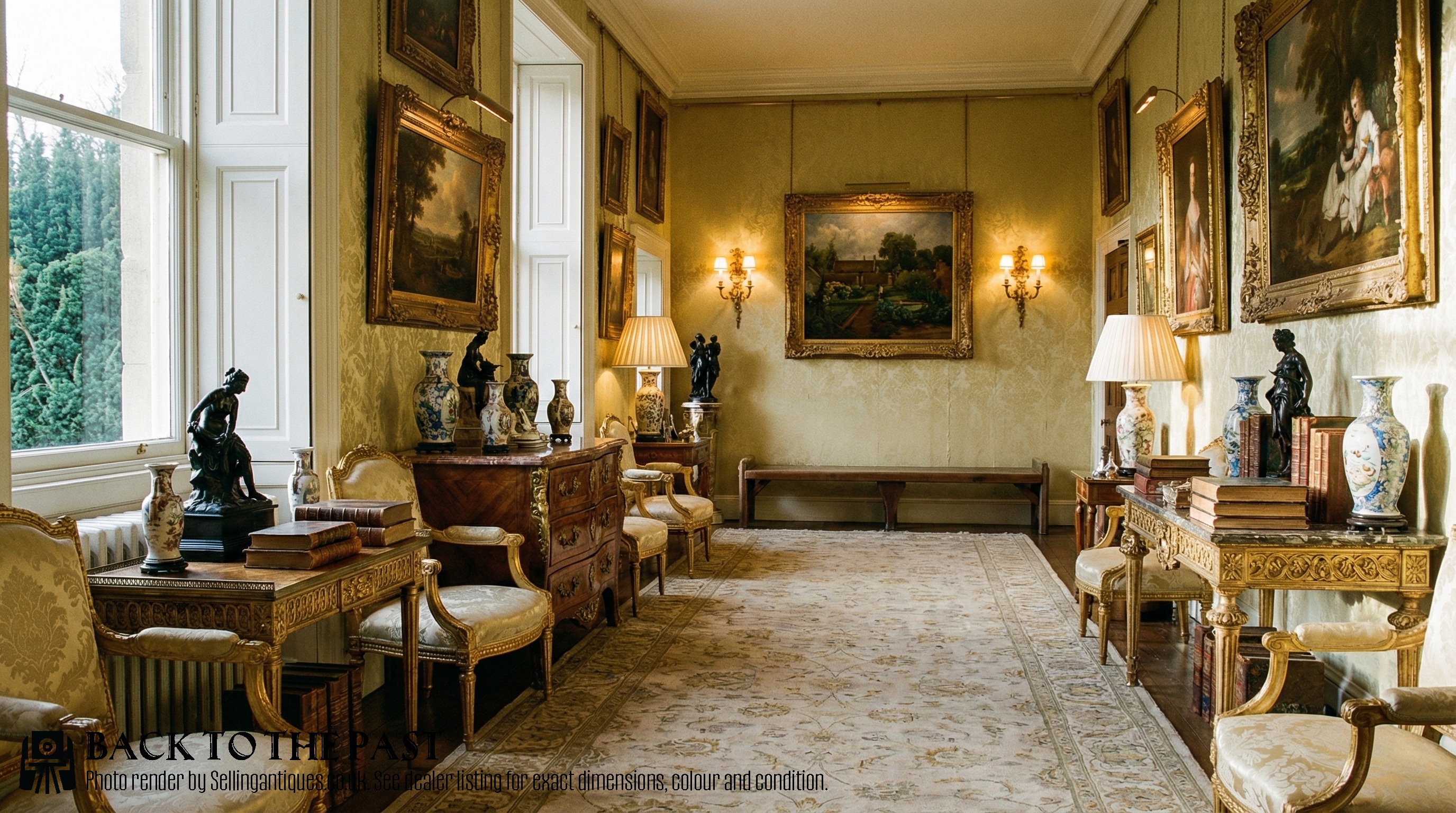
Antique Wooden Seat
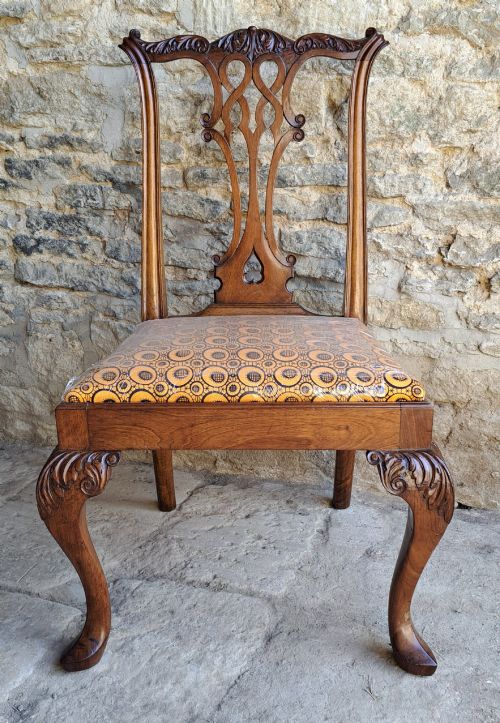
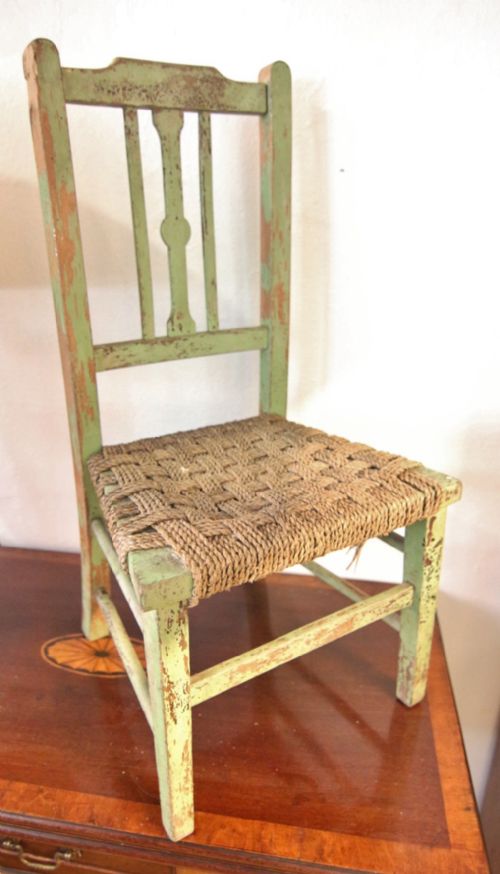
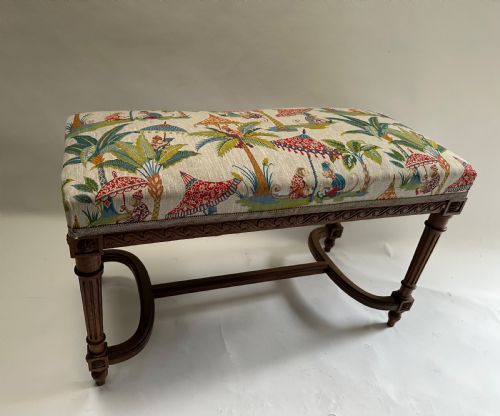
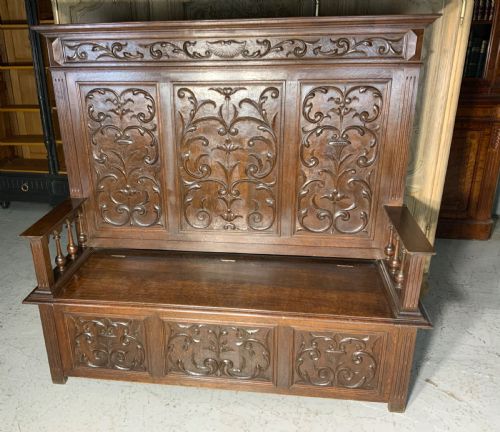
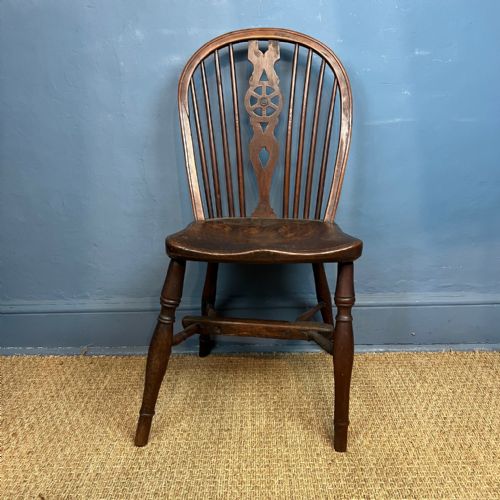
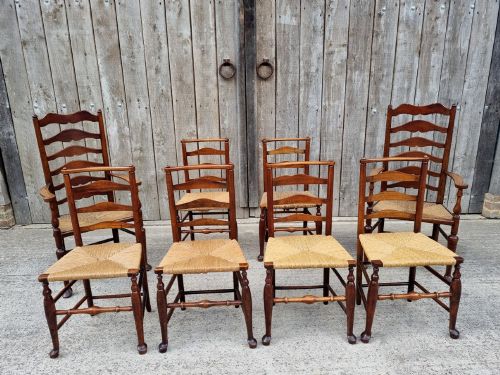
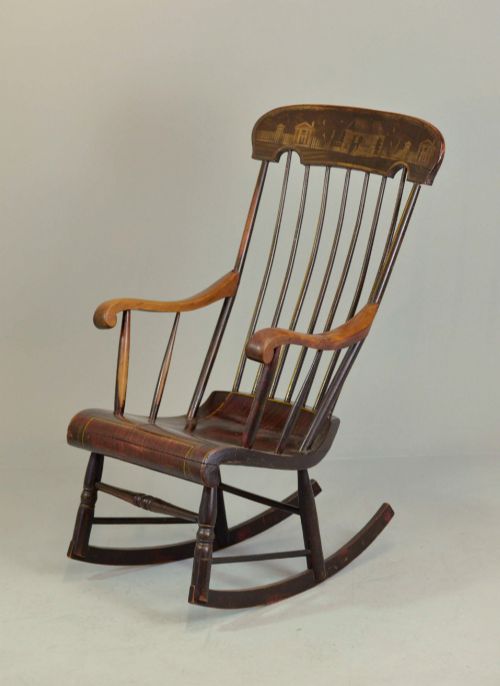
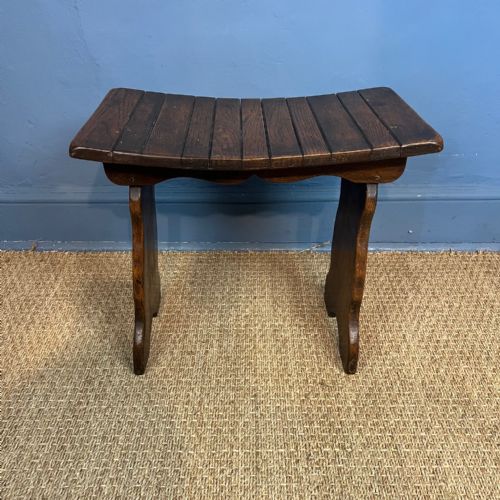
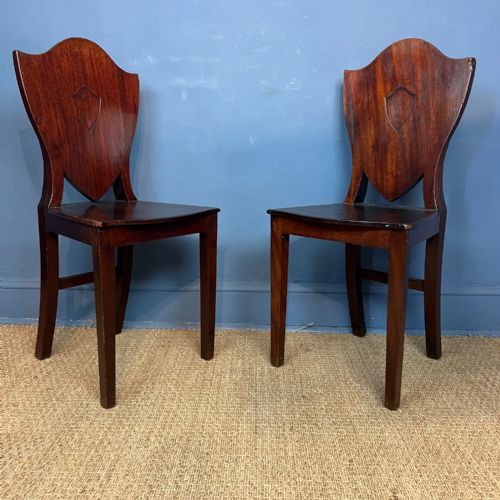
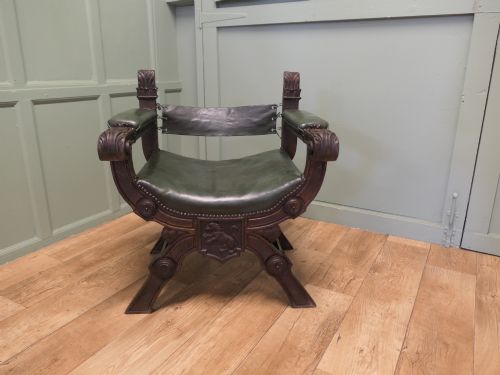
An antique wooden seat encompasses domestic and communal furniture designed for sitting, ranging from single dining chairs to long benches and window seats. Buyers searching for an antique wooden seat typically encounter nineteenth-century vernacular seating, including Windsor chairs and country kitchen benches.
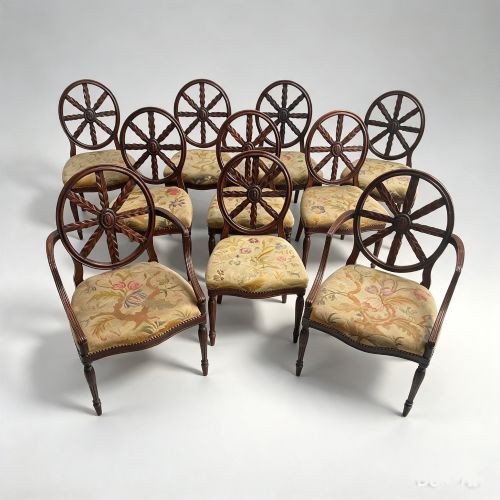
The selection includes formal dining sets alongside utilitarian chapel pews, hall benches, and stools. Woods like oak, elm, mahogany, and pine dominate the forms across Georgian, Victorian, and Arts and Crafts periods.
How they were made
Joinery relied on traditional methods such as mortise and tenon joints, dovetails, and steam-bent components for Windsor chair hoops. Turnings were executed on pole lathes, while seats were often hollowed out using adzes and scorps to create comfortable contours.
Makers utilised native timbers including oak, ash, elm, and beech, frequently combining woods within a single piece to suit structural demands. Surfaces were finished with wax, oil, or early paints that developed patinas through generations of handling.
Antique Wooden Seat Retail Price Guide 2026
Typical asking prices for wooden seat among the pieces listed under this phrase on Sellingantiques today, from the lower quarter to the upper quarter. They describe what is for sale here now, not the wider market.
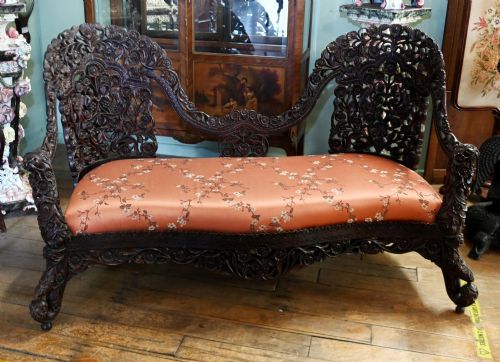
Carved bears support timber armrests on Black Forest workshop benches, bringing nineteenth-century woodland fauna directly into the Victorian parlour.
What varies in quality
Quality rests upon the integrity of the original construction and the preservation of timber surfaces. Pieces retaining their original unstripped finish and untouched joinery command greater regard among collectors.
Proportion and the subtlety of turned elements distinguish superior examples from utilitarian counterparts. Finer chairs exhibit carefully balanced spindles, well-shaped arm bow supports, and tight, stable joints without excessive timber loss.
William Morris·Rossetti·Liberty Morris And Co·Pugin
The Antique Wooden Seat Glossary
- Windsor
- A traditional wooden chair featuring a solid sculpted seat into which the legs and back spindles are directly wedged. The design evolved through regional British variations including Thames Valley and West Country styles.
- Elbow chair
- An armchair designed primarily for a desk or dining table, possessing lower arms than an easy chair. These pieces often match sets of single chairs.
- Settle
- A wooden bench with a high back designed to block draughts, frequently incorporating a box seat beneath the cushion area. They served as communal seating near hearths in country houses and inns.
- Rush
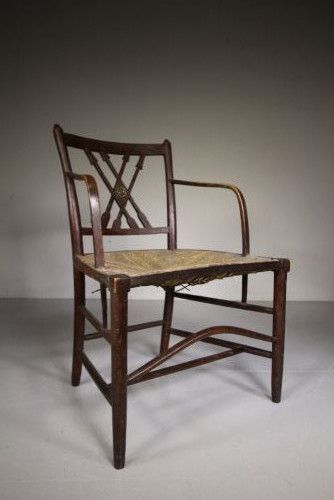
- Dried marsh grass twisted into cords and woven to form flexible, resilient seat pads. This seating material appears frequently on Arts and Crafts and country chairs.
- Bar back
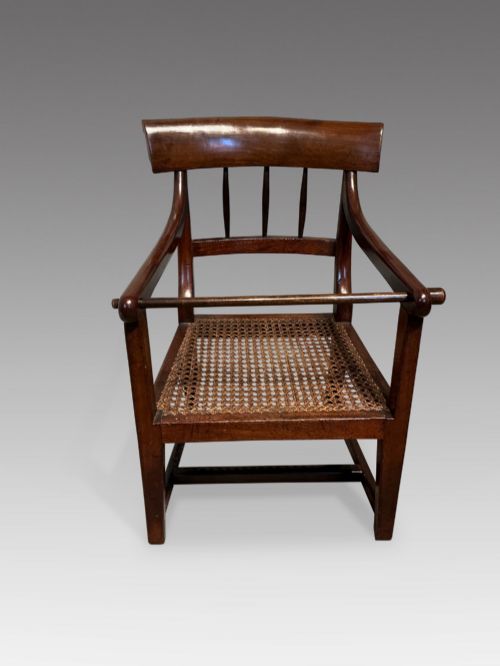
- A chair design featuring a horizontal wooden slat across the upper backrest, often curved for comfort. This form became particularly common during the William IV and Regency periods.
Antique Wooden Seat: Frequently Asked Questions
How do I care for antique wooden seats?
Maintain timber by applying microcrystalline wax sparingly to nourish the grain and protect the surface from moisture. Keep seating away from direct heat sources and rapid temperature shifts to prevent wood from splitting.
Avoid modern liquid polishes containing silicone, which can penetrate open-grain woods and damage historic finishes over time. Gentle dusting with a dry lint-free cloth suffices for regular upkeep.
Are Windsor chairs comfortable for daily use?
Windsor chairs offer surprising ergonomic support because their saddle seats were individually carved to fit the human form. The angled spindles and bow backs provide natural flex when leaning.
Adding a loose cushion can increase comfort for prolonged sitting sessions at a desk or dining table. Their sturdy construction ensures they withstand everyday domestic activity.
How do I distinguish an 18th-century bench from a Victorian copy?
Examine the tool marks and construction methods visible on the underside and interior joints of the bench. Eighteenth-century joinery often displays hand-sawn surfaces, irregular peg placements, and extensive wear patterns consistent with age.
Victorian copies frequently utilise more uniform machine-sawn timber components and standardised fixings. Patina built up over centuries of friction also provides a reliable indicator of true age.
Can I mix different styles of wooden chairs around a table?
Combining various country chairs, such as Windsor and spindle-back designs, creates a collected interior aesthetic popular in period properties. Matching the wood types or general height proportions helps maintain visual harmony.
Ensure seat heights remain compatible with your dining table to maintain comfortable seating levels. Historic kitchens and dining rooms often utilised mismatched seating acquired over generations.