


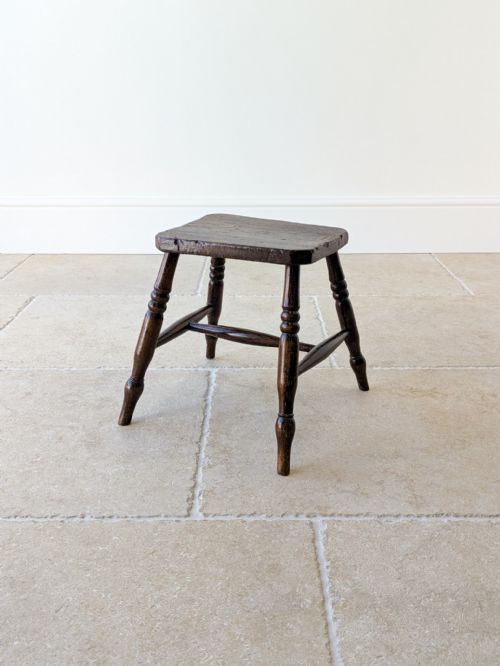
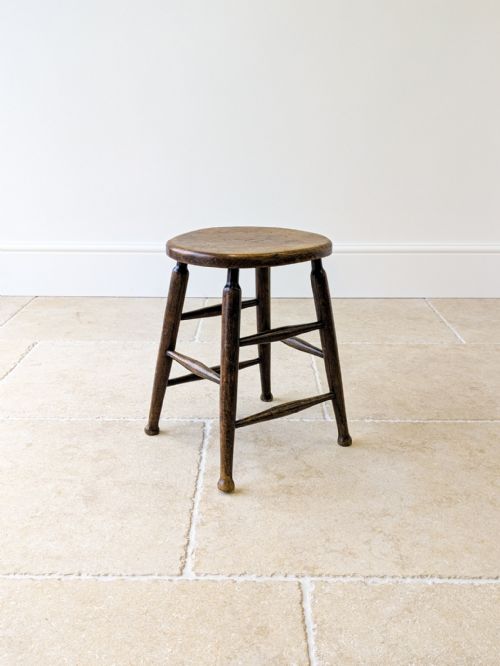
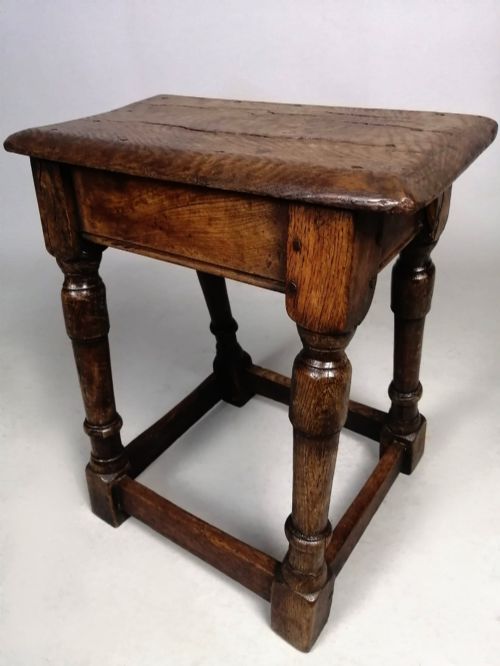
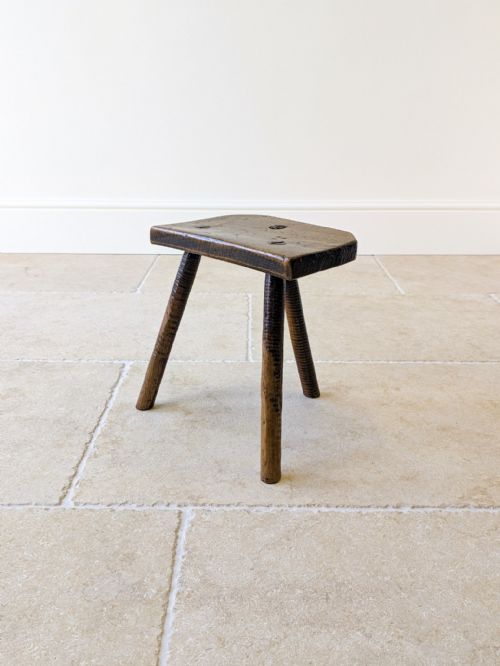
Rustic Elm Stool
A rustic elm stool brings immediate warmth to a room, offering simple utility shaped by decades of honest domestic or working life.
Rustic Elm Stool
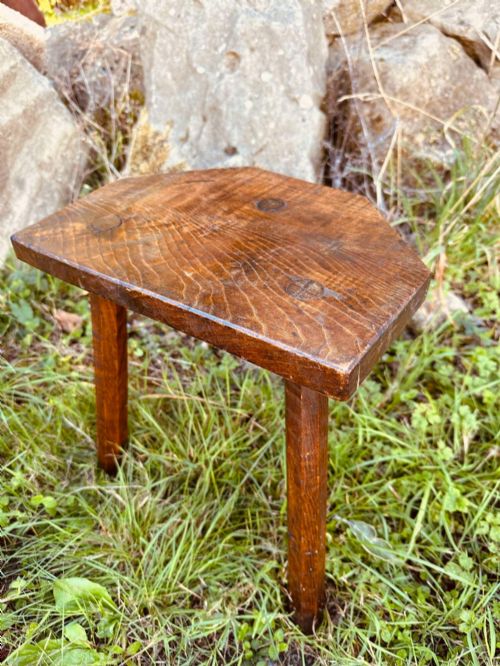
When you search for a rustic elm stool, you encounter seating shaped by utilitarian purpose, often originating in farmhouses, dairies, workshops and provincial homes.
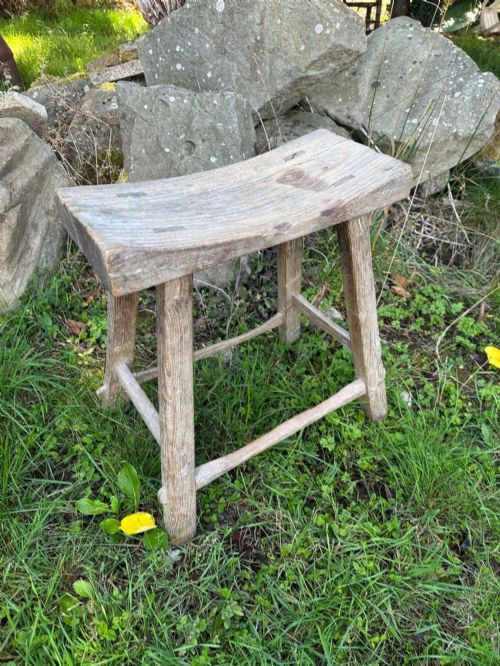
The most common examples on this page date from the nineteenth century, drawing on vernacular English, French and Chinese traditions where local timber met immediate seating needs.
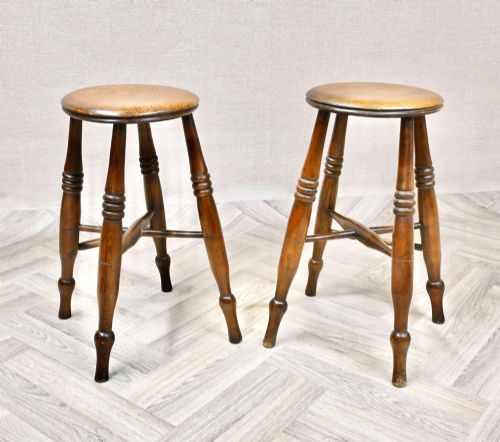
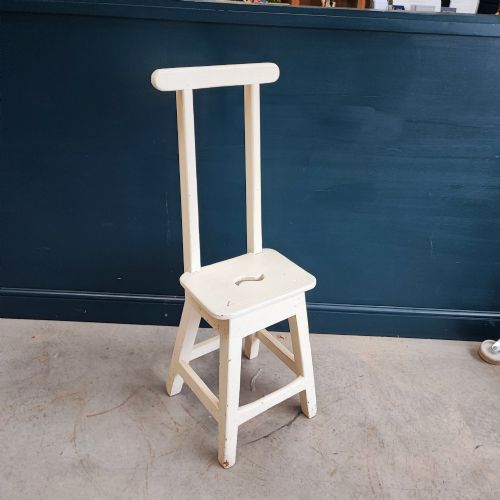
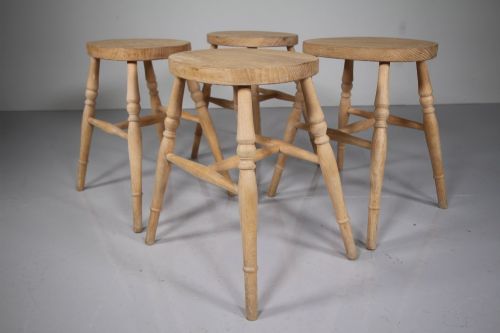
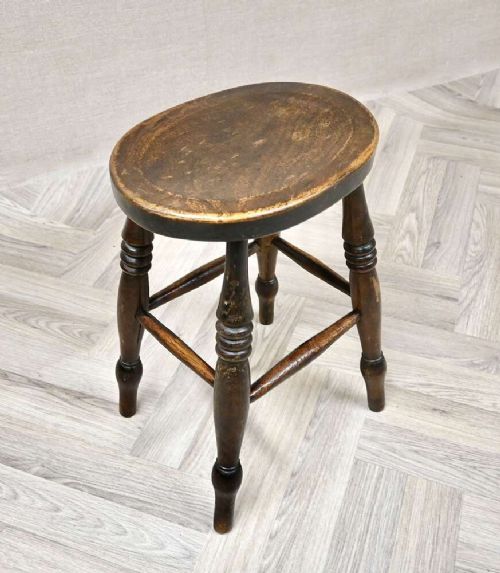
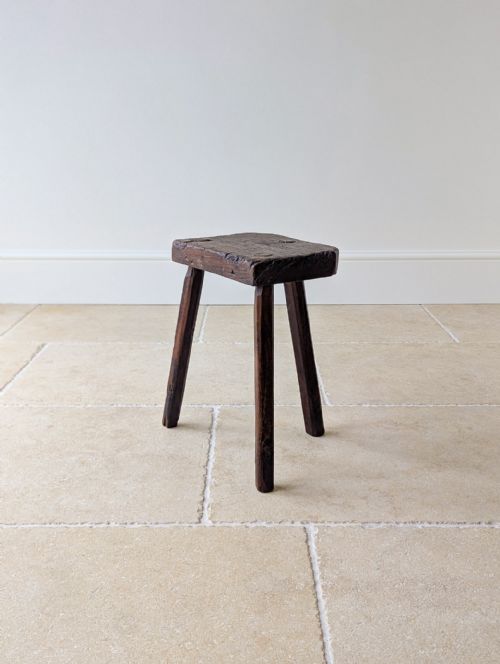
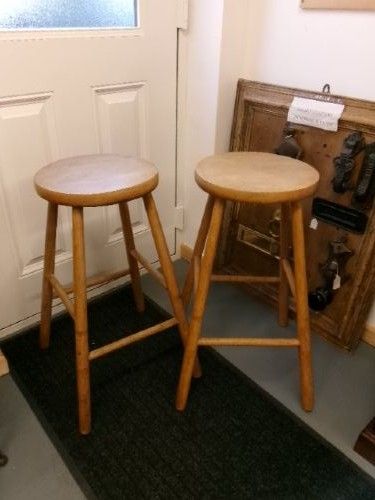
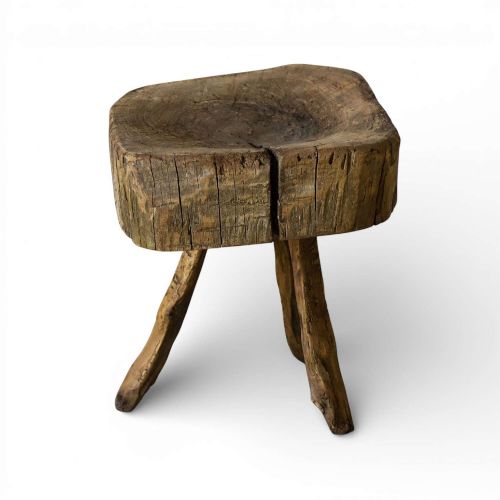
Forms range from three-legged milking stools and Windsor designs to low hearth seats, tall bar stools and sturdy chopping blocks that double as occasional tables.
How they were made
Maker-joiners utilised domestic timbers, pairing thick elm tops with supporting legs turned from beech, ash, oak or other resilient hardwoods.
Construction typically relied on pegged mortise and tenon joints or legs wedged directly through bored seats for maximum strength under heavy daily use.
Surfaces developed naturally through handling and scrubbing, occasionally retaining traces of early paint, lacquer or original dark wax finishes.
Rustic Elm Stool Retail Price Guide 2026
Typical asking prices for rustic elm stool among the pieces listed under this phrase on Sellingantiques today, from the lower quarter to the upper quarter. They describe what is for sale here now, not the wider market.
What varies in quality
Quality rests in the character of the timber itself, particularly the depth of grain, figuring and natural patination achieved across the elm top.
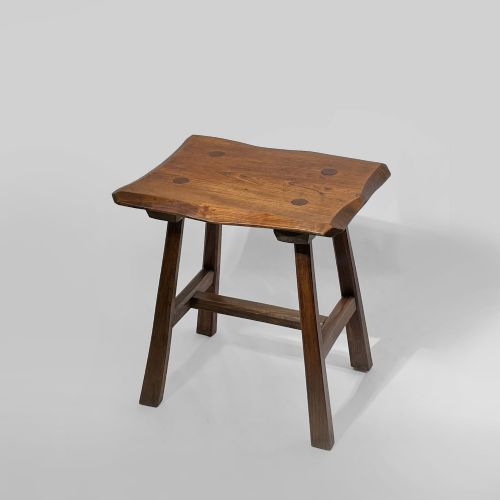
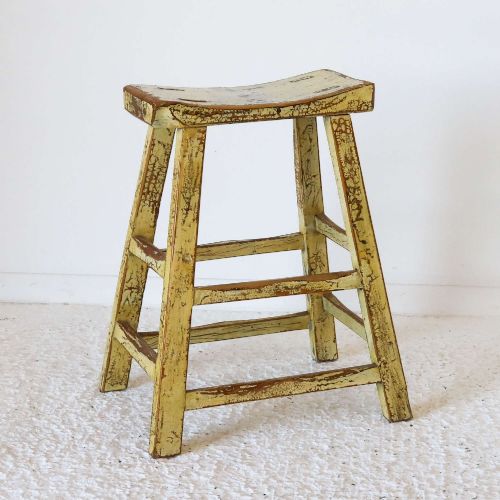
Proportion and stance separate standard utility pieces from superior examples, where splayed legs and well-balanced saddle seats display distinct maker artistry.
Integrity of structure dictates worth, as examples retaining original uncompromised wedged joints and unaltered leg heights hold greater traditional value.
The Rustic Elm Stool Glossary
- Elm
- A tough, interlocking timber resistant to splitting, traditionally chosen for seats because it withstands heavy downward pressure without cracking. Its distinctive wavy grain polishes to a warm tone over years of use.
- Vernacular
- Architecture or furniture built by local craftspeople using regional materials to satisfy practical needs rather than following formal academic design rules. These pieces reflect the specific domestic and working habits of their locality.
- Saddle seat
- A wooden seat surface hollowed out into a shallow concave shape to fit the human body comfortably. This shaping requires careful adze work by the maker.
- Windsor
- A chair or stool construction method where legs and spindles are fitted directly into holes bored through a solid wooden seat rather than into a separate frame. It provides robust stability for everyday utility.
- Milking stool
- A low, portable three-legged seat designed for agricultural workers tending livestock. The three-legged format ensures stability on uneven earthen or cobbled floors.
Rustic Elm Stool: Frequently Asked Questions
How were milking stools used?
Milking stools provided a low, stable seat for farm workers during daily chores in barns and pastures. Their compact size allowed them to be carried easily from stall to stall.
Because they possessed three legs, they remained steady on uneven ground where four-legged seats would wobble.
How do I style a rustic stool at home?
These pieces fit naturally beside armchairs as compact side tables, or serve as bedside surfaces for books and lamps. Their weathered timber adds tactile contrast to contemporary interiors.
In kitchens or bathrooms, they function effectively as standalone display stands for plants or wash accessories.
How can I tell the age of an elm stool?
Age is judged by tool marks left beneath the seat, the type of timber used for the legs, and the nature of the wear. Hand-cut joinery and authentic surface patination indicate earlier periods of manufacture.
Turned components and wood shrinkage patterns further help distinguish eighteenth-century pieces from later nineteenth-century vernacular examples.
Why is elm used for country furniture?
Elm possesses a twisted, interlocking grain structure that resists splitting even when subjected to heavy impacts or moisture. This made it the primary choice for solid stool seats that faced rugged daily demands.
Over decades, this specific timber absorbs oils from hands and develops a rich, lustrous finish.