



Traditional Wooden Stool
A traditional wooden stool brings honest utility to a room, offering simple seating that spans centuries of domestic and tavern life.
Traditional Wooden Stool
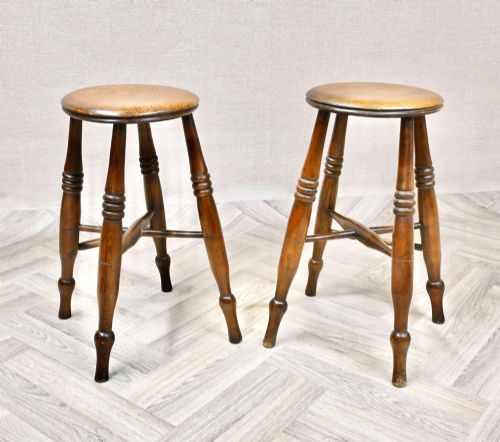
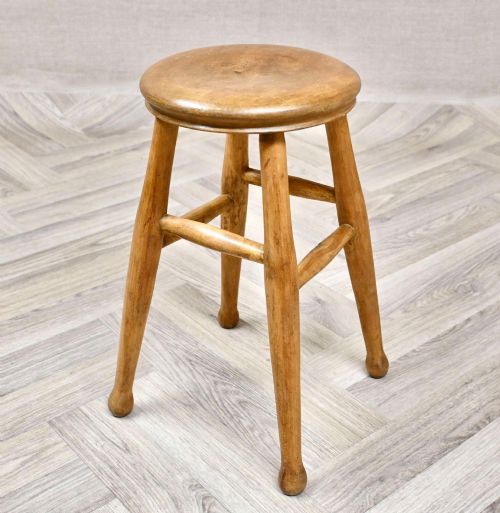
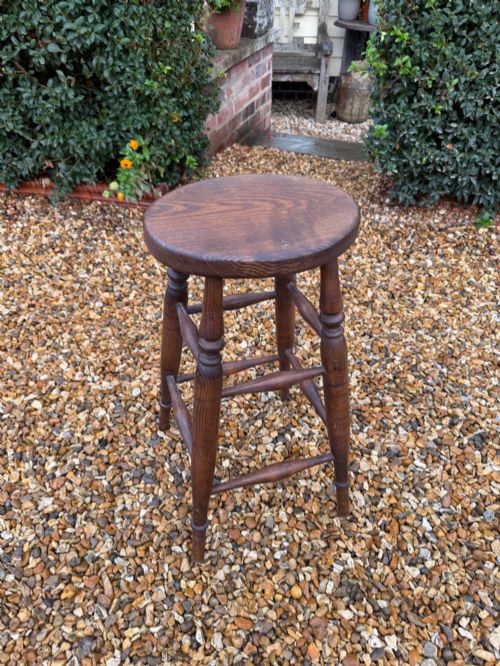
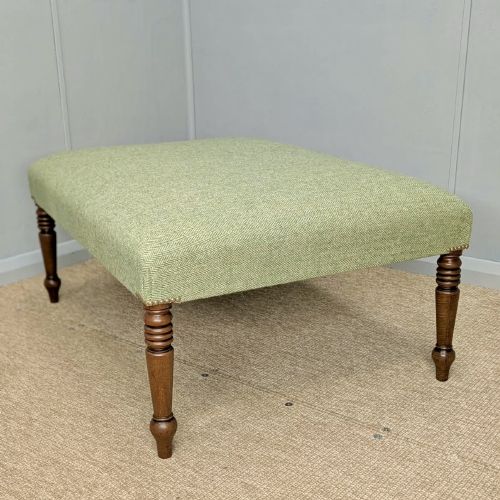
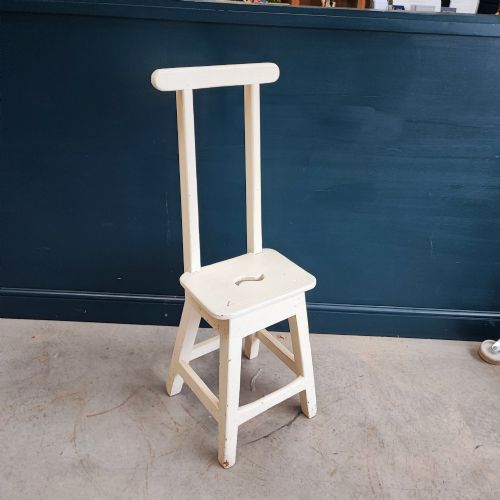
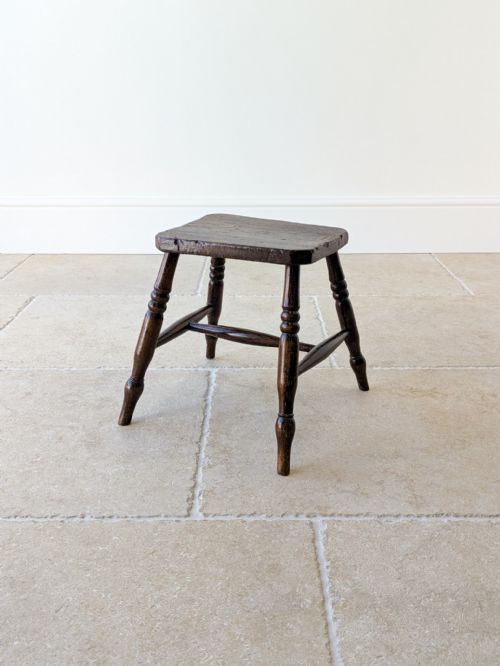
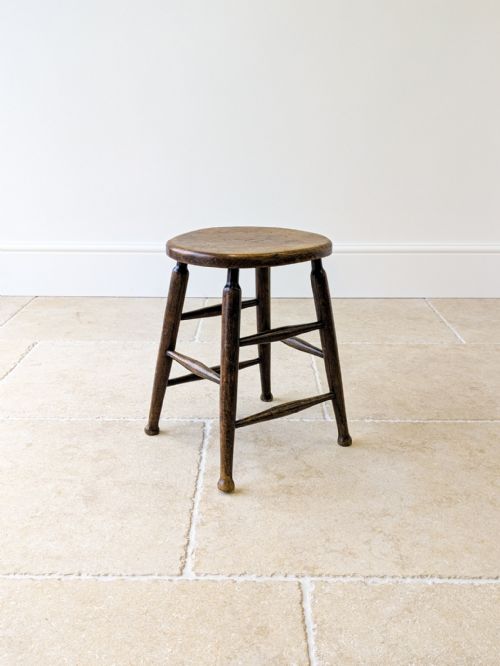
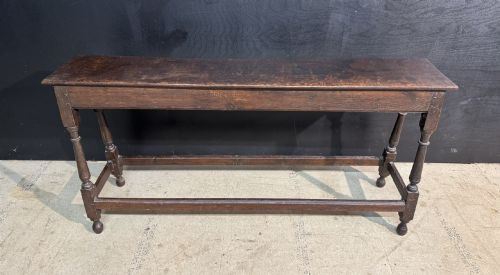
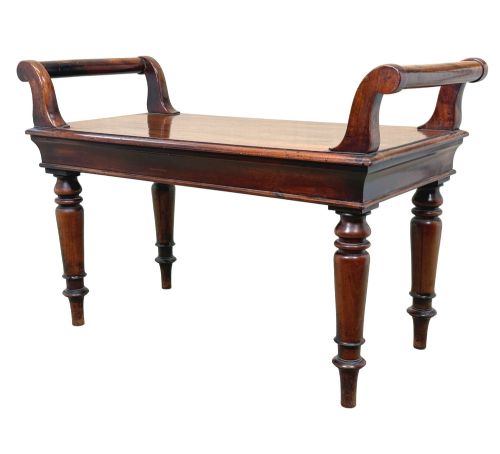
When you search for a traditional wooden stool, you encounter a wide assortment of utilitarian seating and small stands shaped by regional makers. The pieces range from low pub seats and tall tavern perches to sturdy joint stools and upholstered footstools.
Nineteenth century examples in oak, elm, and sycamore dominate the selection, alongside Edwardian and early twentieth century variations. You will find simple three-legged designs, Windsor formats, and vernacular forms intended for everyday service.
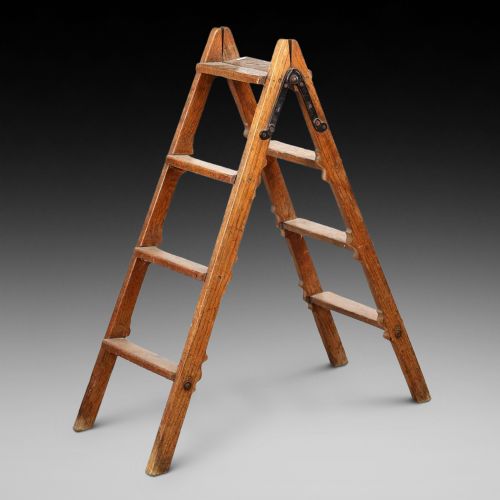
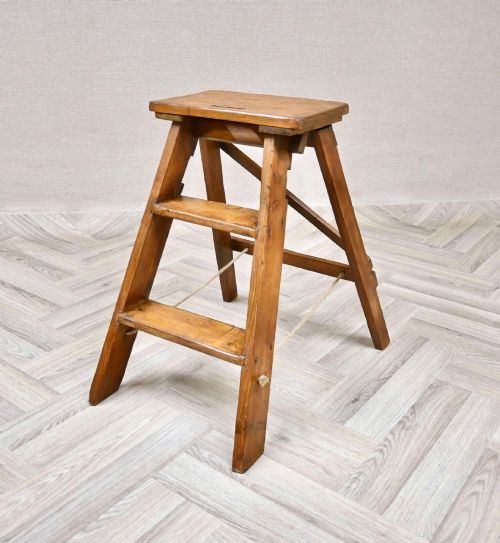
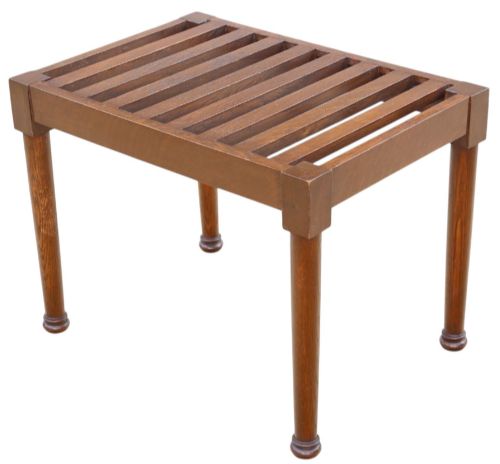
The assortment extends to specialised pieces such as clerk's stools, library steps, and luggage stands, each maintaining the robust construction typical of working furniture.
Determinants of quality
Quality rests upon the integrity of the timber and the tightness of the original joints rather than ornamental excess. Pieces fashioned from dense hardwoods like oak or well-turned sycamore and ash demonstrate greater structural resilience.
Proportion and patination distinguish finer examples, where natural wear enhances the surface without compromising the stability of the frame. The distinction lies in whether a piece retains its honest working character intact.
Traditional Wooden Stool Retail Price Guide 2026
Typical asking prices for traditional wooden stool among the pieces listed under this phrase on Sellingantiques today, from the lower quarter to the upper quarter. They describe what is for sale here now, not the wider market.
Listings feature timbers including oak, mahogany, elm, beech, sycamore, and pine across nineteenth and early twentieth century periods.
The Traditional Wooden Stool Glossary
- Joint stool
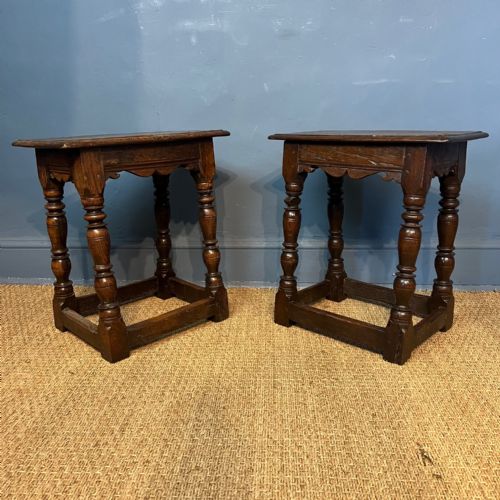
- An early form of wooden stool constructed with mortise and tenon joints pegged together for strength. These sturdy items often served multiple domestic purposes.
- Vernacular
- Furniture made by local craftsmen using regional traditions and available materials rather than following formal metropolitan design styles. It emphasises practicality above all else.
- Dished top
- A seat surface carved into a shallow concave depression to fit the body comfortably. This technique is common on Windsor and tavern stools.
- Luggage stand
- A low folding or rigid rack used in bedrooms for holding travel bags. They share similar timber construction methods with standard stools.
Traditional Wooden Stool: Frequently Asked Questions
How do I date an old wooden stool?
Dating relies on observing tool marks, timber species, construction joints, and natural wear patterns visible on the piece. Eighteenth and nineteenth century examples often display hand-turned elements and pegged joinery.
Secondary indicators include original upholstery webbing, screws, and the type of finish applied to the wood. Comparing the form against documented regional styles helps narrow down the decade of origin.
Where should I place a pub stool at home?
Tall tavern or pub stools suit kitchen islands, breakfast bars, or narrow console areas where space is at a premium. Their compact footprints allow them to tuck neatly underneath surfaces when not in use.
Shorter variants work well as impromptu side tables for books or plants rather than seating. Their sturdy wooden construction handles everyday placement in hallways and living spaces.
What is the difference between a joint stool and a regular stool?
A joint stool utilises rigid frame construction with heavy rails and pegged tenons, making it robust enough to stand upon. Regular turned or three-legged stools often employ simpler socket joints connecting the legs directly to the seat.
Joint pieces date predominantly to earlier periods and reflect carpentry traditions associated with oak furniture. Their architectural frames provide distinct structural stability.
Are antique footstools sturdy enough for daily use?
Most antique footstools retain solid timber frames that easily support everyday weight when the joinery remains sound. Pieces reinforced with good corner blocks and sturdy legs endure regular sitting and foot-rest duties.
Upholstered versions may require new webbing or padding over time to restore proper firmness. The underlying wooden structure determines the long-term durability of the piece.