





Antique Counter Stool
An antique counter stool brings practical height and honest character to a kitchen island, rooted in utilitarian design.
Antique Counter Stool
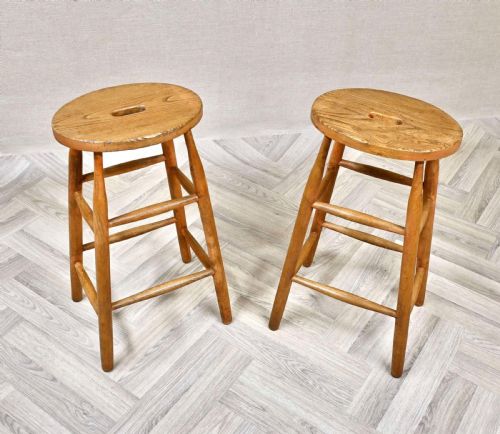
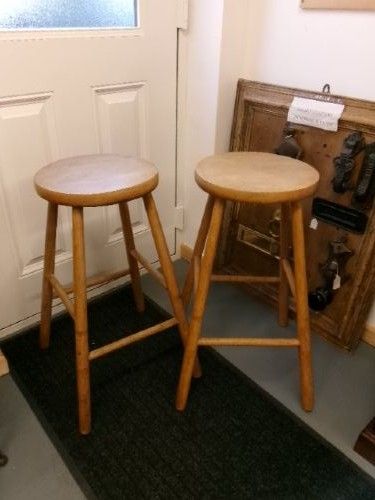
When you search for an antique counter stool, you are looking at tall seating designed for commerce, hospitality and domestic utility rather than formal dining. The pieces available span the nineteenth century up through the nineteen-forties, covering rustic farmhouse forms, pub and tavern seats, and industrial workshop designs.
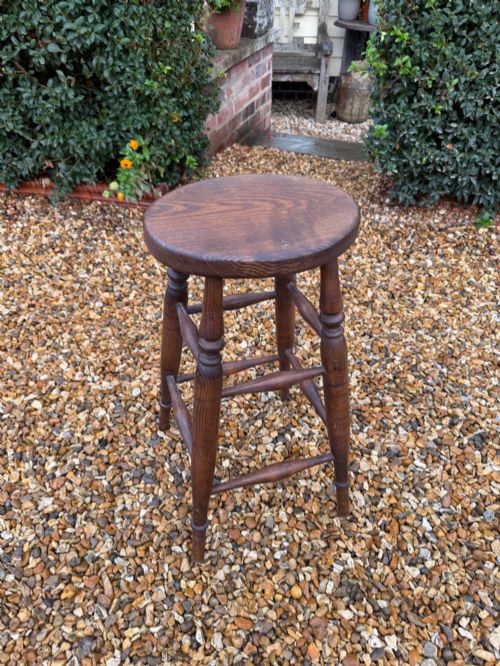
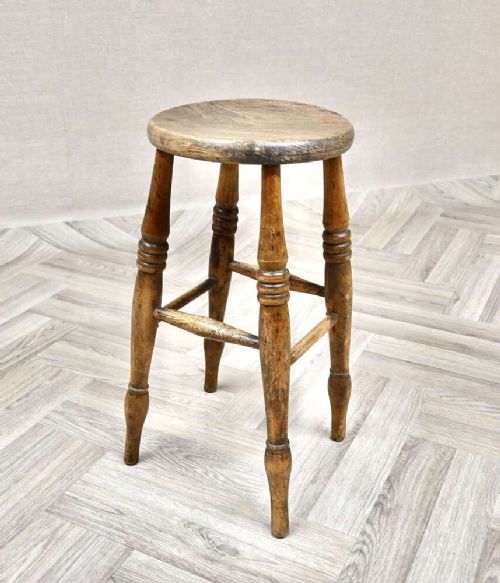
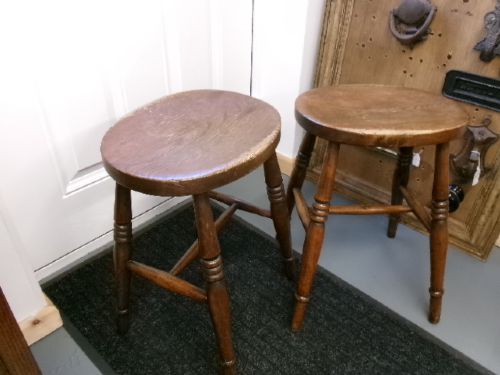
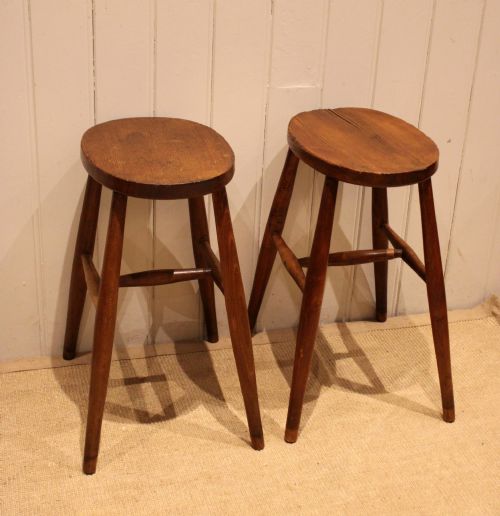
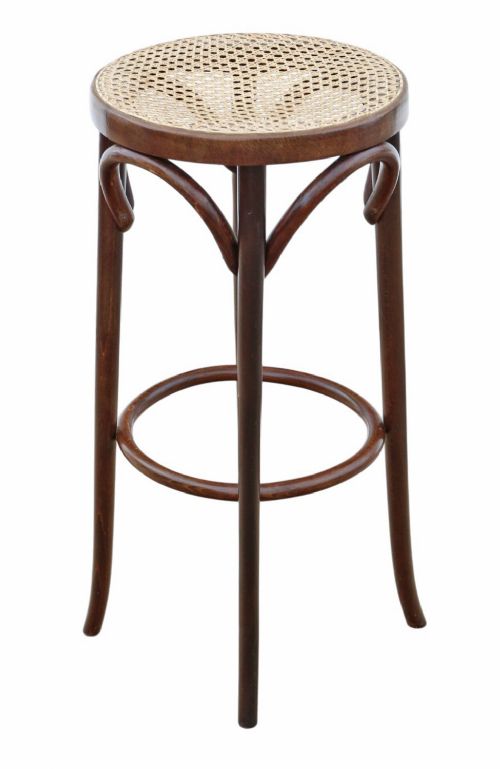
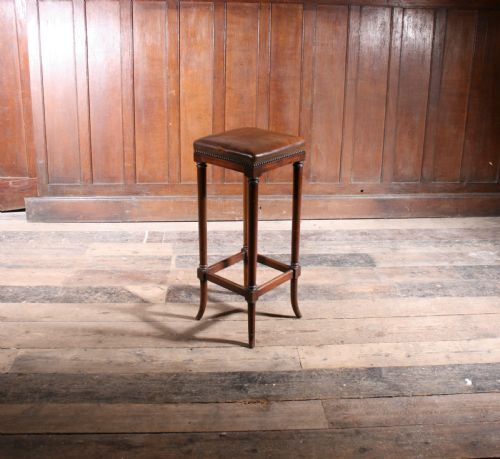
The most common examples you will encounter are nineteenth-century clerk's stools and country pub seating, often fashioned with timber seats raised on slender turned legs. These range from simple round-topped elm variants to upholstered Regency mahogany pieces and later bentwood or metal-riveted models.
Materials and construction
These stools rely on solid hardwoods like beech, elm, oak, and mahogany for structural integrity, frequently paired with turned stretchers to support the high legs. Sycamore and birch also appear in tavern and clerk variants, providing a dense, resilient surface for daily use.
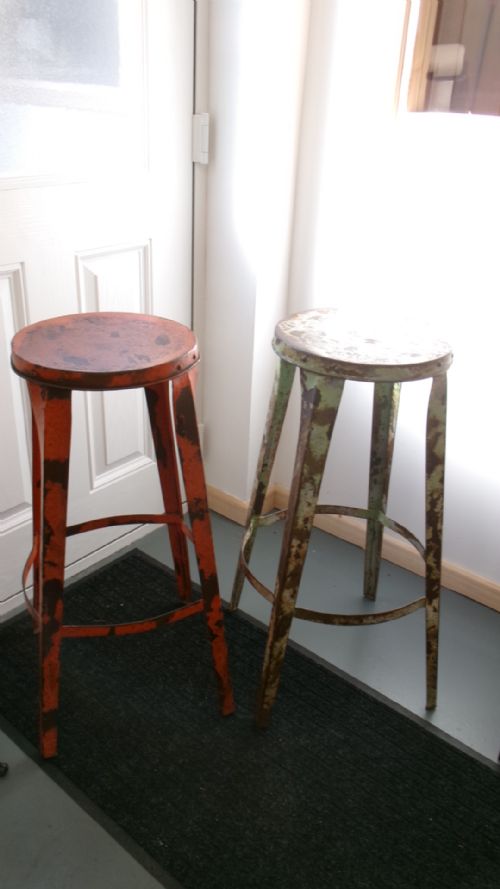
Makers utilised traditional joinery, including pegged mortise and tenon joints, steam-bent wood for curved elements, and metal riveting in later industrial pieces. Leather upholstery also appears on padded top variants from the Regency and Art Deco periods.
Antique Counter Stool Retail Price Guide 2026
Typical asking prices for counter stool among the pieces listed under this phrase on Sellingantiques today, from the lower quarter to the upper quarter. They describe what is for sale here now, not the wider market.
Listings span from the Regency period through to the nineteen-forties, encompassing elm, mahogany, beech, and industrial metal.
Judging quality in tall seating
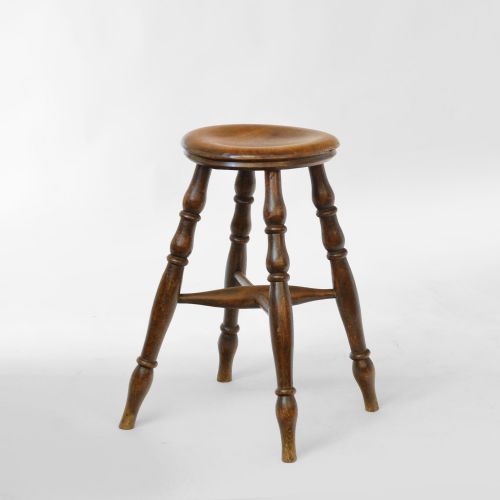
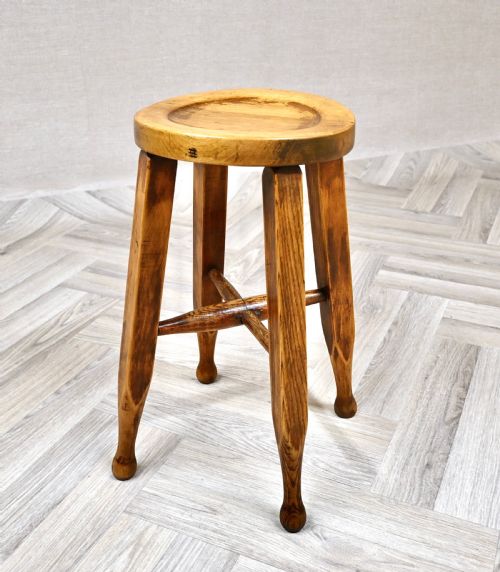
Quality in these pieces rests upon the integrity of the timber selection and the rigidity of the leg frame, which must withstand lateral pressure at height. Seats shaped with an oval dished form or comfortable saddle recess show superior ergonomic consideration by the maker.
Finer examples display careful hand-turning on the legs and balanced proportions between the height and the foot stretcher placement. Later industrial and bentwood iterations depend on the precision of their metalwork and the tightness of their steam-bent frames.
The Antique Counter Stool Glossary
- Clerk's stool
- A tall wooden seat traditionally used by administrative workers at high desks. These usually feature simple turned legs and a round wooden top.
- Bentwood
- Wood softened by steam and bent into curved structural shapes. This technique defines lightweight and resilient twentieth-century designs.
- Dished top
- A wooden seat carved into a shallow concave depression for comfort. This shaping is commonly found on nineteenth-century tavern and pub seating.
- Stretcher
- A horizontal support connecting the legs of a stool to add rigidity. On tall seating, these often double as footrests.
- Windsor stool
- A piece featuring legs and spindles fitted directly into a solid carved seat. This vernacular construction draws on traditional chair-making methods.
Antique Counter Stool: Frequently Asked Questions
Where were these stools used?
These tall seats originated in commercial, industrial and domestic environments where workers or patrons needed elevation at a high surface. Common settings included nineteenth-century pubs, clerk offices, laboratories and farmhouse kitchens.
Over time, their utilitarian utility made them sought-after for modern kitchen islands and breakfast bars. They bridge the gap between working antique furniture and daily domestic seating.
How do I date an old stool?
Dating relies on observing timber choices, turnery styles and structural assembly methods. Nineteenth-century examples often feature hand-turned beech or solid elm with pegged joinery, while twentieth-century pieces incorporate bentwood or metal rivets.
Stylistic markers also help narrow the timeframe, moving from heavy Victorian country forms to Art Deco curves and industrial metal construction of the nineteen-twenties and thirties.
Are tall antique stools sturdy?
Most surviving examples remain stable thanks to robust hardwood construction and supportive foot stretchers. However, the height places natural stress on the lower joinery over decades of use.
Checking the tightness of the leg joints and the condition of the stretchers ensures the piece will handle regular daily weight. Solid timber frames generally allow for straightforward conservation by a specialist if needed.
Can I mix different styles together?
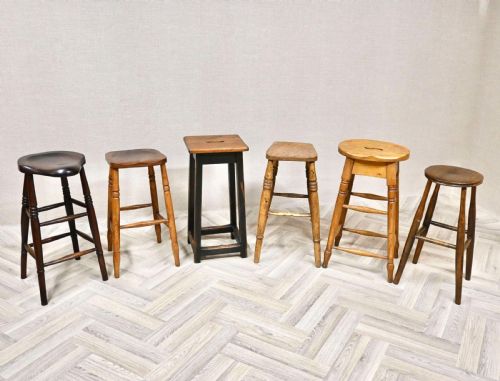
Pairing varied tall stools is common, as many historical examples were produced individually for specific workspaces rather than matching sets. Mixing nineteenth-century elm pub seats with twentieth-century bentwood or industrial metal designs creates an eclectic interior.
Maintaining a similar seat height or matching timber tones helps unify mismatched groupings around a contemporary counter. The variety in leg turnings and seat shapes adds visual depth to a room.