

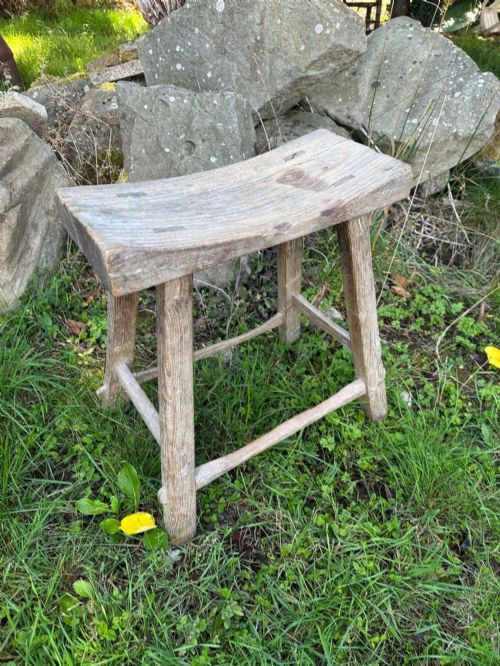
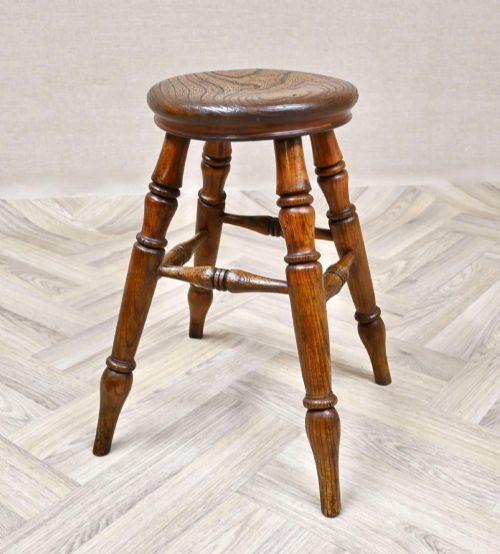
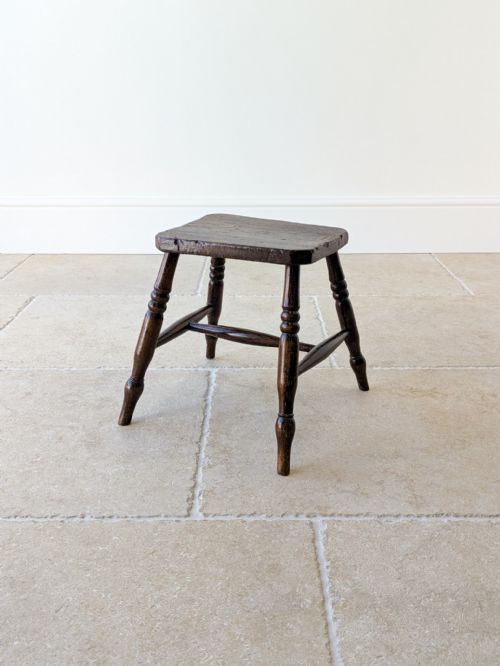
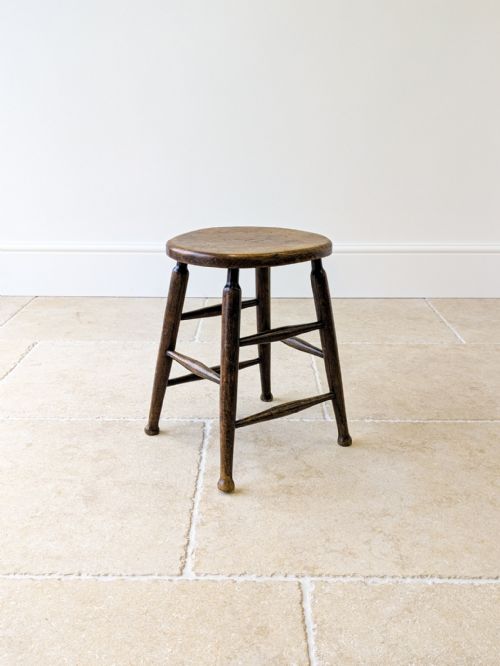
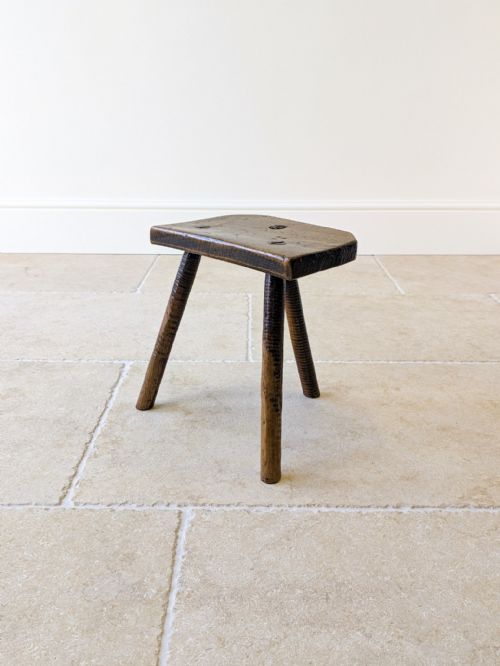
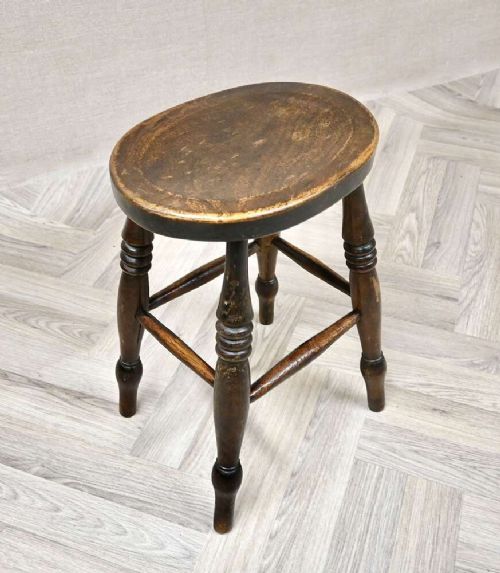
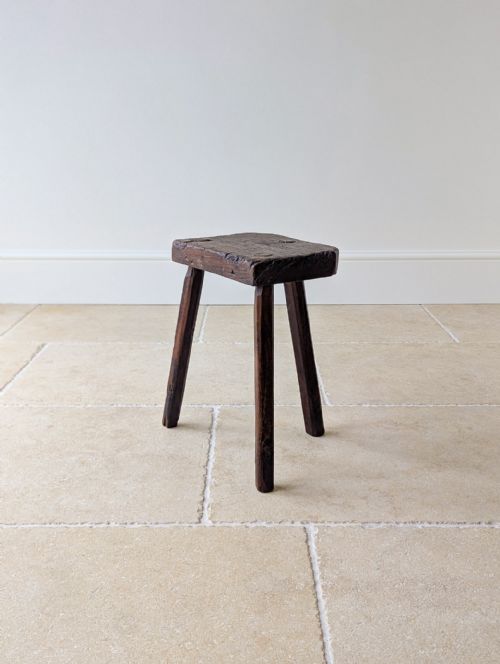
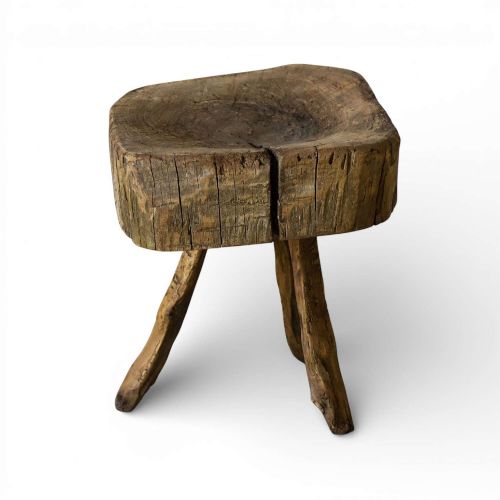


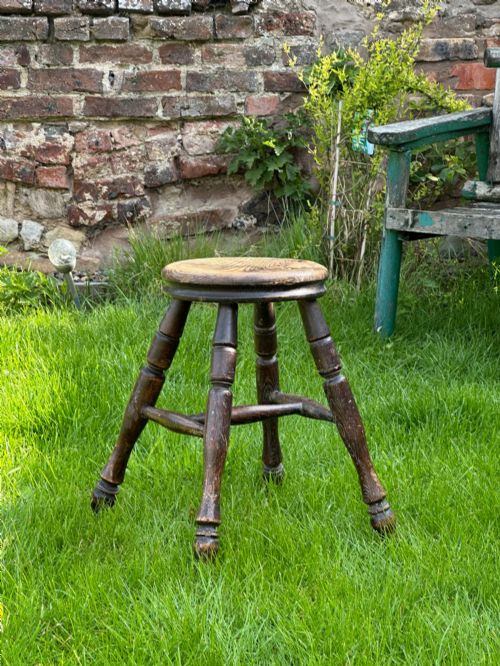


19th Century Elm Stool
A 19th century elm stool offers durable vernacular utility, prized by collectors for its honest grain and practical rural history.
19th Century Elm Stool
A 19th century elm stool encompasses a broad range of utilitarian seating designed for domestic, workshop, and agricultural tasks. When exploring a 19th century elm stool, buyers frequently encounter Windsor designs, milking forms, and specialised trade seating such as cutler's, mill worker's, or jeweller's stools. These pieces originate from various regional traditions including English country, French provincial, and Chinese vernacular styles.
Makers produced these objects for hard daily use rather than formal display, resulting in honest signs of wear and patination. Collectors acquire them to bring tactile warmth and unpretentious character into contemporary interiors. Each surviving piece records the specific physical demands of its original working environment.
What Varies in Quality
Quality in a 19th century elm stool rests on the thickness and figuring of the timber seat board, alongside the proportion of the underframe. Heavy, well-figured elm tops paired with slender, crisp turnings command greater attention than plain, heavily repaired utility pieces.
Surface preservation significantly influences the standing of a piece, distinguishing examples retaining original dry paint, historic wax, or unwashed patination from those stripped down to bare wood. The integrity of the wedged tenon joints and minimal replacement parts also determine the overall merit of the construction.
19th Century Elm Stool Retail Price Guide 2026
Typical asking prices for 19th century elm stool among the pieces listed under this phrase on Sellingantiques today, from the lower quarter to the upper quarter. They describe what is for sale here now, not the wider market.
Materials recorded across the inventory include solid elm, ash, beech, oak, and painted surfaces on pieces dating from the early to late 19th century.
The 19th Century Elm Stool Glossary
- Elm
- A durable hardwood noted for its twisted, interlocking grain that prevents splitting. Furniture makers utilised this timber extensively for seating tops and chopping blocks where resilience mattered most.
- Vernacular
- Unpretentious regional manufacturing traditions governed by local utility and available materials rather than high-style metropolitan fashions. These pieces reflect the direct needs of rural and working communities.
- Saddle seat
- A seat surface scooped and hollowed by hand to mirror the contours of the body. This shaping provided comfort during long hours of sitting at workbenches or milking parlours.
- Stretchers
- Horizontal rails connecting the legs of a stool to reinforce the underframe. Turned or plain stretchers prevent the legs from spreading under heavy loads.
- Treen
- Small handmade wooden household objects and utensils. Elm and ash frequently appear in treen items alongside small stands and miniature tables.
19th Century Elm Stool: Frequently Asked Questions
What were 19th century elm stools used for?
These items served specific utilitarian functions in dairies, kitchens, workshops, and farmhouses across the country. Workers utilised them for seated tasks ranging from milking cows and cuttinglery manufacturing to milling and tavern seating.
Over time, their sturdy construction and humble utility made them adaptable for everyday domestic seating and casual placement around the home.
How can I tell a dairy stool from a workshop stool?
Dairy stools typically feature low profiles and simple three-legged construction designed for stability on uneven farm floors. Workshop variants, such as cutler's or mill worker's pieces, often include taller frames, specialised saddle seats, or adjustments suited to specific trades.
Examining the height, seat contour, and underframe bracing usually reveals the intended working environment of the piece.
Are these stools comfortable to sit on daily?
Many examples feature hand-sculpted saddle seats designed to distribute weight and provide ergonomic support during long working hours. Their solid wooden construction offers a firm seat rather than cushioned comfort.
Placing them in modern interiors works well for occasional seating, dressing tables, or as small display surfaces.
How do I care for antique elm furniture?
Maintaining elm timber requires avoiding direct heat sources and sudden humidity changes that can cause the wood to dry out or split. Regular application of a traditional beeswax feed helps preserve the historic patination and protects the surface.
Gentle dusting with a soft cloth keeps the grain clean without stripping away accumulated character.