





Victorian Elm Furniture
Victorian elm furniture brings robust English country character into a room through honest utilitarian forms and rich native timber.
Victorian Elm Furniture
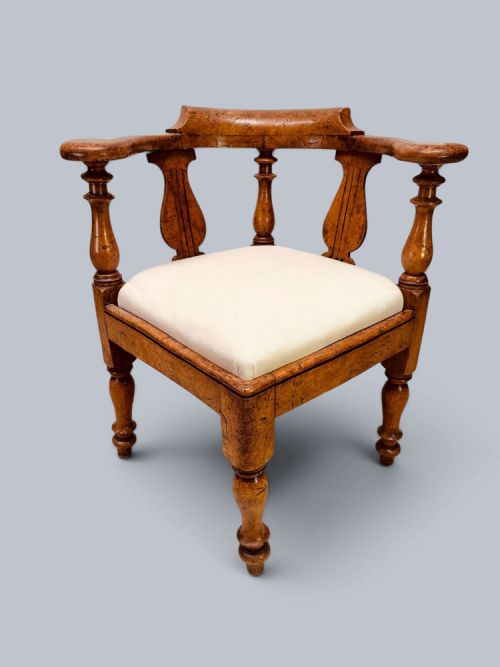
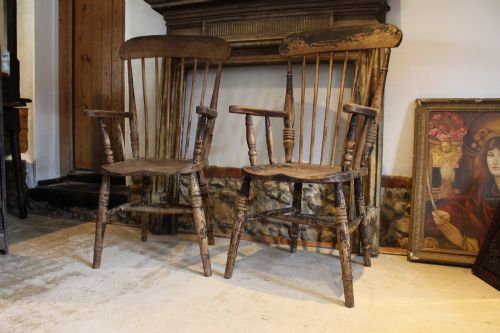
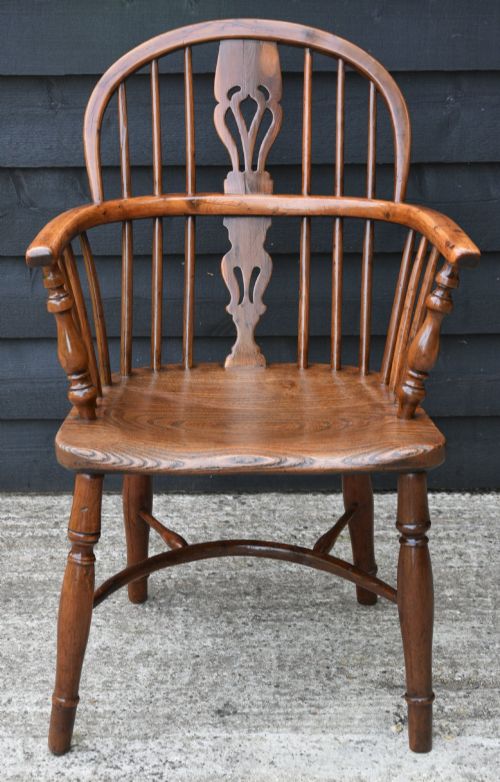
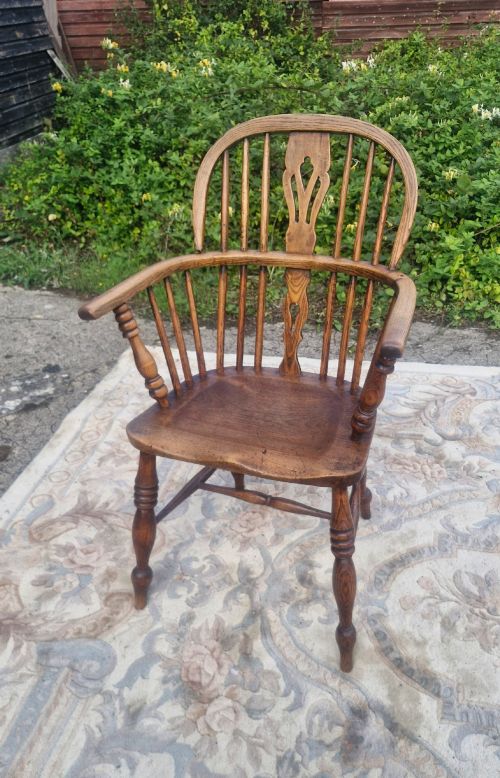
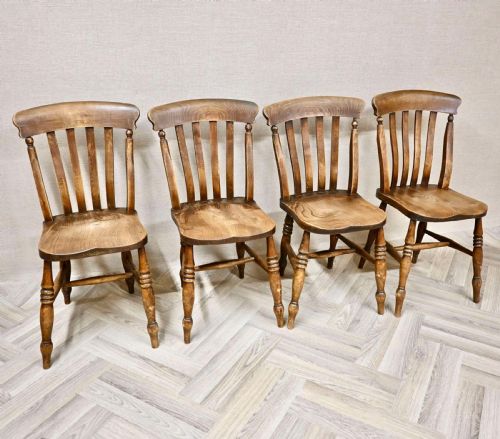
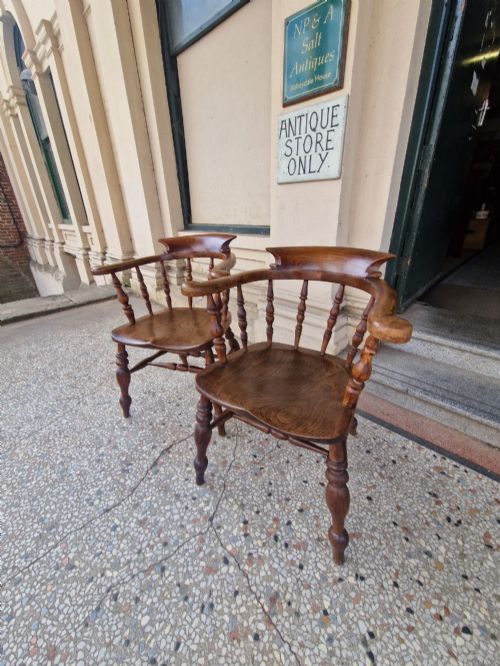
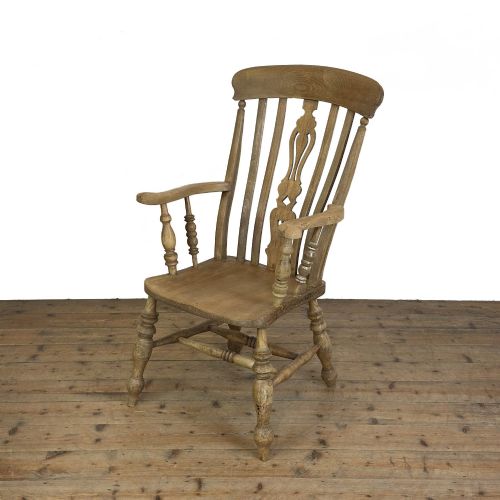
Victorian elm furniture encompasses seating, tables, and storage created during the nineteenth century in English country houses, farms, and provincial workshops. Buyers searching for victorian elm furniture frequently encounter Windsor armchairs, low stools, kitchen chairs, and long benches.
Seating dominates the selection, ranging from standard dining chairs to high-backed Windsor armchairs and children's high chairs. Alongside chairs, functional forms such as hall benches, cricket tables, commode chests, and Davenport desks appear regularly.
The aesthetic leans towards English country, rustic farmhouse, and Gothic Revival styles rather than urban formality. Makers utilised the tough, interlocking grain of elm for surfaces and seats that required resilience against heavy daily use.
Materials and Construction
Makers combined elm with supporting timbers like ash, beech, oak, and yew to build robust frames. Elm served primarily for seats, tabletop panels, and drawer fronts due to its resistance to splitting, while ash and beech provided flexible spindles and legs.
Turned components and traditional joinery methods held the structures together without relying on metal fasteners. Selected pieces also incorporated burr elm veneers, brass hardware, rush seating, and occasional applications of paint.
Victorian Elm Furniture Retail Price Guide 2026
Typical asking prices for victorian elm furniture among the pieces listed under this phrase on Sellingantiques today, from the lower quarter to the upper quarter. They describe what is for sale here now, not the wider market.
The documented pieces span the entire Victorian era alongside select Georgian examples and rural country house benches.
Distinctions in Quality
Quality rests upon the selection of timber figure, particularly the depth of grain in burr elm panels and the richness of the natural patina. Pieces showing careful matching of contrasting woods like yew and elm demonstrate superior workshop execution.
Structural integrity and the retention of original turned spindles separate standard utilitarian items from finer country examples. The balance between the sturdy elm seat and the lighter ash or beech framework determines the visual harmony of each chair.
Augustus Pugin
The Victorian Elm Furniture Glossary
- Windsor chair
- A wooden chair built with a thick solid timber seat into which the legs and back spindles are separately inserted. This form evolved through various regional styles across the eighteenth and nineteenth centuries.
- Burr elm
- A growth deformity in the elm tree that produces highly figured, swirling wood grain. Cabinet makers prized this material for decorative desk and table surfaces.
- Cricket table
- A small, lightweight occasional table standing on three splayed legs. The design provided stability on uneven flagstone floors in country dwellings.
- Rush seat
- A woven seating surface made from dried marsh grasses twisted into cords. Country chair makers used rush to provide a flexible and comfortable seat.
- Reformed Gothic
- A nineteenth-century design style championed by figures like Augustus Pugin that emphasised structural honesty and medieval principles. This movement influenced the construction of heavy oak and elm furniture.
Victorian Elm Furniture: Frequently Asked Questions
What is victorian elm furniture?
Victorian elm furniture comprises nineteenth-century utilitarian and domestic items made predominantly from English elm. These pieces range from Windsor chairs and cricket tables to chests of drawers and hall benches.
The style reflects provincial and country workshop traditions rather than polished metropolitan cabinet making. Elm was chosen for its tough grain, making it ideal for items subjected to heavy daily wear.
How were windsor chairs constructed?
Windsor chairs feature a thick sculpted wooden seat that serves as the central anchor for the entire structure. The legs and back spindles are turned separately and wedged directly into bored holes in the seat slab.
Makers frequently combined elm seats with ash or beech for the bentwood bows and spindles. This multi-timber approach provided both rigidity in the base and flexibility in the back.
How do I care for elm furniture?
Elm responds best to a stable indoor environment away from direct heat sources and strong sunlight. Maintaining moderate room humidity prevents the timber from drying out or splitting.
Apply a traditional beeswax polish occasionally to nourish the grain and protect the surface patina. Buff the wood gently with a soft cloth to maintain its natural sheen without creating buildup.
Where was elm furniture used?
Elm furniture was utilised primarily in country houses, farmhouses, dairies, and provincial cottages throughout England. Its durable nature suited working environments like kitchens, halls, and schoolrooms.
Sturdy benches, stools, and tables served practical functions in daily rural life. Over time, these utilitarian objects transitioned into domestic living spaces for their rustic aesthetic.
What is burr elm?
Burr elm is a specialised wood harvested from growths on the elm tree that create intricate, swirling grain patterns. Cabinet makers prized this material for its decorative visual impact on small furniture surfaces.
Due to its distinct appearance, burr elm typically appeared on the tops of Davenport desks, bedside cabinets, and specialised desk chairs. It represents a more decorative branch of nineteenth-century country woodworking.