

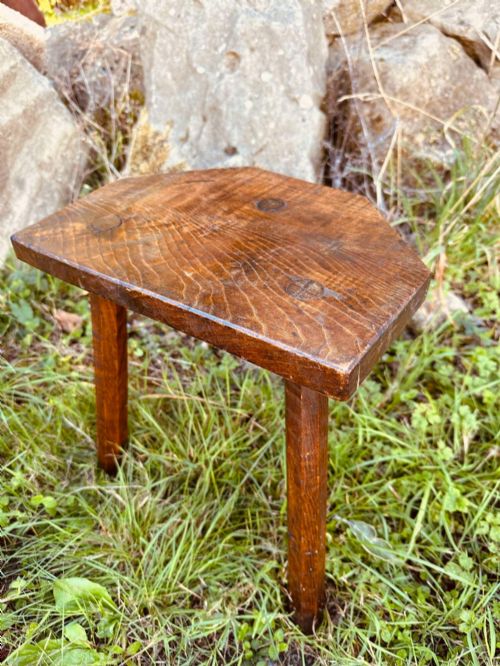
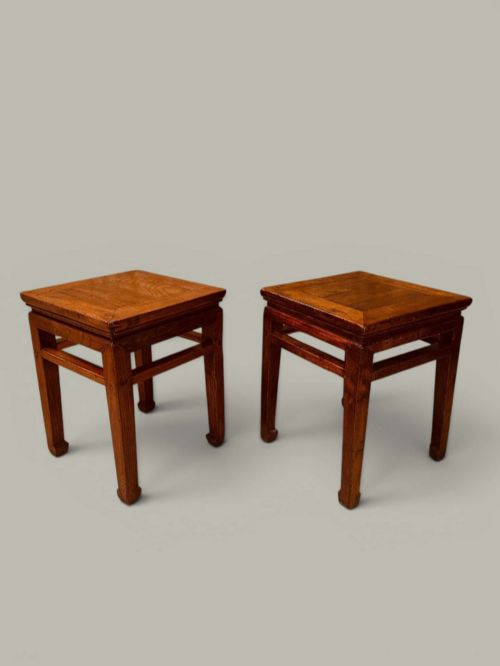


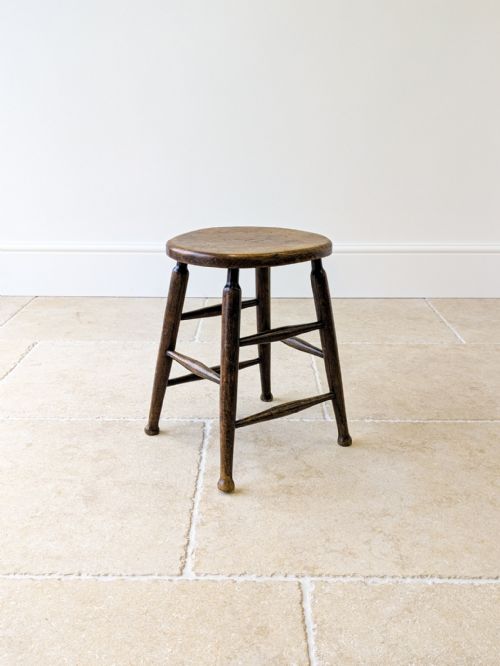
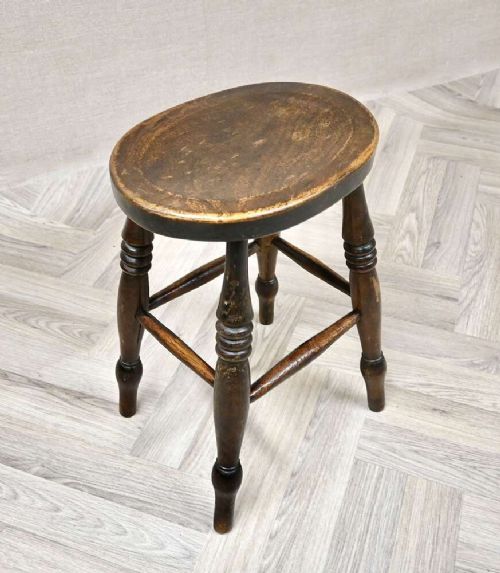
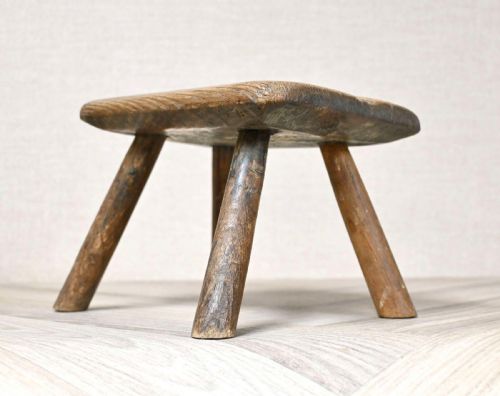


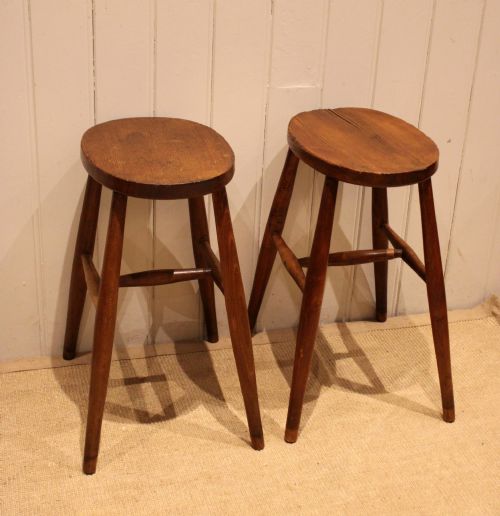


Brown Elm Stool
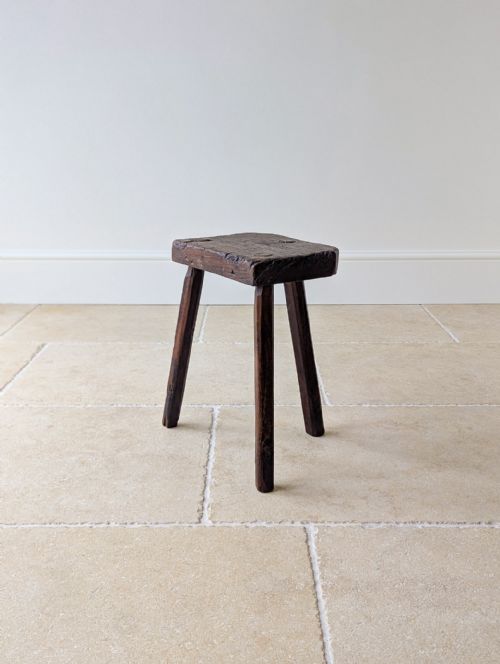
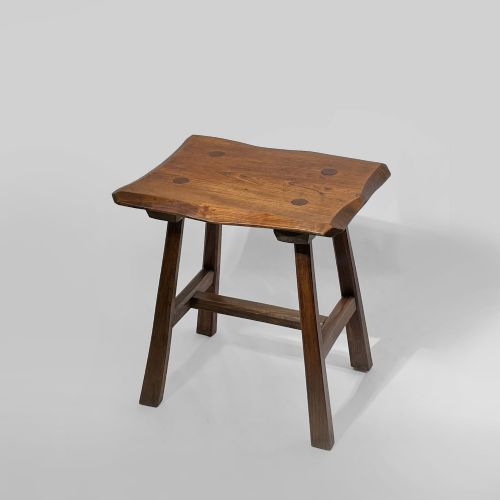
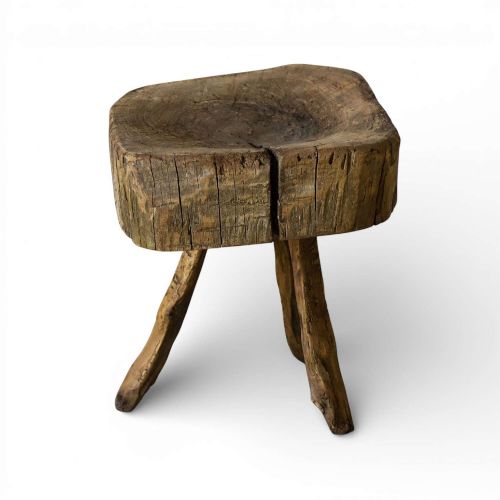
These brown elm stool examples range from robust 19th century tavern seats to early Georgian vernacular pieces built for daily domestic or trade use.
Brown Elm Stool
A brown elm stool serves as a primary example of utilitarian rural woodwork, often shaped for specific trades or simple farmhouse seating. When buyers search for a brown elm stool, they encounter diverse vernacular forms including Windsor seats, low country stools, and workshop seating.
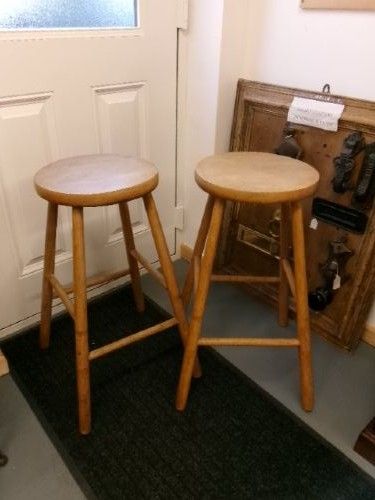
The inventory leans heavily towards 19th century and Georgian specimens, though Edwardian and Victorian iterations appear frequently. These functional items include tall workshop variants, milking stools, and hearth seats designed for practical utility rather than formal display.
Materials and construction methods
Makers utilised elm primarily for seats due to its interlocking grain which resists splitting under heavy use. This durable timber is frequently combined with ash, beech, or oak for legs and spindles.
Construction relies on traditional joinery where turned legs are wedged directly into thick timber slabs. Simple brass fittings or rudimentary hardware appear occasionally, though pegged joints remain the dominant method of assembly.
Brown Elm Stool Retail Price Guide 2026
Typical asking prices for brown elm stool among the pieces listed under this phrase on Sellingantiques today, from the lower quarter to the upper quarter. They describe what is for sale here now, not the wider market.
Listings feature periods spanning from the 18th century through to Edwardian times, utilising elm, ash, beech, and oak.
Assessing quality in country seating
Quality rests in the integrity of the timber and the honesty of the wear rather than pristine condition. An original surface with deep patination distinguishes a superior piece from a heavily restored or altered example.
Structural balance matters significantly, as these items endured rigorous daily labour in taverns, mills, and workshops. The thickness of the slab top and the retention of original turned supports dictate the desirability of the piece.
The Brown Elm Stool Glossary
- Close stool
- A piece of furniture enclosing a commode, often disguised as a small bedside chest or cabinet. This type combines utilitarian function with domestic disguise.
- Windsor
- A chair or stool construction method featuring legs and backs tenoned directly into a solid sculpted wooden seat. This style provides robust stability.
- Vernacular
- Architecture or furniture built by local craftsmen using traditional methods and native materials without high-style academic design. These objects reflect regional building traditions.
- Treen
- Small handmade wooden objects for domestic or personal use, ranging from candlesticks to small containers. The term derives from the old word for tree.
- Patina
- The surface sheen and colour developed through years of handling, polish, and natural ageing. It serves as an indicator of genuine age.
Brown Elm Stool: Frequently Asked Questions
What is a brown elm stool used for?
These pieces served practical roles in domestic, agricultural, and industrial settings, functioning as seats for milkers, tavern patrons, mill workers, and jewellers.
Today, they transition easily into modern homes as occasional seats, bedside tables, or low display surfaces.
How do I date a country stool?
Dating relies on observing tool marks, the style of the turned legs, and the method by which the legs join the seat. Georgian examples often display softer edges and finer proportions compared to later 19th century workshop variants.
The specific timber combinations, such as elm seats paired with ash spindles, also offer clues to the period of manufacture.
Are these stools comfortable to sit on?
Many feature heavily dished or saddled seats carved to fit the human body, providing surprising ergonomic comfort despite their rustic appearance.
Lower variants work well as casual seats, while tall versions suit high counters or display use.
Why is elm used for country furniture?
Elm possesses a notoriously twisted grain that makes it exceptionally difficult to split, rendering it the ideal choice for solid stool seats that endured heavy daily knocks.
Its rich brown tone deepens gracefully over the centuries when exposed to wax and regular handling.