




Country Kitchen Stool
A country kitchen stool brings solid wood, utility and simple rustic form straight to the heart of the home.
Country Kitchen Stool
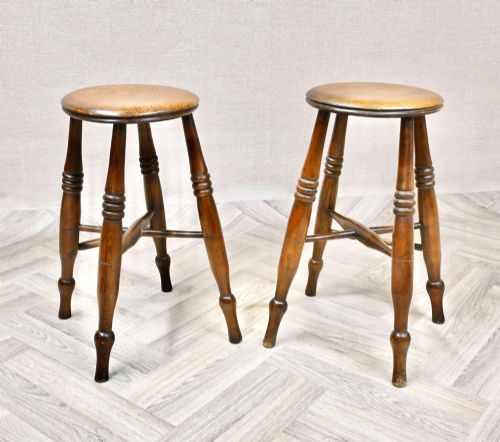
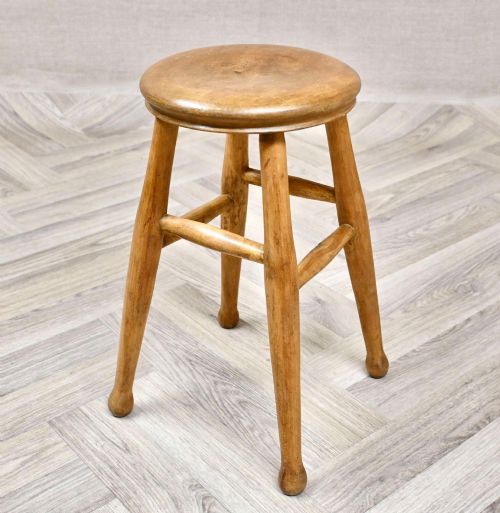
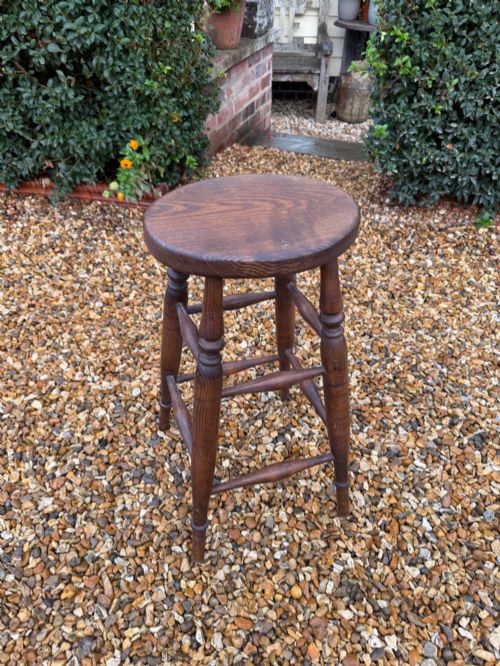
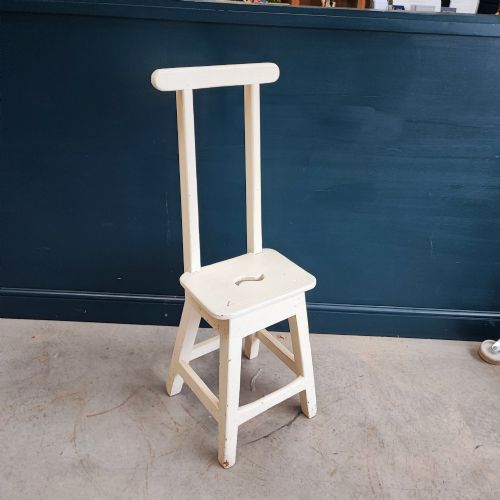
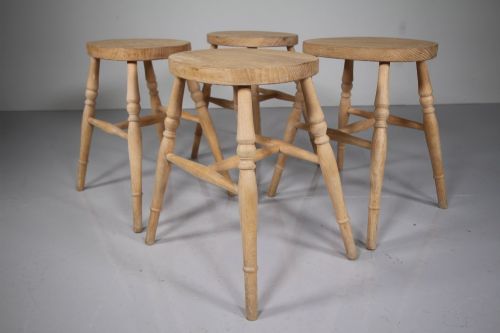
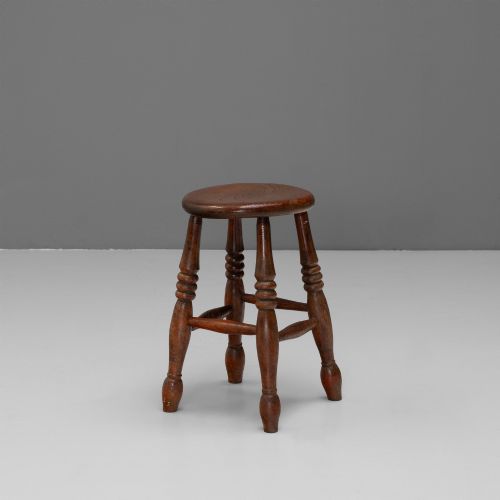
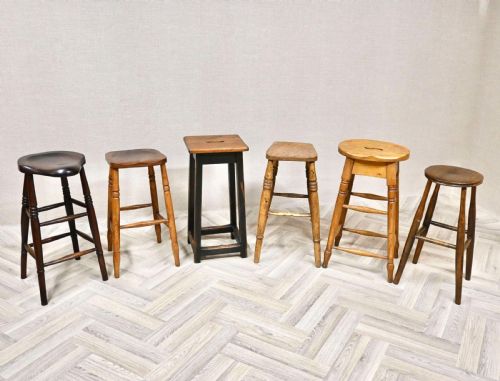
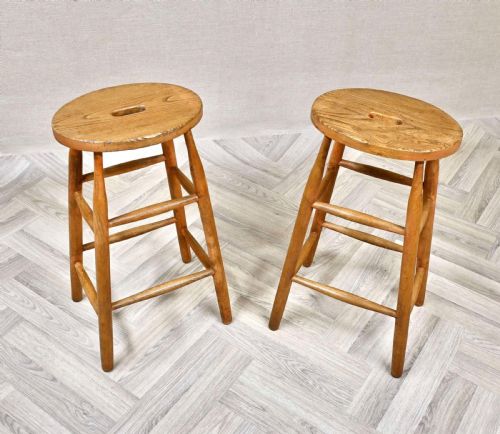
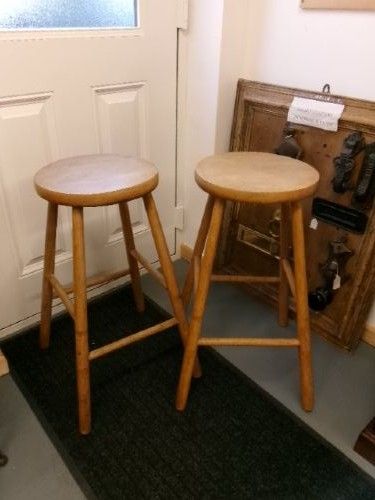
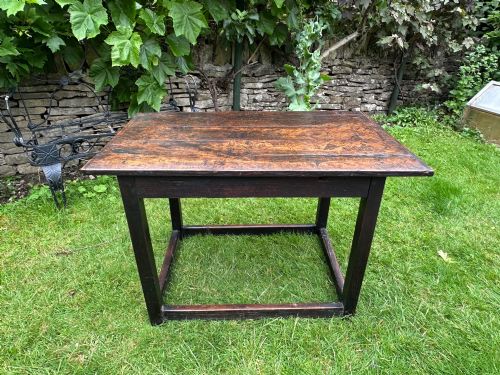
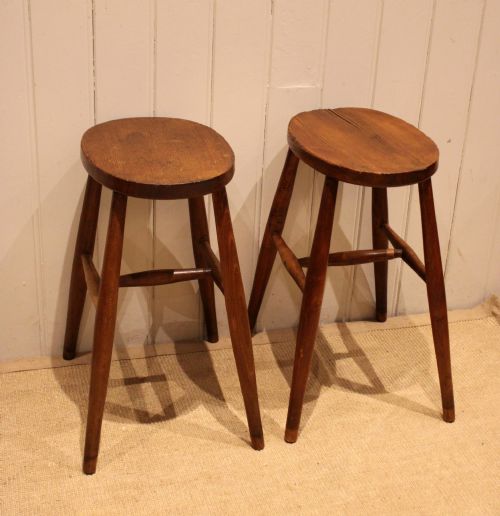
A country kitchen stool is a utilitarian seat built for hard work in domestic spaces, workshops and dairies. When you search for a country kitchen stool, you encounter diverse forms ranging from low dairy seats and high bar stools to sets designed for farmhouse dining tables.
The pieces appearing here span the eighteenth, nineteenth and early twentieth centuries, covering periods such as the Victorian and Edwardian eras. Common forms include Windsor designs, turned clerk variants, rush-seated examples and tall elm-topped resting places.
Makers of these honest seats worked within vernacular traditions, shaping timber to fit daily domestic routines. Sets of four or six appear alongside individual pieces, showing how these seats served both solitary tasks and communal gatherings.
How they were made
Makers relied on durable native timbers such as elm, oak, beech, ash and pine to construct these robust seats. Planks formed thick tops while turned legs provided sturdy support through decades of daily use.
Joinery techniques typically involved wedged tenons or simple pegged joints connecting legs directly into solid wooden seats. Some examples retain original painted finishes or surface patination built up through generations of handling.
Country Kitchen Stool Retail Price Guide 2026
Typical asking prices for country kitchen stool among the pieces listed under this phrase on Sellingantiques today, from the lower quarter to the upper quarter. They describe what is for sale here now, not the wider market.
Listings feature solid elm, oak, beech and pine across nineteenth-century and Edwardian domestic forms.
What varies in quality
Quality rests in the selection and figure of the timber, particularly where wild elm or figured oak tops show distinct grain patterns. Heavier stock and balanced proportions separate utilitarian workhorses from finer vernacular examples.
Original surfaces and unaltered structural integrity elevate certain pieces above those with extensive replacements or heavy modern interventions. The crispness of turnings on beech or ash legs also marks the hand of a more careful maker.
The Country Kitchen Stool Glossary
- Vernacular
- Everyday objects built by local artisans using regional traditions rather than high academic styles. These pieces prioritize function and local materials above all else.
- Windsor
- A chair or stool construction method where legs and spindles are fitted directly into a thick wooden seat. This design offers immense strength through mechanical wedging.
- Plank top
- A seat surface formed from one or more solid boards of timber joined side by side. Elm planks often display striking grain movement.
- Dairy stool
- A low three- or four-legged seat originally used by milkers in farm settings. Their compact size made them easy to carry around agricultural buildings.
- Clerk stool
- A tall seat designed for working at high desks, often featuring a footrest ring. Beech and oak served well for these office variants.
Country Kitchen Stool: Frequently Asked Questions
What woods were used for these stools?
Makers constructed these seats primarily from native hardwoods and softwoods available locally. Elm, oak, beech, ash and pine appear most frequently across the surviving examples.
Elm was especially favoured for seats due to its resistance to splitting when nailed or wedged.
How do I date an antique stool?
Dating relies on examining construction marks, timber wear, tool marks and historical styling cues. Nineteenth-century pieces often display hand-turned legs and pegged joints characteristic of regional workshops.
Comparing turnings and wood types to documented pieces helps narrow down the period.
Were these stools painted originally?
Many utility pieces received protective coats of paint or dark stains to seal the timber against kitchen grime and moisture. Some surviving examples retain traces of old paint or scrubbed natural patination.
Unfinished wood gained its polish entirely through years of scrubbing and human touch.
Can tall bar stools be used at modern counters?
Tall bar stools and clerk seats vary in height according to their original nineteenth-century working environments. Checking specific leg heights ensures they match standard modern kitchen counter dimensions.
Some period tall stools were built for high drafting desks rather than pub counters.